

Discover Saudi Arabian cuisine, famous traditional dishes, rich history, and authentic flavors every food lover should experience in 2026.
Introduction
Saudi Arabian cuisine is one of the most fascinating and flavorful food cultures in the world. Rich in history, tradition, spices, and hospitality, Saudi food reflects centuries of Bedouin heritage, Islamic influence, and international trade connections.
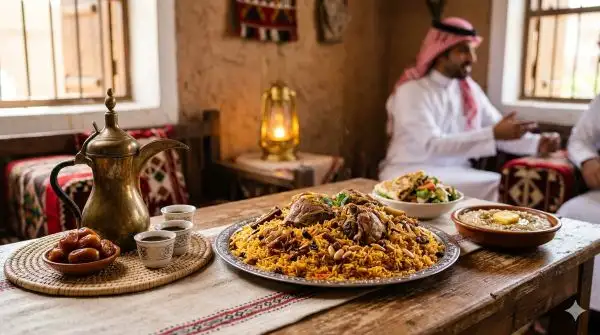
From aromatic rice dishes and slow-cooked meat to sweet desserts and traditional Arabic coffee, Saudi Arabian cuisine offers a unique culinary experience that food lovers should explore at least once in their lifetime.
In recent years, global interest in Middle Eastern food has grown rapidly, and Saudi Arabian cuisine is becoming increasingly popular among travelers, food bloggers, and culinary enthusiasts. Traditional Saudi meals are known for their bold flavors, generous portions, and deep cultural significance. Each traditional Saudi dish reflects deep family values, cultural celebrations, spiritual traditions, and strong community connections.
This complete guide will explore the history of Saudi Arabian cuisine, famous traditional dishes, cultural food traditions, regional specialties, cooking methods, and the top Saudi food secrets that make this cuisine unforgettable.
The Rich History of Saudi Arabian Cuisine
The history of Saudi Arabian cuisine goes back thousands of years. The Arabian Peninsula was once a major trading center connecting Asia, Africa, and Europe. Merchants traveling through the region introduced spices, herbs, rice, and cooking techniques that gradually became part of local food culture.
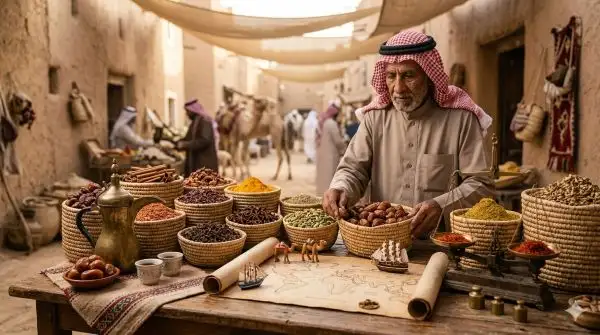
In ancient times, people living in the deserts of Arabia depended on simple but nutritious foods such as:
- Dates
- Milk
- Bread
- Rice
- Lamb
- Camel meat
The harsh desert climate influenced the development of Saudi cuisine. Food needed to provide energy, survive long journeys, and remain fresh for extended periods.
Over time, Saudi Arabian cuisine evolved into a rich combination of Bedouin traditions and international influences from Persia, India, Turkey, and the Levant.
Why Saudi Arabian Cuisine Is Unique
Saudi Arabian cuisine is different from many other Middle Eastern food traditions because it strongly emphasizes hospitality, communal dining, and aromatic rice dishes.

Several features make Saudi food unique:
- Heavy use of spices like cardamom and saffron
- Slow-cooked meat dishes
- Large shared platters
- Traditional coffee rituals
- Deep religious and cultural connections
Food in Saudi Arabia is not only about taste. It also plays an important role in strengthening family connections and creating closer social relationships within communities.
Secret #1: Kabsa – The Heart of Saudi Arabian Cuisine
Kabsa is the most iconic dish in Saudi Arabian cuisine and a symbol of traditional Arabian hospitality. Made with fragrant rice, tender meat, and rich spices, Kabsa offers unforgettable flavor and cultural heritage.
This popular Saudi dish is widely enjoyed during family gatherings, celebrations, and special occasions across the Kingdom.
Kabsa is made using:
- Basmati rice
- Chicken, lamb, or camel meat
- Tomatoes
- Cardamom
- Cinnamon
- Black lime
- Cloves
The ingredients are cooked together slowly, creating rich layers of flavor and aroma.
Why Kabsa Is So Popular
Kabsa is popular because it perfectly represents Saudi culture:
- Large portions encourage sharing
- Rich spices create unforgettable flavor
- This popular dish is commonly enjoyed at festive occasions, special events, and large family reunions.
Every Saudi family has its own version of Kabsa, making the dish deeply personal and traditional.
Secret #2: Traditional Saudi Welcoming Customs and Arabic Coffee Heritage
Saudi hospitality is a deeply respected tradition that reflects kindness, generosity, and strong cultural values. Visitors are warmly welcomed with Arabic coffee, locally known as Gahwa, often served with fresh dates.
This famous Saudi custom represents friendship and respect, making Arabic coffee culture an essential part of authentic Saudi Arabian cuisine and daily social life.
What Makes Saudi Coffee Special?
Saudi coffee is lighter than Western coffee and flavored with:
- Cardamom
- Saffron
- Cloves
It is traditionally served in small cups alongside fresh dates.
Serving coffee is considered a symbol of respect, kindness, and friendship. Refusing coffee can sometimes be viewed as impolite in traditional settings.
Secret #3: Dates Are More Than Just a Fruit
Dates are an essential part of Saudi Arabian cuisine, culture, and daily traditions. Rich in natural sweetness and nutrition, dates are commonly served with Arabic coffee during gatherings and religious occasions.
Saudi Arabia is globally recognized for producing premium-quality dates enjoyed by millions around the world.
Dates are eaten daily and served during:
- Ramadan
- Eid celebrations
- Family gatherings
- Social visits
Health Benefits of Dates
Dates are naturally rich in:
- Fiber
- Potassium
- Iron
- Natural sugars
- Antioxidants
Because of their nutritional value, dates have been a vital food source in the desert for centuries.
Secret #4: Saudi Cuisine Has Powerful Bedouin Roots
Traditional Saudi Arabian cuisine was deeply shaped by the lifestyle of ancient Bedouins who traveled through the Arabian desert. Their simple yet flavorful cooking methods focused on rice, meat, milk, and dates.
These historic Bedouin traditions still influence authentic Saudi dishes and cultural food practices today.
Bedouin cooking focused on:
- Simplicity
- Nutrition
- Long-lasting ingredients
- Cooking over open fire
The Bedouin lifestyle created dishes that were practical yet flavorful.
Common Bedouin Ingredients
- Wheat
- Rice
- Lamb
- Camel milk
- Yogurt
- Dates
Even today, many traditional Saudi dishes preserve these ancient cooking methods and ingredients.
Secret #5: Regional Saudi Foods Taste Completely Different
Saudi Arabian cuisine varies greatly from region to region, creating a rich diversity of flavors and cooking traditions. Coastal areas specialize in seafood dishes, while central regions are famous for meat and rice recipes.
Different spices, local ingredients, and cultural influences make every regional Saudi meal unique and unforgettable for visitors.
Central Saudi Cuisine (Najd Region)
The Najd region is known for hearty traditional foods.
Popular dishes include:
- Jareesh
- Kabsa
- Margoug
Foods here are rich, filling, and perfect for desert life.
Jareesh
Jareesh is made from crushed wheat cooked slowly with meat and spices. It has a creamy texture and comforting flavor.
Western Saudi Cuisine (Hijaz Region)
The Hijaz region includes cities like Mecca and Medina.
Because millions of pilgrims visit these cities annually, Hijazi cuisine became influenced by many international cultures.
Popular foods include:
- Saleeg
- Mutabbaq
- Seafood dishes
Saleeg
Saleeg is a creamy rice dish similar to risotto and often served with roasted chicken.
Eastern Saudi Cuisine
Eastern Saudi Arabia is close to the Persian Gulf, so seafood plays an important role in local cuisine.
Popular seafood dishes include:
- Grilled fish
- Shrimp rice
- Spicy seafood stews
Rice and fish combinations are extremely common in this region.
Southern Saudi Cuisine
Southern Saudi cuisine is known for stronger spices and fresh herbs.
Popular ingredients include:
- Honey
- Corn bread
- Chili peppers
The rugged mountain landscapes strongly shape regional agriculture, traditional cooking methods, and unique culinary traditions.
Secret #6: Saudi Arabian Desserts Are Surprisingly Delicious
Saudi Arabian desserts are rich, sweet, and full of traditional flavors that reflect the country’s culinary heritage. Popular treats like Kunafa, dates desserts, and honey-filled pastries are loved across the region.
These delicious sweets make Saudi Arabian cuisine even more unique, memorable, and enjoyable for food lovers worldwide.
Traditional Saudi sweets are often made using:
- Dates
- Honey
- Nuts
- Syrup
- Semolina
Famous Saudi Desserts
Luqaimat
Luqaimat are crispy fried dough balls drizzled with honey or date syrup.
They are especially popular during Ramadan.
Maamoul
Maamoul are soft cookies filled with dates or nuts and served during Eid celebrations.
Kunafa
Kunafa is a sweet dessert made with shredded pastry, cheese, and sugar syrup.
It is one of the most famous desserts across the Middle East.
Secret #7: Saudi Arabian Food Culture Is Rapidly Gaining Worldwide Recognition
Saudi Arabian cuisine is rapidly attracting global attention for its rich flavors, aromatic spices, and authentic cultural traditions.
Popular dishes like Kabsa and traditional desserts are now featured in international restaurants and food festivals, helping Saudi food culture gain worldwide popularity among travelers and food enthusiasts.
Several factors contributed to this growth:
- Social media food trends
- International tourism
- Cultural festivals
- Food bloggers
- Global interest in Middle Eastern cuisine
Restaurants serving Kabsa, Mandi, and Arabic coffee are opening worldwide.
Traditional Saudi Cooking Methods
Saudi Arabian cuisine is widely admired for its authentic cooking methods that enhance natural flavors and preserve cultural heritage.
Traditional techniques include slow-cooking meat, grilling over open flames, and using aromatic spices for rich taste. These time-honored culinary practices continue to make Saudi food unique, flavorful, and globally appreciated.
Slow Cooking
Many Saudi dishes are cooked slowly for several hours.
This method helps:
- Tenderize meat
- Enhance flavor
- Blend spices perfectly
Slow cooking remains a major feature of traditional Saudi meals.
Underground Cooking for Mandi
Mandi is traditionally cooked underground using charcoal heat.
This cooking technique creates:
- Smoky flavor
- Tender meat
- Aromatic rice
The process requires skill and patience.
Clay Oven Bread Baking
Traditional Saudi bread is often baked in clay ovens.
Popular breads include:
- Khubz
- Markook
- Tamees
Bread is served with nearly every meal.
Most Popular Saudi Arabian Dishes
Mandi
Mandi is a famous rice and meat dish originally from Yemen but extremely popular in Saudi Arabia.
The meat is slow-cooked until very tender.
Mutabbaq
Mutabbaq is a stuffed savory pastry filled with meat, onions, eggs, and herbs.
It is commonly sold as street food.
Harees
Harees is a comforting dish made from wheat and meat cooked until smooth and creamy.
It is especially popular during Ramadan.
Shawarma
Although originally Levantine, Shawarma is hugely popular across Saudi Arabia.
Thin slices of marinated meat are wrapped in bread with garlic sauce and vegetables.
Saudi Street Food Culture
Saudi street food culture is expanding quickly, offering delicious flavors that attract both locals and international visitors.
Popular snacks include grilled meats, shawarma, spicy sandwiches, and traditional sweets sold in busy markets and food stalls. This fast-growing food trend highlights the modern evolution and global appeal of Saudi Arabian cuisine.
Popular street foods include:
- Shawarma
- Falafel
- Grilled kebabs
- Samboosa
- Mutabbaq
Street food is affordable, flavorful, and widely enjoyed by young people and tourists.
Saudi Cuisine During Ramadan
During Ramadan, Saudi Arabian cuisine becomes an important part of family and spiritual traditions. Families prepare rich meals for Iftar, featuring dates, soups, rice dishes, and traditional desserts after daily fasting.
These special Ramadan foods reflect hospitality, togetherness, and the deep cultural heritage of Saudi Arabia.
Popular Ramadan foods include:
- Dates
- Soup
- Harees
- Luqaimat
- Sambousek
Food during Ramadan emphasizes sharing, generosity, and spirituality.
Saudi Wedding Food Traditions
Saudi wedding celebrations are famous for their luxurious feasts and traditional hospitality. Large communal platters filled with rice, roasted meat, and flavorful dishes are shared among guests during the event.
These grand food traditions symbolize unity, generosity, and cultural pride, making Saudi weddings a memorable part of Arabian culinary heritage.
Typical wedding dishes include:
- Whole roasted lamb
- Kabsa
- Grilled chicken
- Rice dishes
- Arabic sweets
Meals are often shared among groups, symbolizing unity and celebration.
Saudi Arabian Spices That Create Unique Flavor
Saudi Arabian cuisine is known for its fragrant spices that give every dish a bold and authentic taste. Popular ingredients like cardamom, saffron, cinnamon, and cloves are widely used in traditional recipes.
These aromatic seasonings create deep flavors, making Saudi food culture unique, delicious, and internationally admired by food lovers.
Essential Saudi Spices
- Cardamom
- Saffron
- Black pepper
- Cinnamon
- Cloves
- Turmeric
- Black lime
These spices give Saudi dishes their distinctive taste and aroma.
Importance of Rice in Saudi Cuisine
Rice is a staple ingredient in Saudi Arabian cuisine and plays a central role in daily meals and celebrations. Popular traditional dishes are often prepared with fragrant rice combined with meat, vegetables, and aromatic spices. Its versatility, rich flavor, and cultural significance make rice essential in authentic Saudi food traditions.
It is commonly served with:
- Lamb
- Chicken
- Seafood
- Vegetables
Basmati rice is especially popular because of its fragrance and texture.
Saudi Arabian Cuisine and Religion
Religion strongly influences Saudi Arabian cuisine, shaping dietary habits, meal traditions, and food preparation methods. Islamic values encourage halal cooking practices, hospitality, and sharing meals with family and guests.
Religious occasions and celebrations also inspire special traditional dishes, making faith an important part of Saudi Arabia’s rich culinary culture and heritage.
Islamic dietary laws influence daily eating habits:
- Halal meat is required
- Pork is prohibited
- Alcohol is forbidden
Religious celebrations like Ramadan and Eid also shape food traditions throughout the year.
Saudi Arabian Cuisine and Tourism
Saudi Arabian cuisine is becoming a major attraction for international tourists seeking authentic cultural experiences. Travelers enjoy traditional dishes, local street food, Arabic coffee, and regional specialties across the Kingdom.
The rapid growth of food tourism is helping Saudi Arabia showcase its rich culinary heritage, hospitality, and unique flavors to global visitors.
Tourists enjoy:
- Traditional Saudi meals
- Arabic coffee ceremonies
- Local food markets
- Luxury dining experiences
Cities such as Riyadh and Jeddah are becoming major culinary destinations.
Health Benefits of Traditional Saudi Food
Traditional Saudi food offers valuable health benefits through the use of natural ingredients, wholesome grains, dates, lean meats, and aromatic spices.
Many classic dishes provide energy, protein, fiber, and essential nutrients. When enjoyed in balanced portions, Saudi Arabian cuisine can support healthy eating while preserving authentic cultural flavors and traditions.
Nutritional Benefits
- Dates provide natural energy
- Yogurt supports digestion
- Spices contain antioxidants
- Rice offers carbohydrates for energy
- Lamb provides protein and iron
Many traditional dishes use natural ingredients with minimal processing.
Modern Changes in Saudi Arabian Cuisine
Modern Saudi Arabian cuisine blends traditional recipes with international culinary influences and contemporary dining styles.
Restaurants now introduce fusion dishes, healthier ingredients, and creative presentations while preserving authentic Arabian flavors. This evolving food culture reflects Saudi Arabia’s modernization, global connections, and growing interest in innovative yet culturally rooted cuisine.
Today, people enjoy:
- Fusion cuisine
- International restaurants
- Gourmet Saudi food
- Modern cafés
- Healthy meal options
Young Saudi chefs are introducing creative versions of traditional dishes while preserving cultural identity.
Why Food Lovers Should Experience Saudi Arabian Cuisine
Saudi Arabian cuisine offers much more than delicious food. It provides a cultural experience deeply connected to history, hospitality, and family traditions.
Visitors can experience:
- Rich spices
- Unique cooking methods
- Warm hospitality
- Authentic cultural traditions
Every meal reflects generations of culinary heritage passed down through families.
The Future of Saudi Arabian Cuisine
Saudi Arabian cuisine is expected to gain stronger global recognition through tourism, international restaurants, cultural festivals, and social media, introducing authentic Arabian flavors and traditions to food lovers worldwide.
Several trends are driving this growth:
- Increased tourism
- Social media exposure
- Culinary festivals
- International restaurant expansion
- Global demand for Middle Eastern food
Traditional Saudi dishes are now reaching audiences far beyond the Middle East.
Conclusion
Saudi Arabian cuisine is a beautiful combination of history, culture, hospitality, and unforgettable flavor. From the ancient Bedouin traditions of the desert to modern luxury dining experiences, Saudi food reflects the rich heritage of the Arabian Peninsula.
Traditional dishes like Kabsa, Mandi, Jareesh, and Saleeg continue to represent the heart of Saudi culture. Dates and Arabic coffee symbolize generosity, while regional recipes showcase the diversity of Saudi Arabia’s culinary identity.
As global interest in Middle Eastern cuisine continues to grow, Saudi Arabian cuisine is becoming recognized as one of the world’s most exciting food cultures. Whether you are a traveler, foodie, or cultural explorer, experiencing authentic Saudi food is a journey filled with flavor, tradition, and history.
If you truly want to discover the soul of Saudi Arabia, start with its cuisine.
FAQ – Saudi Arabian Cuisine
1. What is the most popular dish in Saudi Arabian cuisine?
Kabsa is considered the most popular traditional Saudi dish. It is made with spiced rice, meat, and aromatic seasonings commonly served during family gatherings and celebrations.
2. What spices are commonly used in Saudi Arabian food?
Saudi Arabian cuisine frequently uses cardamom, saffron, cinnamon, cloves, black pepper, and cumin to create rich and authentic flavors in traditional dishes.
3. Why are dates important in Saudi culture?
Dates are highly valued in Saudi Arabia for their nutritional benefits, cultural significance, and religious importance. They are often served with Arabic coffee to guests.
4. What is traditional Arabic coffee called in Saudi Arabia?
Traditional Arabic coffee is called Arabic coffee or “Gahwa.” It symbolizes hospitality, respect, and generosity in Saudi culture.
5. Is Saudi Arabian cuisine spicy?
Saudi food is flavorful and aromatic rather than extremely spicy. Traditional recipes focus more on fragrant spices and balanced taste than excessive heat.
6. What foods are commonly eaten during Ramadan in Saudi Arabia?
During Ramadan, families enjoy dates, soups, rice dishes, grilled meats, and traditional desserts during Iftar meals after fasting.
7. Why is Saudi Arabian cuisine becoming globally popular?
Saudi Arabian cuisine is gaining worldwide attention because of its unique flavors, rich traditions, authentic recipes, and growing presence in international restaurants and food festivals.