
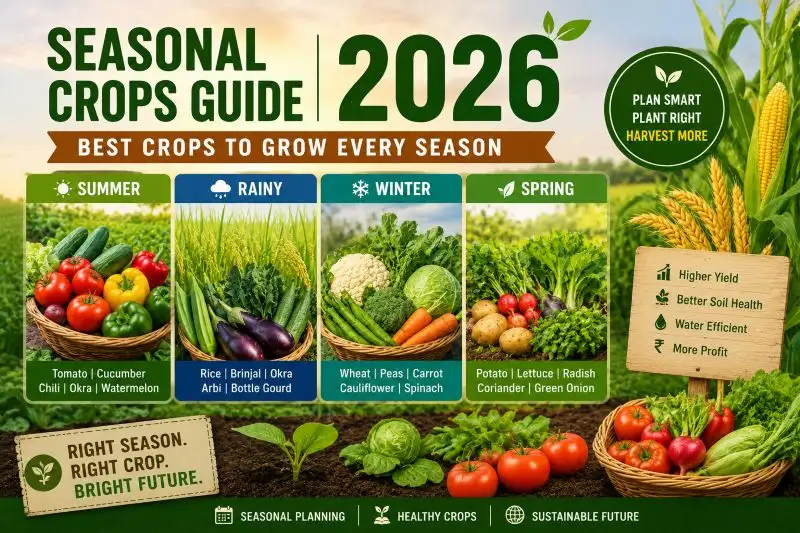
Discover the Seasonal Crops Guide 2026 with the best crops to grow every season. Learn planting tips, benefits, and farming strategies.
Introduction: Seasonal Crops Guide 2026
Successful farming begins with selecting crops that match the appropriate season and climate conditions. Factors such as rainfall, temperature, soil quality, and weather changes greatly influence crop growth and overall productivity. A carefully planned Seasonal Crops Guide can help farmers and gardeners improve harvest quality while minimizing the chances of crop damage or poor yield.
In 2026, modern agriculture is becoming more focused on climate-smart farming and sustainable cultivation practices. Growing crops according to seasonal conditions not only supports healthy plant development but also helps reduce the unnecessary use of water, fertilizers, and labor. Whether someone manages a small home garden or a large agricultural farm, understanding seasonal crop planning can lead to better profits and more efficient farming results.
This guide provides valuable information about the best crops to grow during different seasons, including summer, winter, spring, and the rainy season. It also covers important farming techniques such as soil preparation, irrigation methods, crop care, and seasonal management practices. By following proper seasonal farming methods, growers can maintain soil fertility, reduce pest problems, and achieve stronger crop production throughout the year.
Learning about seasonal farming is an effective way to build a more productive and sustainable agricultural future.
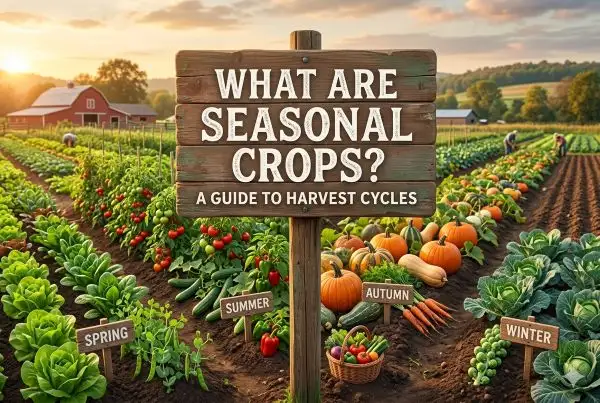
What Are Seasonal Crops?
Seasonal crops are types of plants that grow successfully under particular climate conditions and temperature ranges during certain times of the year. Every crop has its own environmental requirements for proper growth and healthy production. Some plants perform better in hot and sunny weather, while others require cooler temperatures and moderate moisture to develop properly.
In agriculture, seasonal crops are commonly grouped into four major categories:
- Summer Crops
- Winter Crops
- Spring Crops
- Rainy Season Crops
Selecting crops according to the correct season is extremely important for productive farming. When crops are grown in suitable weather conditions, they become healthier, stronger, and more resistant to diseases and pests. Seasonal farming also improves the overall quality of produce and supports better harvest results.
There are several important benefits of growing crops seasonally, including:
- Improved crop quality
- Higher yield and productivity
- Better resistance against pests and diseases
- Efficient use of water resources
- Improved soil fertility and soil health
Using a well-organized Seasonal Crops Guide helps farmers make smarter farming decisions throughout the year. It supports sustainable agriculture practices, reduces unnecessary farming costs, and increases long-term productivity. Seasonal crop planning is an effective way to achieve healthier harvests while protecting natural resources for future farming generations.
Importance of Seasonal Farming in 2026
Agriculture is evolving quickly in 2026 due to climate change, rising temperatures, and unpredictable rainfall patterns. Farmers around the world are facing new challenges that directly affect crop production and food supply. Because of these environmental changes, seasonal farming has become more important than ever. Growing crops according to the right season helps plants adapt naturally to weather conditions, leading to healthier growth and more stable harvests.
Below are some major benefits of seasonal farming:
- Better Crop Production:Crops grow more efficiently when planted in their ideal climate and temperature conditions. This improves plant health, boosts growth speed, and increases overall harvest quality and productivity.
- Lower Risk of Pests and Diseases: Seasonal crops are naturally stronger because they grow in favorable weather conditions. As a result, farmers often experience fewer pest attacks and plant diseases, reducing the need for excessive chemical treatments.
- Improved Soil Health: Seasonal farming encourages crop rotation, which helps maintain soil nutrients and prevents soil degradation. Healthy soil supports long-term agricultural productivity.
- Efficient Water Usage: Growing crops during suitable seasons reduces the need for extra irrigation. Natural rainfall and seasonal moisture help conserve water resources.
- Higher Farming Profits: Healthy crops usually produce better-quality fruits, vegetables, and grains. High-quality produce attracts better market prices and increases overall farm income.
Best Summer Crops to Grow in 2026
Summer crops require warm temperatures and plenty of sunlight. These crops usually grow well between March and June in many regions.
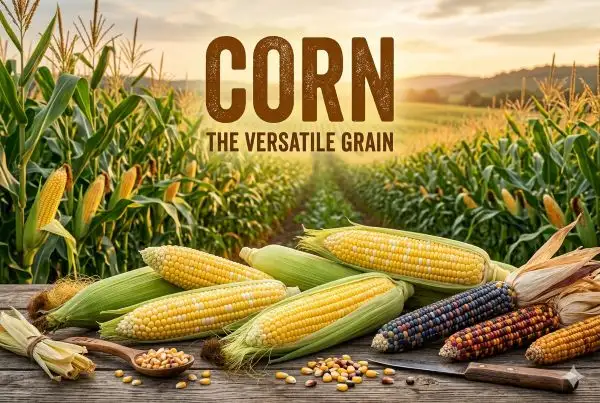
1. Summer Farming: Corn Cultivation
As a premier global summer crop, corn offers exceptional financial returns for farmers. Achieving maximum yields requires planting in warm, well-warmed soil alongside a consistent, disciplined irrigation routine throughout the growing cycle.
Growing Tips
- Use well-drained soil
- Ensure full sunlight
- Maintain proper spacing between plants
- Water consistently during flowering
2. Tomatoes & Cucumbers
Growing Sunny Tomatoes
Thriving under bright, abundant sunlight, tomatoes stand out as an incredibly versatile crop. They perform exceptionally well whether cultivated in small-scale backyard setups or managed across large, commercial agricultural fields.
Benefits
- High market demand
- Fast-growing crop
- Suitable for container gardening
Growing Tips
- Use support stakes
- Avoid overwatering
- Apply organic compost regularly
Quick-Yielding Cucumbers
Boasting a remarkably rapid growth cycle, cucumbers flourish best during the peak warmth of the summer months. This high-speed development makes them a favorite for growers looking to secure abundant, bountiful harvests in a short timeframe.
Ideal Conditions
- Warm temperatures
- Moist soil
- Full sun exposure

3. Peppers & Watermelon
Summer-Ready Peppers
Thriving in high-temperature environments, peppers are inherently heat-loving plants. Because they absolutely flourish under intense sun, they deliver their most robust and impressive growth performance during the peak of the summer season.
Popular varieties include:
- Bell peppers
- Chili peppers
- Sweet peppers
The Rise of Watermelon Cultivation
Watermelons stand out as a premier summer fruit option for modern growers. Driven by a surging consumer market, cultivating this refreshing crop aligns perfectly with high commercial profitability and seasonal demand.
Key Requirements
- Sandy soil
- Hot weather
- Adequate watering
Best Rainy Season Crops
Rainy season farming is highly productive because crops receive natural irrigation from rainfall. However, drainage management is very important.
1. Rice & Okra
Essential Rainy-Season Rice
Serving as the backbone of agriculture across numerous Asian nations, rice stands out as the single most critical crop of the monsoon season. Its cultivation is deeply intertwined with the heavy seasonal rainfall, driving food security and rural economies throughout the region.
Why Rice Grows Well During Rainy Season
- Requires standing water
- Thrives in humid conditions
- High yield potential
Fast-Growing Okra
Okra thrives exceptionally well under wet conditions, experiencing rapid growth during periods of high humidity and frequent rainfall. This makes it an ideal, low-maintenance choice for maximizing agricultural yields during the peak of the rainy season.
Advantages
- Disease-resistant
- Easy maintenance
- Continuous harvesting
2. Eggplant, Beans & Pumpkin
Resilient Eggplant Cultivation
Eggplants deliver a highly robust agricultural performance when grown in areas with moderate rainfall. They absorb the steady moisture perfectly, allowing them to thrive and yield top-quality produce without suffering from the waterlogging common in heavier monsoon seasons.
Growing Tips
- Prevent waterlogging
- Use organic fertilizer
- Maintain proper airflow
Soil-Boosting Beans
An exceptional choice for the monsoon cycle, beans excel as a rainy-season crop. Beyond delivering a solid harvest, they actively enhance field quality by naturally fixing nitrogen into the earth, boosting overall soil fertility for future planting.
Profilic Rainy-Season Pumpkins
Benefiting greatly from seasonal downpours, pumpkin vines exhibit rapid, expansive growth during wet weather. This vigorous spreading allows the plants to cover extensive ground quickly, ultimately culminating in an incredibly generous and large-scale harvest.
Best Winter Crops to Grow
Winter crops prefer cooler temperatures and shorter daylight hours. These crops usually grow between October and February.
1. Wheat & Carrots
Global Winter Wheat
As a vital staple crop worldwide, wheat continues to hold its position as one of the most critical agricultural assets of the winter season. Its ability to thrive in cooler temperatures makes it foundational to global food supply chains and international farming economies during the frostier months.
Ideal Conditions
- Cool temperatures
- Moderate watering
- Fertile soil
Cool-Weather Carrots
Carrots develop a distinctly superior quality when cultivated in lower temperatures. The crisp, chilly air triggers a natural process that enhances their overall flavor profile, making the roots noticeably sweeter and more delicious upon harvest.
Growing Tips
- Use loose soil
- Avoid rocky ground
- Thin seedlings properly
2. Cabbage, Spinach & Peas
Cabbage
Cabbage grows exceptionally well during winter.
Benefits
- High nutritional value
- Strong market demand
- Easy storage
Spinach
Spinach is one of the fastest-growing leafy vegetables during winter.
Advantages
- Rich in iron
- Multiple harvest cycles
- Suitable for small gardens
Peas
Peas prefer cool weather and produce excellent yields during winter.
Best Spring Crops to Grow
Spring is one of the best planting seasons because temperatures become moderate and soil moisture improves.
1. Lettuce & Strawberries
Lettuce
Lettuce grows quickly in cool spring weather.
Growing Conditions
- Partial sunlight
- Moist soil
- Cool temperatures
Strawberries
Strawberries are highly profitable spring crops.
Benefits
- High market value
- Popular fruit crop
- Suitable for home gardens
2. Potatoes, Radishes & Herbs
Potatoes
Potatoes perform very well during spring.
Tips for Better Harvest
- Use certified seed potatoes
- Hill soil around plants
- Water regularly
Radishes
Radishes are among the quickest spring vegetables to harvest.
Herbs
Herbs like basil, mint, and parsley grow rapidly during spring.
How to Choose the Right Seasonal Crops
Successful seasonal farming relies on evaluating a few essential variables before planting.
- Climate Conditions: Align your agricultural choices with local weather trends, temperature shifts, and seasonal patterns.
- Soil Composition: Match plant varieties to your specific ground conditions. For example, watermelon thrives in sandy ground, rice excels in heavy clay, and standard vegetables yield best in rich, loamy earth.
- Water Resources: Evaluate your available irrigation setup. Choose moisture-loving plants if water is plentiful, or drought-tolerant varieties if resources are restricted.
- Market Profitability: Analyze local consumer habits. Focusing on high-demand produce ensures your harvest secures better prices and sells quickly.
- Expertise Level: Match your crop choices to your background. Novices should master resilient, low-maintenance crops before progressing to delicate, highly technical agricultural operations.
Soil Preparation Tips for Seasonal Farming
Optimizing your ground conditions is the foundation of a highly productive harvest. Use these essential strategies to prime your fields:
- Integrate Organic Matter: Incorporate aged manure or rich compost into the earth. This naturally boosts soil fertility, enhances texture, and feeds beneficial microorganisms.
- Monitor and Test pH: Different plant varieties thrive in specific acidity ranges. Aim for a pH of 6.0 to 7.0 for standard vegetables, while fruit crops generally prefer a slightly more acidic range of 5.5 to 6.5.
- Optimize Field Drainage: Ensure your layout allows excess water to escape freely. Excellent drainage is vital to prevent waterlogging and protect delicate root systems from fungal diseases.
- Implement Crop Rotation: Avoid planting the same families in identical plots back-to-back. Systematically rotating your plants naturally disrupts pest life cycles and balances nutrient depletion in the soil.
Smart Irrigation Methods for 2026
Water management is becoming increasingly important in modern farming.
- Drip Irrigation:Drip irrigation saves water and delivers moisture directly to roots.
- Rainwater Harvesting:Collecting rainwater reduces irrigation costs.
- Mulching: Mulch helps retain soil moisture and control weeds.
- Smart Irrigation Sensors:Technology-based irrigation systems are becoming popular in 2026 for efficient farming.
Common Seasonal Farming Mistakes to Avoid
Many farmers lose productivity because of avoidable mistakes.
- Planting at the Wrong Time:Season timing is critical for healthy crop growth.
- Overwatering:Too much water can damage roots and promote fungal diseases.
- Ignoring Soil Health:Poor soil management reduces crop productivity.
- Using Poor Quality Seeds: Always purchase high-quality certified seeds.
- Lack of Pest Monitoring:Regular inspection helps detect pests early.
Organic Seasonal Farming Trends in 2026
Organic farming continues to grow rapidly worldwide.
Why Organic Farming Is Popular
- Healthier produce
- Better environmental protection
- Higher market value
Organic Farming Techniques
- Composting: Natural compost improves soil fertility.
- Biological Pest Control:Farmers use beneficial insects instead of chemicals.
- Crop Rotation:Crop rotation naturally maintains soil nutrients.
Seasonal Fruits to Grow in 2026
Fruit farming can be highly profitable when done seasonally.
Summer Fruits
- Mango
- Watermelon
- Papaya
Winter Fruits
- Orange
- Strawberry
- Apple
Rainy Season Fruits
- Guava
- Jamun
- Pear
Spring Fruits
- Grapes
- Cherry
- Peach
Best Seasonal Vegetables for Home Gardening
Home gardening is becoming increasingly popular in 2026.
Easy Vegetables for Beginners
- Tomatoes
- Spinach
- Radishes
- Lettuce
- Okra
Benefits of Home Gardening
- Fresh vegetables
- Lower food costs
- Healthy lifestyle
- Stress relief
Climate Change and Seasonal Crops
Climate change is affecting crop production worldwide.
Major Challenges
- Irregular rainfall
- Extreme temperatures
- Increased pest attacks
Solutions for Farmers
- Use climate-resistant seeds
- Improve irrigation systems
- Monitor weather forecasts
- Practice sustainable farming
Technology in Seasonal Farming
Modern technology is transforming agriculture in 2026.
Smart Farming Tools
- Soil sensors
- Weather monitoring apps
- Automated irrigation systems
- Drone crop monitoring
Benefits
- Better crop management
- Reduced labor costs
- Higher productivity
Seasonal Crop Rotation Guide
Crop rotation improves soil health and reduces disease risks.
Example Rotation Plan
- Season 1: Legumes
- Season 2:Leafy vegetables
- Season 3: Root vegetables
- Season 4: Fruit-bearing plants
This rotation system maintains balanced soil nutrients.
Profitable Seasonal Crops in 2026
Some crops are expected to remain highly profitable due to increasing market demand.
High-Profit Crops
- Tomatoes
- Strawberries
- Chili peppers
- Herbs
- Organic vegetables
Farmers focusing on quality production and proper seasonal planning can achieve excellent profits.
Tips for Successful Seasonal Farming
- Start Small: Beginners should begin with manageable farming areas.
- Use Quality Seeds:Healthy seeds produce healthier plants.
- Follow Weather Forecasts: Weather tracking helps protect crops from damage.
- Maintain Proper Spacing: Good spacing improves airflow and reduces disease risks.
- Learn Continuously:Agricultural trends evolve every year.
Conclusion
Following a well-structured Seasonal Crops Guide is one of the best ways to achieve successful and sustainable farming in 2026. Selecting crops based on seasonal weather conditions can significantly improve crop growth, increase overall productivity, and lower farming expenses. It also helps farmers use natural resources more efficiently while maintaining soil quality and reducing environmental impact. Both commercial farmers and home gardeners can benefit from understanding which crops perform best during different times of the year.
Planting suitable crops for summer, winter, spring, and rainy seasons allows growers to enjoy better harvests and higher profits throughout the year. Seasonal farming also reduces the risk of crop diseases and improves the quality of fruits, vegetables, and grains. In addition, modern agricultural innovations such as smart irrigation systems, climate monitoring tools, and organic farming techniques are helping farmers adapt to changing environmental conditions more effectively.
As the agricultural industry continues to develop, seasonal farming remains a reliable method for ensuring food security and long-term farming success. Careful crop planning and proper seasonal management can help farmers build a more productive and profitable future. Start preparing your seasonal farming strategy now to enjoy healthy crops and successful harvests in every season of 2026.
FAQ – Seasonal Crops Guide 2026
1. What are seasonal crops? Seasonal crops are plants that grow best during specific weather conditions and temperatures. Different crops require different climates, rainfall levels, and soil conditions for healthy growth and better production.
2. Why is seasonal farming important in 2026? Seasonal farming helps farmers adapt to climate change, irregular rainfall, and rising temperatures. It improves crop productivity, conserves water, and reduces farming costs while supporting sustainable agriculture practices.
3. Which crops are best for summer farming? Popular summer crops include tomatoes, corn, cucumbers, peppers, and watermelon. These crops thrive in warm temperatures and plenty of sunlight.
4. How does crop rotation improve farming outcomes? Crop rotation improves soil fertility, reduces pest problems, and prevents nutrient depletion. It also supports healthier plant growth over time.
5. How can farmers save water during seasonal farming? Farmers can use drip irrigation, mulching, and rainwater harvesting methods to reduce water waste and improve irrigation efficiency.
6. What is the ideal season for growing vegetables? Different vegetables grow best in different seasons. Winter is suitable for spinach and cabbage, while summer is ideal for tomatoes and cucumbers.
7. Can home gardeners follow a Seasonal Crops Guide? Yes, home gardeners can use seasonal farming techniques to grow healthier vegetables, fruits, and herbs throughout the year.