

Explore the top 6 historical places in Barishal Division and discover heritage sites, ancient landmarks, and cultural treasures of Bangladesh.
From majestic forts and royal palaces to historic mosques, temples, and hidden gems, this guide helps travelers, history enthusiasts, and culture lovers plan the perfect visit. Discover fascinating stories, architectural marvels, and traditional sites that showcase the legacy of Barishal Division and make your trip unforgettable. Use our detailed travel guides, tips, and itineraries to explore these must-visit historical places in Barishal Division with ease and confidence.
Introduction
Barishal Division, located in southern Bangladesh, is a treasure trove of history, culture, and heritage, offering travelers a fascinating glimpse into the past. The region is home to some of the most remarkable historical places in Barishal Division, including ancient forts, royal palaces, temples, mosques, and archaeological sites that tell stories of bygone eras. Exploring these landmarks allows visitors to experience the rich traditions, architectural brilliance, and cultural significance that define this unique division.
From the majestic structures built during the Mughal and colonial periods to hidden gems in rural villages, the historical places in Barishal Division reflect centuries of human endeavor, artistry, and devotion. Popular sites like Durga Sagar, Guthia Mosque, and the old royal residences attract history enthusiasts, photographers, and curious travelers alike, while lesser-known locations offer peaceful escapes and authentic cultural experiences.
Visiting these historical places in Barishal Division is not just about sightseeing; it is about connecting with the stories, legends, and heritage of Bangladesh. Travelers can learn about traditional lifestyles, witness intricate architecture, and explore the historical roots that shaped the region. Whether you are a history lover, a student, or a cultural explorer, Barishal Division promises an enriching journey. Planning a tour to these historical places in Barishal Division ensures a memorable experience, blending education, adventure, and cultural discovery into one remarkable trip.
Complete Travel Guides to Historical Places in Barishal Division
Our expert guides help travelers explore the best historical places in Barishal Division with ease and confidence. These travel guides cover everything you need to plan your visit, from must-see landmarks like Durga Sagar, Guthia Mosque, and colonial-era buildings to hidden gems off the beaten path. Each guide includes tips on transportation, entry fees, local customs, and nearby attractions, making your trip smooth and enjoyable. Whether you are a student, history enthusiast, or cultural traveler, our Barishal Division historical places guides ensure you don’t miss any important heritage sites while discovering the rich history and culture of the region.
10 Essential Travel Guide Tips for Historical Places in Barishal Division
Barishal Division is rich in heritage, featuring historic churches, ancient mosques, colonial architecture, and river-based culture. If you’re planning to explore the historical places in Barishal Division, follow these essential travel tips for a smooth and memorable journey.
1. Choose the Best Time to Visit
The ideal time to visit historical places in Barishal Division is November to February, when the weather is pleasant and perfect for sightseeing.
2. Visit Early for Better Experience
Morning visits help avoid crowds and provide better natural light for photography at historical landmarks.
3. Respect Local Culture & Religion
Many historical sites are active religious places. Dress modestly and follow local customs during your visit.
4. Use Local Transportation
Rickshaws, auto-rickshaws, and river boats are convenient ways to reach historical sites in Barishal city and nearby areas.
5. Hire a Local Guide
Local guides offer valuable insights into the history, architecture, and cultural significance of heritage sites.
6. Carry Cash for Small Expenses
Most rural historical places do not support digital payments. Keep small cash notes handy.
7. Prepare for Sun & Rain
Carry sunscreen, a hat, and an umbrella, as many historical places are open-air sites.
8. Ask Before Taking Photos
Always seek permission before photography inside religious or protected historical monuments.
9. Combine History with River Tourism
Enhance your trip by combining heritage visits with scenic river travel, a unique experience in Barishal Division.
10. Support Local Communities
Support sustainable tourism by purchasing local products and using local services near historical places.
1. Kuakata Buddhist Temple (Misripara), Patuakhali
The Kuakata Buddhist Temple stands quietly near the coast, carrying the memory of the Rakhine Buddhist community that settled in this region more than a hundred years ago.

Unlike grand stone monasteries, this temple reflects simplicity and devotion. The most remarkable feature is the large bronze Buddha statue, believed to have been brought from Myanmar generations ago. For historians, the temple represents the enduring presence of Buddhism in southern Bengal, long after it had declined elsewhere. It also tells the story of migration, faith, and cultural preservation in a coastal landscape shaped by the sea.
2. Durga Sagar Dighi, Barishal
Durga Sagar Dighi holds a special place in the heart of Barishal’s history. Excavated in 1780 by Joy Narayan Ghosal, the pond was named after Goddess Durga and served both practical and religious purposes. The small island at the center once hosted religious rituals and community events.

This site reveals how religion, water management, and social life were closely connected during the zamindari period. Durga Sagar Dighi is also a rare example of how Hindu heritage influenced public infrastructure in southern Bengal.
3. Oxford Mission Church, Barishal
Oxford Mission Church is a clear symbol of British colonial influence in Barishal. Built by Christian missionaries in the early 20th century, the church reflects European architectural ideas adapted to a tropical climate. Beyond religion, the Oxford Mission contributed to education and healthcare in the region.

Many locals still associate the mission with schools and hospitals rather than worship alone. Historically, this church shows how colonial institutions shaped urban development and social services in Barishal.
4. Guthia Mosque (Baitul Aman Mosque)
Although relatively new, the Guthia Mosque represents a continuation of centuries-old Islamic architectural tradition in Barishal.

Its design draws inspiration from Mughal and Ottoman styles, blending large domes, minarets, and water features. The mosque stands on land that once served rural communities, linking modern development with historical Islamic values. In historical discussions, the Guthia Mosque reflects how religious architecture evolves while maintaining spiritual continuity.
5. Laldighi Mosque, Barishal
Laldighi Mosque is believed to date back to the Mughal period, making it one of the oldest Islamic structures in the city. Built using brick and lime mortar, the mosque follows the classic Bengal style with curved cornices and simple ornamentation.
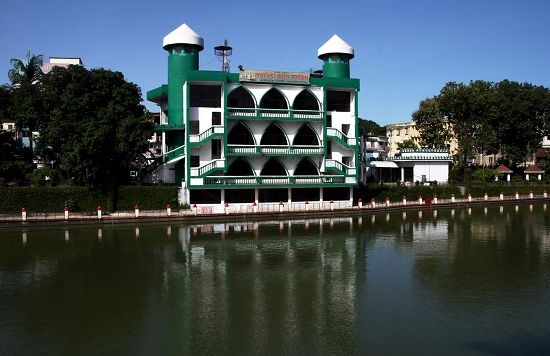
Located beside the historic Laldighi pond, the mosque once served as a center for prayer, learning, and community meetings. Its survival over centuries highlights the deep roots of Islamic culture in Barishal.
6. Floating Guava Market Area, Barishal
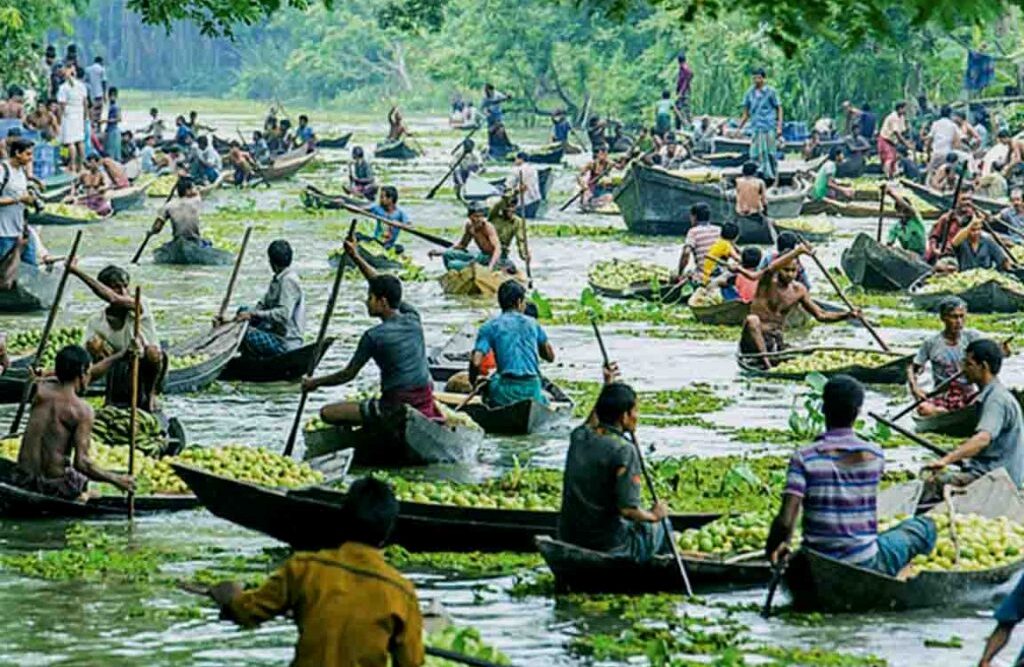
The floating guava market area is not a single structure, but it is one of the most historically significant trade systems in Barishal. For over a century, farmers have transported guava and other produce by boat through canals and rivers. This floating market represents the river-based economy that defined Barishal’s identity. Historically, it shows how people adapted trade and daily life to a water-dominated environment.
Why Barishal’s History Matters Barishal’s historical places are deeply connected to nature, religion, and community life. Unlike stone fortresses or royal capitals, these sites reflect everyday history—how ordinary people lived, worshipped, and worked. Preserving these places is essential, not only for cultural identity but also for understanding Bangladesh’s regional diversity. Barishal’s past reminds us that history does not only exist in famous capitals but also in quiet ponds, village mosques, and river routes.
Conclusion
In conclusion, exploring the historical places in Barishal Division offers travelers a unique opportunity to connect with Bangladesh’s rich heritage, culture, and architecture. From iconic landmarks to hidden gems, these sites provide an unforgettable journey into the past. Whether you are a history enthusiast, student, or cultural traveler, visiting the historical places in Barishal Division allows you to experience the region’s traditions, stories, and architectural marvels firsthand. Use our travel guides and tips to plan your visit effectively and make the most of your exploration of these remarkable historical places in Barishal Division.
Beautiful Barishal!