
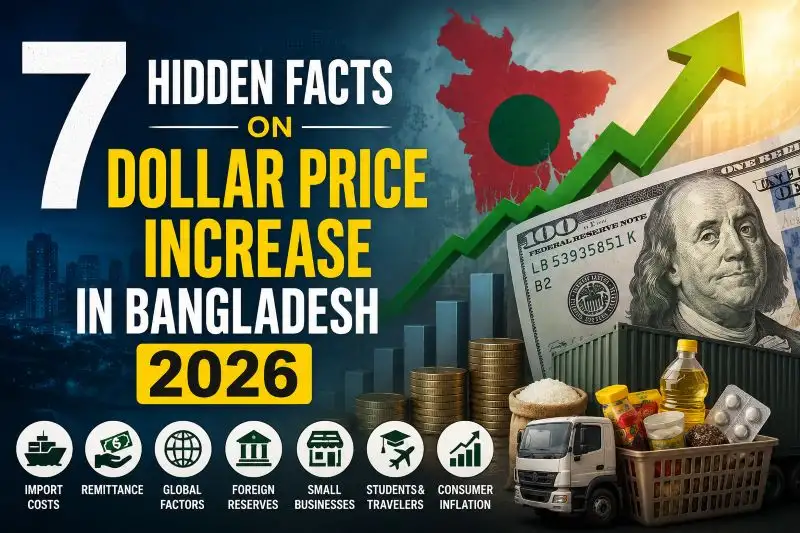
Discover the real reasons behind the Dollar Price Increase In Bangladesh. Explore 7 hidden facts on causes, economic impacts, and market trends.
Introduction: Dollar Price Increase In Bangladesh
The shifting value of the US dollar has emerged as a central economic focus across Bangladesh in 2026. From entrepreneurs managing supply chains and students preparing for overseas education to everyday citizens managing household budgets, the upward march of foreign exchange rates impacts almost every layer of daily life.
While the country has weathered multiple foreign exchange fluctuations recently, the current market dynamic demands closer attention. The growing strength of the dollar has directly accelerated import expenses, intensified domestic inflation, and increased the financial weight of international transactions. However, public discussions rarely touch upon the structural undercurrents steering this trend. Most people notice the rising prices at checkout counters, yet the underlying economic mechanisms remain largely unseen.
To truly understand where the economy is headed, we must look past the surface. This article uncovers 7 hidden factors driving the Dollar Price Increase In Bangladesh, breaks down the core structural reasons behind the current surge, and analyzes what these changes mean for the country’s immediate financial future.
By understanding these hidden economic pressures, local businesses and consumers can better prepare for the ongoing shifts in the financial landscape.
Understanding Dollar Price Increase In Bangladesh
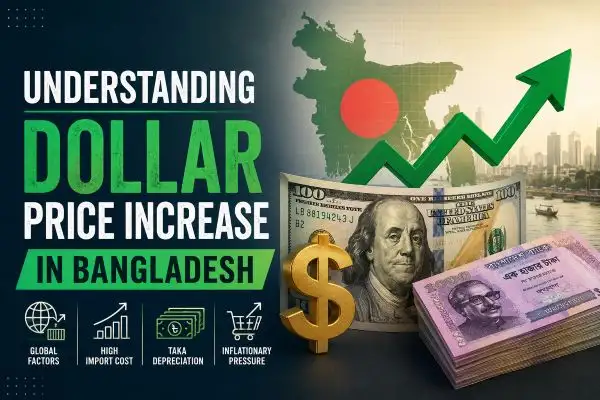
Before exploring the underlying structural causes, it is essential to grasp exactly what this monetary shift represents. The rising cost of foreign currency in the local market carries a direct domino effect on the domestic financial landscape.
Here is a breakdown of how the exchange rate works and why it matters:
- The Basic Concept: A dollar price increase simply means that the value of the US Dollar (USD) has strengthened against the Bangladeshi Taka (BDT). Consequently, individuals and commercial entities must spend a larger amount of local currency to acquire the exact same amount of foreign currency.
- A Practical Example: Imagine the standard exchange rate previously sat at 115 BDT for a single dollar. If market pressures push that rate up to 125 BDT or higher, purchasing goods from international sellers or clearing foreign invoices immediately demands more local capital.
- The Household Impact: When the Taka loses ground against the dollar, everyday expenses feel the weight. It triggers a rise in international airfares, elevates tuition fees for students studying at overseas universities, and increases global digital transaction costs.
- The Market Chain Reaction: Because Bangladesh relies on foreign markets for fuel, industrial raw materials, and consumer goods, a stronger dollar pushes up the baseline cost of importing these essentials. This directly drives up retail prices across local markets.
Fact 1: Import Dependency Plays a Bigger Role Than Most People Think
One of the lesser-known reasons behind the Dollar Price Increase In Bangladesh affecting everyday life is the country’s strong reliance on imported goods and raw materials. Although many people associate rising prices solely with local market manipulation, import dependency plays a major role in shaping the overall cost of living.
Key Imported Products That Influence the Economy
- Petroleum Products: Fuel imports directly affect transportation, electricity generation, and industrial operations. Higher dollar rates increase fuel costs nationwide.
- Industrial Machinery: Factories depend on imported machinery and spare parts to maintain production. Increased import expenses raise manufacturing costs.
- Wheat: Bangladesh imports a significant amount of wheat to meet domestic demand. A stronger dollar often leads to higher flour and bakery product prices.
- Edible Oil: Essential cooking oils are mostly sourced from abroad, making household food expenses sensitive to exchange rate fluctuations.
- Cotton and Textiles: The garment industry imports raw materials such as cotton, increasing production costs when the dollar becomes more expensive.
- Chemicals and Pharmaceuticals: Many industrial chemicals and pharmaceutical ingredients come from overseas markets and require dollar payments.
- Electronic Products: Smartphones, appliances, and electronic accessories become costlier due to increased import expenses.
Why This Matters
As businesses pay more for imports, they often transfer these additional costs to consumers. Therefore, Bangladesh’s dependence on imported goods is a major but often overlooked factor contributing to inflation and rising prices.

Fact 2: Remittance Growth Cannot Always Stabilize the Market
Many people believe that higher remittance inflows automatically stabilize Bangladesh’s currency market. While remittances are undoubtedly a vital source of foreign exchange, they do not always provide enough support to prevent the Dollar Price Increase In Bangladesh.
Every year, millions of Bangladeshi expatriate workers send billions of dollars back home. These funds contribute significantly to the country’s economy and help maintain financial stability. However, growing demand for US dollars can sometimes exceed the benefits generated by remittance earnings.
How Remittances Support the Economy
- Boost Foreign Currency Reserves: Remittance inflows increase the country’s stock of foreign exchange, improving its ability to meet international payment obligations.
- Support Exchange Rate Stability: A steady supply of dollars can reduce pressure on the Bangladeshi taka and help manage currency fluctuations.
- Strengthen Economic Confidence: Higher remittance earnings improve liquidity and support household spending across the country.
The Hidden Reality
Despite strong remittance growth, other financial pressures continue to rise. Increased import bills, repayment of foreign loans, and growing demand for overseas transactions often require large amounts of US dollars. As a result, the demand for dollars may outpace incoming remittances.
This imbalance creates additional pressure on the taka, proving that remittances alone cannot fully stabilize the foreign exchange market.
Fact 3: Global Economic Conditions Directly Affect Bangladesh
Many people assume that the Dollar Price Increase In Bangladesh is caused only by domestic issues such as local policies or market activities. However, the reality is much broader. Global economic developments often play a significant role in determining how the Bangladeshi taka performs against the US dollar.
Because Bangladesh is connected to international trade and financial systems, major events around the world can quickly influence the country’s exchange rate and economic stability.
Global Factors That Influence Dollar Prices
- Changes in US Interest Rates: When the United States raises interest rates, investors tend to move their money into dollar-based assets, increasing global demand for the US dollar.
- International Conflicts: Wars and geopolitical tensions create uncertainty in financial markets, encouraging investors to seek safer currencies like the dollar.
- Higher Energy Prices: Rising global oil and gas prices increase Bangladesh’s import expenses, requiring more dollars to meet payment obligations.
- Worldwide Inflation: Global inflation pushes up the prices of imported goods and raw materials, adding pressure on foreign currency demand.
- Supply Chain Disruptions: Delays in international shipping and production shortages can increase import costs and create market instability.
Why It Matters
During periods of global uncertainty, the US dollar is often viewed as a safe-haven currency. As worldwide demand for dollars grows, countries like Bangladesh face additional pressure on their local currency, contributing to exchange rate fluctuations and higher import costs.
Fact 4: Foreign Exchange Reserves Are More Important Than Headlines Suggest
When discussing the Dollar Price Increase In Bangladesh, many people pay attention only to the exchange rate displayed by banks and money exchange houses. However, one of the most important indicators of a country’s economic health is often overlooked—its foreign exchange reserves.
Foreign exchange reserves are the assets held by a country’s central bank in foreign currencies. These reserves act as a financial safety net and help Bangladesh meet its international obligations during periods of economic uncertainty.
Why Foreign Exchange Reserves Matter
- Financing Essential Imports: Reserves are used to pay for vital imports such as fuel, food grains, industrial raw materials, and medical supplies.
- Repaying External Debt: Bangladesh relies on these reserves to meet interest payments and repay foreign loans on time.
- Maintaining Financial Stability: Adequate reserves strengthen confidence in the country’s ability to manage economic challenges and external shocks.
- Managing Exchange Rate Pressure: The central bank can use reserves to reduce excessive volatility in the foreign exchange market.
The Hidden Reality
A decline in reserve levels can create concerns among investors, businesses, and financial institutions. Lower reserves may signal reduced economic flexibility and increase uncertainty about the strength of the Bangladeshi taka.
As confidence weakens, expectations of further dollar appreciation can grow, adding pressure to the currency market. Therefore, reserve levels are just as important as the daily exchange rate in understanding Bangladesh’s economic outlook.
Fact 5: Small Businesses Feel the Pressure First
The Dollar Price Increase In Bangladesh does not affect all businesses equally. While large corporations usually have stronger financial resources, better planning systems, and easier access to bank financing, small businesses often face the greatest challenges. For many entrepreneurs and local retailers, a rising dollar can quickly turn into a serious business threat.
Small enterprises typically operate with limited capital and narrower profit margins. As import-related costs rise, they have fewer options to absorb the additional expenses without affecting their operations.
Challenges Faced by Small Businesses
- Higher Import Expenses: Businesses that rely on imported products, raw materials, or equipment must pay more when the dollar appreciates.
- Reduced Profit Margins: Many small business owners hesitate to increase prices immediately, causing profits to shrink.
- Cash Flow Problems: Rising operating costs can create difficulties in managing daily expenses and maintaining inventory levels.
- Difficulty Adjusting Prices: Frequent price changes may discourage customers, making it challenging to remain competitive in the market.
The Real Impact
Even businesses that do not directly import goods are not immune to these effects. Suppliers, wholesalers, and distributors often transfer their increased costs throughout the supply chain. As a result, neighborhood shops, small manufacturers, and local entrepreneurs also experience financial pressure.
This hidden consequence highlights how fluctuations in the dollar can significantly influence the survival and growth of Bangladesh’s small business sector.
Fact 6: Students and Travelers Face Hidden Financial Burdens
The Dollar Price Increase In Bangladesh affects far more than businesses and importers. One of the most overlooked consequences is the financial burden placed on students pursuing education abroad and individuals who travel internationally. As the value of the US dollar rises, families must allocate significantly more money in Bangladeshi taka to cover the same expenses they managed in previous years.
For many middle-income households, this increase can disrupt long-term financial plans and make international opportunities more difficult to afford.
How Students Are Affected
- Higher Tuition Fees: Since most universities abroad charge fees in foreign currencies, students need more taka to pay the same tuition amount.
- Increased Living Costs: Expenses such as rent, food, transportation, and health insurance become costlier when converted from dollars.
- Rising Visa and Application Charges: Visa fees, test registrations, and university application costs often increase in local currency terms.
Challenges Faced by Travelers
- More Expensive Air Tickets: International flight costs generally rise as airlines adjust to currency fluctuations.
- Higher Accommodation Expenses: Hotel bookings and overseas lodging require larger travel budgets.
- Costlier International Transactions: Shopping, dining, and other payments abroad demand more taka due to the stronger dollar.
The Overlooked Consequence
As overseas education and international travel become increasingly expensive, families are forced to rethink their financial priorities. The rising dollar not only impacts immediate expenses but also influences future educational goals and global mobility plans.
Fact 7: Consumer Inflation Is Closely Linked to Dollar Movements
One of the most significant yet often overlooked realities behind the Dollar Price Increase In Bangladesh is its direct link to everyday inflation. When the US dollar becomes more expensive, it does not only affect banks or importers—it ultimately impacts the daily expenses of ordinary consumers across the country.
Because Bangladesh depends heavily on imported goods and raw materials, changes in the exchange rate quickly influence production and retail markets. As the dollar rises, the cost of importing essential items increases, which creates a ripple effect throughout the economy.
How Rising Dollar Prices Increase Inflation
- Higher Import Costs: Businesses must pay more in taka for the same imported goods and raw materials.
- Increased Production Expenses: Factories face higher costs for energy, machinery parts, and imported ingredients.
- Rising Transportation Costs: Fuel price increases raise the cost of moving goods across the country.
- Retail Price Inflation: Shops and markets adjust prices to maintain profitability.
Essential Goods Affected
- Cooking oil
- Wheat and flour
- Electronic products
- Fuel and gas
- Medicines and healthcare products
- Household essentials
Why Consumers Should Pay Attention
The impact of the dollar is not limited to economic reports or financial charts. It directly affects household budgets, savings, and purchasing power. As prices rise, families may need to adjust their spending habits and prioritize essential needs more carefully.
This makes the Dollar Price Increase In Bangladesh a crucial issue for every consumer in the country.
How the Dollar Price Increase Affects Different Sectors
The rising value of the foreign currency creates distinct ripple effects across various segments of the national economy. Rather than hitting every industry equally, it reshapes operational costs, profit margins, and daily household budgets in unique ways.
Here is a breakdown of how the rising currency values reshape different industries:
- The Household Level: Everyday families bear the final weight of this economic cycle. As the cost of imported commodities climbs, household budgets stretch thin trying to cover essential daily goods, utilities, and services.
- The Import Sector: Sourcing goods from overseas becomes significantly more capital-intensive. Importers are forced to pay higher procurement prices to clear shipments, which ultimately compels them to adjust their final wholesale and retail pricing models to survive.
- The Export Sector: On the surface, a stronger foreign currency increases local competitive advantages and boosts earnings when converted back to domestic currency. However, because many exporters rely heavily on imported components, rising input costs frequently absorb a large portion of these gains.
- The Banking Sector: Financial institutions face the complex task of balancing foreign exchange exposure and managing daily liquidity. Banks must carefully navigate tighter credit environments and volatile currency reserves to minimize institutional risk.
- The Manufacturing Sector: Local industries dependent on foreign raw materials face immediate production bottlenecks. Spiraling material overhead and delayed procurement schedules create severe structural challenges on the factory floor.
What Can Individuals Do?
While individuals cannot control exchange rates, they can adapt through smarter financial planning.
Practical strategies include:
- Creating emergency savings.
- Avoiding unnecessary foreign currency expenses.
- Comparing prices before making major purchases.
- Managing debt carefully.
- Diversifying income sources where possible.
Financial awareness becomes increasingly valuable during periods of exchange rate volatility.
The Future Outlook
The future of the Dollar Price Increase In Bangladesh will depend on several factors:
- Global economic trends
- Export performance
- Remittance growth
- Reserve management
- Monetary policies
- Import demand
Although short-term fluctuations are likely, long-term stability will depend on effective economic management and structural reforms.
Conclusion
The shifting value of foreign currency across the local market represents far more than just fluctuating numbers displayed on bank tracking boards or at currency exchange counters. Beneath the surface-level financial headlines lies a network of interconnected realities—ranging from evolving import frameworks and changing remittance channels to global reserve management, small-enterprise survival, overseas tuition costs, and everyday consumer inflation.
Gaining insight into the deeper structural forces driving these shifts empowers both individual households and business entities to make highly informed, proactive financial choices. As the national economy continuously adapts to modern challenges and fresh opportunities, maintaining a high level of economic awareness and long-term preparedness becomes a necessity rather than an option.
Rather than interpreting the strengthening foreign currency strictly as a hurdle, it is far more productive to view this period as a critical wake-up call. It highlights the urgent need for domestic economic resilience, broader financial diversification, and data-driven decision-making. In a deeply integrated global marketplace, adapting to these monetary shifts ensures that local businesses and consumers can shield their capital, discover new cross-border revenue streams, and build a more stable financial foundation for the future.