
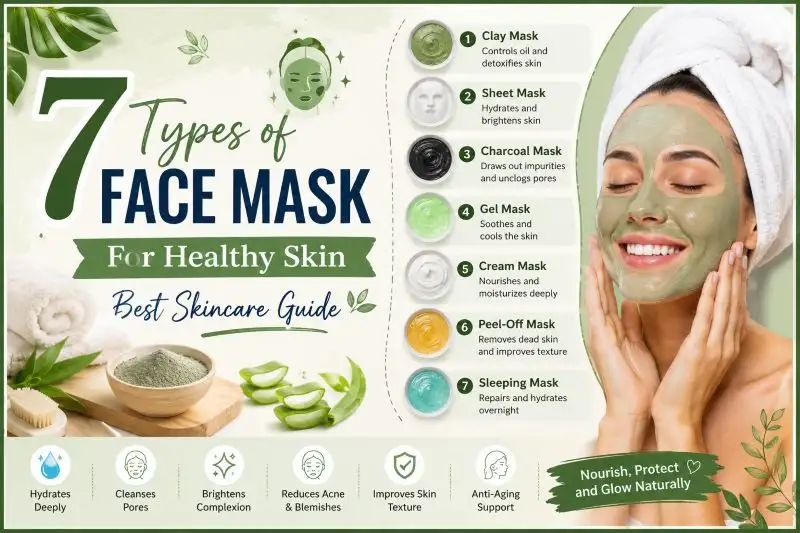
Discover 7 types of Face Mask for healthy skin. Learn benefits, uses, and choose the best face mask for your glowing skincare routine.
Introduction: 7 Types of Face Mask For Healthy Skin
Healthy, glowing skin does not happen by chance. While daily cleansing is important, maintaining beautiful skin usually requires a complete skincare routine that includes cleansing, moisturizing, sun protection, and specialized treatments. One of the most effective additions to any skincare regimen is a Face Mask For Healthy Skin. Face masks are designed to deliver concentrated ingredients that target specific skin concerns and provide benefits beyond what regular skincare products can offer.
Modern face masks come in a variety of formulas to suit different skin needs. Some are created to deeply hydrate dry skin, while others help absorb excess oil, unclog pores, calm irritation, or improve skin texture. Because these treatments remain on the skin for a longer period, beneficial ingredients have more time to work effectively and support overall skin health.
No matter your skin type, there is likely a face mask that can help enhance your complexion. Whether your goal is to achieve a brighter appearance, reduce breakouts, improve hydration, or minimize signs of aging, choosing the right mask can make a noticeable difference. Understanding the unique benefits of each type of face mask is essential for achieving the best results. In this guide, you will learn about seven popular face masks, their advantages, and how to select the ideal Face Mask For Healthy Skin based on your individual skincare needs.
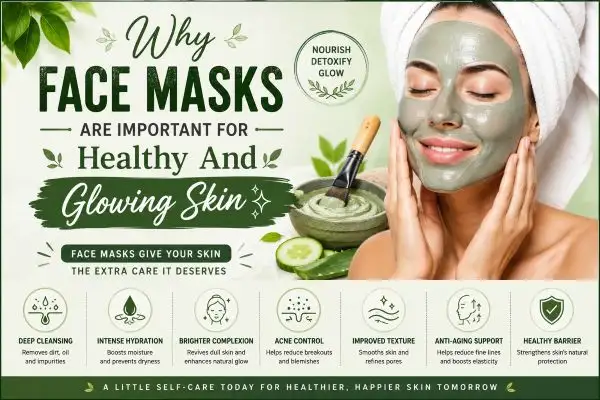
Why Face Masks Are Important for Healthy And Glowing Skin
Face masks play an important role in modern skincare because they provide intensive care that everyday cleansers and moisturizers may not offer. Unlike products that are quickly rinsed away or absorbed, face masks stay on the skin for a longer period, allowing beneficial ingredients to work more effectively. Whether your goal is hydration, oil control, or skin rejuvenation, using a Face Mask For Healthy Skin can help support healthier and more radiant skin.
- Deep Pore Cleansing:Face masks help remove dirt, impurities, and buildup from pores, leaving the skin feeling cleaner and fresher.
- Controls Excess Oil:Many masks, especially clay and charcoal varieties, absorb excess sebum and help reduce unwanted shine.
- Boosts Hydration:Hydrating masks deliver moisture directly to the skin, helping combat dryness and improving skin softness.
- Enhances Skin Brightness: Ingredients such as vitamin C and natural extracts can help improve dull-looking skin and promote a healthier glow.
- Helps Reduce Acne and Blemishes: Certain face masks contain ingredients that help minimize breakouts and support clearer-looking skin.
- Improves Skin Texture: Regular use can help smooth rough areas and create a softer, more even complexion.
- Supports Anti-Aging Care:Many masks contain antioxidants and nourishing compounds that help reduce the appearance of fine lines and wrinkles.
- Promotes Skin Elasticity: Some formulas support firmer, more resilient skin by improving moisture retention and skin health.
When used consistently, a Face Mask For Healthy Skin can become an effective addition to a well-balanced skincare routine.
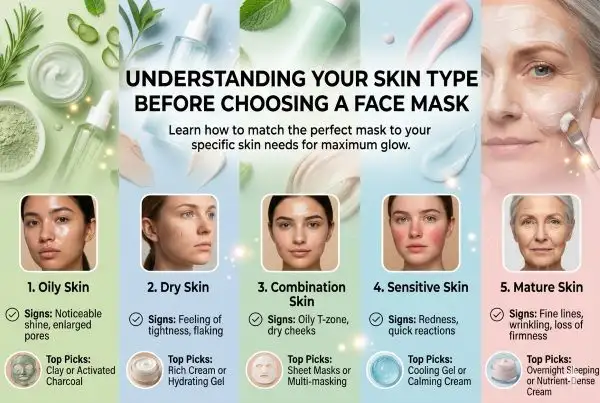
Understanding Your Skin Type Before Choosing a Face Mask
Selecting the right facial treatment requires a clear understanding of your unique skin needs. Using the wrong formula can lead to irritation, while the correct choice maximizes your glow.
1. Oily Skin
- Signs: Noticeable shine, visibly enlarged pores, and a tendency to break out.
- Top Picks: Clay or activated charcoal masks work best to draw out deep-seated impurities and absorb excess sebum (oil).
2. Dry Skin
- Signs: A persistent feeling of tightness, rough patches, or visible flaking.
- Top Picks: Rich cream masks or deeply hydrating gel formulas restore lost moisture and rebuild the skin barrier.
3. Combination Skin
- Signs: An oily forehead, nose, and chin (the T-zone) paired with dry, dehydrated cheeks.
- Top Picks: Sheet masks provide balanced hydration, or you can try multi-masking—applying different formulas to target specific zones simultaneously.
4. Sensitive Skin
- Signs: Frequent redness, blotchiness, and quick allergic reactions to harsh products.
- Top Picks: Cooling gel masks or gentle cream bases infused with calming, anti-inflammatory botanical extracts.
5. Mature Skin
- Signs: Prominent fine lines, subtle wrinkling, and a noticeable loss of firmness.
- Top Picks: Overnight sleeping masks or nutrient-dense cream treatments that support cellular repair and elasticity.
1. Clay Face Mask
Clay face masks are a popular skincare treatment, especially for people who experience oily skin or frequent breakouts. These masks are formulated with natural mineral-rich clays that help draw out impurities, excess oil, and dirt from the skin’s surface. Common ingredients found in clay masks include kaolin clay, bentonite clay, and French green clay, each known for its cleansing and oil-absorbing properties. Regular use can leave the skin looking fresher, cleaner, and more balanced.
Benefits of Clay Face Masks
- Deep Cleansing: Helps remove dirt, pollutants, and buildup trapped inside pores.
- Controls Excess Oil: Absorbs excess sebum, reducing unwanted shine throughout the day.
- Supports Clearer Skin: Helps minimize the appearance of acne and blemishes.
- Refines Pores: Can make pores appear smaller and less noticeable.
- Detoxifies the Skin: Draws out impurities and leaves the skin feeling refreshed.
Best For
- Oily skin
- Acne-prone skin
- Combination skin
How to Use
Apply an even, thin layer to clean skin while avoiding the eye area. Leave the mask on for approximately 10 to 15 minutes or as directed on the product label. Rinse thoroughly with lukewarm water and follow with a moisturizer.
Using a clay Face Mask For Healthy Skin once or twice each week can help maintain a cleaner, smoother, and healthier-looking complexion.

2. Sheet Face Mask
Sheet face masks have become a favorite skincare product because they are simple to use and deliver quick results. These masks are made from thin sheets of fabric, cotton, or bio-cellulose that are saturated with concentrated serums. The serum contains beneficial ingredients that help nourish and hydrate the skin while the sheet helps lock in moisture for better absorption. Popular ingredients found in sheet masks include hyaluronic acid, vitamin C, niacinamide, and aloe vera, all of which support healthier-looking skin.
Benefits of Sheet Face Masks
- Provides Deep Hydration: Helps replenish moisture and prevent dryness.
- Enhances Skin Brightness: Promotes a fresher and more radiant complexion.
- Enhances Texture: Smooths out rough patches for a softer, healthier skin feel.
- Fast-Acting Nourishment: Feeds your skin essential nutrients on a time-crunch.
Best For
- Dry skin
- Dull or tired-looking skin
- Sensitive skin
How to Use
Start with a clean face and carefully place the sheet mask over your skin. Leave the treatment on for a duration of 15 to 20 minutes, followed by a gentle removal. Pat the remaining serum into the skin until fully absorbed.
A sheet Face Mask For Healthy Skin is an excellent choice when you need a fast hydration boost and a healthy, glowing appearance.
3. Charcoal Face Mask
Charcoal face masks are widely used for deep cleansing and skin purification. Activated charcoal works like a natural magnet that pulls out dirt, oil, and impurities trapped inside pores, helping the skin feel fresh and clean.
Benefits of Charcoal Face Masks
- Deep detoxification of skin
- Helps reduce blackheads
- Controls excess oil production
- Leaves pores cleaner and clearer
Best For
- Oily skin
- Acne-prone skin
- Congested or dull skin
How to Use
Apply a thin, even layer to clean skin and avoid the eye area. Leave it on for 10–15 minutes until it dries, then rinse thoroughly with lukewarm water and apply moisturizer.
Regular use of a charcoal Face Mask For Healthy Skin can help refresh the skin, remove buildup, and restore a healthier, more balanced appearance.
Tip: Avoid overusing charcoal masks, as using them too often may dry out the skin and cause irritation for sensitive skin types.
4. Gel Face Mask
Gel face masks are refreshing skincare treatments known for their lightweight texture and cooling effect on the skin. They are specially formulated to calm irritation while providing deep hydration. These masks are often enriched with soothing natural ingredients such as aloe vera, cucumber extract, green tea, and chamomile, which help maintain healthy and balanced skin.
Benefits of Gel Face Masks
- Intense Hydration: Helps restore moisture without feeling heavy on the skin
- Cooling Effect: Provides an instant soothing sensation, especially for irritated skin
- Reduces Redness: Helps calm inflamed or sensitive areas
- Soothes Skin: Supports overall skin comfort and relaxation
Best For
- Sensitive skin
- Dry skin
- Sun-exposed or irritated skin
How to Use
Apply a smooth, generous layer of the gel mask on clean skin. Leave it on for the time recommended on the product packaging, then gently rinse off or massage in the remaining product if it is an overnight formula.
A gel Face Mask For Healthy Skin is especially beneficial during hot weather or after sun exposure, helping the skin feel cool, calm, and refreshed while maintaining natural hydration.
5. Cream Face Mask
Cream masks are rich and nourishing treatments designed to replenish moisture.
They contain moisturizing ingredients like:
- Shea butter
- Ceramides
- Natural oils
- Hyaluronic acid
Benefits of Cream Masks
- Intensive hydration
- Improved skin softness
- Reduced dryness
- Better skin barrier support
Best For
- Dry skin
- Mature skin
- Sensitive skin
How to Use
Apply evenly and leave for 15–20 minutes before removing.
A cream Face Mask For Healthy Skin helps restore comfort and hydration to dehydrated skin.
6. Peel-Off Face Mask
Peel-off masks form a thin film over the skin and are removed by peeling.
They are often formulated with:
- Fruit extracts
- Charcoal
- Vitamins
Benefits of Peel-Off Masks
- Removal of dead skin cells
- Temporary pore refinement
- Improved smoothness
- Enhanced glow
Best For
- Normal skin
- Combination skin
How to Use
Apply a thin layer and allow it to dry completely before peeling gently.
A peel-off Face Mask For Healthy Skin can leave skin feeling smoother and refreshed.
7. Sleeping Face Mask
Sleeping masks are overnight treatments that work while you sleep.
These masks are packed with nourishing ingredients that support skin repair and hydration.
Common ingredients include:
- Hyaluronic acid
- Peptides
- Ceramides
- Antioxidants
Benefits of Sleeping Masks
- Overnight hydration
- Enhanced skin repair
- Improved elasticity
- Morning glow
Best For
- Dry skin
- Mature skin
- Dull skin
How to Use
Apply as the final step of your nighttime skincare routine and leave on overnight.
A sleeping Face Mask For Healthy Skin provides long-lasting nourishment and rejuvenation.
Natural Homemade Face Masks
Many people prefer using natural ingredients at home to create effective and budget-friendly skincare treatments. Homemade masks are simple to prepare and can help improve skin health when used correctly. They are often made with fresh, natural ingredients that provide gentle care for different skin concerns.
Honey Mask
- Benefits: Provides natural hydration and has antibacterial properties that help keep skin clean and soft.
Yogurt Mask
- Benefits: Offers gentle exfoliation and helps make the skin smoother and softer due to natural lactic acid.
Oatmeal Mask
- Benefits: Soothes irritated skin, reduces redness, and provides calming effects for sensitive skin types.
Banana Mask
- Benefits: Nourishes the skin deeply and helps improve moisture levels for a healthy glow.
Homemade Face Mask For Healthy Skin treatments can be a great addition to a skincare routine when used carefully. They support natural nourishment, but it is important to choose ingredients based on your skin type and always do a patch test before applying them to the face.
Tips for Getting the Best Results from Face Masks
To maximize benefits, follow these simple guidelines:
- Cleanse First: Always start with a clean face.
- Follow Instructions:Avoid leaving masks on longer than recommended.
- Moisturize Afterwards: Lock in hydration with a suitable moisturizer.
- Use Regularly: Consistency is key to achieving visible results.
- Patch Test New Products: Test new masks on a small area to avoid allergic reactions.
Common Mistakes to Avoid
Many people unknowingly reduce the effectiveness of face masks.
Avoid these mistakes:
- Using masks too frequently
- Selecting a formula that is incompatible with your specific skin type
- Skipping moisturizer afterward
- Applying masks on dirty skin
- Ignoring ingredient labels
Proper usage ensures your Face Mask For Healthy Skin delivers the desired results.
How Often Should You Use a Face Mask?
How regularly you should apply a facial treatment depends entirely on your unique skin profile and the specific product you choose. Striking the right balance ensures you maximize the nourishing rewards without stripping your skin barrier.
Application Guide by Skin Type
- Oily Complexions: Target excess sebum and shine by applying a clarifying treatment 1 to 3 times a week.
- Dry Profiles: Prevent dehydration and flakiness by sticking to a nourishing routine 1 or 2 times weekly.
- Sensitive Skin: Protect your delicate barrier from flare-ups by limiting use to just once a week.
Application Guide by Mask Variety
- Sheet Masks: These lightweight, serum-soaked sheets are safe to enjoy 2 to 3 times weekly for a hydration boost.
- Sleeping Masks: Designed for deep overnight repair, these formulas can be applied 2 to 4 times a week as a night cream alternative.
Adopting a steady, balanced routine delivers glowing results while keeping irritation at bay.
Conclusion
Adding a Face Mask For Healthy Skin to your regular skincare routine can significantly improve the overall appearance and condition of your skin. Face masks are designed to address specific concerns, which is why choosing the right one for your skin type is essential. Whether your goal is to increase hydration, reduce excess oil, calm sensitivity, or achieve a brighter complexion, there is a face mask that can help support those needs.
Each type of face mask offers unique advantages. Clay masks are excellent for absorbing excess oil and helping to keep pores clear. Charcoal masks work to remove impurities and refresh congested skin. Sheet masks excel at flooding the skin with concentrated hydration and nourishment, whereas gel masks are designed to provide a lightweight, cooling sensation that relieves inflammation. Cream masks are ideal for restoring moisture to dry skin, peel-off masks help improve skin texture and smoothness, and sleeping masks offer deep overnight hydration and recovery.
The key to achieving the best results is consistency and proper application. Using face masks as part of a balanced skincare routine can help maintain healthier-looking skin over time. Combined with regular cleansing, moisturizing, and sun protection, the right Face Mask For Healthy Skin can contribute to a smoother, fresher, and more radiant complexion. Investing in products that suit your individual skin needs is an important step toward long-term skin wellness and confidence.
FAQ – Face Mask For Healthy & Glowing Skin
1. How often should I use a Face Mask For Healthy Skin?
The ideal frequency depends on your skin type and the type of mask you use. Most people benefit from applying a face mask one to three times per week. Overusing masks may cause irritation, especially for sensitive skin.
2. Can face masks help with acne?
Yes, certain face masks can support acne-prone skin. Clay and charcoal masks are commonly used to absorb excess oil and help keep pores cleaner, which may reduce the appearance of breakouts.
3. Which face mask is best for dry skin?
Hydrating options such as cream masks, gel masks, and sheet masks are often suitable for dry skin. These masks help replenish moisture and improve skin softness.
4. Should I apply moisturizer after using a face mask?
Yes, applying a moisturizer after removing a face mask can help lock in hydration and maintain a healthy skin barrier.
5. Are natural face masks safe for all skin types?
Natural ingredients can be beneficial, but they may still cause irritation for some individuals. To safeguard against adverse reactions, always conduct a localized patch test prior to full application of any unfamiliar or homemade skincare formula.
6. Can face masks replace a daily skincare routine?
No. Face masks work best as a supplement to regular cleansing, moisturizing, and sun protection rather than a replacement for daily skincare.