
Discover 7 easy Gardening tips to create a healthy home garden. Learn simple methods to grow plants, improve soil, and keep your Gardening fresh daily.
Introduction: Gardening Tips for a Healthy Home Garden
Gardening is more than just a hobby—it’s a rewarding lifestyle that adds beauty, relaxation, and fresh, healthy produce to your everyday life. In today’s busy world, many people are turning to Gardening as a simple way to reconnect with nature and create a peaceful environment at home. Whether you live in a small apartment with a balcony or own a spacious backyard, Gardening has the power to transform any space into a refreshing green oasis filled with life and color.
One of the best things about Gardening is that it doesn’t require expert knowledge to get started. With the right approach, a little patience, and consistent care, anyone can grow healthy plants and enjoy the process. From choosing the right plants to maintaining soil quality and proper watering, small steps can make a big difference in your garden’s success.
In this comprehensive guide, you’ll discover 7 easy Gardening tips that will help you build, grow, and maintain a healthy home garden. Even if you are a complete beginner, these practical tips will guide you toward creating a thriving and beautiful green space.
Why Gardening is Important for a Healthy Lifestyle
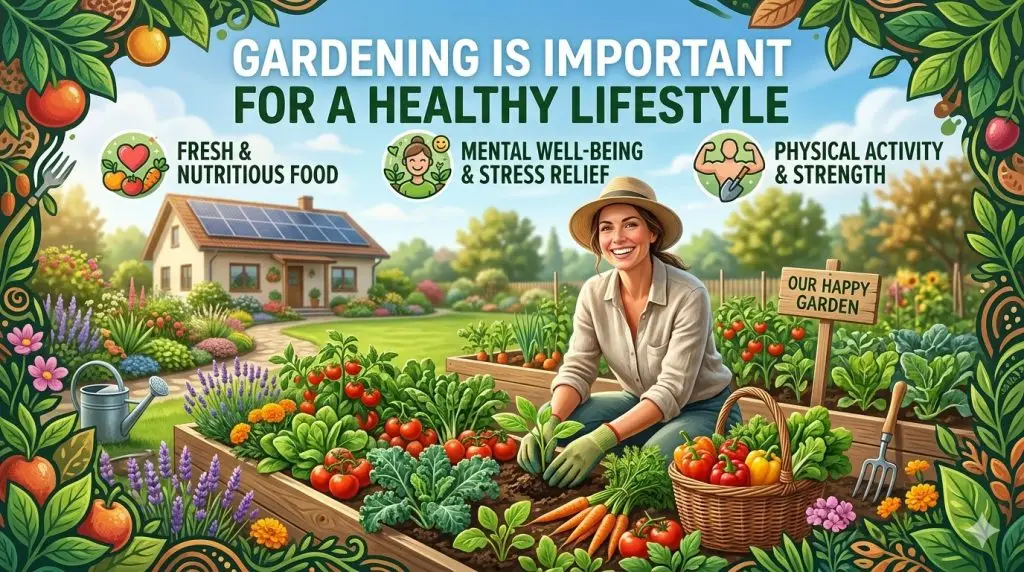
Gardening plays an important role in creating a healthier and more balanced lifestyle. It is not just about growing plants; it is also about improving your overall well-being. Spending time in your garden allows you to stay physically active through simple tasks like digging, planting, and watering. These activities help improve fitness, boost energy levels, and support a more active daily routine. At the same time, Gardening has powerful mental health benefits. It reduces stress, calms the mind, and enhances mood by connecting you with nature. The sense of achievement you feel when your plants grow and thrive adds to your confidence and happiness.
Another major advantage of Gardening is access to fresh and chemical-free food. By growing your own vegetables, fruits, and herbs, you can ensure healthier meals for your family while saving money. In addition, Gardening contributes positively to the environment. Plants help purify the air, support pollinators like bees and butterflies, and promote biodiversity. It helps lower your environmental impact by reducing reliance on commercially transported produce. Overall, Gardening is a simple yet effective way to live a healthier, more sustainable, and fulfilling life.
1. Choose the Right Plants for Your Space
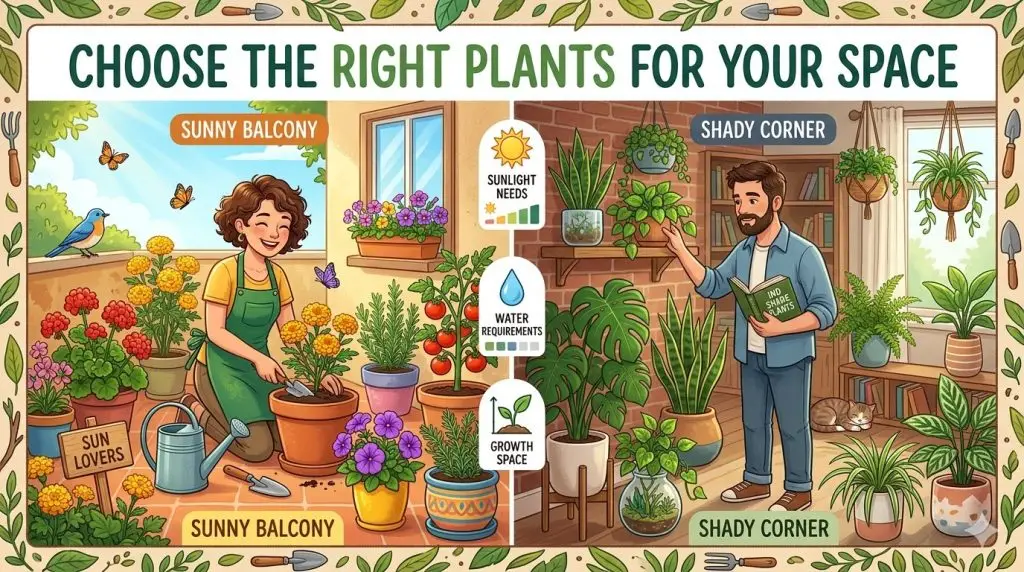
One of the most important Gardening tips is selecting plants that suit your environment. Not all plants grow well in every condition, so it’s essential to understand your space.
Consider These Factors:
- Sunlight: Observe how much sunlight your garden receives daily.
- Climate: Choose plants that thrive in your local weather conditions.
- Space: Use compact plants for small areas like balconies.
Beginner-Friendly Plants:
- Tomatoes
- Spinach
- Mint
- Chili peppers
- Aloe vera
Starting with easy-to-grow plants increases your chances of success and builds confidence in your Gardening journey.
2. Use High-Quality Soil
High-quality soil plays a vital role in successful gardening. It provides plants with essential nutrients, proper drainage, and strong root support needed for healthy growth. Good soil also helps retain moisture while allowing excess water to drain away, preventing root damage. When the soil is rich in organic matter, it improves fertility and creates a better environment for beneficial microorganisms. These microorganisms help break down nutrients that plants can easily absorb. By choosing fertile, well-balanced soil, gardeners can encourage stronger plants, greener leaves, and better flowering or harvest. Investing in quality soil is one of the most important steps toward a thriving and productive garden.
Tips for Better Soil:
- Use organic compost to enrich nutrients: Add natural compost to boost soil fertility and promote healthy plant growth.
- Ensure proper drainage to prevent root rot: Make sure soil drains well to keep roots healthy and avoid waterlogging.
- Mix garden soil with coco peat or sand for balance: Combine soil with coco peat or sand to improve texture and retain moisture.
You can also create your own compost at home using kitchen waste like vegetable peels and eggshells. This not only improves soil quality but also reduces waste.

3. Water Plants Properly
Watering plants correctly is an essential part of successful gardening. Many beginners make the mistake of giving plants too much or too little water, which can harm their growth. Overwatering can cause root rot and weaken the plant, while underwatering can make plants dry and unhealthy. The best approach is to water plants according to their specific needs and check the soil moisture regularly. Most plants grow well when the soil remains slightly moist but not soggy. Watering at the right time and in the right amount helps plants develop strong roots and healthy leaves.
Best Watering Practices for Plants:
- Water early in the morning: Watering during cooler hours helps plants absorb moisture properly and reduces quick evaporation.
- Avoid watering leaves to prevent diseases: Direct water to the soil around the roots to keep leaves dry and reduce the risk of fungal infections.
- Check soil moisture before watering: Always feel the soil first to ensure plants receive water only when the soil begins to dry.
Different plants have different water needs, so always adjust your watering routine accordingly.
4. Ensure Adequate Sunlight
Ensuring adequate sunlight is essential for healthy plant growth. Sunlight provides the energy plants need to carry out photosynthesis, the process that helps them produce food and grow properly. When plants receive enough light, they develop strong stems, vibrant leaves, and better flowers or fruits. On the other hand, plants that lack sufficient sunlight often become weak, pale, and slow-growing. Different plants require different amounts of sunlight, so it is important to place them in suitable locations. By giving plants the right amount of natural light, gardeners can promote stronger growth and maintain a healthy, thriving garden.
Sunlight Tips for Healthy Plants:
- Most vegetables need 6–8 hours of sunlight daily: Many vegetables grow best when they receive several hours of direct sunlight each day for strong development.
- Place indoor plants near windows or balconies: Keeping indoor plants close to natural light sources helps them get enough sunlight for healthy growth.
- Rotate pots regularly for even growth: Turning plant pots from time to time helps all sides receive sunlight and grow evenly.
If your space lacks sunlight, consider using grow lights as an alternative.
5. Practice Regular Pruning and Maintenance
Regular pruning and maintenance are important practices for keeping plants healthy and encouraging better growth. Pruning involves trimming away dead, damaged, or overgrown branches so the plant can focus its energy on new and stronger growth. It also improves air circulation and allows more sunlight to reach different parts of the plant. Regular maintenance, such as removing weeds and checking for pests, helps protect plants from diseases and damage. When done properly, pruning keeps plants neat, promotes fuller growth, and improves flowering or fruit production, making the garden look more attractive and well cared for.
Benefits of Pruning Plants:
- Removes dead or damaged leaves: Cutting off unhealthy leaves helps the plant stay clean and focus energy on healthy parts.
- Encourages new growth: Pruning stimulates the plant to produce fresh shoots and stronger branches.
- Improves air circulation: Trimming dense areas allows better airflow around the plant, reducing the chance of diseases.
Regularly check your plants for pests, yellow leaves, or diseases. Early detection can save your garden from major problems.
6. Control Pests Naturally
Controlling pests naturally is an effective way to protect plants while keeping the garden safe and eco-friendly. Pests can quickly damage leaves, stems, and roots if they are not managed in time. Instead of relying on harsh chemical pesticides, gardeners can use natural solutions that are safer for plants, people, and the environment. Methods such as using neem oil, introducing beneficial insects, or spraying mild soap solutions can help reduce pest problems. Regularly checking plants for early signs of pests also helps prevent serious damage. Natural pest control keeps the garden healthy while maintaining a balanced ecosystem.
Natural Pest Control Tips:
- Use neem oil spray: Spraying neem oil helps keep insects away without harming plants or the environment.
- Plant pest-repelling herbs like basil and marigold: Growing certain herbs nearby can naturally deter harmful pests from your garden.
- Remove pests by hand when possible: Manually picking off insects prevents infestations and reduces the need for chemicals.
Maintaining a clean garden and healthy plants reduces the chances of pest infestations.
7. Stay Consistent and Patient
Gardening requires time, patience, and consistency. Plants don’t grow overnight, and each garden has its own pace.
Tips for Consistent Gardening:
- Set a daily or weekly gardening routine: Regularly scheduled care helps plants thrive and keeps the garden well-maintained.
- Keep a journal to track plant growth: Recording observations allows you to monitor progress and notice changes over time.
- Learn from mistakes and improve gradually: Analyzing errors helps refine gardening techniques for healthier plants and better results.
Remember, Gardening is a journey, not a race. Take pleasure in gardening and appreciate even the small achievements as your plants grow.
Bonus Tips for a Thriving Home Garden
To take your Gardening to the next level, consider these additional tips:
- 🌿 Use Organic Fertilizers: Organic fertilizers enrich the soil naturally, supplying essential nutrients that promote healthy plant growth. Unlike chemical fertilizers, they improve soil structure, boost microbial activity, and support long-term fertility, all while being safe for the environment and your garden ecosystem.
- 🌿 Try Vertical Gardening:Vertical gardening is ideal for small spaces, allowing you to grow more plants in limited areas. Using wall-mounted planters, hanging pots, or trellises maximizes space, improves air circulation, and creates an attractive, productive garden even in balconies or compact yards.
- 🌿 Grow Seasonal Plants: Planting seasonal crops ensures plants receive optimal sunlight, temperature, and rainfall for their growth. Seasonal planting improves germination, enhances resistance to pests, and increases yields. It also helps maintain soil health and allows gardeners to enjoy fresh, timely produce.
- 🌿 Mulching: Applying mulch around plants helps retain soil moisture, keeping roots hydrated during dry periods. It suppresses weed growth, reduces soil erosion, and gradually enriches the soil as it decomposes. Mulching also moderates soil temperature for healthier plant development.
Common Gardening Mistakes to Avoid
Even experienced gardeners make mistakes. Here are some common ones to watch out for:
- Overwatering plants
- Using poor-quality soil
- Ignoring sunlight requirements
- Planting too close together
- Neglecting pest control
Steering clear of common gardening mistakes helps ensure your plants thrive and your garden remains healthy. By learning proper techniques, paying attention to watering, sunlight, and soil care, and maintaining consistent routines, you can enjoy a more rewarding, stress-free gardening experience while watching your plants grow beautifully and steadily.
Tools You Need for Gardening
Having the right tools is essential for making gardening easier, more enjoyable, and efficient. Proper tools allow you to plant, water, prune, and maintain your garden with less effort and better results. Basic tools like a hand trowel, watering can, pruning scissors, garden gloves, and pots help you care for plants effectively. They save time, protect your hands, and ensure tasks are done correctly. Investing in quality gardening tools not only improves your gardening experience but also promotes healthier plants and a more productive, thriving garden overall.
Basic Gardening Tools:
- Hand trowel: A small, pointed tool used for digging, planting, and moving soil easily.
- Watering can: A container with a spout to water plants gently and evenly.
- Pruning scissors: Sharp scissors designed to trim branches, stems, and dead leaves precisely.
- Garden gloves: Protect your hands from dirt, thorns, and injuries while working in the garden.
- Pots and containers: Used for planting and growing flowers, herbs, or vegetables in limited spaces.
You don’t need expensive equipment to start—just the basics will do.
Indoor vs Outdoor Gardening
Both indoor and outdoor Gardening have their advantages.
Indoor Gardening:
- Ideal for small spaces
- Protects plants from harsh weather
- Requires less maintenance
Outdoor Gardening:
- More space for plant growth
- Better sunlight exposure
- Suitable for growing fruits and vegetables
Choose the type that fits your lifestyle and available space.
Gardening for Beginners: Step-by-Step Plan
If you’re new to Gardening, follow this simple plan:
- Choose a small space
- Select easy plants
- Prepare quality soil
- Plant seeds or seedlings
- Water regularly
- Provide sunlight
- Monitor growth
This step-by-step approach makes Gardening simple and stress-free.
Health Benefits of Gardening
Gardening offers numerous health benefits beyond simply growing plants. It provides moderate physical exercise, which strengthens muscles, improves flexibility, and boosts cardiovascular health. Spending time outdoors in fresh air and sunlight increases vitamin D levels, enhances mood, and reduces stress and anxiety. Gardening also stimulates the mind by encouraging planning, problem-solving, and creativity. Tending to plants can be therapeutic, promoting relaxation and mindfulness. Additionally, growing your own fruits and vegetables ensures access to fresh, nutritious produce, supporting a healthier diet. Overall, gardening nurtures both body and mind, making it a rewarding, holistic activity.
Physical Benefits:
- Improves fitness
- Encourages outdoor activity
- Boosts immunity
Mental Benefits:
- Reduces stress and anxiety
- Enhances creativity
- Promotes relaxation
Spending time in your garden can greatly improve your overall well-being.
Sustainable Gardening Practices
Sustainable gardening focuses on growing plants in ways that are environmentally friendly and resource-efficient. By using natural fertilizers, conserving water, and avoiding harmful chemicals, gardeners can maintain healthy plants while protecting the soil, air, and local ecosystem. This approach not only nurtures a thriving garden but also supports long-term environmental sustainability.
Eco-Friendly Tips:
- Use rainwater for irrigation: Collecting and using rainwater reduces water waste and supports eco-friendly gardening.
- Avoid chemical pesticides: Opt for natural pest control to protect plants, soil, and beneficial insects.
- Recycle garden waste: Compost leaves, trimmings, and plant debris to enrich soil and reduce landfill waste.
- Grow native plants: Planting local species conserves water, supports wildlife, and thrives naturally in your garden.
Implementing these gardening habits supports the environment, promotes sustainability, and helps create a healthier, greener planet for future generations.
Conclusion
Gardening is a simple yet powerful way to enhance your lifestyle, boost your health, and contribute positively to the environment. It allows you to enjoy fresh air, grow your own food, and create a peaceful space right at home. By following these 7 easy Gardening tips, you can build a healthy and thriving home garden, regardless of your experience level. Even small efforts, when done consistently, can lead to impressive and rewarding results over time.
The key to successful Gardening is to start small and stay committed. You don’t need a large space or expensive tools—just a little time, patience, and care. As you nurture your plants, you’ll also develop a deeper connection with nature and gain a sense of satisfaction watching your garden grow. Every new leaf, flower, or harvest becomes a reminder of your effort and dedication.
Remember, Gardening is not just about the final outcome but also about enjoying the process. Learn from your mistakes, experiment with new plants, and keep improving your skills. So, why wait? Start your Gardening journey today and turn your home into a vibrant, green paradise full of life and positivity.