
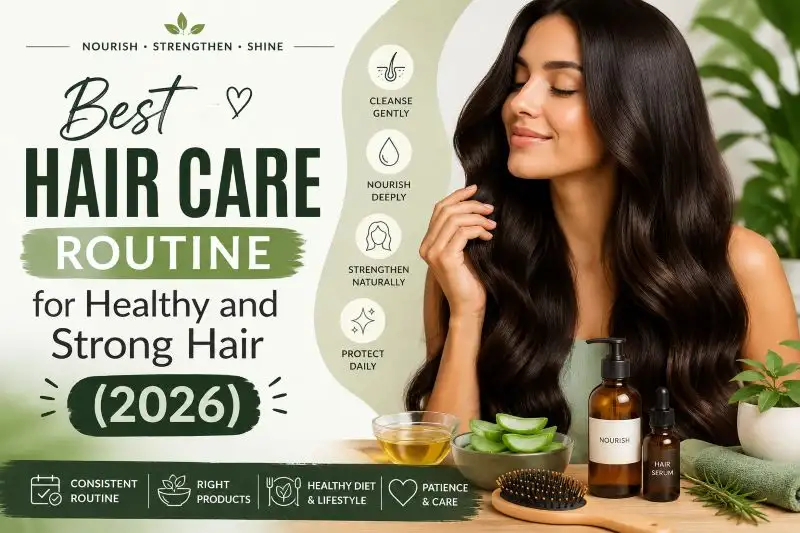
Discover the best Hair Care Routine for healthy, strong, and shiny hair in 2026. Follow simple daily tips to improve hair health naturally.
Introduction: Hair Care Routine for Healthy and Strong Hair (2026)
Hair plays an important role in shaping our overall appearance and personal confidence. Well-maintained hair that looks healthy, smooth, and strong can leave a positive impression while also reflecting good self-care habits. In 2026, awareness about hair health continues to grow as more people face challenges caused by environmental pollution, stressful lifestyles, poor eating habits, and frequent use of heat-styling tools and chemical treatments. These factors can weaken hair strands over time, leading to dryness, breakage, and excessive hair fall.
Developing a consistent Hair Care Routine is one of the most effective ways to protect your hair from damage and maintain its natural beauty. A proper routine helps keep the scalp clean, provides essential moisture, strengthens hair roots, and supports healthy growth. It can also reduce common problems such as dandruff, frizz, split ends, and dull-looking hair.
Every hair type has unique needs, whether it is straight, wavy, curly, or coily. Understanding those needs and following the right care practices can significantly improve hair texture, strength, and overall health. Simple habits such as regular cleansing, conditioning, proper nutrition, and minimizing heat exposure can produce noticeable results over time.
This guide explores the essential steps, practical tips, and expert recommendations needed to build the best Hair Care Routine for achieving healthy, strong, and beautiful hair in 2026.
Why Healthy Hair Care Routine Matters
Many individuals believe that washing their hair regularly is enough to maintain healthy hair, but true hair care involves much more than basic cleansing. Hair faces constant exposure to harmful environmental factors such as dust, pollution, sunlight, humidity, heat-styling tools, and chemical-based products. Over time, these elements can damage the hair shaft, weaken the roots, and negatively affect scalp health. Establishing a consistent Hair Care Routine helps protect hair from these everyday challenges while supporting stronger and healthier growth.
Benefits of Following a Good Hair Care Routine
- Reduces Hair Fall: Proper care helps strengthen hair roots and minimizes breakage, leading to less hair shedding over time.
- Improves Scalp Health: A clean and nourished scalp creates the ideal environment for healthy hair growth and helps prevent common issues such as dandruff and irritation.
- Increases Hair Strength: Using suitable hair products and maintaining proper nutrition can make hair more resilient and less prone to damage.
- Maintains Moisture Balance:Regular conditioning and hydration help prevent dryness, leaving hair softer and more manageable.
- Minimizes Split Ends: Routine care and regular trimming reduce the likelihood of split ends and brittle strands.
- Enhances Shine and Smoothness: Healthy hair naturally appears shinier, smoother, and more vibrant.
- Supports Healthy Growth:A balanced Hair Care Routine encourages stronger and healthier hair development.
Consistency is the foundation of success. Simple daily practices often deliver better long-term results than occasional intensive treatments or expensive products.

Understanding Your Hair Type
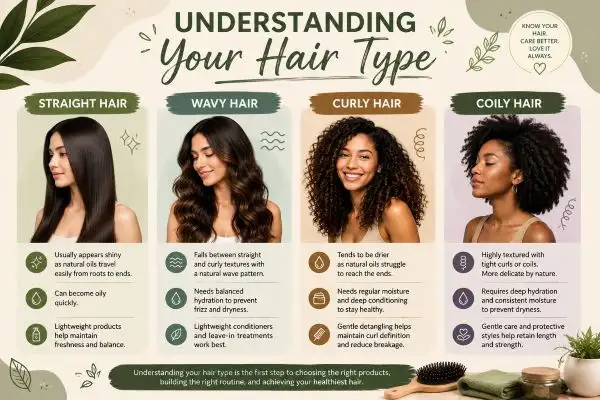
Before building an effective hair care routine, it is essential to identify your hair type. Every hair type has unique characteristics and requires specific care to stay healthy, strong, and manageable. Knowing your hair type allows you to choose the right products, treatments, and styling methods while avoiding practices that may cause damage.
- Straight Hair: Straight hair has a smooth texture that allows natural scalp oils to travel easily from the roots to the ends. This often gives the hair a naturally shiny appearance. However, because oil spreads quickly, straight hair can become greasy faster than other hair types. Regular cleansing with lightweight products can help maintain freshness without stripping essential moisture.
- Wavy Hair: Wavy hair combines characteristics of both straight and curly hair, creating a naturally textured appearance with gentle bends and loose waves. This hair type often looks fuller and more voluminous than straight hair while remaining easier to manage than tighter curl patterns. Proper moisture balance is important for maintaining healthy waves. Insufficient hydration can cause dryness and frizz, whereas overly rich or heavy products may make the hair appear limp and reduce its natural bounce. Using lightweight moisturizing products and suitable conditioners can help enhance wave definition, improve softness, and keep the hair looking healthy and vibrant.
- Curly Hair: Curly hair features defined curls that create a beautiful texture but often require extra care. Natural oils have a harder time reaching the ends of the hair, making curls more prone to dryness. Regular moisturizing, deep conditioning, and gentle detangling help keep curls soft, healthy, and well-defined.
- Coily Hair: Coily hair has tightly packed curls or coils and is typically the most delicate hair type. It requires consistent hydration, protective styling, and gentle handling to reduce breakage and maintain strength.
Understanding your hair type is the foundation of a successful hair care routine, helping you make informed choices for healthier and more beautiful hair.
Step 1: Cleanse Your Hair Properly
Proper cleansing is the first and most important step in an effective hair care routine. Keeping your scalp and hair clean helps remove dirt, excess oil, sweat, and product buildup that can affect hair health. Choose a shampoo that matches your hair type and cleanse gently without scrubbing too harshly. Focus on the scalp, where impurities tend to accumulate the most. Regular and balanced cleansing creates a healthy environment for stronger, fresher, and more manageable hair while preparing it for the next steps in your routine.
Choose the Right Shampoo
Different shampoos serve different purposes. Select a shampoo based on your scalp and hair needs.
- Oily scalp: Clarifying shampoo
- Dry hair: Moisturizing shampoo
- Damaged hair: Repair shampoo
- Dandruff issues: Anti-dandruff shampoo
Avoid Overwashing
Washing your hair too often can remove the natural oils that help keep it soft, healthy, and protected. When these oils are stripped away, hair may become dry, brittle, and more prone to damage. Choose a washing schedule that suits your hair type to maintain a healthy balance of moisture and cleanliness.
Recommended washing frequency:
- Oily hair: Every 1–2 days
- Normal hair: Every 2–3 days
- Dry hair: Every 3–4 days
- Curly hair: Once or twice weekly
Use Lukewarm Water
Hot water can damage hair and dry out the scalp. Lukewarm water is ideal for washing hair gently.

Step 2: Condition Every Time
Conditioner plays an essential role in maintaining hair health.
Benefits include:
- Improved hydration
- Reduced frizz
- Easier detangling
- Enhanced softness
- Protection from breakage
Use Conditioner Correctly
For the best results, apply conditioner to the middle sections and ends of your hair, where moisture is needed most. Avoid applying large amounts directly to the scalp, as this may make hair feel heavy or greasy. Allow the conditioner to sit for a few minutes so it can properly nourish and soften the hair before rinsing thoroughly with water.
Step 3: Deep Condition Weekly
Regular conditioning is helpful, but deep conditioning provides intensive nourishment.
Benefits of Deep Conditioning
- Repairs damaged strands
- Restores moisture
- Improves elasticity
- Reduces breakage
- Enhances shine
Use a deep conditioning mask once a week or more often if your hair is extremely dry.
Step 4: Maintain a Healthy Scalp
A balanced scalp environment is the primary catalyst for robust hair growth. Taking proper care of your scalp can support hair growth, reduce common scalp issues, and improve the overall condition of your hair. Including scalp care in your routine is just as important as caring for your hair strands.
- Keep Your Scalp Clean: Maintaining a clean scalp helps remove excess oil, dirt, sweat, and product residue. When buildup accumulates on the scalp, it can interfere with the normal function of hair follicles and affect the appearance of your hair. Regular cleansing helps create a healthier environment for hair growth.
- Massage Your Scalp Regularly:Gentle scalp massages can help stimulate blood flow to the scalp, which may support healthier hair development. Use your fingertips to massage in small circular motions for about 5–10 minutes. This simple practice can also feel relaxing and help relieve tension.
- Minimize Product Buildup:Applying excessive amounts of styling products can leave residue on the scalp and hair. Over time, this buildup may cause irritation and make hair look dull or heavy. Whenever possible, choose lightweight products and use them in moderation to keep your scalp fresh and comfortable.
A well-maintained scalp provides the ideal foundation for stronger, healthier, and more vibrant hair.
Step 5: Use Hair Oils Wisely
Hair oiling remains one of the most popular hair care practices worldwide.
Benefits of Hair Oils
- Nourishes the scalp
- Adds moisture
- Improves shine
- Reduces dryness
- Protects hair from damage
Popular oils include:
- Coconut oil
- Argan oil
- Jojoba oil
- Almond oil
- Castor oil
Apply oil moderately and avoid overusing it.
Step 6: Protect Hair from Heat Damage
Heat styling tools can cause significant damage if used frequently.
Common Heat Styling Tools
- Hair dryers
- Curling irons
- Flat irons
- Hot brushes
How to Minimize Damage
- Use heat protectant products
- Keep temperatures low
- Limit heat styling sessions
- Allow hair to air dry when possible
Reducing heat exposure can dramatically improve hair health over time.
Step 7: Brush Hair Correctly
Improper brushing can lead to breakage and split ends.
Best Brushing Practices
- Use a wide-tooth comb for wet hair
- Start detangling from the ends
- Work upward gradually
- Avoid aggressive brushing
Brushing gently helps maintain hair strength and minimizes damage.
Step 8: Follow a Nutritious Diet
What you feed your body directly shapes the strength and vitality of your strands. Optimal hair wellness isn’t just about topical products; it requires a nutrient-dense diet packed with essential vitamins and minerals. Ultimately, robust hair growth is fueled from within, making targeted nutrition the ultimate foundation for a thriving mane.
Important Nutrients for Hair
Protein
Hair is primarily made of protein. Include:
- Eggs
- Fish
- Chicken
- Beans
- Lentils
Iron
Iron deficiency may contribute to hair loss.
Sources include:
- Spinach
- Red meat
- Legumes
- Pumpkin seeds
Omega-3 Fatty Acids
Help support scalp and hair health.
Sources include:
- Salmon
- Sardines
- Walnuts
- Flaxseeds
Vitamins
Essential vitamins include:
- Vitamin A
- Vitamin C
- Vitamin D
- Vitamin E
- Biotin
A balanced diet supports healthy hair from within.
Step 9: Stay Hydrated
Water is crucial for overall health and hair maintenance.
Proper hydration:
- Supports scalp health
- Prevents dryness
- Enhances hair texture
- Promotes healthy growth
Prioritize consistent hydration by keeping a water bottle nearby from morning to night. Ensuring your body receives a steady supply of fluids support cellular function and keeps your skin glowing, proving that optimal wellness starts with meeting your daily intake goals.
Step 10: Trim Hair Regularly
Regular trims help maintain healthy-looking hair.
Benefits of Trimming
- Removes split ends
- Prevents further damage
- Improves appearance
- Makes hair easier to manage
Most people benefit from trimming every 8–12 weeks.
Best Morning Hair Care Routine
A simple morning Hair Care Routine can keep hair manageable throughout the day.
Morning Checklist
- Detangle gently
- Apply leave-in conditioner if needed
- Use lightweight serum
- Protect from sunlight
- Avoid excessive touching
These steps help maintain smooth and healthy hair.
Best Night Hair Care Routine
Nighttime habits can significantly affect hair health.
Night Hair Care Tips
- Brush gently before bed
- Use a silk pillowcase
- Avoid sleeping with wet hair
- Tie long hair loosely
- Apply lightweight overnight treatment if necessary
A nighttime Hair Care Routine reduces friction and breakage.
Common Hair Care Mistakes to Avoid
Even good intentions can sometimes harm hair.
- Using Too Much Product: Excessive product use can weigh hair down and create buildup.
- Frequent Chemical Treatments:Repeated coloring, bleaching, and chemical straightening can weaken hair.
- Tight Hairstyles: Tight ponytails and braids may cause traction-related hair loss.
- Ignoring the Scalp: Scalp care is just as important as caring for hair strands.
- Excessive Heat Styling: Frequent use of hot tools contributes significantly to hair damage.
Avoiding these mistakes helps preserve hair health.
Natural Remedies for Healthy Hair
Feeding your hair with plant-based ingredients and whole foods once a week is a game-changer for deep hydration. Here are five powerful, natural remedies to revitalize your hair care routine from the comfort of home:
- Aloe Vera: This soothing botanical acts as a gentle scalp tonic, reducing irritation while locking in essential hydration to combat dryness.
- Coconut Oil: Renowned for its deep-penetrating properties, this oil seals the hair shaft, significantly minimizing vital protein loss during washing.
- Yogurt Hair Mask: Packed with natural proteins, a yogurt treatment smooths the hair cuticle, vastly improving overall softness and styling manageability.
- Honey: Operating as an organic humectant, honey draws moisture directly from the environment into parched strands for long-lasting brilliance.
- Avocado Mask: Bursting with vitamins and healthy fatty acids, this rich fruit deeply conditions and strengthens brittle hair.
When applied mindfully, these nature-derived solutions offer a brilliant, chemical-free boost to your daily wellness habits.
Seasonal Hair Care Tips
Hair needs can change throughout the year.
Summer Hair Care
- Protect hair from UV rays
- Wear hats outdoors
- Increase hydration
- Use lightweight products
Winter Hair Care
- Deep condition regularly
- Reduce heat styling
- Use moisturizing shampoos
- Protect hair from dry indoor air
Adjusting your Hair Care Routine according to the season can improve results.
Hair Care Routine for Men
Men also benefit from a structured Hair Care Routine.
Key tips include:
- Wash according to scalp type
- Use conditioner regularly
- Avoid harsh styling products
- Maintain scalp hygiene
- Eat a nutrient-rich diet
Healthy hair habits are important regardless of gender.
Hair Care Routine for Women
Women often face additional challenges due to styling, coloring, and longer hair lengths.
Helpful practices include:
- Deep conditioning weekly
- Protecting hair during styling
- Trimming regularly
- Using gentle accessories
- Avoiding excessive chemical treatments
Consistency remains essential.
How Long Does It Take to See Results?
One of the most common questions people ask when starting a new Hair Care Routine is how quickly they can expect visible improvements. The truth is that healthy hair growth and repair take time. Hair does not transform overnight, and noticeable changes depend on factors such as hair type, current condition, genetics, lifestyle, diet, and the consistency of your routine. While some benefits can appear within a few weeks, significant improvements often require several months of dedicated care.
Typical Hair Care Progress Timeline
- Within 2–4 Weeks: Better Hydration and Softness: During the first few weeks, you may notice that your hair feels smoother, softer, and easier to manage. Proper cleansing and conditioning help restore moisture balance and reduce dryness.
- Within 1–3 Months: Reduced Breakage and Hair Fall:As your hair receives regular nourishment, breakage may decrease. Many people also notice less hair shedding and improved scalp condition during this period.
- Within 3–6 Months: Increased Strength and Resilience:Consistent care can make hair stronger and more resistant to damage. Hair may appear thicker, healthier, and less prone to split ends.
- Within 6–12 Months: Significant Overall Improvement:Long-term dedication often results in shinier, stronger, and healthier-looking hair with improved texture and growth.
Patience and consistency are essential. Following a well-balanced Hair Care Routine every day is the most effective way to achieve lasting and noticeable results.
Final Thoughts
Achieving healthy and strong hair does not depend on expensive salon treatments or a collection of costly products. In most cases, long-term hair health is built through simple, consistent habits that support both the scalp and hair strands. A well-planned Hair Care Routine should focus on gentle cleansing, regular conditioning, proper hydration, balanced nutrition, and protecting hair from everyday damage caused by heat, pollution, and harsh styling practices.
Understanding your individual hair type is an important step toward choosing the right products and techniques. What works for one person may not be suitable for another, which is why a personalized approach often delivers the best results. By paying attention to your hair’s unique needs and maintaining a routine that promotes moisture, strength, and scalp health, you can gradually improve the appearance and condition of your hair.
Patience is also essential, as healthy hair growth and repair take time. Small daily efforts can lead to significant improvements over the months, including reduced breakage, better texture, increased shine, and stronger strands. Whether you want to minimize hair fall, encourage growth, or simply keep your hair looking its best, following a consistent Hair Care Routine is a smart and worthwhile commitment. In 2026, investing in proper hair care remains one of the most effective ways to enhance both your appearance and self-confidence.