

Improve English Speaking Skills fast with 9 proven tips for 2026. Build confidence, speak fluently, and communicate better every day.
Introduction: Ways to Improve English Speaking Skills Fast 2026
English continues to be one of the most important languages in the world, connecting people across education, business, technology, travel, and international communication. In 2026, strong English speaking skills are more valuable than ever, helping individuals access better career opportunities, pursue higher education abroad, and communicate confidently in global environments. Whether you are a student preparing for exams, a job seeker aiming for international employment, a freelancer working with overseas clients, or a traveler exploring new destinations, speaking English fluently can make a significant difference in your personal and professional life.
Many learners spend years studying grammar rules and memorizing vocabulary but still feel nervous when speaking. This often happens because true fluency comes from regular conversation, active listening, and practical use rather than simply learning textbook concepts. The good news is that anyone can improve with the right mindset, consistent practice, and effective learning techniques. You don’t need expensive coaching or the opportunity to live in an English-speaking country to become a confident communicator.
In this guide, you’ll discover 9 proven ways to Improve English Speaking Skills quickly and efficiently. These practical tips are designed for beginners, intermediate learners, and advanced speakers who want to build confidence, increase fluency, and communicate more naturally in everyday situations throughout 2026.
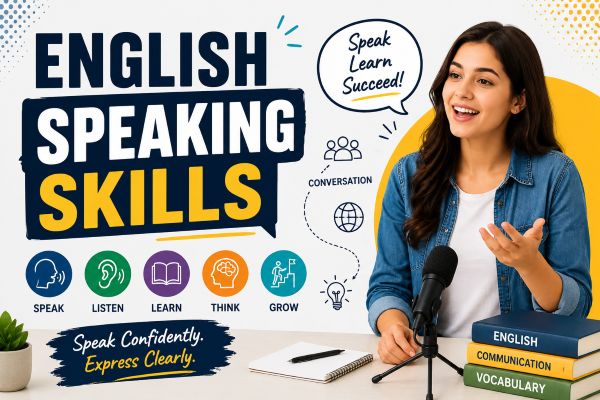
Why English Speaking Skills Matter in 2026
English is no longer just another language. It has become an essential skill for personal, academic, and professional success. As technology connects people from different countries, English remains the primary language for international communication. Here are some important reasons why you should focus on improving your English speaking skills in 2026.
Better Career Opportunities
Employers increasingly seek candidates who can communicate confidently in English. Multinational companies, remote work platforms, IT firms, airlines, hospitality businesses, and customer service organizations often require employees to speak English fluently.
Strong speaking skills can help you:
- Perform better in job interviews.
- Communicate effectively with international clients.
- Receive promotions and leadership roles.
- Access higher-paying remote jobs.
- Expand your professional network.
If you can express your ideas clearly, you become a more valuable employee in today’s competitive job market.
Academic Success
Many universities around the world teach courses in English. International students must participate in classroom discussions, presentations, and group projects.
Improving your English speaking ability can help you:
- Participate confidently in class.
- Deliver better presentations.
- Understand lectures more easily.
- Build relationships with classmates.
- Build the communication skills needed to succeed in IELTS, TOEFL, and other English language proficiency tests.
Speaking confidently also improves listening and comprehension, making studying much easier.
Increased Confidence
Many learners understand English but avoid speaking because they fear making mistakes. Regular speaking practice gradually removes this fear.
As your confidence grows, you will notice that:
- Conversations become more natural.
- You hesitate less while speaking.
- You express ideas more clearly.
- You feel comfortable meeting new people.
- Public speaking becomes less stressful.
Confidence is built through consistent practice rather than perfection.
Global Communication
The internet has connected people from every part of the world. English is widely used on social media, online courses, business meetings, international conferences, and travel.
Strong English communication skills can help you:
- Make international friends.
- Join global communities.
- Attend webinars and conferences.
- Collaborate with people worldwide.
- Enjoy a richer travel experience.
Good communication skills open doors that might otherwise remain closed.
Access to More Learning Resources
- Most high-quality educational materials are available in English. Books, online courses, YouTube tutorials, research papers, and professional certifications are often created in English first.
- When you Improve English Speaking Skills, learning becomes easier because you can discuss ideas, ask questions, and participate in global educational communities.

9 Proven Ways to Improve English Speaking Skills Fast
Learning to speak English fluently takes consistent effort, but the right strategies can speed up your progress. These proven techniques help build vocabulary, pronunciation, confidence, and fluency at the same time.
1. Speak English Every Day
The fastest way to improve speaking is to make English part of your daily routine. Instead of waiting for the perfect opportunity, practice speaking every day. Even 15–30 minutes of conversation can significantly improve your fluency over time.
You can:
- Describe your daily activities aloud.
- Talk to yourself while cooking or walking.
- Explain what you see around you.
- Record short speeches.
- Practice answering common interview questions.
Daily speaking builds confidence naturally.
2. Think in English Instead of Translating
Many learners first create sentences in their native language before translating them into English. This habit slows down conversations. Train your brain to think directly in English.
Start with simple thoughts such as:
- What should I eat today?
- I need to finish my homework.
- The weather looks beautiful.
- I have an online meeting tomorrow.
Over time, your brain becomes faster at producing English sentences naturally.
3. Expand Your Vocabulary Every Day
A limited vocabulary makes speaking difficult. Instead of memorizing hundreds of random words, learn vocabulary based on everyday situations.
Focus on words related to:
- Family
- School
- Work
- Shopping
- Travel
- Health
- Technology
- Food
- Business
- Hobbies
Try learning five to ten new words each day and immediately use them in sentences. Using new vocabulary in conversation helps you remember it much longer.
4. Listen to Native English Speakers
Listening improves speaking because it teaches natural pronunciation, sentence structure, and everyday expressions.
Listen to:
- Podcasts
- Audiobooks
- YouTube videos
- TED-style talks
- News programs
- Interviews
Pay attention to:
- Pronunciation
- Word stress
- Intonation
- Common phrases
- Connected speech
Repeat what you hear to imitate native pronunciation.
5. Read Aloud Every Day
Reading silently improves comprehension, but reading aloud improves speaking. Choose English newspapers, blogs, novels, or short articles.
Reading aloud helps you:
- Improve pronunciation.
- Increase speaking speed.
- Build confidence.
- Learn sentence rhythm.
- Recognize difficult words.
Spend at least 15 minutes reading aloud every day.
6. Practice with Speaking Partners
Conversation practice is essential.
You can practice with:
- Friends
- Family members
- Language exchange partners
- Online communities
- English clubs
Do not worry about making mistakes. Every conversation teaches something new. If you cannot find a partner, record yourself answering common questions and compare your pronunciation over time.
7. Learn Common English Phrases
Native speakers often use complete expressions instead of individual words.
Examples include:
- Nice to meet you.
- Could you help me?
- That sounds great.
- I completely agree.
- What do you mean?
- In my opinion…
- As far as I know…
Learning phrases helps your conversations sound more natural and fluent.
8. Improve Your Pronunciation
Good pronunciation makes communication easier.
Focus on:
- Difficult sounds
- Stress patterns
- Sentence rhythm
- Intonation
- Clear word endings
Record yourself speaking and compare it with native speakers. Practice difficult words repeatedly until they become natural. Remember that clear pronunciation is more important than having a perfect accent.
9. Stay Consistent and Never Fear Mistakes
Many learners stop speaking because they worry about grammar mistakes. In reality, every fluent speaker made thousands of mistakes while learning. Treat mistakes as learning opportunities.
Stay motivated by:
- Setting weekly goals.
- Celebrating small improvements.
- Tracking your progress.
- Speaking every day.
- Learning from corrections.
Consistency always beats perfection.
Common Mistakes to Avoid
Many learners unknowingly slow their progress by following ineffective habits. Avoiding these mistakes can help you improve your English speaking skills more quickly.
- Waiting Until Your Grammar Is Perfect: Some people believe they must master every grammar rule before speaking. This often leads to fear and hesitation. Instead, focus on communicating your ideas clearly. Grammar will improve naturally with regular speaking and feedback.
- Translating Every Sentence:Thinking in your native language before speaking English makes conversations slow and unnatural. Practice forming simple thoughts directly in English to build fluency over time.
- Memorizing Without Practice: Learning vocabulary lists is helpful, but words are easily forgotten if you never use them. Try to use every new word in conversations, writing, or short speeches on the same day you learn it.
- Being Afraid of Mistakes: Fear is one of the biggest barriers to speaking fluently. Remember that mistakes are part of learning. Every conversation helps you improve.
- Ignoring Pronunciation: Speaking with good pronunciation makes communication easier, even if your grammar is not perfect. Practice listening and repeating native speakers regularly.
- Inconsistent Practice: Practicing once a week will not produce rapid improvement. Even 20 minutes of daily speaking is more effective than several hours once a week.
Daily Practice Plan
Consistency is the key to fluency. Follow this simple daily routine to steadily improve your English speaking skills.
Morning (15 Minutes)
- Learn five new vocabulary words.
- Read them aloud.
- Create one sentence for each word.
Afternoon (20 Minutes)
- Listen to an English podcast or video.
- Repeat important sentences.
- Copy the speaker’s pronunciation and rhythm.
Evening (20 Minutes)
- Speak about your day for five to ten minutes.
- Record your voice.
- Listen for pronunciation or grammar mistakes.
- Correct yourself and repeat.
Weekly Activities
- Join one English conversation session.
- Watch one English movie with subtitles.
- Read one English article aloud.
- Learn ten new useful phrases.
- Review vocabulary learned during the week.
By following this routine consistently, you will notice significant improvements in confidence, pronunciation, vocabulary, and overall fluency within a few months. Small daily efforts create lasting progress and help you communicate in English with greater ease.
Best Free Apps and Resources
Learning English has become easier than ever thanks to free mobile apps, websites, podcasts, and online communities. These resources allow you to practice speaking, listening, reading, and vocabulary anytime and anywhere. By using them consistently, you can Improve English Speaking Skills faster without spending money on expensive courses.
1. Duolingo
Duolingo is one of the most popular language-learning apps for beginners. Its short, interactive lessons help users build vocabulary, grammar, and pronunciation through fun daily exercises. The app also tracks your learning progress, making it easy to stay motivated.
Best for:
- Beginners
- Daily practice
- Vocabulary building
- Grammar improvement
2. BBC Learning English
BBC Learning English offers free lessons created by experienced educators. It includes videos, audio programs, pronunciation practice, grammar explanations, business English, and everyday conversations. You’ll also find news-based lessons that help improve both listening and speaking skills while expanding your vocabulary.
Best for:
- Intermediate learners
- Pronunciation
- Listening practice
- Business English
3. Elsa Speak
Elsa Speak uses artificial intelligence to evaluate your pronunciation and provide instant feedback. It highlights pronunciation mistakes and teaches you how to sound clearer and more natural. Even the free version provides useful speaking exercises for daily improvement.
Best for:
- Pronunciation
- Accent improvement
- Speaking confidence
4. HelloTalk
HelloTalk connects language learners with native speakers from around the world. You can chat through text, voice messages, audio calls, and video calls while helping each other learn. Speaking with real people is one of the fastest ways to become more fluent.
Best for:
- Conversation practice
- Cultural exchange
- Real-life communication
5. YouTube
YouTube offers thousands of free English learning channels covering grammar, vocabulary, pronunciation, public speaking, and conversational English. Many creators upload lessons designed specifically for beginners and intermediate learners.
Popular topics include:
- Everyday conversations
- Interview preparation
- IELTS speaking practice
- American English
- British English
- Business communication
Watching videos with subtitles and repeating after the speakers is an excellent way to improve fluency.
6. Podcasts
Listening to English podcasts during commuting, exercising, or relaxing helps improve comprehension and pronunciation.
Some beginner-friendly podcast topics include:
- Daily English conversations
- Business English
- Travel English
- News discussions
- Storytelling
Try listening for 15–20 minutes every day.
7. Online English Communities
Joining English-speaking communities allows you to practice regularly with learners from different countries.
You can:
- Join speaking challenges.
- Participate in discussions.
- Ask questions.
- Receive feedback.
- Make international friends.
Learning together keeps you motivated and accountable.
Frequently Asked Questions (FAQs)
1. How much time does it take to become better at speaking English? The answer depends on your current level and daily practice. If you practice speaking for 20 to 30 minutes every day, many learners notice noticeable improvement within three to six months. Consistency is more important than studying for long hours occasionally.
2. What is the fastest way to Improve English Speaking Skills?The fastest way is to speak English every day, think directly in English, listen to native speakers, read aloud, expand your vocabulary, and practice with conversation partners. Combining these methods helps improve fluency much faster than focusing only on grammar.
3. Can I improve my English speaking skills without joining a course? Yes. Many successful English speakers are self-taught. Free apps, YouTube lessons, podcasts, online communities, and daily speaking practice can significantly improve your communication skills without paid classes.
4. Do you need perfect grammar to speak English fluently? Grammar is important, but it should not stop you from speaking. Focus first on expressing your ideas clearly. As you continue practicing, your grammar will naturally improve through regular exposure and correction.
5. How many new English words should I learn every day? Learning five to ten useful words daily is a practical goal. Instead of memorizing long vocabulary lists, use each new word in conversations and sentences to remember it more effectively.
6. How can I practice speaking if I have no partner?You can still make excellent progress by talking to yourself, reading aloud, recording your voice, shadowing native speakers, and using AI-powered speaking apps. These methods help improve pronunciation, confidence, and fluency even when you’re practicing alone.
7. Which app is best for improving English speaking? Several free apps are excellent for speaking practice. Duolingo is ideal for beginners, Elsa Speak focuses on pronunciation, HelloTalk connects you with native speakers, and BBC Learning English offers structured lessons. Using more than one resource often gives the best results.
8. Why do I feel nervous when speaking English? Fear usually comes from worrying about making mistakes or being judged. Remember that every fluent speaker started as a beginner. Regular practice gradually builds your confidence and improves your speaking ability. Making mistakes is a natural part of learning.
Conclusion
Improving your English speaking ability is not about being perfect—it is about communicating with confidence and consistency. Every conversation, every new word, and every minute of daily practice brings you one step closer to fluency.
The 9 proven ways to Improve English Speaking Skills shared in this guide are practical, beginner-friendly, and effective for learners at every level. Speaking every day, thinking in English, expanding your vocabulary, listening to native speakers, reading aloud, improving pronunciation, and using free learning resources can dramatically increase your confidence over time. Remember that success does not happen overnight. Small steps taken every day can produce impressive results over time. Even practicing for just 20 to 30 minutes each day can make a significant difference within a few months.
Start today by choosing one or two techniques from this guide and make them part of your daily routine. Stay patient, keep practicing, and never be afraid to make mistakes. Every sentence you speak helps you become a stronger and more confident English speaker. By remaining consistent and motivated throughout 2026, you’ll not only Improve English Speaking Skills but also unlock new academic, career, travel, and personal opportunities that can positively shape your future.