
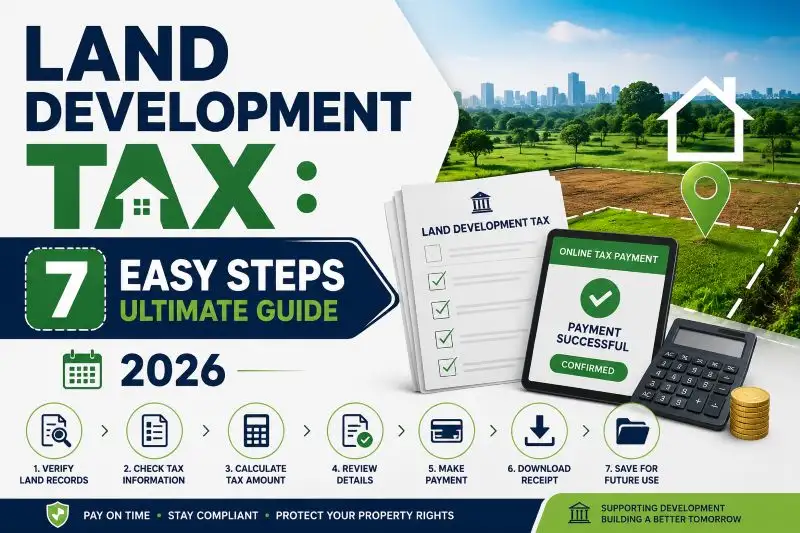
Learn Land Development Tax payment, rules, rates, and online methods in Bangladesh with this easy 7-step ultimate guide for 2026.
Introduction: Land Development Tax Ultimate Guide 2026
Land is one of the most important forms of property ownership in Bangladesh, making it essential for landowners to understand their responsibilities regarding Land Development Tax. Whether the land is used for agriculture, housing, business purposes, or inherited through family ownership, paying the required tax is an important part of maintaining legal ownership records. The government collects this tax to support land administration activities and contribute to various public development initiatives across the country.
In recent years, the modernization of government services has simplified the process of managing and paying Land Development Tax. Many services are now available online, allowing property owners to check land information, review tax details, and complete payments more conveniently. This digital transformation has reduced paperwork and minimized the need for repeated visits to government offices.
Failing to pay land taxes on time can create challenges during property transfers, ownership updates, record corrections, and other land-related procedures. Keeping tax payments up to date helps ensure that land records remain accurate and legally valid.
This guide provides a complete overview of Land Development Tax, covering its purpose, significance, advantages, required information, payment methods, common challenges, and a simple seven-step process to help landowners manage their tax obligations efficiently in Bangladesh.
What Is Land Development Tax?
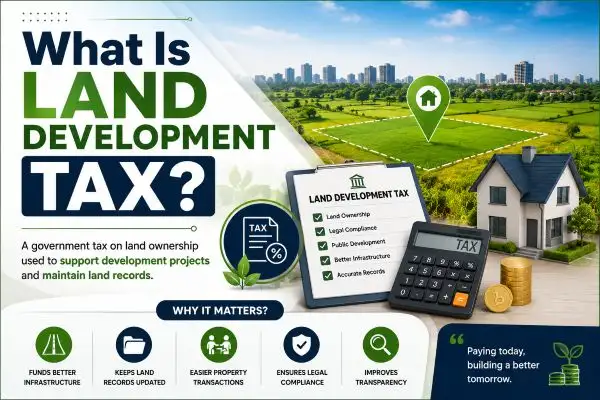
Land Development Tax is a government levy imposed on landowners for the ownership and use of land within Bangladesh. The revenue collected from this tax helps support land administration activities, maintain official land records, and contribute to various public services and infrastructure development projects. It is an important part of the country’s land management system and plays a role in ensuring efficient administration of land resources.
This tax may apply to different types of property, including:
- Agricultural land
- Residential property
- Commercial land
- Industrial plots
- Vacant or undeveloped land
- Inherited property
Property owners are generally responsible for paying the applicable tax according to existing laws and regulations. Timely payment helps keep land records updated and can simplify future land-related transactions, such as ownership transfers, record corrections, and property registration processes.
In recent years, the introduction of digital land management services has made tax administration more transparent and accessible. Landowners can now access information, verify records, and complete various tax-related tasks through online systems. These technological improvements have reduced paperwork, increased efficiency, and made it easier for citizens to manage their land obligations.
Overall, Land Development Tax is an essential component of land governance that supports proper record maintenance, administrative efficiency, and sustainable development initiatives throughout Bangladesh.
Why Land Development Tax Is Important
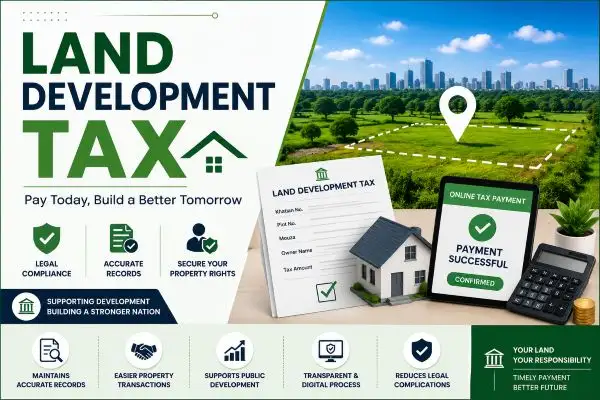
Paying Land Development Tax is not only a legal responsibility but also an important step in maintaining accurate land records and protecting property rights. Regular tax payment helps landowners avoid complications and supports the efficient management of land-related services throughout Bangladesh.
- Supports National Development: Revenue collected from Land Development Tax contributes to government projects, infrastructure improvements, and various public services that benefit communities across the country.
- Keeps Land Records Updated: Consistent tax payments help ensure that ownership information remains accurate in official land databases, reducing the chances of record-related disputes.
- Simplifies Property Transactions: When taxes are paid regularly, land transactions such as buying, selling, gifting, or inheritance transfers can be completed more smoothly.
- Minimizes Legal Issues: Unpaid taxes may create complications during registration, mutation, ownership transfer, or other land-related legal procedures. Timely payment helps avoid such difficulties.
- Strengthens Ownership Evidence:Tax payment records can serve as supporting documentation when proving ownership or resolving disputes related to property rights.
- Promotes Transparency: Modern digital payment systems make tax management more transparent by providing clear records and reducing administrative challenges.
- Ensures Compliance with Regulations:Paying Land Development Tax on time helps landowners fulfill government requirements and maintain compliance with applicable land laws.
Overall, regular tax payment helps protect property interests while supporting efficient land administration and public development initiatives.
Who Should Pay Land Development Tax?
Land Development Tax is generally applicable to individuals and entities that legally own taxable land in Bangladesh. Understanding who is responsible for paying this tax is important for maintaining compliance with land regulations and ensuring that property records remain accurate and up to date.
Several categories of landowners may be required to pay Land Development Tax, including:
- Individual Landowners: People who own land in their personal names are typically responsible for paying the applicable tax on their property.
- Agricultural Landholders: Owners of farmland used for cultivation or other agricultural activities may be subject to land tax requirements.
- Residential Property Owners: Individuals who own residential plots, houses, or land designated for housing purposes may need to pay Land Development Tax.
- Commercial Property Owners: Owners of land used for business activities, shops, offices, or commercial establishments are generally responsible for tax payments.
- Industrial Landowners: Land used for factories, manufacturing facilities, and industrial operations may also fall under applicable tax regulations.
- Inherited Property Holders: Individuals who acquire land through inheritance should ensure that tax obligations are properly managed.
- Real Estate Investors: People who purchase land as an investment are responsible for maintaining tax compliance on their properties.
- Joint Property Owners: Where land is owned by multiple individuals, the owners should ensure that tax responsibilities are fulfilled according to applicable rules.
In general, anyone with legal ownership rights over taxable land should understand and meet their Land Development Tax obligations to avoid future administrative or legal complications.
Benefits of Paying Land Development Tax
Paying Land Development Tax on time provides several important benefits for landowners. Beyond meeting legal requirements, regular tax payments help maintain accurate records, support smooth property transactions, and reduce the risk of future complications. Proper tax compliance can make land management much easier and more secure.
- Legal Protection: Timely payment helps landowners remain compliant with government regulations and reduces the possibility of legal issues related to unpaid taxes.
- Easier Property Transfers: When tax records are up to date, processes such as land sales, inheritance transfers, gifts, and ownership changes can be completed more efficiently.
- Accurate Record Maintenance: Regular payments help ensure that official land records remain current and properly reflect ownership information.
- Fewer Administrative Complications: Maintaining a clear tax history can prevent delays and difficulties when applying for government services or completing land-related procedures.
- Greater Transparency: Documented payment records provide clear evidence of tax compliance, making it easier to verify information when necessary.
- Convenience Through Digital Services: Many land-related services are now available online, allowing property owners to review records, check tax information, and make payments without repeatedly visiting government offices.
- Improved Property Management: Consistent tax compliance helps landowners manage their properties more effectively and avoid unexpected issues in the future.
Overall, paying Land Development Tax regularly supports legal compliance, protects ownership interests, and contributes to a smoother and more transparent land administration system.
Documents Required for Land Development Tax Payment
Before paying Land Development Tax, it is important to collect the necessary documents and information to ensure a smooth and hassle-free process. Having accurate details readily available can help prevent errors, speed up verification, and make the payment procedure more efficient.
The required documents and information may include the following:
- National ID Card: A valid National Identity (NID) card is often needed to verify the identity of the landowner or taxpayer.
- Land Ownership Documents: Documents that prove legal ownership of the property should be available for reference during the payment process.
- Khatian Information:The Khatian number is an important land record identifier that helps locate ownership and property details in official records.
- Plot Number: Providing the correct plot number helps authorities identify the specific piece of land associated with the tax payment.
- Mouza Information: Details about the Mouza where the land is located may also be required for accurate record verification.
- Taxpayer Information: Basic information about the taxpayer, including ownership details, should be kept ready.
- Mobile Phone Number: A valid mobile number may be necessary for receiving notifications, confirmations, or payment-related updates.
- Previous Tax Records: If available, earlier tax receipts or payment records can help verify existing information and resolve discrepancies.
Preparing these documents in advance can simplify the Land Development Tax payment process and improve overall accuracy, helping landowners complete their obligations more quickly and efficiently.
Land Development Tax: 7 Easy Steps Ultimate Guide 2026
Step 1: Collect Land Information
Start by gathering all land-related information.
This may include:
- Khatian number
- Plot number
- Mouza name
- Ownership details
Verify the information carefully before proceeding.
Step 2: Access the Official Land Service Platform
- Visit the authorized government land service portal.
- Using official platforms helps ensure data accuracy and transaction security.
- Always avoid unofficial websites.
Step 3: Search Your Land Records
Use the available search options to locate your land information.
You may need to provide:
- District
- Upazila
- Mouza
- Khatian number
- Plot number
Accurate entries improve search success.
Step 4: Verify Ownership Information
Carefully review the displayed records.
Confirm:
- Owner name
- Land classification
- Land area
- Tax information
Any discrepancy should be addressed before payment.
Step 5: Review Outstanding Tax Information
The system may display:
- Current tax obligations
- Previous dues
- Applicable fees
Check all information thoroughly.
Step 6: Complete the Payment Process
Proceed with payment using available methods.
Depending on service availability, options may include:
- Online banking
- Mobile financial services
- Government payment gateways
Follow all instructions carefully.
Step 7: Save Payment Confirmation
After successful payment:
- Download receipts
- Save confirmation details
- Print records if necessary
These documents may be required for future reference.
Online Payment Methods for Land Development Tax
Modern systems offer several payment options.
Online Banking
Many users prefer direct bank transactions.
Advantages
- Secure
- Convenient
- Easily documented
Mobile Financial Services
Digital payment services continue to expand across Bangladesh.
Benefits
- Fast transactions
- Mobile accessibility
- Immediate confirmation
Government Payment Platforms
Official portals often provide integrated payment systems.
Benefits
- Direct government processing
- Reliable records
- Enhanced transparency
Common Problems During Land Development Tax Payment
Navigating the digital landscape for land administration can occasionally present hurdles. Even with modern online infrastructure, taxpayers frequently encounter specific technical and administrative roadblocks when attempting to settle their land development taxes.
Understanding these common complications and their immediate fixes can save significant time:
- Data Entry Inaccuracies: Entering an incorrect Khatian (record-of-rights) or plot number will instantly halt the system, making it impossible to retrieve your specific property file.
- Fix: Carefully cross-reference your physical deeds against the digital inputs before executing a search.
- Outdated Ownership Records: The online database might not immediately update following recent property transfers, inheritances, or sales, leading to a name mismatch.
- Fix: Visit your local land office with physical proof of ownership to manually update the registry.
- Transaction Disruptions: Digital payment gateways can timeout or fail mid-transaction due to server overloads.
- Fix: Pause briefly before retrying, or switch to an alternate mobile banking or card payment platform.
- Scheduled Platform Downtime: Government portals periodically undergo essential security updates and maintenance, temporarily locking users out.
- Fix: Save your progress and attempt the application during off-peak hours.
- Unstable Network Connections: Weak internet bandwidth frequently corrupts data transmission during secure payment processing.
- Fix: Ensure you are connected to a reliable, secure Wi-Fi network before initiating financial transactions.
How to Avoid Common Tax Payment Problems
Paying Land Development Tax can be a smooth process when proper precautions are taken. Many common issues arise from incorrect information, outdated records, or missed deadlines. Following a few simple practices can help landowners avoid unnecessary complications and complete their tax obligations efficiently.
- Keep Land Records Updated: Make sure that ownership details and other land-related information are current and accurately reflected in official records. Updated records reduce the risk of verification issues during payment.
- Check Information Carefully Before Submission:Before making a payment, review all entered details, including Khatian numbers, plot numbers, and ownership information. Verifying data in advance can help prevent errors and transaction failures.
- Use Authorized Government Services: Always access official land service platforms when checking records or paying taxes. Using trusted sources helps protect personal information and ensures accurate processing.
- Store Payment Receipts Safely: After completing a payment, keep digital or printed copies of receipts and confirmation documents. These records can be useful for future reference, verification, or resolving disputes.
- Pay Taxes Before the Due Date: Avoid waiting until the last moment to make payments. Early payment reduces the chances of facing system congestion, technical difficulties, or deadline-related complications.
By following these practical steps, landowners can minimize payment-related problems, maintain accurate records, and manage their Land Development Tax responsibilities with greater confidence and convenience.
Understanding Tax Records
After payment, tax records may include:
- Owner Information: Confirms registered ownership.
- Land Details: Displays land classification and area.
- Tax Amount: Shows paid and outstanding amounts.
- Payment History: Records previous transactions.
- Verification Information: Confirms successful payment processing.
Importance of Digital Land Services
Bangladesh continues to modernize land administration.
Digital services provide:
- Faster processing
- Improved transparency
- Reduced paperwork
- Better accessibility
- Enhanced record management
These improvements help both citizens and government agencies.
Future of Land Development Tax Services
Further modernization is expected in the coming years.
Potential improvements include:
- Enhanced online payment systems
- Mobile applications
- Real-time tax updates
- Automated notifications
- Faster record verification
- Integrated land databases
These developments will improve user experience and administrative efficiency.
Frequently Asked Questions (FAQ)
Is Paying Land Development Tax Compulsory?
Yes. Landowners who fall under the applicable regulations are generally required to pay Land Development Tax. Timely payment helps maintain compliance with government rules and prevents potential administrative complications.
Can Land Development Tax Be Paid Through Online Services?
Yes. With the expansion of digital government services, many taxpayers can now make payments through authorized online platforms, making the process faster and more convenient.
What Details Are Usually Needed for Payment or Verification?
To access tax information or complete the payment process, you may need to provide details such as:
- Khatian number
- Plot number
- Land ownership information
Additional information may be required depending on the specific service or platform.
Why Is It Important to Pay Land Development Tax on Time?
Regular tax payment helps keep land records accurate, supports legal compliance, and makes future land-related transactions, such as transfers or record updates, easier to manage.
What Should I Do If My Land Records Contain Incorrect Information?
If you notice discrepancies in ownership details, plot information, or other land records, you should contact the relevant land authority or office to request verification and correction.
Can I View Previous Tax Payment Records?
In many cases, digital land management systems allow users to access past payment information and tax history. Availability may vary depending on the services provided by the relevant authority.
Maintaining accurate records and paying taxes regularly can help ensure smoother land administration and reduce the risk of future issues.
Conclusion
Land Development Tax is an important component of land administration in Bangladesh, helping ensure that land ownership records remain accurate, organized, and up to date. Regular tax payment not only fulfills legal obligations but also supports smoother property management and future land-related transactions. Keeping tax records current can help landowners avoid unnecessary complications when transferring ownership, updating records, or handling other official procedures.
The expansion of digital land services has significantly improved the way taxpayers access information and manage their obligations. Today, landowners can review land records, check tax details, and complete payments through convenient online systems, reducing both time and effort. These advancements have increased transparency and made tax-related services more accessible across the country.
By following the seven simple steps discussed in this guide, property owners can better understand the tax process, verify important information, make payments correctly, and keep essential records for future use. Proper documentation and timely payments contribute to a more efficient and hassle-free experience.
Whether you own farmland, residential property, commercial land, or inherited assets, managing your Land Development Tax responsibilities should remain a priority. Taking proactive steps today can help safeguard your property rights, ensure compliance with regulations, and minimize potential legal, financial, and administrative challenges in the years ahead.