
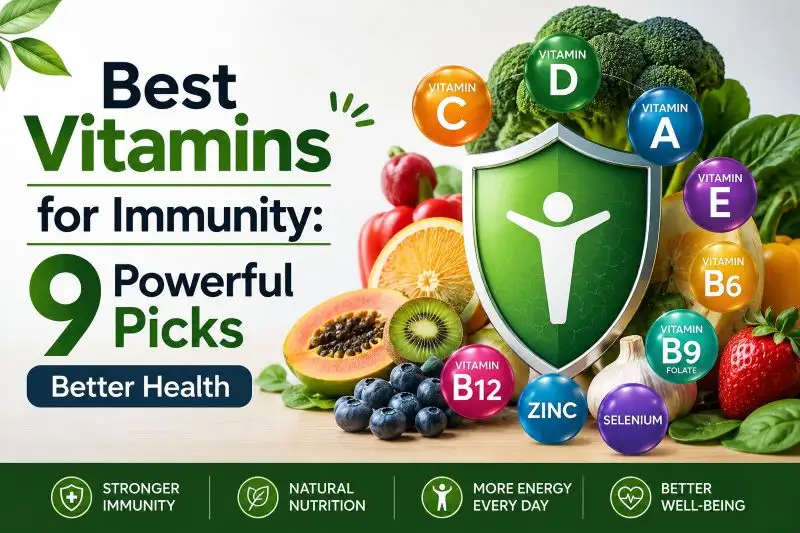
Discover the best Vitamins for Immunity with 9 powerful picks to strengthen your immune system, boost wellness, and support better health naturally.
Introduction: Best Vitamins for Immunity
A healthy immune system is essential for protecting your body from viruses, bacteria, and other harmful germs that can cause illness. Every day, your immune system works continuously to identify and eliminate potential threats before they affect your health. Although no single vitamin can completely prevent infections or diseases, consuming the right nutrients consistently helps your body’s natural defense system perform at its best. Along with eating nutritious foods, maintaining regular physical activity, getting enough restful sleep, staying hydrated, and managing stress are all important habits that contribute to stronger immunity.
One of the most effective ways to support your body’s defense mechanisms is by ensuring you receive enough Vitamins for Immunity through a balanced diet or, when recommended by a healthcare professional, appropriate supplements. These essential vitamins help produce immune cells, reduce oxidative stress, support healthy skin barriers, and improve your body’s ability to respond to infections.
In this comprehensive guide, you’ll discover the most important Vitamins for Immunity, their key health benefits, natural food sources, common signs of deficiency, and practical ways to include them in your daily routine. Whether your goal is to stay healthier during seasonal changes, reduce the risk of common illnesses, or improve your overall well-being, understanding these essential vitamins can help you make smarter nutritional choices for long-term health.
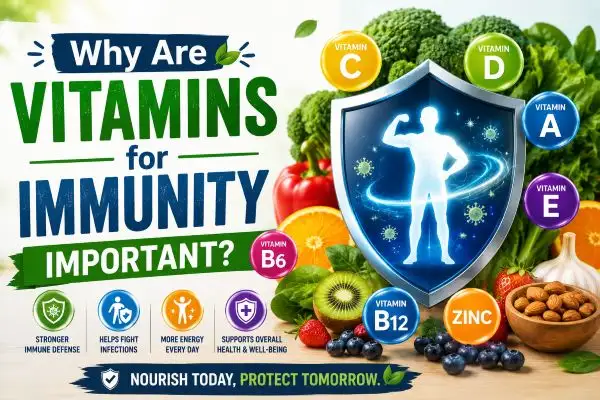
Why Are Vitamins for Immunity Important?
Your immune system is a highly organized defense network made up of cells, tissues, and organs that work together to protect your body from viruses, bacteria, fungi, and other harmful microorganisms. To function effectively, it depends on a steady supply of essential nutrients. Among these, Vitamins for Immunity are especially important because they help maintain normal immune function, support the body’s natural defenses, and contribute to overall health.
Getting enough vitamins every day can provide several important benefits, including:
- Support the production of white blood cells, which play a key role in identifying and destroying harmful germs.
- Strengthen the body’s natural defense system to better fight infections caused by bacteria and viruses.
- Reduce oxidative stress by protecting immune cells from damage caused by free radicals.
- Help control inflammation, allowing the immune system to respond more effectively when needed.
- Promote faster wound healing by supporting healthy tissue repair and regeneration.
- Maintain healthy skin and mucous membranes, which act as the body’s first protective barrier against pathogens.
- Encourage the production of antibodies, helping the body recognize and respond to future infections.
- Improve recovery after illness by supporting normal healing and restoring immune function.
Without adequate Vitamins for Immunity, your body’s defense system may not perform at its best, increasing the risk of frequent infections, slower recovery, fatigue, and reduced overall wellness. A balanced diet rich in vitamin-packed foods is one of the best ways to keep your immune system strong throughout the year.
9 Best Vitamins for Immunity
1. Vitamin C – A Powerful Nutrient for Stronger Immunity
Vitamin C is one of the most essential Vitamins for Immunity because it helps strengthen your body’s natural defense system. As a powerful antioxidant, it protects immune cells from damage caused by harmful free radicals while supporting the production and function of white blood cells. Regular consumption of Vitamin C-rich foods can help your body respond more effectively to infections and promote overall wellness.
Key Benefits of Vitamin C
- Boosts white blood cell production to help the immune system fight harmful pathogens.
- Supports the body’s natural defenses against common viral and bacterial infections.
- Protects cells from oxidative stress through its strong antioxidant properties.
- Promotes faster wound healing by supporting collagen production and tissue repair.
- Improves iron absorption, helping reduce the risk of iron deficiency.
- Maintains healthy skin, which serves as the body’s first barrier against germs.
Best Food Sources of Vitamin C
Include these Vitamin C-rich foods in your daily diet:
- Oranges
- Lemons
- Grapefruit
- Kiwi
- Strawberries
- Bell peppers
- Broccoli
- Tomatoes
Recommended Daily Intake
Most healthy adults require approximately 75–90 mg of Vitamin C per day, although individual needs may vary depending on age, lifestyle, and health conditions.
Signs of Vitamin C Deficiency
A lack of Vitamin C may lead to:
- Frequent colds or infections
- Persistent tiredness
- Slow healing of cuts and wounds
- Swollen or bleeding gums
- Joint discomfort and muscle weakness
Eating a balanced diet rich in fresh fruits and vegetables is one of the easiest and most effective ways to maintain healthy Vitamin C levels and support a strong immune system.

2. Vitamin D – A Key Nutrient for a Strong Immune System
Vitamin D is one of the most important nutrients for maintaining a healthy immune system. It helps regulate both the body’s immediate (innate) and long-term (adaptive) immune responses, enabling your body to fight infections more effectively. Optimal Vitamin D levels contribute to stronger bones, healthier muscles, and improved overall well-being. Research suggests that people with low Vitamin D levels may be more susceptible to respiratory illnesses and seasonal infections. Getting enough Vitamin D through sunlight, food, or supplements can help support optimal immune function and overall health.
Benefits
- Activates immune cells
- Supports bone health
- Helps reduce inflammation
- Maintains muscle strength
- Supports mood
Natural Sources
- Sunlight
- Salmon
- Sardines
- Tuna
- Egg yolks
- Fortified milk
- Mushrooms exposed to sunlight
Daily Tips
Spend moderate time outdoors and include vitamin D-rich foods regularly.
Deficiency Signs
- Weak immunity
- Bone pain
- Muscle weakness
- Fatigue
3. Vitamin A – Supporting Your Body’s Natural Protective Barrier
Vitamin A is an essential nutrient that helps strengthen your body’s first line of defense against harmful microorganisms. It plays a vital role in maintaining healthy skin and mucous membranes, which serve as protective barriers in areas such as the respiratory and digestive systems. These barriers help prevent bacteria, viruses, and other pathogens from entering the body. In addition to supporting immune function, Vitamin A also contributes to healthy vision, normal cell growth, and overall wellness, making it an important part of a balanced diet.
Benefits
- Supports vision
- Maintains healthy skin
- Promotes immune cell growth
- Helps protect the lungs
- Supports gut health
Rich Food Sources
- Carrots
- Sweet potatoes
- Pumpkin
- Spinach
- Kale
- Liver
- Eggs
Deficiency Symptoms
- Night blindness
- Dry skin
- Frequent infections
- Poor wound healing
4. Vitamin E – Powerful Antioxidant Protection
Vitamin E is an important antioxidant that helps protect your body’s immune cells from damage caused by free radicals. By reducing oxidative stress, it supports the normal function of the immune system and helps the body respond more effectively to infections. In addition to its immune-supporting role, Vitamin E contributes to healthy skin, protects body tissues, and promotes overall cellular health. Including Vitamin E-rich foods in your daily diet can help maintain a strong immune system and support long-term wellness.
Benefits
- Supports healthy immune cells
- Protects body tissues
- Promotes skin health
- Reduces oxidative stress
- Supports heart health
Best Sources
- Almonds
- Sunflower seeds
- Spinach
- Avocados
- Peanuts
- Hazelnuts
Deficiency Symptoms
- Muscle weakness
- Vision problems
- Reduced immunity
5. Vitamin B6 – Supports Antibody Production
Vitamin B6 is a vital nutrient that supports the immune system by helping the body produce antibodies that fight harmful bacteria and viruses. It also plays an important role in improving communication between immune cells, allowing them to respond more effectively to infections. Beyond immune support, Vitamin B6 contributes to healthy brain function, red blood cell production, and energy metabolism. Including Vitamin B6-rich foods in your diet can help strengthen your body’s natural defenses and promote overall health.
Benefits
- Helps create antibodies
- Supports metabolism
- Promotes brain function
- Helps produce red blood cells
Food Sources
- Chicken
- Turkey
- Bananas
- Potatoes
- Chickpeas
- Fish
Deficiency Symptoms
- Fatigue
- Skin rash
- Weakened immunity
- Depression
6. Vitamin B12 – Energy and Immune Health
Vitamin B12 plays an essential role in maintaining a healthy immune system and supporting the production of red blood cells. It also helps keep your nervous system functioning properly and assists the body in producing DNA, the genetic material found in every cell. Adequate Vitamin B12 intake can improve energy levels and contribute to overall well-being.
Benefits of Vitamin B12
- Supports healthy nerve function for effective communication throughout the body.
- Helps produce DNA, which is essential for cell growth and repair.
- Maintains healthy red blood cells, promoting efficient oxygen transport.
- Helps the body convert food into energy, reducing fatigue and supporting overall vitality.
Best Food Sources
Include these Vitamin B12-rich foods in your daily diet:
- Fish
- Lean meat
- Milk and other dairy products
- Eggs
- Fortified breakfast cereals
Symptoms of Vitamin B12 Deficiency
Low Vitamin B12 levels may cause:
- Ongoing weakness or fatigue
- A pins-and-needles sensation or numbness in the hands and feet.
- Memory and concentration difficulties
- Anemia caused by reduced healthy red blood cells
Consuming enough Vitamin B12 through a balanced diet can help support both immune health and long-lasting energy.
7. Folate (Vitamin B9)
Folate, also known as Vitamin B9, is an essential nutrient that plays a key role in the growth and development of healthy cells. It supports the production of new immune cells, helping your body’s defense system respond effectively to infections. Folate is also important for DNA formation, tissue repair, and the creation of healthy red blood cells. Getting enough Folate through a balanced diet can strengthen immune function, support overall wellness, and contribute to healthy growth and normal body functions throughout every stage of life.
Benefits
- Supports new cell formation
- Helps DNA production
- Promotes healthy pregnancy
- Supports immune function
Rich Foods
- Spinach
- Lentils
- Beans
- Broccoli
- Asparagus
- Avocados
Deficiency Signs
- Fatigue
- Mouth sores
- Poor concentration
- Weak immunity
8. Vitamin K – More Than Bone Health
Vitamin K is widely recognized for its role in maintaining strong bones and supporting normal blood clotting, but its benefits extend beyond these functions. It also helps regulate immune system activity and contributes to the body’s natural defense mechanisms. By supporting a balanced immune response, Vitamin K plays an important part in overall health and wellness. Including Vitamin K-rich foods such as leafy green vegetables in your daily diet can help promote healthy immune function while also supporting bone strength and cardiovascular health.
Benefits
- Supports healthy bones
- Helps proper blood clotting
- Supports immune balance
- Reduces inflammation
Food Sources
- Kale
- Spinach
- Broccoli
- Brussels sprouts
- Cabbage
9. Vitamin B3 (Niacin)
Vitamin B3, also known as niacin, is an essential nutrient that helps your body transform the food you eat into usable energy. It also supports the normal functioning of the immune system by promoting healthy cellular activity and aiding the body’s natural defense mechanisms. In addition to its immune benefits, niacin contributes to healthy skin, proper nervous system function, and efficient metabolism. Including niacin-rich foods in your daily diet can help maintain energy levels, support overall wellness, and strengthen your body’s ability to stay healthy.
Benefits
- Supports metabolism
- Promves skin health
- Helps repair DNA
- Supports healthy immune cells
Food Sources
- Chicken
- Turkey
- Tuna
- Brown rice
- Peanuts
- Mushrooms
Deficiency Symptoms
- Skin irritation
- Fatigue
- Digestive issues
Best Foods Rich in Vitamins for Immunity
Eating a colorful, balanced diet is one of the easiest ways to support your immune system. Include:
- Citrus fruits
- Leafy green vegetables
- Sweet potatoes
- Carrots
- Nuts
- Seeds
- Eggs
- Yogurt
- Fish
- Lean meats
- Lentils
- Beans
- Whole grains
The more variety you eat, the broader range of vitamins and minerals your body receives.
Lifestyle Habits That Improve Immunity
Even the best vitamins work best when paired with healthy habits.
- Eat a Balanced Diet: Make whole, nutrient-rich foods your priority over processed snacks.
- Stay Hydrated: Water helps transport nutrients throughout your body.
- Exercise Regularly: Aim to stay active with a minimum of 150 minutes of moderate physical activity each week.
- Sleep Well: Adults should generally get 7–9 hours of quality sleep each night.
- Manage Stress: Long-term stress may weaken immune function. Practices such as meditation, yoga, and deep breathing exercises can help lower stress levels.
- Avoid Smoking: Smoking damages immune cells and increases disease risk.
- Limit Alcohol: Excessive alcohol can interfere with immune responses.
Can Supplements Replace Healthy Food?
No. Supplements are intended to support a balanced diet, not replace nutritious whole foods.
Whole foods provide:
- Fiber
- Antioxidants
- Phytochemicals
- Healthy fats
- Protein
- Minerals
Whole foods contain nutrients that work together naturally, offering benefits that supplements alone cannot fully provide. If you suspect a vitamin deficiency or have specific dietary restrictions, consult a healthcare professional before starting supplements.
Signs Your Immune System May Need Nutritional Support
You may benefit from reviewing your diet if you experience:
- Frequent colds
- Slow wound healing
- Constant fatigue
- Digestive problems
- Recurrent infections
- Dry skin
- Brittle hair
- Poor recovery after illness
Many of these symptoms can have multiple causes, so seek medical advice for persistent concerns.
Common Mistakes to Avoid
Many people unknowingly reduce the effectiveness of their nutrition by making these mistakes:
- Taking Mega Doses: More isn’t always better. Consuming excessive amounts of certain vitamins can be harmful and may increase the risk of health problems.
- Ignoring Food Quality: Supplements cannot compensate for a poor diet.
- Skipping Breakfast: A nutritious breakfast helps provide essential nutrients early in the day.
- Drinking Too Little Water: Hydration supports every system in the body, including immunity.
- Poor Sleep Habits: Lack of sleep reduces immune performance.
Frequently Asked Questions
Which are the most effective Vitamins for Immunity? Several vitamins contribute to a healthy immune system, but Vitamin C and Vitamin D are among the most widely recognized for their immune-supporting properties. Other essential nutrients, including Vitamin A, Vitamin E, and B-complex vitamins, also play important roles in helping the body defend itself against infections. A balanced intake of Vitamins for Immunity is more beneficial than relying on just one vitamin.
Can Vitamins for Immunity completely prevent illness? No. Although Vitamins for Immunity help your immune system function properly, they cannot completely prevent illnesses or infections. Maintaining a healthy lifestyle, eating a nutritious diet, exercising regularly, and getting enough sleep are equally important for overall immune health.
Is it better to get vitamins from food or supplements? Whenever possible, it is best to obtain Vitamins for Immunity from whole foods such as fruits, vegetables, whole grains, dairy products, lean proteins, nuts, and seeds. Supplements may be useful for people with specific deficiencies, but they should be taken only under professional guidance.
How long does it take to notice the benefits? The time varies from person to person. Factors such as your current health, nutritional status, diet, and lifestyle influence how quickly your body responds. Consistency is essential for achieving long-term immune support.
Should children take immune-boosting vitamin supplements? Children should receive most of their vitamins through a balanced diet. Before giving any vitamin supplement, parents should consult a qualified pediatric healthcare professional to ensure it is safe and appropriate for their child’s age and nutritional needs.
Final Thoughts
Building a resilient immune system is an ongoing process that depends on healthy daily habits rather than a single nutrient or supplement. While vitamins play a vital role in supporting your body’s natural defenses, they are most effective when combined with a balanced diet, regular exercise, quality sleep, proper hydration, and effective stress management. These lifestyle choices work together to help your immune system respond efficiently to everyday health challenges.
The essential Vitamins for Immunity discussed in this guide—including Vitamin C, Vitamin D, Vitamin A, Vitamin E, Vitamin B6, Vitamin B12, Folate, Vitamin K, and Vitamin B3—each provide unique benefits that contribute to overall immune health. From supporting the production of immune cells to protecting the body against oxidative stress and maintaining healthy tissues, these nutrients are key to keeping your immune system functioning properly.
Whenever possible, choose nutrient-rich whole foods such as colorful fruits, leafy vegetables, whole grains, lean proteins, dairy products, nuts, seeds, and legumes to meet your daily vitamin needs. If you believe you have a deficiency or specific nutritional concerns, seek guidance from a qualified healthcare professional before taking supplements. By making informed food choices and prioritizing the right Vitamins for Immunity, you can strengthen your body’s natural defense system, promote long-term wellness, and enjoy a healthier, more active life throughout every season of the year.