
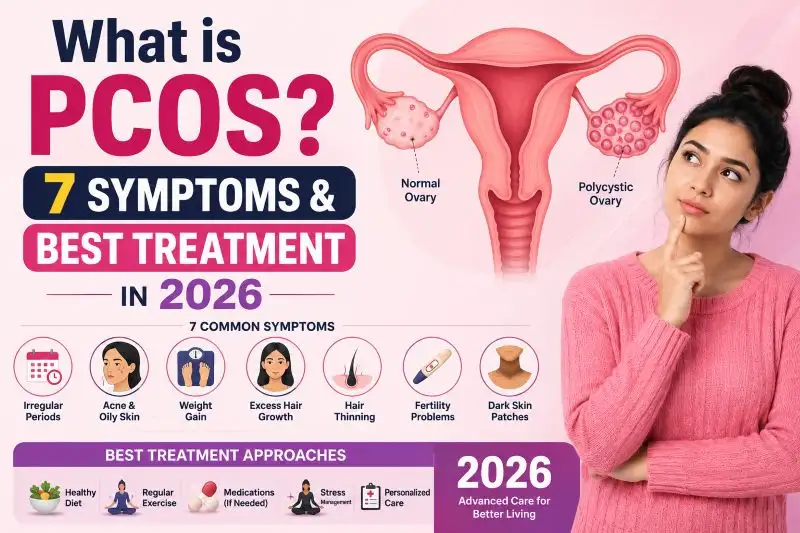
What is PCOS? Discover the top 7 warning symptoms, hidden causes, and the best natural treatments to reverse PCOS effectively in 2026.
Introduction: What is PCOS? Symptoms & Best Treatment
Polycystic Ovary Syndrome, commonly known as PCOS, is a widespread hormonal condition that affects millions of women during their reproductive years. Many women first notice symptoms such as irregular menstrual cycles, persistent acne, unexpected weight gain, excessive hair growth, or difficulties becoming pregnant. Because these symptoms can vary from person to person, many individuals remain unaware that they may have PCOS and often wonder, “What is PCOS?”
PCOS develops when hormonal imbalances interfere with the normal functioning of the ovaries. This can affect ovulation, reproductive health, metabolism, and even long-term wellness. Despite being a common diagnosis, the severity and symptoms differ uniquely for every female. Some may experience only mild symptoms, while others face more serious challenges related to fertility, weight management, or insulin resistance.
The encouraging news is that awareness, diagnosis, and treatment options for PCOS have improved considerably in recent years. Advances in medical research, personalized healthcare approaches, and lifestyle management strategies have made it easier for women to control symptoms and improve their quality of life. Early diagnosis and proper treatment can also help reduce the risk of future health complications.
In this comprehensive guide, you will discover what PCOS is, what causes it, the most common symptoms to watch for, how it is diagnosed, and the best treatment options available in 2026.
What is PCOS?
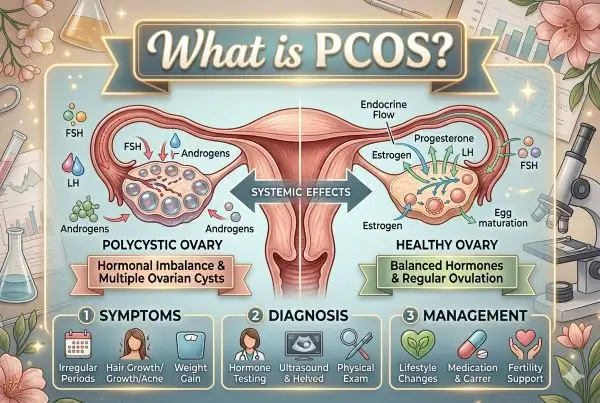
Polycystic Ovary Syndrome (PCOS) is a common hormonal condition that primarily affects women during their reproductive years. It occurs when the body’s hormone levels become imbalanced, particularly due to an increase in androgens, often referred to as male hormones. Although these hormones are naturally present in women, elevated levels can disrupt the normal functioning of the ovaries and reproductive system.
One of the key effects of PCOS is its impact on ovulation. Under normal circumstances, the ovaries release a mature egg each month as part of the menstrual cycle. However, women with PCOS may ovulate infrequently or not at all. This can lead to irregular menstrual periods, difficulties with fertility, and other hormone-related symptoms.
The name “Polycystic Ovary Syndrome” comes from the small fluid-filled sacs, or follicles, that may develop on the ovaries. These follicles contain immature eggs that fail to mature and release properly. However, it is important to understand that not all women diagnosed with PCOS have ovarian cysts, and the condition can still be present without them.
PCOS is recognized as one of the most common endocrine disorders among women worldwide, affecting millions of individuals. It is also a leading cause of infertility, making early diagnosis and proper management essential for maintaining reproductive and overall health.
What Causes PCOS?
While medical experts don’t fully understand the exact origin of PCOS, they know it isn’t caused by a single issue. Instead, a combination of key underlying factors typically works together to trigger the condition.
1. Insulin Resistance
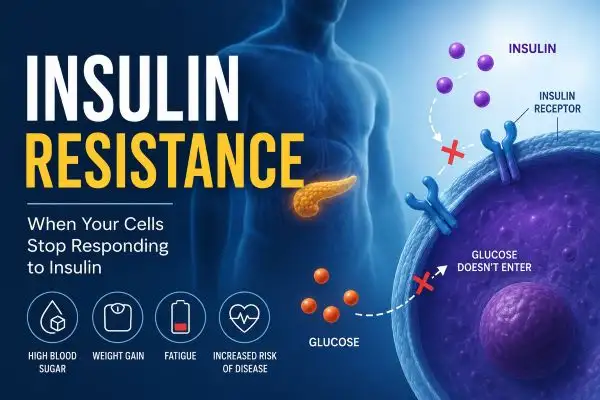
Insulin resistance is a common condition among women with PCOS and plays a major role in the development of symptoms. This condition arises when cellular resistance blocks insulin from effectively regulating glucose within the bloodstream. To compensate, the pancreas produces more insulin, leading to elevated insulin levels in the bloodstream. High insulin levels can contribute to weight gain, increased androgen production, irregular menstrual cycles, and other hormonal imbalances associated with PCOS. Managing insulin resistance is often a key part of effective PCOS treatment.
High insulin levels can:
- Increase androgen production
- Promote weight gain
- Trigger acne
- Worsen PCOS symptoms
2. Hormonal Imbalance
Hormonal imbalance is one of the primary factors associated with PCOS. Women with this condition often have higher levels of androgens, sometimes called male hormones, than their bodies need. Excess androgen production can interfere with the normal release of eggs from the ovaries, leading to irregular ovulation or the absence of ovulation altogether. As a result, menstrual cycles may become unpredictable or infrequent. This hormonal disruption can also contribute to other common PCOS symptoms, including acne, excessive hair growth, and fertility challenges.
Hormonal changes may include:
- Elevated testosterone levels
- Increased luteinizing hormone (LH)
- Lower progesterone production

3. Genetics
Genetics is believed to play an important role in the development of PCOS. Research suggests that the condition can run in families, indicating that inherited genes may increase a woman’s likelihood of developing hormonal imbalances associated with PCOS. Although scientists have not identified a single gene responsible for the condition, multiple genetic factors may contribute to its occurrence.
Women with a close family member who has PCOS, such as a mother, sister, or grandmother, may have a higher risk of experiencing the disorder themselves. An inherited family history of metabolic disorders, such as type 2 diabetes, significantly elevates a person’s susceptibility. Understanding your family’s medical background can help with early detection and timely management of PCOS symptoms.
4. Chronic Inflammation
Chronic low-grade inflammation is considered one of the factors that may contribute to the development and progression of PCOS. Unlike the inflammation that occurs during an injury or infection, this type of inflammation is ongoing and often goes unnoticed. Studies suggest that persistent inflammation can encourage the ovaries to produce higher levels of androgens, which may worsen hormonal imbalances and interfere with normal reproductive function.
In addition to affecting hormone levels, chronic inflammation may also play a role in insulin resistance, a common issue among women with PCOS. When the body’s cells become less responsive to insulin, blood sugar regulation becomes more difficult, potentially leading to weight gain and metabolic complications. Adopting a healthy lifestyle, including a balanced diet, regular exercise, and stress management, may help reduce inflammation and improve overall PCOS management.
5. Lifestyle Factors
Although lifestyle choices do not primary trigger PCOS, they remain a critical factor in managing or aggravating the disorder. Certain unhealthy routines can act as fuel, significantly worsening your hormonal imbalances and intensifying your daily symptoms.
- Sedentary lifestyle
- Poor diet
- Obesity
- Chronic stress
- Lack of sleep
7 Common Symptoms of PCOS
Recognizing symptoms early can help women receive timely treatment.
1. Irregular Periods
One of the most common signs of PCOS is an irregular menstrual cycle.
Women may experience:
- Missed periods
- Long gaps between cycles
- Heavy bleeding
- Very light periods
Irregular ovulation causes these menstrual changes.
2. Excess Hair Growth
High androgen levels may lead to excessive hair growth, known as hirsutism.
Common areas include:
- Face
- Chin
- Chest
- Back
- Abdomen
This symptom affects many women with PCOS.
3. Acne and Oily Skin
Hormonal imbalances often increase oil production.
As a result, women may experience:
- Persistent acne
- Oily skin
- Breakouts on the face, chest, and back
Adult acne can be a significant indicator of PCOS.
4. Weight Gain
Many women with PCOS find it difficult to maintain a healthy weight.
Weight gain often occurs around:
- Abdomen
- Waistline
- Midsection
Insulin resistance plays a major role in this symptom.
5. Hair Thinning
While excess body hair increases, scalp hair may become thinner.
Women may notice:
- Hair shedding
- Reduced hair volume
- Female-pattern hair loss
This occurs due to elevated androgen levels.
6. Fertility Problems
Polycystic Ovary Syndrome (PCOS) is one of the most common conditions linked to fertility challenges in women. A key reason is irregular ovulation, which means the ovaries do not consistently release an egg each month. Since regular ovulation is essential for conception, these disruptions can make it more difficult for couples to achieve pregnancy naturally. The severity of fertility issues varies from person to person, depending on hormone levels, lifestyle factors, and overall reproductive health.
Many women first learn they have PCOS while seeking answers for difficulties with becoming pregnant. After experiencing difficulty becoming pregnant, medical evaluations often reveal underlying hormonal imbalances associated with the condition. While PCOS can create obstacles, it does not mean pregnancy is impossible. With proper medical guidance, lifestyle adjustments, and fertility treatments when needed, many women with PCOS successfully conceive and build healthy families. Early diagnosis and personalized care can significantly improve reproductive outcomes.
7. Dark Skin Patches
Some women develop dark, velvety skin patches.
Common locations include:
- Neck
- Armpits
- Groin
This condition, called acanthosis nigricans, is often linked to insulin resistance.
Additional Symptoms of PCOS
Beyond the seven major symptoms, women may also experience:
- Mood swings
- Depression
- Anxiety
- Fatigue
- Sleep disturbances
- Pelvic pain
- Headaches
- Difficulty concentrating
Symptoms vary from person to person.
Who Is at Risk of Developing PCOS?
Several factors may increase the likelihood of developing PCOS.
Risk factors include:
- Family history
- Obesity
- Insulin resistance
- Type 2 diabetes
- Sedentary lifestyle
- Metabolic syndrome
Women can develop PCOS regardless of body weight.
How is PCOS Diagnosed?
Diagnosing PCOS requires a medical evaluation.
Healthcare providers often use the Rotterdam Criteria.
A diagnosis usually requires two of the following:
Irregular Ovulation
Irregular or absent menstrual periods.
High Androgen Levels
Confirmed through:
- Symptoms
- Blood tests
Polycystic Ovaries
Detected through ultrasound imaging.
Tests Used to Diagnose PCOS
Doctors may recommend several tests.
Blood Tests
Blood tests evaluate:
- Testosterone levels
- Insulin levels
- Blood sugar
- Cholesterol
- Thyroid function
Pelvic Ultrasound
An ultrasound helps examine:
- Ovaries
- Follicles
- Reproductive organs
Physical Examination
Doctors may assess:
- Hair growth patterns
- Weight
- Blood pressure
- Skin changes
Health Complications Associated with PCOS
Untreated PCOS can increase the risk of several health problems.
- Type 2 Diabetes: Insulin resistance significantly raises diabetes risk.
- High Blood Pressure: Many women with PCOS experience elevated blood pressure levels.
- Heart Disease:PCOS can increase cardiovascular disease risk factors.
- Sleep Apnea:Obesity and hormonal changes contribute to sleep disorders.
- Endometrial Cancer: Irregular periods may increase the risk of abnormal uterine lining growth.
- Mental Health Disorders: Women with PCOS are more likely to experience – 1. Anxiety, 2. Depression, 3. Low self-esteem
Best Treatments for PCOS in 2026
Although there is no permanent cure, modern treatment approaches can effectively manage symptoms.
1. Lifestyle Changes
Lifestyle modification remains the first-line treatment.
Healthy Diet
Focus on:
- Whole grains
- Vegetables
- Fruits
- Lean proteins
- Healthy fats
Avoid:
- Excess sugar
- Processed foods
- Sugary beverages
Regular Exercise
Physical activity improves:
- Insulin sensitivity
- Weight management
- Hormonal balance
Aim for:
- 150 minutes of exercise weekly
Better Sleep
Quality sleep supports hormonal health and metabolism.
Adults should target:
- 7–9 hours nightly
2. Weight Management
Even a modest weight loss of 5–10% can improve:
- Ovulation
- Menstrual regularity
- Fertility
- Insulin resistance
Weight management remains one of the most effective PCOS treatments.
3. Birth Control Pills
Hormonal contraceptives help regulate menstrual cycles.
Benefits include:
- Reduced acne
- Lower androgen levels
- More predictable periods
They are commonly prescribed for women not seeking pregnancy.
4. Insulin-Sensitizing Medications
Metformin continues to be widely used in 2026.
Benefits may include:
- Improved insulin sensitivity
- Better menstrual regularity
- Support for weight management
Always use medication under medical supervision.
5. Fertility Treatments
Women trying to conceive may benefit from fertility therapies.
Options include:
- Ovulation-inducing medications
- Hormonal treatments
- Assisted reproductive technologies
Many women with PCOS successfully become pregnant with proper treatment.
6. Acne Treatments
Dermatologists may recommend:
- Prescription creams
- Hormonal therapies
- Oral medications
Treatment depends on symptom severity.
7. Hair Growth Management
Options include:
- Laser hair removal
- Electrolysis
- Prescription medications
- Cosmetic treatments
These methods help manage excess hair growth effectively.
New Advances in PCOS Treatment in 2026
Medical research continues to improve PCOS management.
Emerging areas include:
Personalized Treatment Plans
Doctors increasingly tailor therapies based on:
- Hormone profiles
- Genetics
- Metabolic health
Digital Health Monitoring
Health apps now help women track:
- Menstrual cycles
- Symptoms
- Weight
- Ovulation
This improves treatment outcomes.
Advanced Fertility Solutions: Modern fertility treatments offer higher success rates than previous years.
Improved Weight-Loss Therapies: New metabolic treatments may help women with severe insulin resistance and obesity manage symptoms more effectively.
Can PCOS Be Prevented?
There is currently no proven method that can completely prevent Polycystic Ovary Syndrome (PCOS). The condition is influenced by a combination of genetic, hormonal, and environmental factors, many of which are beyond an individual’s control. However, adopting a healthy lifestyle may help reduce the severity of symptoms and lower the risk of related health complications.
Maintaining a balanced diet, engaging in regular physical activity, managing stress, and achieving a healthy weight can support hormone balance and improve overall well-being. These habits may also help regulate menstrual cycles and enhance long-term reproductive and metabolic health.
Helpful strategies include:
- Maintaining a healthy weight
- Exercising regularly
- Eating balanced meals
- Managing stress
- Getting enough sleep
- Attending routine health checkups
Early intervention often leads to better long-term outcomes.
Living Successfully with PCOS
Many women live healthy and fulfilling lives despite having PCOS.
Successful management often involves:
- Consistent medical care
- Healthy nutrition
- Regular exercise
- Stress reduction
- Hormonal management
- Monitoring symptoms
With proper treatment, many women achieve:
- Regular periods
- Improved fertility
- Better skin health
- Healthy weight management
- Reduced long-term health risks
Frequently Asked Questions
Can PCOS be permanently cured?
Currently, there is no absolute cure for PCOS. However, you can successfully control and reverse its symptoms by adopting a healthy lifestyle, changing your diet, and following proper medical guidance.
Can a woman still get pregnant with PCOS?
Yes, absolutely. A PCOS diagnosis doesn’t mean you have to give up on your dream of having a baby. While it might take a bit more time, many women get pregnant naturally or with the help of simple fertility treatments and hormonal balancing.
Why does PCOS make you gain weight?
PCOS directly affects how your body handles metabolism. Hormonal imbalances and insulin resistance make it much easier for your body to store fat and significantly harder to lose weight, especially around the belly.
When do the signs of PCOS typically appear?
Most women begin to notice the first warning signs during their late teenage years or early twenties, usually right around the time they get their first periods.
Can PCOS lead to serious health dangers?
While the condition itself isn’t immediately dangerous, leaving it untreated is risky. Over time, ignored PCOS can increase your chances of developing type-2 diabetes, heart problems, and long-term reproductive issues.
Conclusion
Understanding what is PCOS is an important step toward recognizing and managing one of the most common hormonal disorders affecting women today. Polycystic Ovary Syndrome can influence many aspects of health, including menstrual regularity, fertility, body weight, skin condition, and overall well-being. Because its symptoms often develop gradually, many women may not realize they have the condition until they seek medical advice for irregular periods or difficulty becoming pregnant.
Although PCOS can present ongoing challenges, it is a manageable condition when identified early and treated appropriately. Increased awareness of the symptoms allows women to seek timely medical evaluation, reducing the risk of complications such as type 2 diabetes, cardiovascular issues, and reproductive health problems. Early detection and timely care play a crucial role in preventing future health complications.
Advancements in healthcare and treatment options in 2026 have provided women with more effective ways to control PCOS symptoms than ever before. A combination of balanced nutrition, regular physical activity, stress management, medical therapies, and personalized care plans can help improve hormonal balance and overall quality of life.
If you believe you may be experiencing signs of PCOS, consulting a qualified healthcare professional is highly recommended. A proper diagnosis and individualized treatment strategy can help you manage symptoms effectively, protect your health, and support a healthier future.