

Discover the 5 Leaders Who Changed History and their secrets to resilience. Learn how these iconic figures overcame adversity to reshape the world.
Introduction: 5 Leaders Who Changed History
History has been shaped by extraordinary individuals who dared to challenge the status quo and lead people through difficult times. These influential figures did more than hold positions of authority; they inspired hope, encouraged progress, and created lasting changes that continue to impact societies today. Their journeys demonstrate how determination, vision, and perseverance can overcome even the toughest obstacles.
Great leaders are often remembered not only for their achievements but also for the challenges they faced along the way. Many encountered failure, opposition, personal hardship, or political resistance. Instead of giving up, they used these experiences as opportunities to grow stronger and pursue their goals with even greater determination. Their stories serve as powerful examples of resilience and leadership in action.
In the modern world, where people face constant change and uncertainty, the lessons from these historical figures remain highly relevant. Entrepreneurs, students, professionals, and aspiring leaders can learn valuable strategies for overcoming setbacks, adapting to challenges, and inspiring others. Understanding how remarkable leaders navigated adversity can help us develop confidence and strengthen our own leadership abilities.
This article examines the 5 Leaders Who Changed History, exploring their accomplishments, struggles, and the enduring lessons they offer about resilience, courage, and the power of positive leadership.
Why Leadership and Resilience Matter
Leadership and resilience are two essential qualities that play a significant role in achieving success and creating positive change. Leadership involves the ability to inspire, guide, and influence individuals or groups toward accomplishing shared goals. Effective leaders provide direction, build trust, and encourage others to perform at their best. Resilience, on the other hand, is the strength to recover from setbacks, adapt to new circumstances, and continue progressing despite obstacles or failures.
Throughout history, many influential leaders have faced difficult situations that tested their determination and character. Whether dealing with political opposition, social challenges, personal hardships, or unexpected failures, they refused to give up on their vision. Their ability to remain focused and persistent during challenging times often became the foundation of their success. Rather than allowing difficulties to defeat them, they used those experiences as opportunities to learn, grow, and become stronger.
In today’s fast-paced and ever-changing world, leadership and resilience are more important than ever. People regularly encounter uncertainty, competition, and unexpected challenges in both their personal and professional lives. By studying the experiences of great leaders, we can gain valuable insights into overcoming adversity, making confident decisions, and staying committed to our goals. Developing these qualities can help individuals become more effective leaders, stronger problem-solvers, and better equipped to handle life’s challenges with confidence and determination.
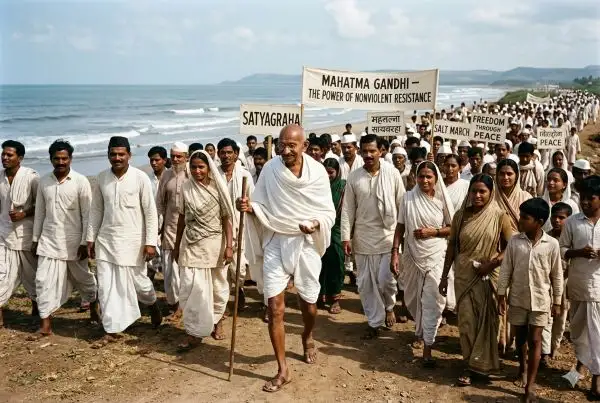
1. Mahatma Gandhi – The Power of Nonviolent Resistance
- Formative Years and Structural Obstacles Born in 1869, Mohandas Gandhi grew up in an India tightly controlled by the British Empire, where local citizens endured severe financial strain, social stratification, and systemic disenfranchisement. A definitive shift in his worldview occurred during his time in South Africa, where he was forcibly ejected from a first-class train compartment solely due to racial prejudice. This profound injustice ignited his lifelong dedication to fighting inequality.
- Milestones in Peaceful Mobilization Gandhi successfully spearheaded the Indian independence campaign by championing passive resistance and widespread civil disobedience. He firmly rejected armed conflict, proving instead that collective, peaceful non-cooperation could dismantle colonial authority. By mobilizing millions under a unified banner, he demonstrated that ethical persuasion and nonviolence possess the strength to disrupt formidable empires.
- An Example of Enduring Resolve Gandhi refused to compromise his commitment to peaceful protest, despite constant political backlash and numerous arrests. His legacy proves that authentic power does not stem from physical might, but from an unyielding dedication to moral principles during times of severe adversity.
Core Takeaway: Genuine leadership requires holding fast to foundational ethics, even when subjected to intense institutional opposition.
2. Abraham Lincoln – Leading Through Division
Early Struggles and Humble Beginnings
Born in 1809 into a poor family, Abraham Lincoln faced many hardships from an early age. He had very little formal education and spent much of his youth teaching himself through books and personal study. Before achieving national success, Lincoln experienced numerous disappointments. He lost several political elections, encountered financial difficulties, and suffered painful personal losses. Despite these challenges, he remained determined to improve himself and pursue his goals.
- Leadership During a National Crisis: Lincoln became the 16th President of the United States at a time when the nation was facing one of the greatest crises in its history—the American Civil War. The country was divided by deep political and social conflicts, and many people questioned whether the Union could survive. As president, Lincoln demonstrated remarkable courage, patience, and determination. He worked tirelessly to preserve the nation and promote the ideals of freedom and equality.
- Lasting Impact on History: Under Lincoln’s leadership, the United States remained united through years of conflict. His commitment to justice helped pave the way for the abolition of slavery, creating a lasting legacy that continues to influence the world today. His vision and perseverance transformed the nation during a period of immense uncertainty.
- Lesson in Resilience:Lincoln’s life proves that success is not determined by how many times a person fails but by their willingness to continue moving forward.
Key Leadership Lessons:
- Never let failure define your future.
- Learn valuable lessons from setbacks.
- Stay committed to long-term goals.
- Lead with courage during difficult times.
- Persistence and determination create lasting success.

3. Nelson Mandela – Forgiveness and Determination
Early Life and Struggle Against Apartheid
Nelson Mandela was born in 1918 in South Africa and grew up witnessing racial injustice under the system of apartheid. This system enforced strict segregation and denied basic rights to Black South Africans. From a young age, Mandela became involved in activism, dedicating his life to achieving equality and justice. His political activities led to his arrest, and he spent 27 years in prison for his resistance against apartheid.
- Leadership Through Imprisonment and Freedom: Despite the long years of imprisonment, Mandela did not lose hope or dignity. Instead of allowing bitterness to take over, he strengthened his belief in peace and unity. After his release in 1990, he surprised the world by choosing reconciliation over revenge. He worked closely with former opponents to build a democratic and united South Africa. In 1994, Mandela became the first Black president of South Africa. His leadership helped prevent civil unrest and encouraged healing in a deeply divided nation. He showed that true leadership is about bringing people together, even after years of conflict.
- Lesson in Resilience: Mandela’s life shows that true resilience means overcoming suffering with hope, forgiveness, and a strong sense of purpose.
Key Leadership Lessons:
- Turn pain into positive change
- Stand firm in the face of injustice
- Never lose hope during hardship
- Choose forgiveness over revenge
- Promote unity instead of division

4. Winston Churchill – Courage During Uncertainty
Early Challenges and Criticism
Before rising to global prominence, Winston Churchill faced several disappointments in his political journey. Many people questioned his decisions, and some believed he lacked the qualities needed to lead a nation effectively. Despite criticism and failed opportunities, Churchill refused to give up on his ambitions. His persistence during difficult years helped shape his strong character and determination.
- Guiding Britain During World War II:Churchill became Prime Minister of the United Kingdom during World War II, one of the most dangerous periods in modern history. Britain was under constant threat from Nazi attacks, and fear spread across the country. During these difficult moments, Churchill used powerful speeches and confident leadership to encourage the public. His words motivated citizens to stay united, brave, and hopeful even during air raids and military setbacks.
- Leadership and Resilience Lessons: Churchill’s leadership showed the importance of courage during uncertainty. He believed that determination and confidence were essential in overcoming major challenges. Rather than surrendering to fear, he inspired people to continue fighting for freedom and peace.
Key Leadership Lesson
Great leaders give people hope, confidence, and direction when situations seem uncertain or overwhelming.
5. Martin Luther King Jr. – A Vision for Equality
Standing Against Injustice
Martin Luther King Jr. became one of the most influential leaders of the American Civil Rights Movement during the 1950s and 1960s. At that time, racial discrimination and segregation affected millions of African Americans across the United States. King strongly believed in equality, justice, and human rights. Instead of encouraging violence, he promoted peaceful protests, nonviolent resistance, and civil disobedience to challenge unfair laws and social inequality.
- Inspiring Change Through Leadership: King’s speeches and actions inspired countless people to support the fight for civil rights. His famous “I Have a Dream” speech delivered a powerful message of unity, freedom, and equal opportunity for all people. Through organized marches, campaigns, and public advocacy, he played a major role in influencing social reforms and important civil rights legislation in America.
- A Powerful Example of Resilience:Even while facing threats, arrests, criticism, and constant pressure, King remained dedicated to his mission. He continued speaking for justice with courage and determination, encouraging people to remain hopeful during difficult times.
Key Leadership Lesson
A strong vision, combined with courage and persistence, can inspire communities to overcome challenges and create lasting positive change.
Common Traits Shared by These 5 Leaders Who Changed History
Although these influential leaders came from different countries, cultures, and time periods, they shared several powerful characteristics that helped them change history.
- Clear Vision: Each leader had a strong understanding of the future they wanted to build. Their vision gave them direction and helped them stay committed even during difficult circumstances.
- Determination and Persistence: Success did not come easily for these leaders. They experienced failures, criticism, opposition, and personal struggles. However, they continued moving forward without giving up on their goals.
- Courage During Difficult Times: True leadership often involves making challenging decisions. These historical figures showed bravery even when facing danger, uncertainty, or strong resistance from others.
- Strong Values and Principles: Their leadership was guided by deeply rooted beliefs. Instead of changing their principles for personal benefit, they remained loyal to their values and convictions.
- Ability to Inspire Others:Great leadership is not only about personal success. These leaders motivated millions of people to work together, remain hopeful, and strive for meaningful social and political change.
How Modern Leaders Can Apply These Lessons
The experiences of great historical leaders still provide valuable guidance for modern leadership in business, education, politics, and everyday life.
- Accept Challenges as Opportunities:Difficult situations can help leaders develop new skills and discover creative solutions. Instead of fearing problems, effective leaders use challenges as chances to grow and improve.
- Learn from Mistakes and Failures: Failures are a natural part of success. Strong leaders treat setbacks as learning experiences that help them make better decisions in the future.
- Focus on Long-Term Vision: Successful leaders do not become distracted by temporary difficulties. They remain dedicated to their larger goals and continue working toward meaningful progress.
- Develop Strong Relationships:Trust, clear communication, and empathy help leaders build positive relationships with teams and communities. People are more willing to cooperate when they feel respected and understood.
- Practice Integrity and Honesty: Leadership becomes more effective when people see consistency, honesty, and fairness in a leader’s actions and decisions.
The Importance of Resilience in Today’s World
In an era marked by rapid technological advancements, changing market conditions, and increasing global competition, resilience has become one of the most valuable qualities a person can possess. Whether in business, education, or personal life, challenges and unexpected setbacks are inevitable. Resilience enables individuals to remain focused, adapt to new circumstances, and continue moving forward despite difficulties.
Benefits of Resilience
- Supports Adaptability: Cultivating resilience enables individuals to effectively manage workplace evolutions, new tools, and unpredictable scenarios without succumbing to stress.
- Helps Overcome Setbacks: Failures and obstacles are a natural part of life. Resilience allows people to recover more quickly and use challenges as learning opportunities.
- Builds Self-Confidence: Facing difficulties and successfully overcoming them strengthens confidence and encourages a more positive outlook on future challenges.
- Enhances Decision-Making Skills: People with resilience often remain calm under pressure, enabling them to make thoughtful and effective decisions during uncertain situations.
- Motivates and Inspires Others: Resilient leaders set a positive example for their teams, encouraging perseverance, determination, and collaboration during difficult times.
The experiences of history’s most influential leaders demonstrate that resilience is often the key factor separating temporary failure from long-term success. Their journeys remind us that perseverance, adaptability, and determination can help individuals achieve meaningful goals and create a lasting impact on the world.
Frequently Asked Questions (FAQs)
Who are considered the most influential leaders in history?
Several historical figures are widely recognized for their extraordinary impact on the world. Leaders such as Mahatma Gandhi, Abraham Lincoln, Nelson Mandela, Winston Churchill, and Martin Luther King Jr. are often celebrated for their contributions to freedom, equality, justice, and social progress. Their actions continue to inspire people across generations.
Why does resilience matter in leadership?
Resilience is an important leadership trait because it helps individuals remain focused and effective during difficult situations. Resilient leaders can handle setbacks, adapt to change, and continue working toward their objectives without losing motivation.
Which characteristics were commonly shared by these influential leaders?
Although they lived in different times and circumstances, these leaders shared several key characteristics, including strong vision, determination, courage, honesty, and the ability to motivate others. These qualities helped them create lasting change in society.
How can someone develop resilient leadership skills?
Building resilience requires a willingness to learn from mistakes, maintain a positive outlook, embrace challenges, and remain committed to long-term goals. Consistent self-improvement and adaptability are also essential.
What can we learn from historical leaders?
Studying influential leaders provides valuable insights into decision-making, perseverance, and effective leadership. Their experiences offer practical lessons that can be applied in careers, education, business, and everyday life.
Conclusion
The lives of these 5 Leaders Who Changed History reveal that exceptional leadership is not defined by power alone but by perseverance, character, and the ability to inspire positive transformation. Each of these influential figures left a unique mark on the world through their actions and unwavering dedication to their beliefs. Mahatma Gandhi demonstrated how peaceful resistance can challenge injustice, while Abraham Lincoln showed that determination and persistence can overcome even the greatest setbacks. Nelson Mandela’s commitment to reconciliation highlighted the strength of forgiveness, and Winston Churchill’s leadership during difficult times proved the importance of courage under pressure. Martin Luther King Jr. inspired millions with his vision of equality and social justice.
What makes these leaders truly remarkable is their ability to face adversity without losing sight of their goals. They encountered obstacles, criticism, and hardships, yet continued moving forward with confidence and purpose. Their experiences remind us that challenges are often opportunities for personal growth and meaningful achievement.
The lessons they provide remain relevant in today’s world. Whether in business, education, community service, or personal development, resilience and strong leadership can help individuals create a lasting impact. By embracing the values of integrity, courage, and determination, we can learn from their examples and contribute positively to society. Their enduring influence proves that one person’s vision and commitment can shape the future and inspire generations to come.