
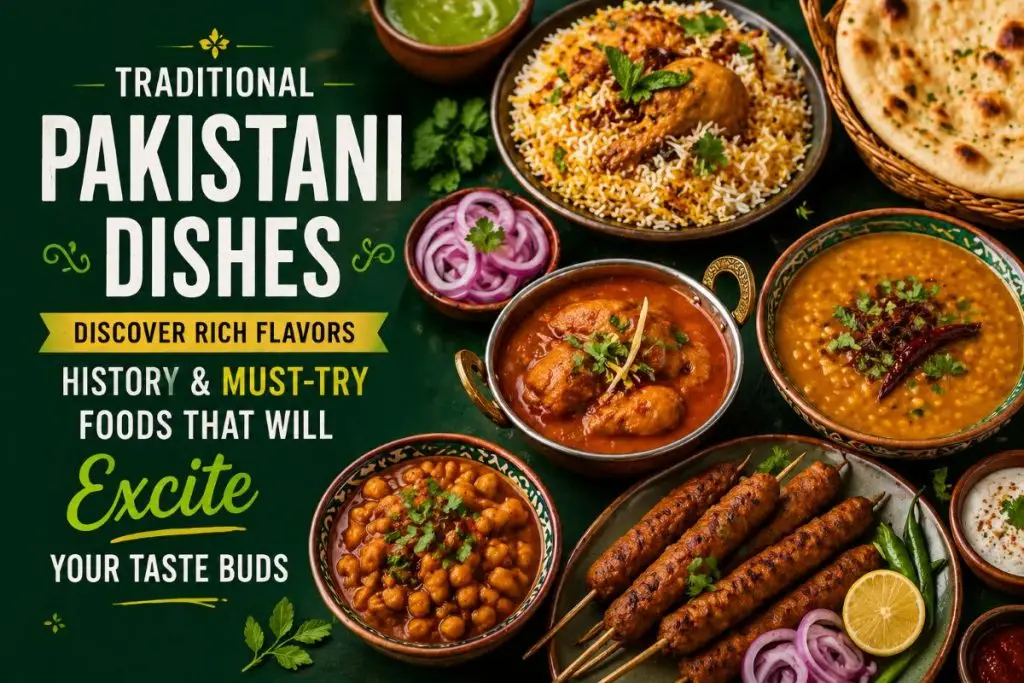
Traditional Pakistani dishes—discover rich flavors, history & must-try foods that will excite your taste buds today.
Introduction
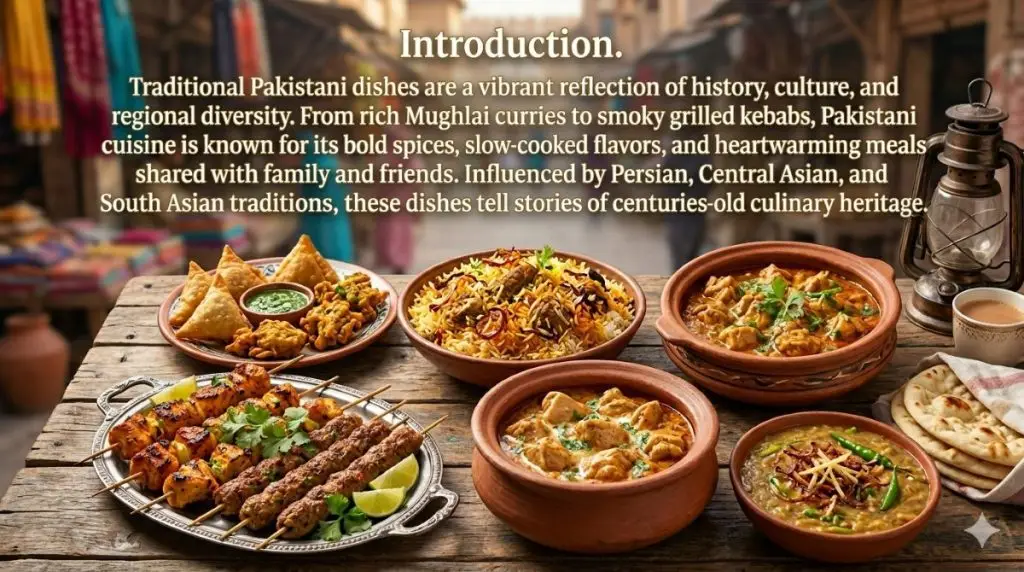
Traditional Pakistani dishes are a vibrant reflection of history, culture, and regional diversity. From rich Mughlai curries to smoky grilled kebabs, Pakistani cuisine is known for its bold spices, slow-cooked flavors, and heartwarming meals shared with family and friends.
Influenced by Persian, Central Asian, and South Asian traditions, these dishes tell stories of centuries-old culinary heritage.
In this guide, you’ll discover the most irresistible traditional Pakistani dishes, their origins, and why they continue to win hearts around the world.
🌍 The Cultural Roots of Pakistani Cuisine
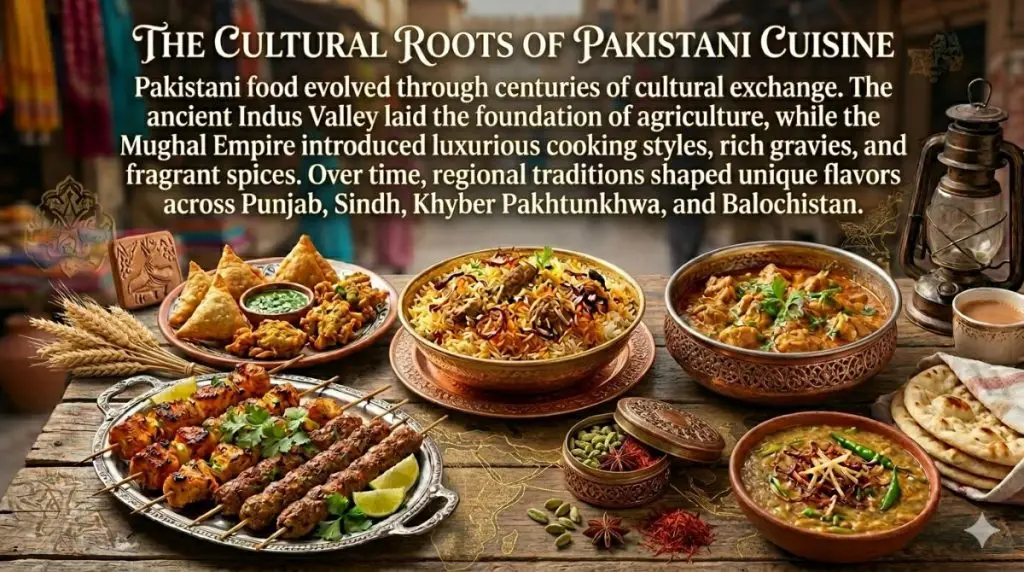
Pakistani food evolved through centuries of cultural exchange. The ancient Indus Valley laid the foundation of agriculture, while the Mughal Empire introduced luxurious cooking styles, rich gravies, and fragrant spices. Over time, regional traditions shaped unique flavors across Punjab, Sindh, Khyber Pakhtunkhwa, and Balochistan.
Food in Pakistan is deeply tied to hospitality. Whether it’s a casual meal or a festive gathering, dishes are prepared with care and shared generously.
🍽️ 15 Traditional Pakistani Dishes You Must Try
Traditional Pakistani dishes are a celebration of bold spices, slow cooking, and rich cultural heritage. Each dish carries a story—from royal Mughal kitchens to bustling street food stalls—and offers a unique taste experience. Below is a detailed guide to 15 must-try traditional Pakistani dishes, explained in a human.
1. Biryani – The Ultimate Flavor Explosion
Biryani is often called the king of traditional Pakistani dishes, and for good reason. This iconic rice dish combines long-grain basmati rice with tender meat—usually chicken, beef, or mutton—layered with yogurt, fried onions, saffron, and a complex blend of spices. The magic of biryani lies in the “dum” cooking method, where the pot is sealed and cooked slowly, allowing all flavors to infuse deeply.
Karachi biryani is famous for its spicy kick and potatoes, while Sindhi biryani stands out with tangy yogurt and dried plums. Served at weddings, Eid celebrations, and family gatherings, biryani is more than food—it’s an emotion for many Pakistanis.

2. Nihari – The Slow-Cooked Delight
Nihari is a dish rooted in Mughal history, traditionally prepared overnight and served as a hearty breakfast. Made from beef shank, bone marrow, and a rich blend of spices, nihari is slow-cooked for hours until the meat becomes incredibly tender.
The thick, flavorful gravy is often garnished with fresh ginger, green chilies, coriander, and a squeeze of lemon. It’s typically enjoyed with naan or kulcha. Nihari is especially popular in cities like Lahore and Karachi, where early morning eateries serve it fresh to eager customers.
3. Haleem – A Hearty Classic
Haleem is one of the most beloved traditional Pakistani dishes, especially during Ramadan. It’s a slow-cooked mixture of wheat, barley, lentils, and shredded meat, cooked together for hours until it reaches a smooth, paste-like consistency.
The dish is rich, nutritious, and deeply satisfying. Topped with fried onions, lemon juice, fresh herbs, and sometimes ghee, haleem offers a perfect balance of flavors and textures. It’s often prepared in large communal pots, symbolizing unity and togetherness.
4. Karahi – The Street Food Star
Karahi is a staple dish in Pakistani households and restaurants alike. Named after the wok-like pan it’s cooked in, karahi is a fast-cooked curry made with chicken or mutton, tomatoes, garlic, ginger, and green chilies.
Unlike many curries, karahi uses minimal spices, allowing the natural flavors of the ingredients to shine. It’s typically cooked over high heat and served sizzling hot, garnished with fresh coriander and ginger slices. Paired with naan or roti, karahi is a must-try for anyone exploring Pakistani cuisine.
5. Seekh Kebabs – Smoky and Juicy
Seekh kebabs are a favorite BBQ dish made from minced meat mixed with spices, herbs, and onions. The mixture is shaped onto skewers and grilled over open flames, giving it a distinct smoky flavor.
Juicy, tender, and packed with flavor, seekh kebabs are often served with mint chutney, sliced onions, and lemon wedges. They are a popular choice at gatherings, weddings, and street food stalls.
6. Chapli Kebab – A Peshawar Specialty
Chapli kebab is a unique and flavorful dish originating from the Khyber Pakhtunkhwa region. These flat, round kebabs are made with minced meat, chopped tomatoes, onions, green chilies, and spices.
What makes chapli kebabs special is their crispy exterior and juicy interior. They are shallow-fried and often served with naan, yogurt sauce, or chutney. The addition of pomegranate seeds or crushed coriander adds a tangy twist to the flavor.
7. Saag with Makki di Roti – A Rustic Favorite
This traditional Punjabi dish is simple yet deeply satisfying. Saag is made from mustard greens cooked slowly with spices, while makki di roti is a flatbread made from cornmeal.
The combination is hearty, nutritious, and especially popular during the winter season. Often topped with butter or ghee, it reflects the agricultural lifestyle of rural Punjab.
8. Paya – A Traditional Delicacy
Paya is a rich and flavorful curry made from goat or cow trotters. It is slow-cooked for hours to extract gelatin, resulting in a thick and nourishing gravy.
This dish is often eaten as a breakfast or special meal and is believed to have health benefits due to its collagen content. Served with naan, paya is a delicacy enjoyed across Pakistan.
9. Chicken Handi – Creamy Comfort Food
Chicken handi is a creamy and mildly spiced curry cooked in a traditional clay pot called a “handi.” The dish combines chicken with tomatoes, cream, yogurt, and aromatic spices.
Its rich texture and balanced flavor make it a favorite among those who prefer less spicy food. Chicken handi is commonly served with naan and is a popular choice in restaurants.
10. Aloo Gosht – Homestyle Goodness
Aloo gosht is a comforting dish made with meat and potatoes cooked in a spiced gravy. It’s a staple in many Pakistani homes and is known for its simplicity and flavor.
The potatoes absorb the spices and meat juices, making every bite delicious. It’s usually served with roti or rice and is a perfect example of everyday Pakistani cooking.
11. Sajji – Balochi BBQ Specialty
Sajji is a traditional dish from Balochistan, made by marinating whole lamb or chicken with minimal spices and roasting it over an open flame.
The slow roasting process keeps the meat juicy and tender while enhancing its natural flavor. Sajji is typically paired with rice or naan and is a top choice for barbecue enthusiasts.
12. Daal Chawal – Everyday Comfort Meal
Daal chawal is one of the simplest yet most comforting traditional Pakistani dishes. It consists of lentils cooked with spices and served with steamed rice.
This dish is nutritious, affordable, and widely consumed across the country. It’s often paired with pickles, yogurt, or salad for added flavor.
13. Halwa Puri – A Festive Breakfast
Halwa puri is a popular breakfast dish, especially on weekends and special occasions. It includes deep-fried bread (puri), sweet semolina halwa, and spicy chickpea curry.
The combination of sweet and savory flavors makes it a unique and satisfying meal. It’s commonly enjoyed at roadside eateries and family gatherings.
14. Samosa – The Crispy Snack
Samosas are triangular pastries filled with spiced potatoes, meat, or lentils and deep-fried until crispy. They are one of the most popular street foods in Pakistan.
Served with chutneys, samosas are enjoyed as a snack during tea time or رمضان evenings. Their crunchy exterior and flavorful filling make them irresistible.
15. Gulab Jamun – Sweet Indulgence
Gulab jamun is a classic dessert made from milk solids, shaped into balls, fried, and soaked in sugar syrup flavored with rose water.
Soft, sweet, and melt-in-your-mouth, gulab jamun is a favorite at weddings, festivals, and celebrations. It perfectly ends a traditional Pakistani meal.
🌶️ Key Flavors That Define Pakistani Food
Pakistani cuisine is famous for its bold, aromatic, and deeply layered flavors, making it one of the most sought-after culinary traditions in the world. At the heart of Pakistani food are powerful spices such as cumin, coriander, turmeric, red chili, and garam masala, which create rich and unforgettable taste profiles. These spices are carefully blended to balance heat, earthiness, and warmth in every dish.
In addition to spices, fresh ingredients play a vital role in enhancing flavor and aroma. Ginger and garlic form the base of most traditional recipes, adding depth and intensity. Meanwhile, herbs like mint and cilantro bring freshness and a vibrant finish to meals. This combination of dried spices and fresh herbs is what makes Pakistani cuisine unique and highly appealing.
Cooking techniques such as slow simmering, marination, and layering of spices further intensify the flavors. Popular dishes like biryani, karahi, and nihari showcase how these ingredients come together to create rich, spicy, and comforting meals. Overall, the key flavors of Pakistani food reflect a perfect harmony of spice, aroma, and tradition, making it a favorite for food lovers worldwide.
🍳 Cooking Techniques Behind the Taste
Pakistani cuisine is not only defined by its rich spices but also by traditional cooking techniques that enhance depth, aroma, and texture. These time-tested methods are essential to creating authentic Pakistani flavors and are widely searched by food lovers exploring South Asian cooking styles.
One of the most popular techniques is dum cooking, a slow-cooking process where food is sealed in a pot and cooked on low heat. This method allows the ingredients to cook in their own steam, locking in moisture and intensifying flavors. Dishes like biryani and pulao become incredibly fragrant and flavorful through this technique.
Another signature method is the use of a tandoor, a traditional clay oven. It is commonly used to prepare naan, roti, kebabs, and grilled meats. The high heat of the tandoor gives food a smoky flavor and slightly charred texture, which is a hallmark of authentic Pakistani street food and restaurant dishes.
The bhuna technique is also crucial in Pakistani cooking. It involves frying onions, garlic, ginger, and spices in oil or ghee until they release a rich aroma and form a thick, flavorful base. This step builds the foundation for curries and gravies.
Overall, these cooking techniques create layered, bold, and mouthwatering flavors, making Pakistani cuisine unique, delicious, and globally محبوب among food enthusiasts.
🗺️ Regional Diversity of Pakistani Dishes
Pakistani cuisine is incredibly diverse, with each region offering unique flavors, ingredients, and cooking styles. This regional variety is one of the main reasons why traditional Pakistani food is so popular in global culinary searches. From rich curries to smoky grilled meats, every province adds its own identity to the country’s food culture.
Punjab, the most populous region, is known for its rich, buttery dishes and vibrant BBQ culture. Foods like butter chicken, nihari, and seekh kebabs are packed with flavor, often cooked with generous amounts of ghee, cream, and spices, making them hearty and satisfying.
Sindh offers a completely different taste profile, focusing on spicy and tangy flavors. Sindhi biryani is a standout dish, famous for its bold use of chili, yogurt, and dried plums, creating a perfect balance of heat and sourness that food lovers enjoy.
In Khyber Pakhtunkhwa, the cuisine is simpler yet deeply flavorful, with a strong focus on meat. Dishes like chapli kebab and lamb karahi highlight minimal spices, allowing the natural taste of the meat to shine.
Balochistan is known for its traditional slow-roasted meats, such as sajji. This method preserves juiciness while adding a smoky flavor.
Overall, the regional diversity of Pakistani dishes reflects a rich culinary heritage, making it a top choice for those exploring authentic South Asian cuisine.
🍢 Street Food Culture in Pakistan
Street food is a vibrant and essential part of Pakistani life, offering a delicious mix of affordability, convenience, and bold flavors. Across cities like Karachi, Lahore, and Islamabad, roadside stalls and local vendors serve freshly prepared snacks that attract millions of food lovers every day. Pakistani street food is not only popular among locals but also ranks high in global searches for authentic and budget-friendly cuisine.
From crispy samosas and spicy chaat to flavorful bun kebabs and golgappa, these snacks are packed with tangy, spicy, and savory tastes. Ingredients like chickpeas, yogurt, tamarind chutney, and fresh herbs create a unique burst of flavor in every bite. Street vendors often prepare food in front of customers, ensuring freshness and an engaging experience.
The street food culture in Pakistan reflects the country’s rich culinary heritage and social lifestyle. It brings people together, whether for a quick snack or a late-night treat. Overall, Pakistani street food is a must-try experience for anyone exploring South Asian flavors.
✨ Why Traditional Pakistani Dishes Are So Popular
Traditional Pakistani dishes have gained global popularity due to their bold flavors, rich textures, and deep cultural roots. Food lovers around the world are increasingly searching for authentic Pakistani cuisine because it offers a unique blend of spices, aromas, and cooking traditions that are both satisfying and memorable.
One of the main reasons behind this popularity is the bold and rich flavors. Pakistani food uses a variety of spices like cumin, coriander, and garam masala to create deep, layered tastes. These flavors are balanced perfectly, making each dish aromatic and delicious.
Another key factor is the wide variety of dishes. From spicy curries and grilled meats to rice dishes and vegetarian options, Pakistani cuisine caters to all preferences. Whether someone enjoys mild flavors or intense spice, there is always something to try.
Cultural authenticity also plays a major role. Traditional recipes are passed down through generations, preserving the original taste and cooking methods. This authenticity attracts people who want a genuine culinary experience.
Additionally, Pakistani meals are known for being comforting and hearty, often served in generous portions. From savory dishes to sweet desserts like kheer and gulab jamun, the cuisine offers something for every taste, making it a favorite worldwide.
💬 Final Thoughts
Traditional Pakistani dishes are much more than everyday meals—they represent a rich blend of culture, history, and shared traditions. Each recipe reflects generations of culinary expertise, where flavors are carefully preserved and passed down over time. This deep-rooted heritage is one of the key reasons why Pakistani cuisine continues to gain global recognition and strong search interest online.
From the aromatic taste of biryani to the simple comfort of daal chawal, every dish tells a unique story. The use of traditional spices, slow cooking techniques, and fresh ingredients creates an unforgettable dining experience that appeals to food lovers worldwide. These meals are often enjoyed with family and friends, highlighting the importance of togetherness in Pakistani culture.
For anyone passionate about food, exploring traditional Pakistani cuisine is a rewarding journey. It opens the door to bold flavors, diverse dishes, and authentic tastes that stand out in the world of South Asian cuisine. Overall, Pakistani food promises a delicious and memorable experience worth trying.
❓ FAQ – Traditional Pakistani Dishes
1. What are traditional Pakistani dishes?
Traditional Pakistani dishes are authentic foods rooted in Pakistan’s culture, influenced by Mughal, Persian, and regional cooking styles, known for rich spices and bold flavors.
2. Which is the most popular traditional Pakistani dish?
Biryani is considered the most popular dish in Pakistan due to its rich aroma, spicy taste, and wide regional variations like Karachi and Sindhi biryani.
3. Are traditional Pakistani dishes very spicy?
Many dishes are moderately to highly spicy, but spice levels can be adjusted according to personal taste, especially in home cooking.
4. What is a common everyday Pakistani meal?
A typical daily meal often includes daal chawal (lentils and rice), roti with curry, or simple vegetable and meat dishes.
5. What makes Pakistani cuisine unique?
Pakistani cuisine stands out due to its diverse spices, slow-cooking methods, regional variety, and cultural influence from Central Asia and the Mughal era.
6. Are Pakistani dishes healthy?
Many traditional dishes use natural ingredients like lentils, rice, meat, and spices, making them nutritious when prepared in balanced portions.
7. What is Pakistan’s famous street food?
Popular street foods include samosas, bun kebab, chaat, and golgappa, which are widely enjoyed across cities.
8. Which Pakistani dish is best for beginners?
Daal chawal and chicken karahi are great starting points because they are simple, flavorful, and not overly complex in spice levels.