
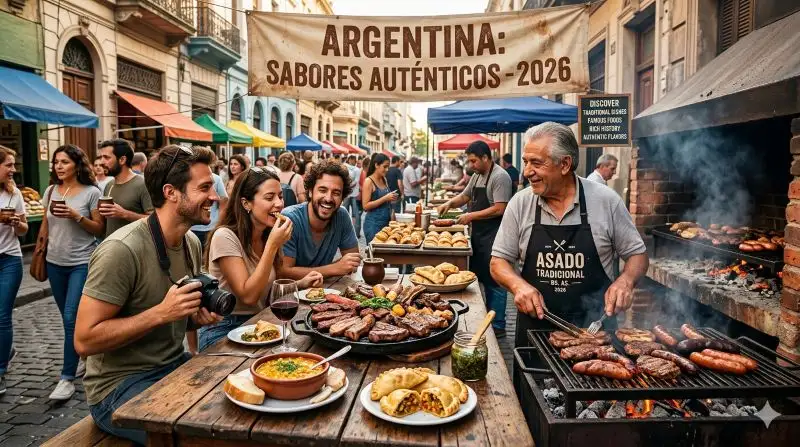
Discover Traditional Argentine Dishes with rich history, famous foods, and authentic flavors every traveler must try in 2026.
Introduction
Argentina is famous for much more than football, tango dancing, and stunning natural landscapes. The country is also celebrated for its rich and diverse culinary traditions that attract food lovers from around the world.
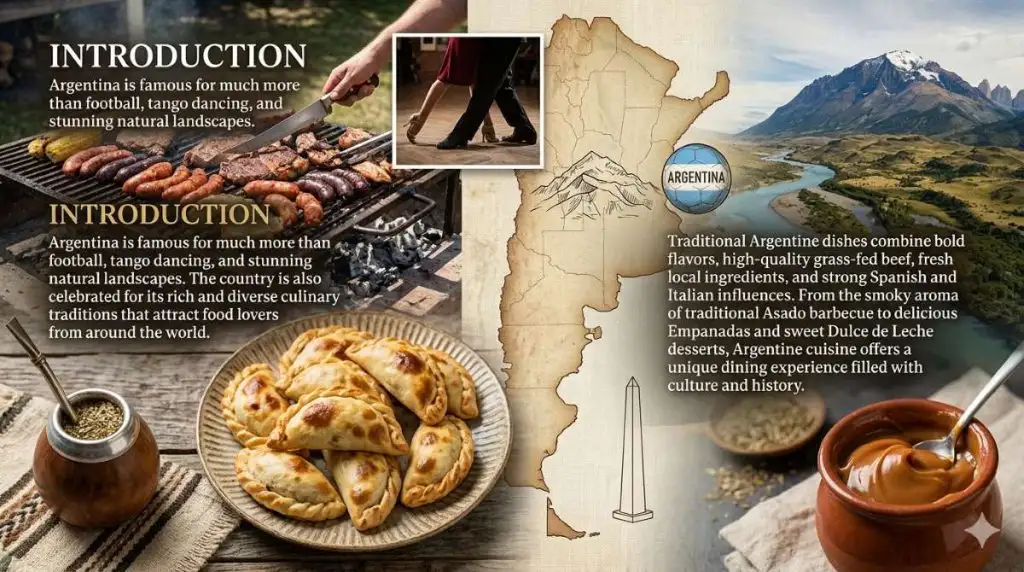
Traditional Argentine dishes combine bold flavors, high-quality grass-fed beef, fresh local ingredients, and strong Spanish and Italian influences. From the smoky aroma of traditional Asado barbecue to delicious Empanadas and sweet Dulce de Leche desserts, Argentine cuisine offers a unique dining experience filled with culture and history.
In 2026, Argentina continues to rank among the top food tourism destinations in South America. Travelers visit cities like Buenos Aires to enjoy authentic Argentine steak, traditional street food, homemade pastries, and famous local wines.
The country’s food culture reflects generations of family traditions, social gatherings, and regional cooking styles. Whether you are planning an unforgettable trip or searching for authentic international recipes, traditional Argentine dishes provide a flavorful journey into one of South America’s most beloved cuisines.
The Rich History of Argentine Cuisine
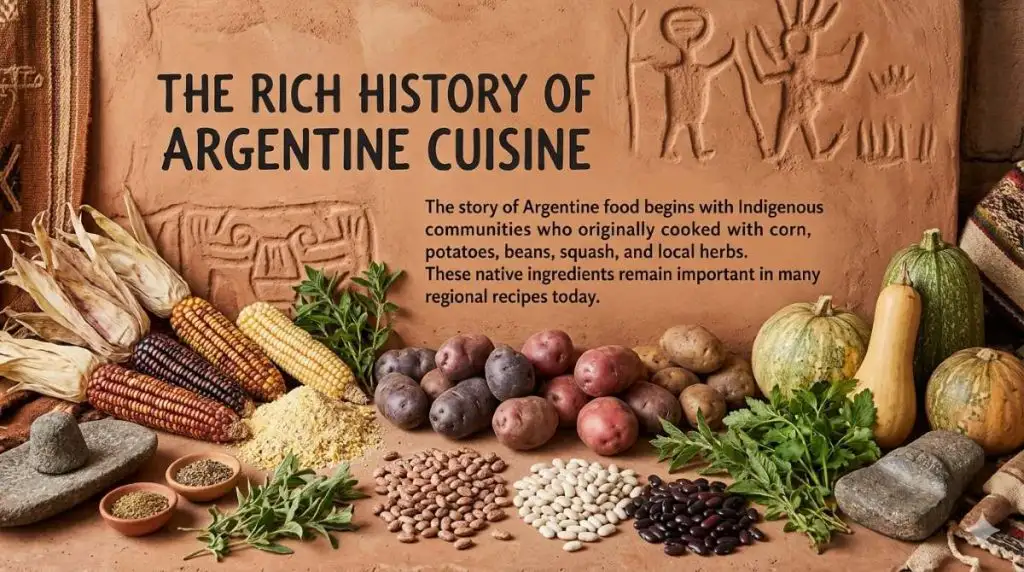
The story of Argentine food begins with Indigenous communities who originally cooked with corn, potatoes, beans, squash, and local herbs. These native ingredients remain important in many regional recipes today.
Spanish settlers later introduced cattle, wheat, dairy products, and olive oil. Over time, Argentina’s massive grasslands helped the country become one of the world’s leading beef producers.
During the late 19th and early 20th centuries, millions of Italian and Spanish immigrants arrived in Argentina and transformed the nation’s food culture. Pizza, pasta, pastries, and bread quickly became everyday staples.
Today, traditional Argentine dishes combine Indigenous traditions with European flavors, creating a unique culinary identity loved around the world.
10 Amazing Traditional Argentine Dishes You Must Try
Traditional Argentine dishes are famous for rich flavors, grilled meats, and authentic South American traditions. From smoky Asado barbecue and crispy Empanadas to sweet Dulce de Leche desserts, Argentina offers unforgettable culinary experiences.
These amazing traditional Argentine dishes reflect the country’s history, cultural diversity, and passion for delicious homemade food loved worldwide.
1. Asado – Argentina’s Legendary Barbecue
Asado is one of the most famous traditional Argentine dishes and a true symbol of Argentine culture. More than a simple barbecue, Asado is a cherished social tradition where families and friends gather to enjoy slow-cooked meats, conversation, and celebration.

This iconic Argentine meal is deeply connected to the country’s ranching history and love for high-quality beef.
Traditional Asado includes a variety of meats such as beef ribs, steaks, chorizo sausages, lamb, and chicken cooked slowly over charcoal or wood fire. Argentina is globally recognized for its premium grass-fed beef, known for its rich flavor, tenderness, and natural quality.
The grilling process is usually handled by an “asador,” the person responsible for preparing the meat perfectly.
Asado is commonly served with Chimichurri sauce made from parsley, garlic, olive oil, oregano, and vinegar. For travelers exploring authentic Argentine cuisine, enjoying a traditional Asado is an unforgettable culinary experience in 2026.
2. Empanadas – Argentina’s Favorite Snack
Empanadas are among the most loved traditional Argentine dishes and one of the country’s most popular street foods. These delicious stuffed pastries are enjoyed throughout Argentina as snacks, appetizers, or quick meals.
They are typically baked or fried until crispy and golden, creating a flavorful combination of crunchy pastry and savory filling.Traditional Argentine empanadas come with a variety of fillings, including spiced beef with onions, chicken, ham and cheese, spinach, and creamy corn.
Each region in Argentina has its own unique recipe and cooking style. Northern provinces often prepare spicy empanadas with strong seasonings, while other regions add ingredients like olives, boiled eggs, or raisins for extra flavor and texture.
Empanadas are an important part of Argentine food culture and are commonly served during family gatherings, festivals, and celebrations. Their rich taste, portability, and affordable price make them a favorite choice for both locals and international travelers exploring authentic Argentine cuisine in 2026.
3. Milanesa – A Comfort Food Classic
Milanesa is one of the most popular traditional Argentine dishes and a favorite comfort food enjoyed across the country.
Inspired by Italian culinary traditions, this crispy breaded meat cutlet became an important part of Argentine cuisine during the large wave of Italian immigration in the 19th and 20th centuries. Today, Milanesa is commonly served in homes, restaurants, and cafés throughout Argentina.
The dish is usually prepared using thin slices of beef or chicken coated in seasoned breadcrumbs and fried until golden and crispy. One of the most famous versions is Milanesa a la Napolitana, topped with tomato sauce, ham, and melted mozzarella cheese for extra flavor.
Milanesa is often served with mashed potatoes, French fries, or fresh salad, making it a satisfying meal for lunch or dinner. Its crispy texture, rich flavor, and comforting style continue to make Milanesa one of Argentina’s most loved traditional foods in 2026.
4. Choripán – The Ultimate Argentine Street Food
Choripán is one of the most famous traditional Argentine dishes and a true icon of Argentine street food culture. This simple yet flavorful sandwich is made with grilled chorizo sausage served inside fresh, crusty bread. The name “Choripán” comes from combining the words chorizo and pan, which means bread in Spanish.
The sandwich is usually topped with traditional Chimichurri sauce made from parsley, garlic, olive oil, vinegar, and herbs. Some versions also include spicy salsa or grilled onions for extra flavor. Choripán is especially popular at football matches, local festivals, street markets, and outdoor barbecue gatherings across Argentina.
Its smoky aroma, juicy sausage, and crispy bread create a delicious combination loved by both locals and tourists. Affordable, filling, and packed with authentic flavor, Choripán remains one of the best quick meals for travelers exploring Argentine cuisine in 2026.
5. Provoleta – Argentina’s Famous Grilled Cheese
Provoleta is one of the most delicious traditional Argentine dishes and a popular appetizer served during classic Argentine Asado gatherings. Made from a thick slice of provolone cheese, Provoleta is grilled over charcoal or an open flame until the inside becomes soft and melted while the outside develops a crispy golden crust.
This famous Argentine grilled cheese is usually seasoned with oregano, chili flakes, olive oil, and sometimes fresh herbs for extra flavor. The smoky aroma from the grill gives Provoleta its rich and unforgettable taste, making it a perfect side dish for grilled meats and barbecue platters.
Cheese lovers visiting Argentina often consider Provoleta a must-try culinary experience because of its creamy texture and bold flavor. Commonly served with fresh bread and Chimichurri sauce, this comforting dish highlights Argentina’s strong barbecue culture and passion for simple, high-quality ingredients in traditional cooking.
6. Locro – Traditional Argentine Stew
Locro is one of the oldest and most traditional Argentine dishes, deeply rooted in the country’s Indigenous and rural culinary heritage.
This hearty stew is especially popular during national holidays, family gatherings, and cold winter months because of its rich flavor and comforting texture. Locro has been enjoyed in Argentina for centuries and remains an important symbol of cultural tradition and national identity.
Traditional Locro is prepared with ingredients such as corn, beans, pumpkin, beef, pork, and sausage slowly cooked together for several hours. The long cooking process allows the flavors to blend perfectly, creating a thick and satisfying stew packed with flavor and nutrition.
Many regions in Argentina have their own Locro recipes, adding unique spices and meats based on local traditions. Often served hot with spicy sauce and fresh bread, Locro continues to be one of the most authentic traditional Argentine foods enjoyed by locals and travelers in 2026.
7. Humita – A Taste of Indigenous Tradition
Humita is one of the most traditional Argentine dishes with deep roots in the Indigenous cultures of the Andes region.
This classic corn-based recipe has been enjoyed for generations and remains especially popular in northern Argentina, where ancient cooking traditions continue to influence local cuisine. Humita reflects the country’s rich cultural heritage and connection to natural ingredients.
The dish is prepared using fresh corn blended with onions, cheese, milk, and mild spices to create a creamy and flavorful mixture. It is traditionally wrapped in corn husks and steamed slowly until soft and tender. Some regional recipes also include basil or chili for extra flavor.
Humita is known for its slightly sweet taste and smooth texture, making it a comforting and satisfying meal. Often served as a side dish or light main course, Humita remains an important part of authentic Argentine cuisine and Indigenous food traditions in 2026.
8. Argentine Pizza – Thick, Cheesy, and Unique
Argentine pizza is one of the most popular traditional Argentine dishes, shaped by strong Italian immigration influence. Unlike classic Italian pizza, Argentine-style pizza is known for its thick, soft crust, rich tomato sauce, and generous layers of melted cheese.
This unique combination makes it more filling, flavorful, and comforting. Loved across the country, it reflects Argentina’s food culture and remains a must-try dish for travelers exploring authentic Argentine cuisine in 2026.
Popular varieties include:
Fugazza
Fugazza is one of the popular styles of traditional Argentine pizza known for its simple yet flavorful taste. This dish is topped mainly with sweet caramelized onions and aromatic oregano, creating a rich and comforting flavor.
With its soft, thick crust and Italian influence, Fugazza is a favorite in Argentine pizzerias and a must-try street-style pizza in 2026.
Fugazzeta
Fugazzeta is a rich and cheesy traditional Argentine pizza filled with melted cheese and sweet onions inside a thick crust.
This indulgent style is especially popular in Buenos Aires, where historic pizzerias stay busy late at night. Locals enjoy it with friends and family, making it a beloved part of Argentina’s vibrant food culture in 2026.
9. Dulce de Leche – Argentina’s Sweet Treasure
Dulce de Leche is one of the most beloved traditional Argentine dishes in the dessert category and a true symbol of the country’s sweet culinary identity.
This creamy caramel spread is made by slowly heating milk and sugar until it turns into a thick, golden, and smooth texture with a rich flavor. It is enjoyed across Argentina and remains a daily essential in many households.
This delicious treat is widely used in cakes, cookies, pastries, pancakes, and especially in ice cream, making it a key ingredient in Argentine desserts. Its sweet, milky taste creates comfort and nostalgia for locals, while travelers find it unforgettable.
In fact, Dulce de Leche is so popular that it represents Argentina’s dessert culture worldwide. Whether spread on bread or used in baking, it remains one of the most iconic and high-demand sweet foods in Argentine cuisine in 2026.
10. Alfajores – Argentina’s Famous Sweet Cookies
Alfajores are one of the most popular traditional Argentine desserts and a must-try sweet treat for visitors. These soft, delicate sandwich cookies are generously filled with rich Dulce de Leche and often coated with chocolate, powdered sugar, or coconut flakes.
Their melt-in-the-mouth texture and creamy filling make them a favorite across all age groups in Argentina.You can easily find Alfajores in bakeries, cafés, and supermarkets throughout the country.
They are deeply connected to Argentina’s dessert culture and are often enjoyed with coffee or tea during breakfast or afternoon snacks. Tourists love buying Alfajores as edible souvenirs because they represent the authentic taste of Argentina.
Simple yet delicious, Alfajores perfectly showcase the country’s passion for sweet, comforting flavors in 2026.
Why Travelers Love Traditional Argentine Dishes
Traditional Argentine dishes are loved by travelers because they offer a perfect mix of flavor, culture, and history. These meals are made with high-quality ingredients, especially world-famous Argentine beef, fresh produce, and simple seasonings that enhance natural taste.
Each dish reflects rich cultural traditions shaped by Indigenous roots and European influence, creating a unique culinary identity.
Visitors enjoy authentic cooking styles that focus on grilling, slow cooking, and homemade recipes passed down through generations. The comforting flavors of dishes like Asado, Empanadas, and Dulce de Leche desserts create a memorable food experience.
Argentina’s food culture also reflects a deep-rooted tradition of family-style dining, where meals are enjoyed at a relaxed pace, filled with meaningful conversations and strong social bonding. This makes traditional Argentine food not just a meal, but a meaningful cultural experience for every traveler in 2026.
Argentine Food Culture in 2026
In 2026, Argentina continues to be one of the most popular culinary destinations in South America, attracting food lovers from all over the world.
Food tourism is expanding rapidly as travelers look for authentic traditional Argentine dishes and real cultural dining experiences beyond standard tourist spots. From local street food to high-end restaurants, Argentina offers a rich and diverse food scene.
Modern Argentine chefs are creatively blending traditional recipes with modern cooking techniques while carefully preserving the country’s deep culinary heritage. This balance between innovation and tradition keeps Argentine cuisine fresh and exciting.
Current food trends include farm-to-table restaurants, gourmet empanadas, sustainable beef production, organic ingredients, and immersive regional food experiences that highlight local flavors. Travelers can explore different provinces to discover unique dishes shaped by geography and culture.
Despite these modern innovations, classic traditional Argentine dishes like Asado, Empanadas, Milanesa, and Dulce de Leche desserts remain at the heart of Argentine food culture, continuing to define the country’s global culinary identity in 2026.
Final Thoughts
Traditional Argentine dishes are much more than just delicious meals—they represent the heart and soul of Argentina’s culture, history, and national identity. Every dish tells a story shaped by Indigenous heritage, Spanish influence, and Italian immigration, creating one of the richest food cultures in South America.
From smoky Asado barbecue and crispy Empanadas to sweet Alfajores and creamy Dulce de Leche, Argentine cuisine offers a wide variety of unforgettable flavors for food lovers around the world.
These traditional foods are deeply connected to family gatherings, celebrations, and long shared meals, reflecting the country’s warm and social lifestyle.
Whether you are walking through the vibrant streets of Buenos Aires or recreating recipes in your kitchen, these authentic dishes highlight why Argentina continues to be one of the world’s top food tourism destinations in 2026, attracting travelers seeking real cultural and culinary experiences.
FAQ: Traditional Argentine Dishes
1. What are Traditional Argentine dishes?
Traditional Argentine dishes are classic foods from Argentina influenced by Indigenous, Spanish, and Italian cultures, known for rich flavors and beef-based meals.
2. What is the most famous Argentine food?
The most famous dish is Asado, a traditional barbecue made with grilled beef, sausages, and ribs.
3. What makes Argentine cuisine unique?
It combines high-quality beef, European influence, and Indigenous ingredients, creating rich and comforting flavors.
4. Is Argentine food spicy?
Most traditional Argentine dishes are not spicy, but some empanadas and sauces may have mild heat.
5. What is Empanada in Argentina?
Empanadas are stuffed pastries filled with beef, chicken, cheese, or vegetables, baked or fried until crispy.
6. Why is Argentine beef so famous?
Argentina uses grass-fed cattle, which gives the meat a natural, tender, and flavorful taste.
7. What is Dulce de Leche?
Dulce de Leche is a sweet caramel-like spread made from milk and sugar, used in desserts.
8. What is Choripán?
Choripán is a popular street food sandwich made with grilled sausage inside bread with Chimichurri sauce.
9. What desserts are popular in Argentina?
Popular desserts include Alfajores, Flan, Chocotorta, and Dulce de Leche-based sweets.
10. Is Argentine food good for tourists?
Yes, traditional Argentine dishes offer a rich cultural and delicious experience for all visitors.