
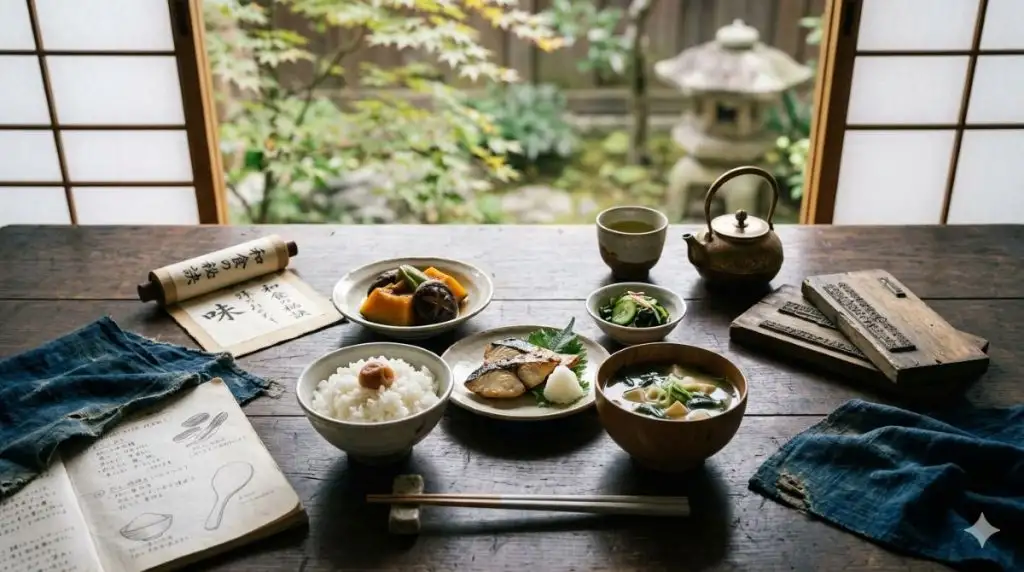
Traditional Japanese Food secrets revealed—discover authentic dishes, rich history & healthy flavors that transform your meals today.
Introduction
Traditional Japanese food is more than simple nourishment—it reflects centuries of tradition, cultural identity, and a deep respect for nature. Known for its balance and elegance, traditionalJapanese food combines simplicity with careful precision.
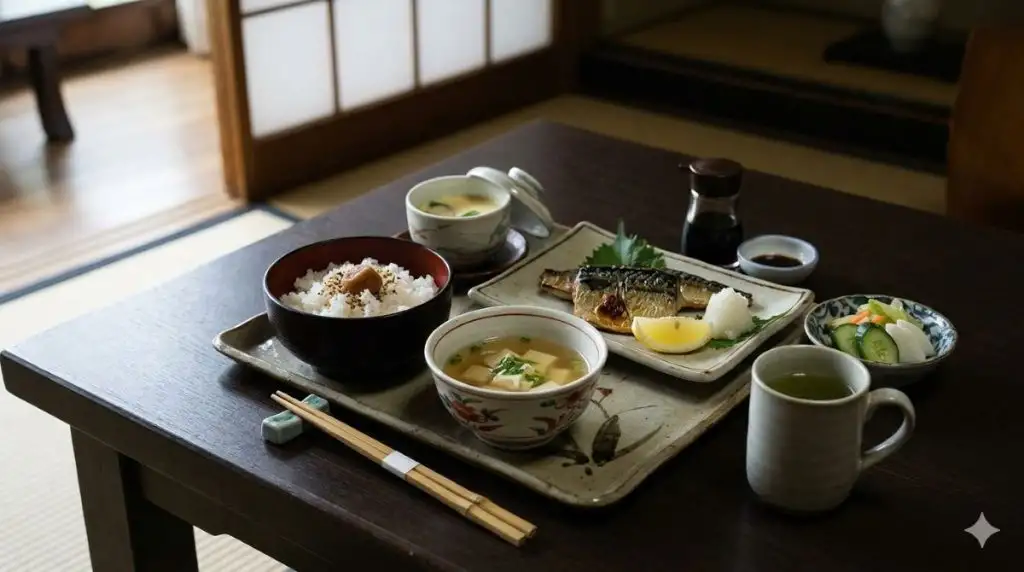
Every ingredient is chosen thoughtfully, every cut has meaning, and every presentation enhances the dining experience. From fresh seafood to seasonal vegetables, this cuisine highlights natural flavors rather than overpowering them. Rooted in harmony and mindful eating, Japanese cuisine offers both comfort and nutrition.
If you want to understand why Japanese food culture is admired worldwide, exploring these timeless traditions will reveal the true essence of authentic Japanese cooking and its lasting global appeal.
🌏 Why Traditional Japanese Food Is So Popular Worldwide
Traditional Japanese food has earned global recognition not only for its delicate taste but also for its healthy and balanced philosophy.
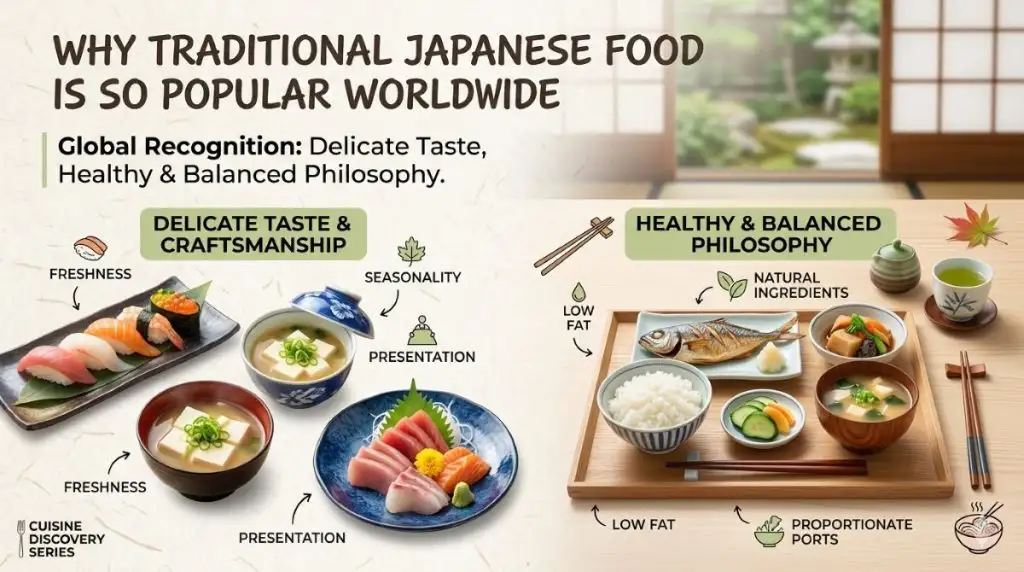
The concept of traditional Japanese food focuses on fresh, seasonal ingredients, minimal processing, and natural flavors, making it ideal for modern, health-conscious lifestyles. Its emphasis on portion control, variety, and mindful eating supports overall well-being without sacrificing taste.
In addition, the artistic presentation and cultural depth of Japanese cuisine create a unique dining experience that appeals to people worldwide. From sushi to simple home-style meals, this timeless food culture continues to influence global eating habits and remains a top choice for those seeking both flavor and nutrition.
15 Irresistible Traditional Japanese Food
celebrates the rich flavors, cultural heritage, and timeless techniques that define authentic Japanese cuisine. From fresh sushi and comforting ramen to delicate tempura, each dish reflects balance, simplicity, and seasonal beauty. Explore these must-try traditional Japanese foods and discover why they continue to captivate taste buds around the world.
🌿 1. Simplicity Is the True Luxury
In traditional Japanese food, simplicity is not a limitation—it’s a refined art. Rather than masking flavors with heavy spices or sauces, Japanese cuisine highlights the natural taste of each ingredient.

Fresh seafood, seasonal vegetables, and perfectly cooked rice are prepared with minimal seasoning to preserve their true essence. This clean and balanced approach makes dishes feel light, healthy, and deeply satisfying. A gently grilled fish or a warm bowl of rice can deliver rich flavor without complexity.
This philosophy also reflects the core of Japanese food culture, where quality ingredients and careful preparation matter more than excess. By focusing on purity and precision, traditional Japanese cooking creates meals that are both elegant and unforgettable.
🍚 2. Rice Is the Heart of Every Meal
In traditional Japanese food, rice is far more than a basic ingredient—it is the foundation of daily life and culture. Known as gohan, rice is carefully washed, soaked, and cooked to achieve perfect texture and flavor.
It provides both nourishment and emotional comfort in every meal. In Japanese cuisine, rice plays a balancing role by softening strong flavors such as salty, pickled, or fermented dishes, creating harmony on the table.
Many Japanese meals are even centered around rice, showing its deep cultural importance. This essential staple reflects respect for simplicity, tradition, and nature, making it the heart of every authentic Japanese dining experience.
🧂 3. Umami Creates Depth Without Heaviness
In traditional Japanese food, umami is the secret behind its rich yet light flavor profile. Often called the “fifth taste,” umami delivers a deep, savory satisfaction that lingers without overwhelming the palate.
Ingredients such as fermented soybean paste (miso), seaweed (kombu), and dried fish flakes (bonito) naturally enhance dishes without the need for heavy cream, butter, or thick sauces. This is what makes Japanese cuisine both flavorful and healthy at the same time.
Meals feel balanced, clean, and deeply satisfying, even when they are simple. By relying on natural umami sources, traditional Japanese cooking creates a unique depth of flavor that is both comforting and nourishing for everyday eating.
🐟 4. Freshness Comes First
In traditional Japanese food, freshness is the most important principle of cooking. Ingredients like seafood, vegetables, and tofu are carefully selected and prepared to preserve their natural flavor, texture, and nutritional value.
Rather than relying on heavy seasoning or complex sauces, Japanese cuisine focuses on highlighting the true quality of each ingredient. This is why many dishes appear simple yet taste incredibly refined. Fresh fish is often served raw as sashimi, while vegetables are lightly steamed or pickled to maintain their original essence.
This deep respect for natural ingredients is what makes traditional Japanese cooking both healthy and flavorful, offering a pure and authentic dining experience in every bite.
🍱 5. Presentation Is Part of the Flavor in Japanese Cuisine
Presentation Is Part of the Flavor in Japanese Cuisine In Japanese dining culture, especially traditional washoku from Japan, presentation is considered as important as taste.
People often say you “eat with your eyes first,” because the visual appeal of a dish enhances the overall dining experience. Meals are carefully arranged to reflect nature, seasons, and balance, creating harmony on the plate.
Even a simple dish can feel elegant when served with thoughtful spacing, color contrast, and beautiful tableware. Bowls, plates, and garnishing are chosen to match the mood of the season, such as cherry blossoms in spring or warm tones in autumn.
This artistic approach transforms everyday food into a sensory experience, making Japanese cuisine not only delicious but also visually memorable and culturally rich. It boosts global food appreciation today
🥢 6. Small Portions Encourage Variety in Japanese Cuisine
In traditional dining culture of Japan, meals are designed around the idea of small portions that create balance, variety, and satisfaction. Instead of a single large serving, a typical meal includes several small dishes, allowing diners to experience different textures, flavors, and nutrients in one sitting.
This style of eating, known as washoku, encourages mindful eating and helps people appreciate each element of the meal. It naturally supports portion control without feeling restrictive or limiting. By offering grilled items, soups, vegetables, and rice in smaller servings, the meal feels more diverse and enjoyable.
This approach also reduces overeating while improving digestion and overall well-being. Japanese food culture highlights how variety on the plate leads to a healthier and more enjoyable dining experience for everyday meals.
🌸 7. Seasonal Eating Keeps Food Meaningful in Japanese Cuisine
In traditional food culture of Japan, seasonal eating is a core principle that makes every meal more meaningful and enjoyable. Known as shun, this practice focuses on consuming ingredients at their natural peak of freshness.
Spring dishes often highlight light, refreshing flavors such as young vegetables and seafood, while summer meals include cooling and hydrating foods. In contrast, winter cuisine is warm, hearty, and comforting, designed to nourish the body in colder weather.
Autumn brings rich, earthy ingredients like mushrooms and root vegetables. This seasonal approach not only enhances taste but also strengthens the emotional connection between food and nature.
It keeps meals exciting, balanced, and culturally rich. By aligning dining habits with the changing seasons, Japanese cuisine offers a healthier, more mindful, and deeply satisfying food experience throughout the year.
🍲 8. Broth Is the Foundation of Flavor in Japanese Cuisine
In traditional cooking of Japan, broth plays a central role in building deep yet delicate flavors. Known for its light and clear taste, Japanese broth—such as dashi—is the foundation of many classic dishes like soups, noodles, and simmered meals.
It is made using natural ingredients like kombu (seaweed) and bonito flakes, creating a subtle umami richness that enhances every component without overpowering them. This balanced approach allows vegetables, seafood, and tofu to shine while still feeling unified in taste. The broth adds warmth, comfort, and harmony, making meals soothing and satisfying.
Japanese cuisine highlights how simplicity in broth preparation creates powerful flavor depth. This essential base reflects the philosophy of balance and mindfulness in Japanese food culture, turning everyday meals into nourishing and comforting experiences.
🥬 9. Vegetables Are Elevated, Not Overlooked in Japanese Cuisine
In traditional food culture of Japan, vegetables are treated with great respect and care, turning simple ingredients into flavorful, memorable dishes. Instead of heavy sauces or excessive seasoning, vegetables are often steamed, lightly grilled, pickled, or gently seasoned to preserve their natural taste, texture, and color.
This minimalist approach allows the true quality of each ingredient to shine. Seasonal vegetables such as daikon, spinach, eggplant, and mushrooms are commonly featured in everyday meals, reflecting freshness and balance. Pickling techniques like tsukemono add depth and variety while supporting digestion.
This mindful preparation enhances both nutrition and flavor, making vegetables an essential part of a healthy diet. Japanese cuisine highlights how simplicity and respect for nature transform ordinary vegetables into elegant, satisfying, and culturally rich dishes enjoyed around the world.
🍤 10.Frying Is Light, Not Greasy in Japanese Cuisine
In traditional cooking of Japan, frying techniques are designed to be light, crisp, and balanced rather than heavy or greasy. Popular methods like tempura use a thin, airy batter that creates a delicate crunch while keeping the natural flavor of the ingredient intact.
Seafood, vegetables, and even mushrooms are lightly coated and quickly fried at the right temperature to avoid oiliness. This careful technique ensures that the inside remains tender and flavorful, while the outer layer provides a satisfying texture. Unlike deep-fried fast foods, Japanese frying focuses on elegance and simplicity, making the dish enjoyable without feeling overly rich.
Japanese cuisine highlights how this method delivers indulgence in a healthier way, offering a perfect balance between crisp texture and clean, natural taste in every bite.
🍵 11. Tea Adds Balance and Calm in Japanese Cuisine
In traditional dining culture of Japan, green tea plays an essential role in creating balance and harmony during meals. Often served alongside food, varieties like sencha or matcha provide a gentle bitterness that complements savory dishes and cleanses the palate between bites.
This subtle flavor contrast enhances the overall dining experience without overpowering the meal. Beyond taste, tea also encourages a slower, more mindful way of eating, allowing people to appreciate each bite with greater awareness. This practice reflects the Japanese philosophy of harmony, simplicity, and mindfulness in everyday life.
Japanese food culture highlights how green tea supports both digestion and relaxation, making meals more satisfying and calming. By combining nourishment with tranquility, tea transforms ordinary dining into a peaceful and balanced experience that connects body and mind.
🏯 12. Tradition Lives in Everyday Cooking in Japanese Cuisine
In traditional food culture of Japan, everyday cooking is deeply rooted in history and passed down through generations. Many techniques used today, such as rice preparation, soup making, and dish arrangement, remain unchanged for centuries.
This strong connection to tradition ensures that meals maintain their authentic taste, balance, and cultural value. Even in modern kitchens, families continue to follow time-honored methods that respect ingredients and seasonal harmony. The careful preparation of rice, precise cutting techniques, and mindful plating all reflect a long-standing culinary heritage.
Japanese cuisine highlights how tradition shapes both flavor and presentation in daily meals. By preserving these practices, Japanese cooking stays authentic while still adapting to modern lifestyles. This blend of old and new keeps food culture alive, meaningful, and deeply connected to its roots.
🍶 13. Balance Is the Core Philosophy in Japanese Cuisine
In traditional food culture of Japan, balance is the foundation of every meal. A typical Japanese dish is carefully designed to include a harmony of flavors such as salty, sweet, sour, bitter, and umami.
Along with taste, different textures like soft tofu, crisp vegetables, and tender fish are also combined to create a complete dining experience. This thoughtful balance ensures that meals feel satisfying without being overly heavy or rich. Portion control, seasonal ingredients, and simple cooking methods all work together to maintain this harmony.
Japanese cuisine highlights how balance improves both nutrition and enjoyment. Each element on the plate has a purpose, contributing to overall well-being. This philosophy reflects a mindful way of eating that supports health, satisfaction, and a deeper appreciation for food in everyday life.
🥗 14. Naturally Healthy Without Trying Too Hard in Japanese Cuisine
Traditional food culture of Japan is widely praised for its natural health benefits without relying on strict dieting trends. Meals are built around fresh, seasonal ingredients, minimal processing, and balanced portions that support overall wellness.
Instead of heavily processed foods, dishes focus on natural flavors from vegetables, fish, rice, and fermented ingredients. Cooking methods like steaming, grilling, and light seasoning help preserve nutrients and taste. This simple yet mindful approach encourages healthy eating habits without feeling restrictive.
Japanese cuisine highlights how long-standing traditions naturally promote good health, digestion, and energy balance. Rather than following modern food fads, Japanese meals rely on time-tested practices that have been passed down for generations. This makes the cuisine not only delicious but also one of the healthiest and most sustainable eating styles in the world.
💫 15. Mindful Eating Enhances the Experience in Japanese Cuisine
In traditional food culture of Japan, mindful eating is an important practice that transforms every meal into a meaningful experience. Instead of rushing through food, people take time to appreciate the flavors, presentation, and effort behind each dish.
This slow and respectful approach encourages awareness of every bite, helping diners connect more deeply with their meal. It reflects gratitude toward the ingredients, the chef, and the moment itself. Mindful eating also improves digestion and overall satisfaction, making even simple dishes feel special.
Japanese cuisine highlights how this calm eating style promotes balance, relaxation, and enjoyment. By slowing down and focusing on the present, meals become more than just nourishment—they turn into a peaceful ritual that enhances both physical well-being and emotional happiness in everyday life.
🍣 Must-Try Traditional Japanese Dishes
Must-try traditional Japanese dishes offer a true taste of culinary heritage in Japan.
Sushi features vinegared rice paired with fresh seafood, highlighting simplicity and flavor balance.
Ramen is a comforting noodle soup known for its rich and warming broth.
Tempura offers lightly fried seafood and vegetables with a crisp, delicate texture.
Bento provides a balanced, beautifully arranged meal in a single box.
Miso soup is a simple daily staple that brings warmth and nutrition.
Together these dishes define authentic Japanese cuisine and reflect balance, freshness, and tradition in every bite.
💬 Final Thoughts
Traditional Japanese food is a quiet celebration of balance, beauty, and respect for nature. It doesn’t rely on bold excess or complicated techniques to impress. Instead, it invites you to slow down, appreciate each ingredient, and find joy in simplicity.
Whether you’re exploring it for the first time or deepening your understanding, these timeless secrets offer more than just culinary knowledge—they offer a new way to experience food itself.
❓ FAQ: Traditional Japanese Food
1. What is traditional Japanese food?
Traditional Japanese food refers to authentic dishes from Japan that focus on seasonal ingredients, rice-based meals, seafood, vegetables, and balanced nutrition. It is known for simplicity, freshness, and cultural tradition.
2. What are the most famous traditional Japanese foods?
Some of the most popular dishes include sushi, ramen, tempura, miso soup, udon, soba noodles, and bento boxes. These foods represent the core of Japanese cuisine.
3. Is traditional Japanese food healthy?
Yes, traditional Japanese food is considered one of the healthiest diets in the world. It uses fresh ingredients, low oil cooking methods, and balanced portions rich in nutrients.
4. What is the main staple in Japanese meals?
Rice is the main staple in traditional Japanese food. It is served with almost every meal and plays a central role in Japanese culture and diet.
5. Why is Japanese food so popular worldwide?
Japanese food is popular because of its unique taste, artistic presentation, health benefits, and cultural depth. It offers both flavor and nutrition in a balanced way.