
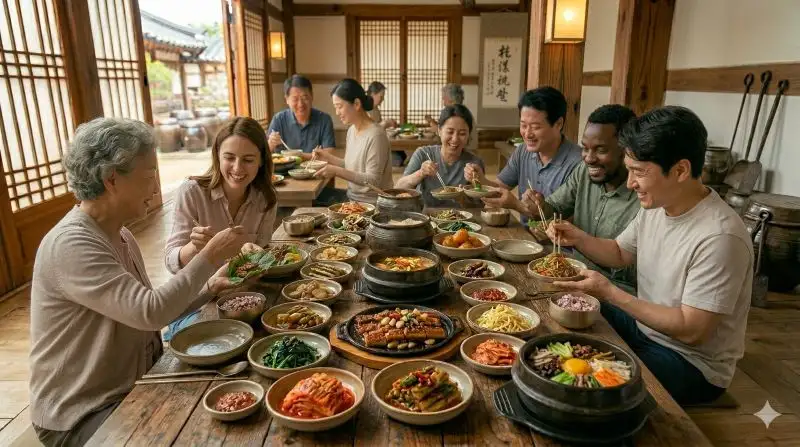
Discover Traditional South Korean dishes with authentic flavors, rich history, and must-try Korean foods loved worldwide.
Introduction
South Korean cuisine has become one of the world’s most exciting food cultures. From spicy fermented dishes to sizzling barbecue and comforting soups, traditional South Korean dishes offer rich flavors, deep history, and unforgettable dining experiences.
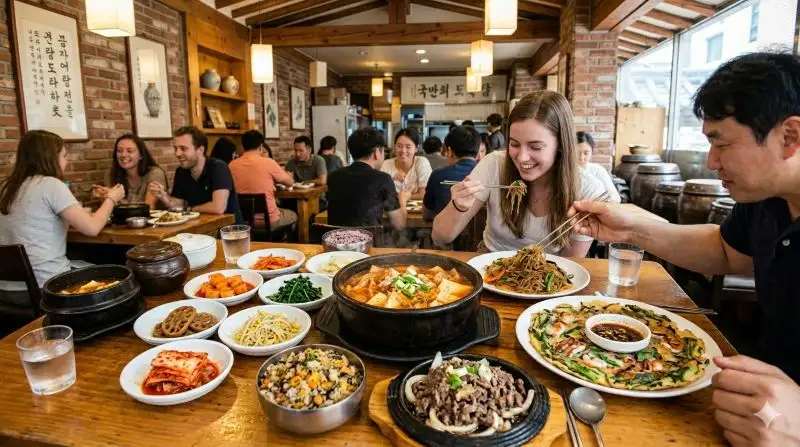
Korean food is not only delicious but also reflects centuries of culture, seasonal traditions, and family values.In recent years, Korean cuisine has exploded in popularity across the globe. Korean dramas, K-pop, and social media food trends have introduced millions of people to authentic Korean meals.
However, traditional South Korean dishes are much more than online trends. Every recipe tells a story about Korean heritage, regional ingredients, and culinary creativity passed down through generations.
Whether you are a food lover, traveler, or someone curious about Korean culture, these traditional Korean dishes deserve a place on your must-try list in 2026.
Why Traditional South Korean Dishes Are Popular Worldwide
Traditional South Korean dishes are becoming increasingly popular worldwide because they offer a perfect mix of rich flavor, nutrition, and cultural authenticity. Korean cuisine commonly includes fresh vegetables, rice, seafood, fermented foods, and lean proteins, creating balanced meals loved by health-conscious food lovers.
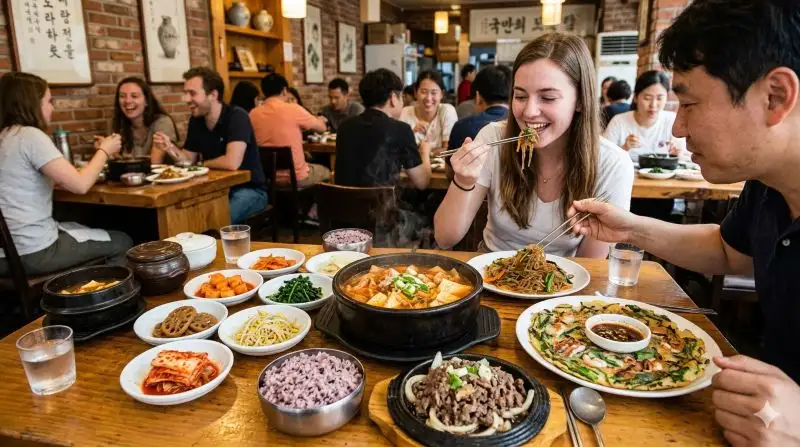
The global rise of K-pop, Korean dramas, and Korean street food culture has also increased interest in authentic Korean cuisine. People enjoy Korean food for its spicy taste, colorful presentation, and comforting home-style recipes that deliver both flavor and health benefits.
People around the world love Korean cuisine because it offers:
- Rich spicy and savory flavors
- Healthy fermented ingredients
- Beautiful food presentation
- Unique side dishes
- Strong cultural identity
- Comforting home-style meals
Korean food also focuses on balance between taste, texture, and nutrition. This combination makes Korean cuisine appealing to both health-conscious eaters and adventurous food lovers.
1. Kimchi – Korea’s Most Iconic Traditional Dish
Kimchi is the heart of Korean cuisine and one of the most famous fermented foods in the world. Made primarily from napa cabbage, Korean chili flakes, garlic, ginger, and salt, kimchi has been part of Korean food culture for centuries.

Traditionally, Korean families prepare large batches of kimchi before winter during a cultural tradition called Kimjang. This process helps preserve vegetables during cold months while strengthening family and community bonds.
Kimchi is served with nearly every Korean meal because it adds spicy, sour, and savory flavor to rice, soups, noodles, and grilled meats.
Why Kimchi Is So Popular
- Rich in probiotics
- Supports digestion
- Packed with vitamins
- Low in calories
- Adds strong flavor to meals
Kimchi represents Korean identity and remains one of the healthiest traditional dishes globally.
2. Bibimbap – Korea’s Famous Mixed Rice Bowl
Bibimbap is a famous traditional South Korean dish known for its colorful presentation and balanced flavors. This popular Korean meal combines steamed rice with fresh vegetables, beef, fried egg, and spicy gochujang sauce.
Before eating, all ingredients are mixed together, creating a delicious blend of textures and flavors. Bibimbap is loved worldwide because it is healthy, visually attractive, and deeply connected to Korean food culture.
Common bibimbap ingredients include:
- Spinach
- Carrots
- Mushrooms
- Bean sprouts
- Beef
- Egg
- Sesame oil
Bibimbap reflects Korean philosophy about balance and harmony in food. It is both healthy and satisfying, making it one of the best Korean dishes for beginners.
3. Bulgogi – Sweet and Savory Korean BBQ
Bulgogi is one of the most famous traditional South Korean dishes enjoyed around the world. This authentic Korean barbecue dish features thin slices of beef marinated with soy sauce, garlic, sesame oil, sugar, and pear juice before grilling.
The flavorful marinade makes the meat soft, juicy, and rich with a sweet-smoky taste. Bulgogi is popular because it perfectly represents the bold and savory taste of traditional Korean cuisine.
Bulgogi is often served with:
- Rice
- Lettuce wraps
- Garlic
- Kimchi
- Korean side dishes
Korean barbecue restaurants have helped make bulgogi one of the most popular traditional Korean dishes globally.
4. Tteokbokki – Korea’s Favorite Street Food
Tteokbokki is a popular traditional South Korean street food made with chewy rice cakes cooked in spicy gochujang sauce. Originally a royal court dish prepared with soy sauce, it later evolved into a spicy version loved across Korea.
Today, tteokbokki is widely sold at street stalls and markets, enjoyed as a warm, flavorful snack by people of all ages for its bold taste and comforting texture.
Popular additions include:
- Fish cakes
- Boiled eggs
- Cheese
- Instant noodles
Its spicy flavor and chewy texture make it one of Korea’s most addictive foods.
5. Japchae – Traditional Korean Glass Noodles
Japchae is a flavorful traditional South Korean dish made with chewy sweet potato starch noodles stir-fried with vegetables, sesame oil, soy sauce, and sometimes beef or chicken. Originally served in Korean royal cuisine, japchae later became a popular festive dish for weddings, birthdays, and holidays.
Its slightly sweet and savory taste, along with a soft yet chewy texture, makes it a favorite among Korean food lovers worldwide. Japchae is also valued for its balanced ingredients and colorful presentation.
Typical ingredients include:
- Mushrooms
- Spinach
- Carrots
- Beef
- Onion
- Sesame seeds
Japchae is often served during festive occasions because it symbolizes happiness and long life.
6. Samgyeopsal – Korean Grilled Pork Belly
Samgyeopsal is one of the most loved traditional South Korean dishes and an important part of Korean barbecue culture. This popular Korean meal features thick slices of fresh pork belly grilled directly at the dining table, creating a fun and interactive eating experience.
The grilled meat is usually wrapped in lettuce leaves and enjoyed with garlic, green chili peppers, kimchi, and flavorful dipping sauces.Unlike many barbecue dishes that rely on strong marinades, samgyeopsal highlights the natural juicy flavor of pork.
It is especially popular among families and groups of friends because cooking and sharing food together creates a warm social atmosphere. Today, Korean barbecue restaurants serving samgyeopsal can be found worldwide as global interest in authentic South Korean cuisine continues to grow rapidly in 2026.
7. Kimchi Jjigae – Authentic Korean Fermented Kimchi Stew
Kimchi Jjigae is one of the most comforting traditional South Korean dishes, loved for its bold spicy flavor and rich aroma. This classic Korean stew is prepared using aged kimchi, tofu, pork or seafood, vegetables, and flavorful broth.
The use of well-fermented kimchi gives the soup a deeper taste that makes it especially popular in Korean households.
Kimchi jjigae is considered a symbol of authentic Korean home cooking because many families prepare it using personal recipes passed down through generations. The stew is commonly enjoyed during winter and rainy seasons because its hot, spicy broth provides warmth and comfort.
Served with steamed rice and side dishes, kimchi jjigae remains one of the most popular Korean comfort foods enjoyed both in South Korea and around the world today.
8. Sundubu Jjigae – Soft Tofu Stew
Sundubu-jjigae is a flavorful Korean stew famous for its silky texture and spicy, comforting broth. This traditional South Korean dish is made with delicate soft tofu, fresh vegetables, Korean chili seasoning, and ingredients like seafood, beef, or mushrooms depending on regional and family recipes.
Its rich aroma and bold taste make it a favorite meal across Korea.The stew is commonly brought to the table in a heated stone pot that keeps the soup steaming throughout the meal.
Many people enjoy sundubu jjigae during winter or rainy days because it delivers warmth and deep savory flavor in every bite. Some versions include a cracked egg added at the end for extra richness and texture.Beyond its satisfying taste, sundubu jjigae is appreciated for being nutritious and protein-rich.
The soft tofu provides important nutrients while the spicy broth creates a filling and enjoyable dining experience loved by Korean food fans worldwide.
9. Naengmyeon – Refreshing Korean Cold Noodles
Naengmyeon is a refreshing traditional South Korean dish commonly eaten during summer. These cold buckwheat noodles are served in icy broth with toppings like cucumber, pear slices, boiled egg, and beef.
Known for its light flavor and cooling effect, naengmyeon is loved for providing relief during hot weather while showcasing the unique balance of Korean cuisine.
The noodles are made from buckwheat and served in icy broth with toppings such as:
- Cucumber
- Pear slices
- Boiled egg
- Beef
This refreshing dish originated in northern Korea and later became popular throughout the Korean Peninsula.
Naengmyeon offers a unique combination of cold broth, chewy noodles, and tangy flavor that many visitors find unforgettable.
10. Hotteok – Sweet Korean Pancakes
Hotteok is one of the most popular traditional South Korean desserts and a favorite Korean winter street food. These delicious pancakes are made from soft dough filled with brown sugar, cinnamon, honey, and chopped nuts before being cooked until golden and crispy on the outside.
The inside becomes warm, sweet, and syrupy, creating a comforting flavor loved by both locals and tourists.Hotteok became widely popular because it is affordable, filling, and perfect for cold weather.
Street vendors across South Korea commonly sell fresh hotteok during winter festivals and busy city evenings. Modern versions now include unique fillings such as chocolate, cheese, green tea, and red bean paste, adding new flavors to this classic Korean dessert while preserving its traditional charm and popularity worldwide.
Traditional Korean Side Dishes (Banchan)
Traditional Korean side dishes, known as banchan, are an important part of authentic Korean cuisine. These small dishes are served alongside rice, soup, and main meals to create balance and variety.
Popular banchan includes kimchi, pickled vegetables, seasoned spinach, and bean sprouts. Korean dining culture values sharing food, so multiple side dishes are placed in the center of the table for everyone to enjoy together during meals.
Popular banchan dishes include:
- Kimchi
- Pickled radish
- Spinach salad
- Soybean sprouts
- Stir-fried anchovies
- Rolled omelets
These side dishes create variety and balance in every meal.
The Importance of Fermented Foods in Korean Cuisine
Fermented foods are an essential part of traditional South Korean dishes and Korean culinary history. Centuries ago, Korean families created fermentation techniques to preserve vegetables and ingredients during long, cold winters.
Foods like kimchi, doenjang, and gochujang became daily staples because they lasted longer while developing deep, rich flavors.
Today, fermented Korean foods are valued not only for their authentic taste but also for their health benefits, including probiotics, improved digestion, and important nutrients that support a balanced and healthy diet.
Popular fermented ingredients include:
- Kimchi
- Gochujang
- Doenjang
- Soy sauce
Fermented foods are valued because they improve flavor while supporting digestive health.
This focus on fermentation is one reason Korean cuisine is often considered healthy.
Korean Food Culture and Dining Traditions
Korean food culture is strongly connected to family traditions, respect, and togetherness. In South Korea, meals are often shared at one table, allowing family members and friends to bond through food.
Traditional Korean dining includes multiple side dishes, soups, rice, and shared main courses that encourage community eating. Respect for elders is also important during meals, reflecting Korean values and etiquette.
This warm hospitality and social dining experience make traditional South Korean dishes more meaningful and memorable for both locals and visitors.
Traditional Korean dining customs include:
- Elders eat first
- Sharing dishes is encouraged
- Rice bowls stay on the table
- Metal chopsticks and spoons are used
Korean meals are designed to create harmony between people, flavors, and nutrition.
Health Benefits of Traditional South Korean Dishes
Traditional South Korean dishes are widely respected for their balanced nutrition, fresh ingredients, and healthy cooking methods. Korean cuisine often includes fermented foods like kimchi, fresh vegetables, lean proteins, seafood, rice, and nutrient-rich soups.
These ingredients may support digestion, improve gut health, and provide important vitamins and antioxidants. Many traditional Korean meals are low in processed ingredients and focus on natural flavors.
Because of this healthy balance, Korean food continues to attract people seeking nutritious and flavorful meal options worldwide in 2026.
Health benefits include:
- Better digestion from fermented foods
- High vegetable intake
- Balanced meals with protein and rice
- Nutrient-rich soups and stews
- Lower use of processed ingredients
Many people interested in healthy eating are now exploring Korean food as part of balanced lifestyles.
Why Korean Cuisine Continues to Grow in 2026
Traditional South Korean dishes are gaining even more global popularity in 2026 because they offer a unique mix of authentic taste, cultural richness, and healthy ingredients.
Korean cuisine stands out for its balanced meals that include vegetables, fermented foods, rice, seafood, and lean proteins, making it both flavorful and nutritious.
Another major reason for its growth is the worldwide influence of Korean entertainment, including K-dramas, K-pop, and social media food trends, which have introduced millions of people to Korean food culture.
As a result, global interest in traditional South Korean dishes continues to rise rapidly, with more restaurants, recipes, and food lovers exploring authentic Korean flavors every year.
Social media platforms are filled with Korean food videos featuring:
- Korean barbecue
- Kimchi recipes
- Korean street food
- Spicy noodle challenges
- Traditional Korean meals
As interest in Asian cuisine grows, Korean food remains one of the fastest-growing culinary trends in the world.
Final Thoughts
Traditional South Korean dishes are more than just flavorful meals; they are a reflection of Korea’s long history, cultural identity, and culinary heritage passed down through generations.
From spicy kimchi and juicy bulgogi to comforting stews and sweet hotteok, Korean cuisine offers a wide variety of unforgettable tastes for every food lover. Each dish carries a unique story shaped by tradition, family customs, and regional influences.
If you want to experience authentic Korean culture in 2026, exploring traditional South Korean dishes is a perfect starting point. Korean food continues to gain global love because it beautifully blends warmth, nutrition, community, and rich cultural history in every bite.
FAQ: Traditional South Korean Dishes
1. What are traditional South Korean dishes?
Traditional South Korean dishes are authentic Korean meals made using historical recipes, fresh ingredients, and fermented foods like kimchi, stews, rice dishes, and grilled meats.
2. What is the most famous traditional Korean food?
Kimchi is the most famous traditional Korean food, known for its spicy, sour, and probiotic-rich flavor.
3. Why is Korean food so popular worldwide?
Korean food is popular because it offers bold flavors, healthy ingredients, balanced nutrition, and cultural influence from K-dramas and K-pop.
4. What are common traditional South Korean dishes?
Popular dishes include bibimbap, bulgogi, tteokbokki, japchae, kimchi jjigae, and samgyeopsal.
5. Are traditional Korean dishes healthy?
Yes, many Korean dishes are healthy because they include vegetables, fermented foods, lean proteins, and low-oil cooking methods.
6. What is Korean banchan?
Banchan are small side dishes served with Korean meals, such as kimchi, pickled vegetables, and seasoned greens.
7. What makes Korean cuisine unique?
Korean cuisine is unique for its fermentation techniques, bold spice balance, shared dining culture, and variety of side dishes.
8. What is the best Korean dish for beginners?
Bibimbap and bulgogi are great starting points because they have balanced flavors and are not too spicy.
9. Why is fermented food important in Korea?
Fermented foods help preserve ingredients, enhance flavor, and improve digestion with natural probiotics.
10. What is Korean comfort food?
Kimchi jjigae and sundubu jjigae are popular comfort foods often eaten warm during cold weather.