
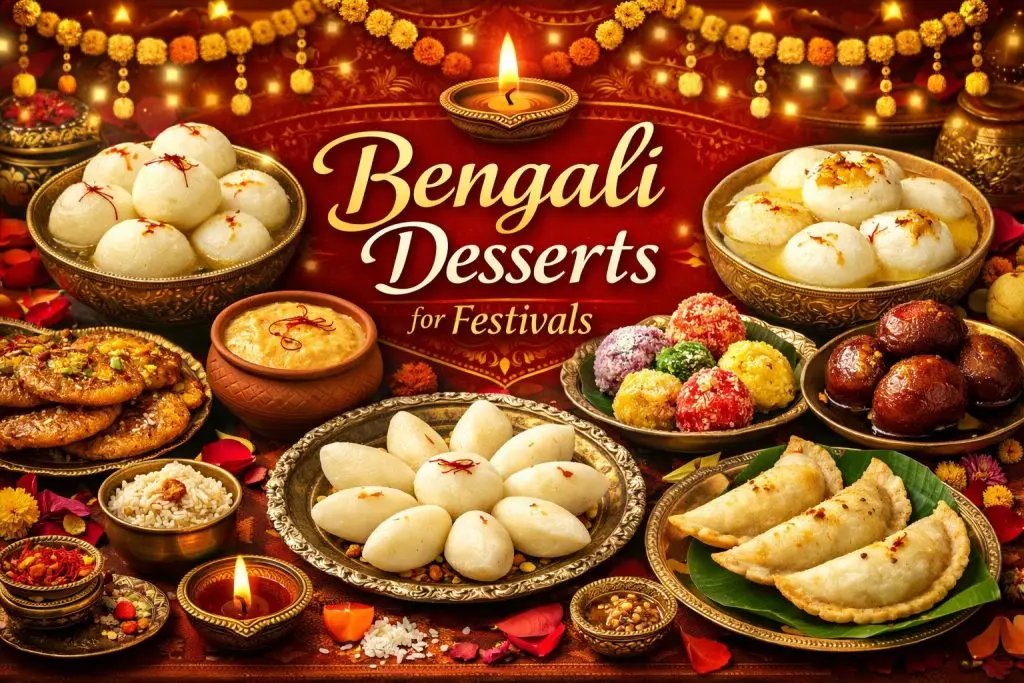
Discover 10 authentic Bengali Desserts perfect for festivals. From traditional sweets to homemade classics, explore must-try Bengali Desserts for celebrations.
Introduction: Bengali Desserts for Festivals
Bengali Desserts are world-famous for their rich taste, delicate texture, and deep cultural connection with festivals and celebrations. In Bengal, no joyful occasion is ever complete without a generous spread of traditional sweets served with warmth and pride. From grand religious festivals like Durga Puja and Eid to weddings, family gatherings, and welcoming guests, sweets hold a deeply emotional and cultural significance in every Bengali household. The timeless art of preparing Bengali Desserts has been lovingly passed down through generations, blending authentic techniques, local ingredients, and creative presentation.
In this comprehensive guide, you will explore 10 authentic Bengali Desserts that are perfect for festivals and special occasions. These classic sweets are not only irresistibly delicious but also beautifully reflect the rich heritage and culinary excellence of Bengal.
Why Bengali Desserts Are Special During Festivals
Bengali culture values hospitality and celebration, where food and sweets unite people. Festivals like Durga Puja, Eid, Pohela Boishakh, and weddings are incomplete without traditional desserts. Made with fresh milk, chhena, rice, jaggery, and spices, these sweets offer rich flavor and soft texture. They symbolize joy, prosperity, and togetherness in every special occasion.
What makes Bengali Desserts unique?
- Soft and melt-in-the-mouth texture: Their light and airy consistency makes them smooth and enjoyable with every bite.
- Balanced sweetness: The sweetness is carefully measured to enhance flavor without overpowering the natural ingredients.
- Fresh dairy ingredients: High-quality milk, chhena, and khoya give these sweets a rich and authentic taste.
- Artistic presentation: They are beautifully shaped and decorated, making them visually appealing for celebrations.
- Strong cultural significance: These desserts represent tradition and are offered as a symbol of happiness and respect during special occasions.
Now, let’s explore the top 10 Bengali Desserts you must try during festivals.
1. Rasgulla – The King of Bengali Desserts
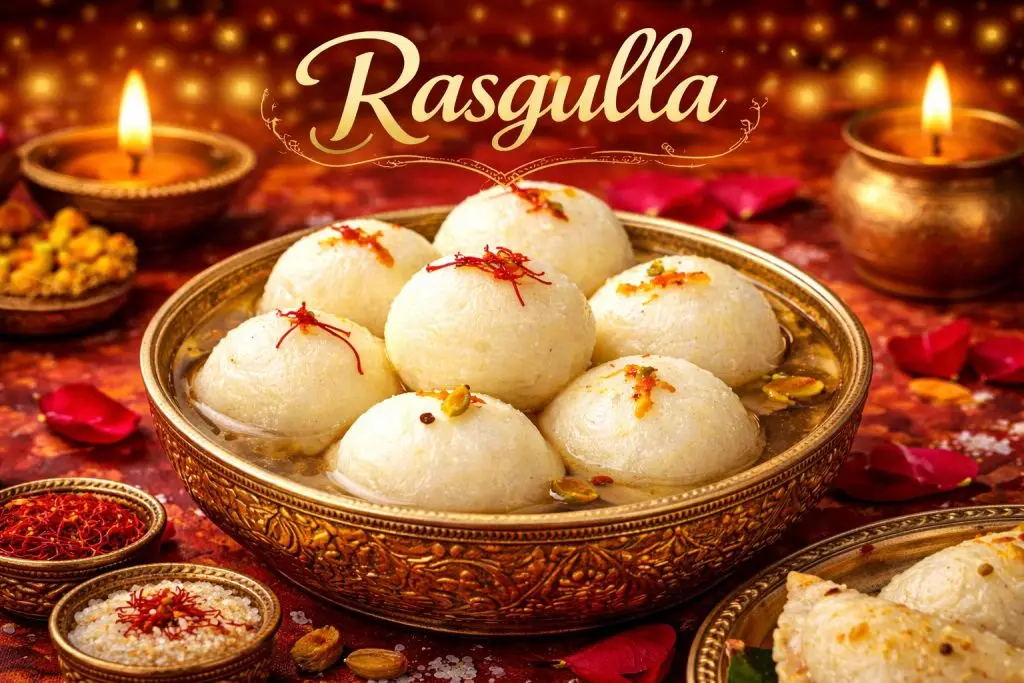
Rasgulla is a popular Bengali dessert known for its soft texture and light sweetness. Made from fresh chhena shaped into balls and cooked in sugar syrup, it becomes juicy and spongy. Loved during festivals and celebrations, it remains a timeless favorite in Bengali cuisine and special gatherings.
Why It’s Popular:
- Served during almost every festival: This sweet is commonly included in festive menus and celebrations across Bengali households.
- Light texture after heavy meals: Its soft and airy consistency makes it a perfect dessert to enjoy after rich festive food.
- Loved by all age groups: People of different ages enjoy it because of its mild sweetness and smooth, refreshing taste.
Rasgulla symbolizes happiness and prosperity. Its soft texture and mild sweetness make it a must-have festive treat.
2. Sandesh – Elegant and Delicate
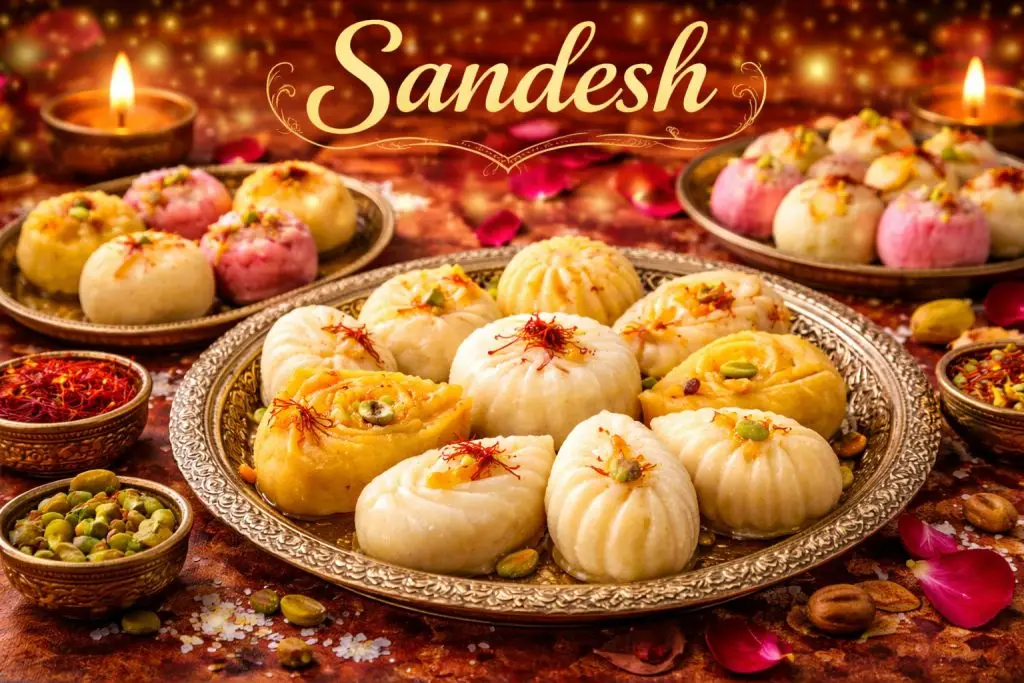
Sandesh is a classic Bengali dessert known for its smooth texture and delicate taste. Made from fresh chhena mixed with sugar and flavored with cardamom, saffron, or pistachios, it is often shaped creatively. Served during festivals and celebrations, it reflects tradition, artistry, and cultural pride in Bengali cuisine.
Types of Sandesh:
- Nolen Gur Sandesh: This variety is made with fresh date palm jaggery, giving it a rich aroma and natural sweetness.
- Kesar Sandesh: Infused with saffron, this sweet has a golden color and a delicate, fragrant flavor.
- Chocolate Sandesh (modern twist): A contemporary version blended with cocoa, offering a unique taste while keeping the traditional texture.
Sandesh is often beautifully shaped and decorated, making it perfect for gifting during festivals.
3. Mishti Doi – Creamy Sweet Yogurt
Mishti Doi is a traditional Bengali dessert made from fermented sweetened yogurt using full-cream milk and caramelized sugar or jaggery. It has a thick, creamy texture with a mild tangy sweetness. Served chilled in terracotta pots, it is popular at festivals, family gatherings, and special celebrations.
Why It’s Special:
- Naturally sweet and creamy: Its smooth texture and natural sweetness make it a rich and satisfying dessert.
- Served chilled: Serving it cold enhances its taste and gives a refreshing feeling after meals.
- Perfect after festive meals: It acts as a light and soothing dessert that balances heavy traditional dishes.
Mishti Doi is widely enjoyed during celebrations and family gatherings.

4. Roshmalai – Rich and Royal
Roshmalai is a rich Bengali dessert made with soft chhena patties soaked in thickened milk flavored with cardamom and saffron. It offers a creamy texture and mild sweetness in every bite. Commonly served at festivals and weddings, it represents celebration, elegance, and traditional culinary heritage.
Festival Appeal:
- Luxurious taste: Its rich and refined flavor makes it feel special and perfect for festive celebrations.
- Creamy texture:The smooth and soft consistency enhances the overall eating experience with every bite.
- Attractive presentation: Beautiful decoration and elegant serving style make it visually appealing for special occasions.
Among Bengali Desserts, Roshmalai is considered a premium sweet for special occasions.
5. Chomchom – A Colorful Delight
Chomchom is a traditional Bengali dessert known for its unique cylindrical shape and rich taste. It is made from soft chhena, cooked in sugar syrup to achieve a sweet and tender texture. After soaking, it is often coated with grated coconut, mawa, or decorative toppings to enhance its flavor and appearance. Chomchom is commonly enjoyed during festivals, celebrations, and special gatherings, adding color and sweetness to festive dessert platters.
Why Try It?
- Unique shape: Its distinct cylindrical form makes it stand out among traditional Bengali sweets.
- Soft and juicy: The syrup-soaked texture keeps it tender and full of rich sweetness.
- Comes in various flavors: It is available in different tastes and coatings, offering variety for every preference.
This dessert adds color and variety to festive sweet platters.
6. Pithe – Traditional Rice-Based Sweet
Pithe is a classic Bengali dessert that holds special importance during winter festivals and Pohela Boishakh celebrations. It is traditionally prepared using rice flour combined with coconut, jaggery, and milk to create soft and flavorful sweets. Different varieties of pithe are shaped and cooked using steaming, frying, or stuffing methods. This traditional sweet reflects rural heritage, seasonal ingredients, and cultural traditions that are deeply rooted in Bengali cuisine.
Popular Varieties:
- Patishapta: A thin rice flour crepe filled with sweet coconut or khoya filling, popular during winter festivals.
- Bhapa Pithe: A steamed rice cake made with coconut and jaggery, known for its soft texture and traditional taste.
- Puli Pithe: Small dumpling-shaped sweets stuffed with coconut or molasses, often prepared for special celebrations and gatherings.
Pithe represents rural Bengali heritage and seasonal celebrations.
7. Kheer – Creamy Rice Pudding
Kheer is a classic and comforting Bengali dessert made by slowly cooking rice with milk and sugar until it becomes thick and creamy. It is often enriched with dry fruits such as almonds, raisins, and pistachios to enhance its flavor and texture. In many traditional households, jaggery is used instead of refined sugar to give it a deeper, more authentic taste. Kheer is commonly prepared during festivals, religious ceremonies, and family celebrations as a symbol of sweetness and togetherness.
Why It’s Festive:
- Easy to prepare in large quantities: It can be cooked in big batches, making it suitable for family gatherings and celebrations.
- Rich and comforting: Its creamy texture and mild sweetness create a satisfying and soothing dessert experience.
- Ideal for religious occasions: It is commonly offered during prayers and rituals as a traditional and meaningful sweet dish.
Kheer remains one of the most traditional Bengali Desserts for family gatherings.
8. Pantua – Deep-Fried Sweet Treat
Pantua is a popular traditional Bengali dessert that resembles gulab jamun but has a slightly denser texture and deeper color. It is made from a mixture of chhena, flour, and sometimes khoya, shaped into small balls, and deep-fried until golden brown. After frying, the sweets are soaked in warm sugar syrup, allowing them to absorb sweetness and become soft inside. Pantua is commonly served during festivals, weddings, and special celebrations as a rich and indulgent treat.
Taste Profile:
- Crispy outer layer: The outer surface is lightly fried, giving it a golden and slightly crunchy texture.
- Soft interior: Inside, it remains tender and smooth, creating a perfect balance with the outside.
- Rich sweetness: Soaked in sugar syrup, it delivers a deep and satisfying sweet flavor in every bite.
Pantua is especially popular during weddings and grand festivals.
9. Malpua – Sweet Festive Pancake
Malpua is a traditional Bengali dessert made as a sweet fried pancake enjoyed during festivals and special occasions. It is prepared using a batter of flour, milk, and sometimes ripe fruits or aromatic spices, then deep-fried until golden and crispy on the edges. After frying, it is soaked in sugar syrup to enhance its sweetness and softness. Malpua is often served with rich rabri or topped with nuts and saffron, making it a flavorful and festive treat.
Festival Connection:
- Popular during Holi and Eid: It is commonly prepared and enjoyed during major festivals and joyful celebrations.
- Crispy edges with soft center: Its texture combines a light crunch on the outside with a soft and tender inside.
- Aromatic and flavorful: The blend of spices and syrup gives it a rich aroma and delicious taste.
This dessert adds warmth and sweetness to festive evenings.
10. Laddu – Celebration Sweet
Laddu is a beloved traditional sweet enjoyed during festivals, religious ceremonies, and family celebrations. While it is popular across India, Bengali households prepare their own special variations using ingredients like flour, semolina, coconut, or besan mixed with sugar or jaggery. The mixture is shaped into round balls and often enriched with nuts, ghee, and aromatic spices for added flavor. Laddu symbolizes joy, prosperity, and togetherness, making it an essential part of festive dessert platters and offerings.
Why It’s Loved:
- Easy to distribute: These sweets are simple to pack and share among guests during festivals and special gatherings.
- Long shelf life: Many traditional sweets stay fresh for several days, making them convenient for storage and gifting.
- Symbol of celebration: They represent joy, prosperity, and happiness, making them an essential part of festive traditions and special occasions.
Laddu completes the list of essential Bengali Desserts for any grand occasion.
Ingredients Commonly Used in Bengali Desserts
Most Bengali Desserts are prepared using simple but high-quality ingredients that create rich flavor and smooth texture. Fresh milk, chhena, and khoya form the base of many sweets. Sugar or jaggery adds sweetness, while rice flour, coconut, cardamom, saffron, and nuts enhance aroma and taste, giving desserts their authentic traditional appeal.
- Fresh milk
- Chhena (cottage cheese)
- Sugar or jaggery
- Rice flour
- Coconut
- Cardamom
- Saffron
The freshness of dairy products plays a key role in achieving authentic taste.
Cultural Importance of Bengali Desserts
Bengali desserts are more than just food—they represent emotion, tradition, and heartfelt hospitality. Offering sweets is a gesture of love, respect, and celebration in Bengali culture. During festivals like Durga Puja and Eid, families prepare and share traditional sweets to strengthen bonds and express joy. From welcoming guests with mishti to distributing sweets at weddings and religious ceremonies, desserts hold deep cultural meaning. They symbolize prosperity, happiness, and togetherness, making them an inseparable part of every special occasion in Bengal.
- Guests are welcomed with sweets: Offering sweets to guests is a traditional way to show respect and warm hospitality. It reflects love, appreciation, and the joy of sharing special moments together.
- Newly married couples receive sweet gifts: Sweets are often given to newlyweds as blessings for happiness and prosperity. This tradition symbolizes good wishes for a sweet and successful married life.
- Religious offerings include traditional desserts: Traditional desserts are commonly presented during prayers and religious ceremonies as acts of devotion. They represent gratitude, faith, and celebration in spiritual gatherings.
Sweets symbolize joy, prosperity, and good fortune.
Tips for Making Perfect Bengali Desserts at Home
Preparing Bengali Desserts at home requires fresh ingredients, proper technique, and patience. Use high-quality milk to make soft chhena, control sugar syrup consistency, and maintain accurate cooking temperature. Allow sweets to rest before serving for better texture and flavor. These small details ensure authentic taste and perfect results.
- Use fresh milk for making chhena: Fresh and high-quality milk helps create soft, smooth chhena, which forms the base of many traditional sweets. Better milk quality improves texture and enhances the final flavor of the dessert.
- Do not overheat the sugar syrup: Cooking the syrup for too long can make it thick and affect the softness of the sweets. Maintaining the right consistency keeps the desserts juicy and perfectly sweet.
- Control the heat while cooking: Proper temperature management prevents sweets from breaking or becoming too dry during preparation. Gentle and steady heat ensures even cooking and a smooth texture.
- Choose good-quality jaggery for flavor: Using pure jaggery adds natural sweetness and an authentic traditional taste. It also enhances aroma and deepens the richness of the dessert.
- Let the desserts rest before serving: Allowing sweets to sit for some time helps them absorb flavors and settle properly. Resting improves texture and makes them taste more delicious.
Health Considerations
While Bengali Desserts are delicious and culturally significant, moderation is essential when enjoying them. Many traditional sweets contain high amounts of sugar and rich dairy ingredients, which can increase calorie intake. Eating smaller portions and balancing them with healthy foods helps maintain overall well-being while still enjoying festive flavors and authentic taste. You can:
- Use less sugar: Reducing the amount of sugar helps maintain a healthier balance without compromising the taste of Bengali Desserts. It allows the natural flavors of milk, chhena, and spices to stand out more clearly.
- Replace refined sugar with jaggery: Using jaggery instead of refined sugar adds a richer and more authentic flavor to traditional sweets. Jaggery also enhances nutritional value while preserving the classic taste.
- Choose baked options instead of fried: Opting for baked desserts reduces excess oil and makes the sweets lighter and easier to digest. Baking keeps the texture enjoyable while offering a healthier festive alternative.
Eating in moderation ensures a balanced festive experience.
Modern Twist on Traditional Bengali Desserts
Today, many chefs experiment with innovative flavors and creative presentations while keeping the essence of traditional Bengali Desserts intact. Classic sweets are now blended with chocolate, fruits, nuts, and natural flavor enhancers to attract younger generations. Modern techniques such as baking, layering, and sugar-free alternatives are also introduced. These creative adaptations preserve heritage while making Bengali Desserts more versatile, healthy, and visually appealing for today’s festivals and celebrations.
- Chocolate Rasgulla: Chocolate Rasgulla is a modern twist on the classic sweet, blending cocoa flavor with soft, syrup-soaked chhena. It offers a rich taste while keeping the traditional spongy texture intact.
- Mango Sandesh: Mango Sandesh combines fresh mango pulp with smooth chhena to create a fruity and creamy dessert. Its natural sweetness and vibrant color make it perfect for festive celebrations.
- Baked Rosogolla:Baked Rosogolla is prepared by lightly baking traditional rasgulla to enhance its flavor and texture. The baking process adds a caramelized touch while maintaining softness inside.
- Sugar-free Mishti Doi: Sugar-free Mishti Doi is a healthier version of traditional sweet yogurt made without refined sugar. It uses natural sweeteners to preserve taste while reducing calorie content.
These modern versions attract younger generations while preserving tradition.
Final Thoughts
Bengali Desserts are an essential and cherished part of festivals, family gatherings, and cultural celebrations across Bengal. These sweets are more than just delightful treats—they represent history, emotion, and generations of culinary craftsmanship. From the soft and spongy Rasgulla to the creamy and caramel-flavored Mishti Doi, every dessert tells a unique story of tradition and authenticity. The 10 authentic Bengali Desserts highlighted in this guide are must-try specialties that add joy, warmth, and sweetness to every special occasion.
Whether you are celebrating Durga Puja, Eid, Pohela Boishakh, or a joyful family wedding, these traditional sweets elevate the festive spirit. If you truly appreciate classic flavors and meaningful cultural experiences, exploring Bengali Desserts will be a delicious and unforgettable journey.