
Eid ul Adha 2026: learn the date, meaning, traditions, and celebration guide. Discover how Muslims celebrate Eid ul Adha with sacrifice, prayers, and joy.
Introduction: Eid ul Adha 2026
Eid ul Adha is one of the most significant Islamic festivals celebrated by millions of Muslims across the world. Widely known as the “Festival of Sacrifice,” Eid ul Adha represents deep spiritual values such as faith, devotion, obedience, and trust in Allah. The occasion honors the মহান sacrifice of Prophet Ibrahim (AS), who was willing to give up what he loved most in complete submission to Allah’s command. This powerful story continues to inspire Muslims to strengthen their ایمان and practice selflessness in their daily lives.
In 2026, Eid ul Adha will once again bring families, communities, and nations together in a spirit of unity, generosity, and gratitude. It is not just a religious celebration but also a time to reflect, share blessings, and care for those in need. From performing the sacred ritual of Qurbani to enjoying festive meals and reconnecting with loved ones, every moment of Eid carries special meaning.
This complete guide will help you understand everything about Eid ul Adha 2026, including its expected date, religious importance, traditions, and how it is beautifully celebrated across different cultures worldwide.
When is Eid ul Adha 2026?
Eid ul Adha is observed on the 10th day of Dhul Hijjah, the final month of the Islamic lunar calendar. Since the Islamic calendar is based on the moon cycle, the exact date of Eid ul Adha changes every year and depends on the sighting of the moon in different regions. This is why the celebration may vary slightly from one country to another.
In 2026, Eid ul Adha is expected to fall around Tuesday, May 26, 2026, although the final date will be officially confirmed after the moon is sighted. Muslims eagerly wait for this announcement, as it marks the beginning of one of the most sacred and joyful festivals in Islam.
Eid ul Adha also holds special importance because it coincides with the completion of Hajj, the annual pilgrimage to Makkah, which is one of the Five Pillars of Islam. Millions of Muslims gather in Saudi Arabia to perform Hajj during this time, making the occasion even more spiritually meaningful.
This connection between Eid ul Adha and Hajj highlights themes of unity, devotion, and submission to Allah, bringing Muslims around the world together in faith and celebration.
Meaning of Eid ul Adha
Eid ul Adha, the “Festival of Sacrifice,” honors Prophet Ibrahim’s (AS) unwavering obedience when he was commanded to sacrifice his son, Ismail (AS). Recognizing Ibrahim’s absolute devotion, Allah replaced Ismail with a ram at the final moment. This profound event serves as a cornerstone of Islamic faith, teaching Muslims the virtues of submission, trust, and ultimate sacrifice. Today, the holiday emphasizes the importance of piety over material possessions, encouraging believers to share their blessings with the needy while strengthening their spiritual connection through communal prayer and acts of charity.
- Faith and obedience – Demonstrates a believer’s commitment to follow Allah’s commands with sincerity and devotion.
- Sacrifice for a greater purpose – Teaches letting go of personal attachments for the sake of spiritual growth and helping others.
- Trust in Allah’s plan – Encourages reliance on Allah’s wisdom, believing that everything happens with a greater purpose.
Eid ul Adha reminds believers to stay committed to their values and strengthen their connection with Allah.
Religious Significance of Eid ul Adha
Eid ul Adha holds deep religious importance in Islam. It is not just a celebration but also a time for reflection, worship, and charity.
Connection with Hajj
Eid ul Adha marks the end of Hajj, one of the Five Pillars of Islam. Pilgrims perform the ritual of sacrifice in Mina as part of their pilgrimage.
Sunnah of Sacrifice (Qurbani)
Muslims who can afford it perform Qurbani (animal sacrifice) following the Sunnah of Prophet Ibrahim (AS). This act symbolizes devotion and submission to Allah.
Charity and Sharing
A significant part of Eid ul Adha is sharing. The sacrificed meat is divided into three parts:
- One for family
- One for relatives and friends
- One for the poor and needy
This ensures that everyone can enjoy the blessings of Eid.
Preparations for Eid ul Adha
Preparation for Eid ul Adha begins days in advance. Muslims focus on both spiritual and practical arrangements.
Spiritual Preparation
- Increasing prayers and recitation of the Quran
- Fasting during the first nine days of Dhul Hijjah (especially the Day of Arafah)
- Seeking forgiveness and making dua
Buying Animals for Qurbani
People purchase animals such as goats, cows, sheep, or camels for sacrifice. The animal must be healthy and meet Islamic guidelines.
Cleaning and Decorating Homes
Families clean their homes and prepare for guests, creating a joyful and welcoming environment.
Shopping for Eid
Buying new clothes, gifts, and food items is a common tradition, adding excitement to the celebration.
Eid ul Adha Day: Step-by-Step Celebration
1. Early Morning Routine
Muslims begin their day early with a sense of purpose and devotion. They wake up before sunrise to perform Fajr prayer, the first prayer of the day. Many take a moment for personal reflection, recite the Quran, or engage in quiet supplication. It’s also a time for cleanliness, preparing for the day ahead, and embracing discipline, gratitude, and spiritual mindfulness.
- Taking a bath (Ghusl)
- Wearing clean or new clothes
- Applying perfume
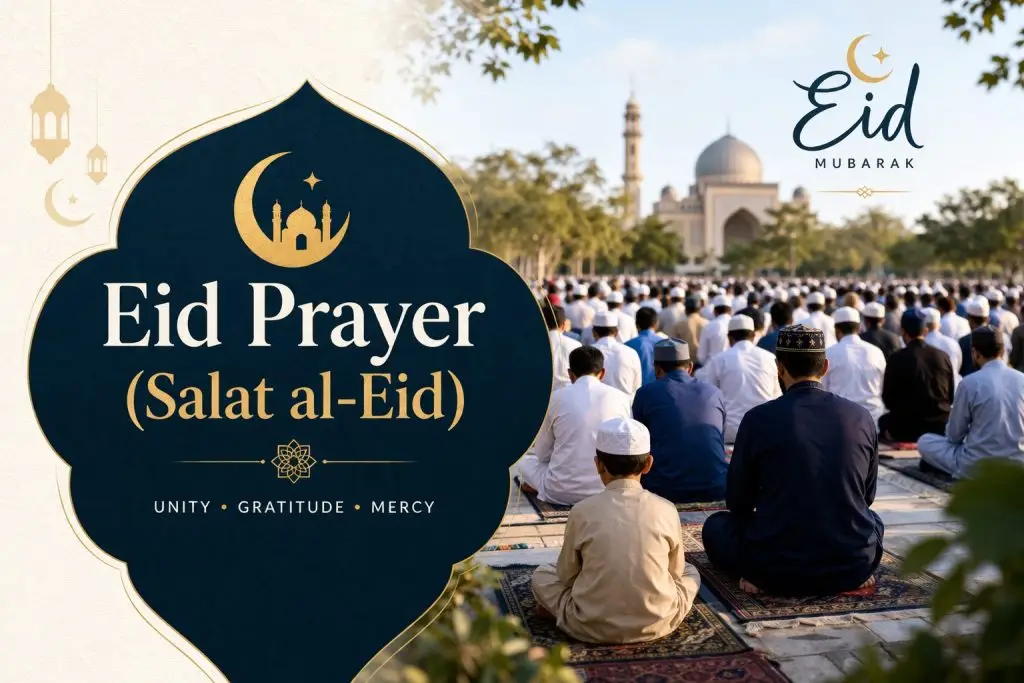
2. Eid Prayer (Salat al-Eid)
The Eid prayer is offered in large congregations, usually at mosques or open fields, creating a strong sense of unity among Muslims. It consists of a special prayer followed by a sermon that highlights the values of sacrifice, compassion, and faith. This gathering allows people to come together, strengthen community bonds, and express gratitude while celebrating the spirit of Eid with joy and devotion.
3. Performing Qurbani
After the Eid prayer, Muslims carry out Qurbani, the ritual sacrifice performed in remembrance of Prophet Ibrahim’s devotion. The act is done following Islamic guidelines that emphasize mercy, proper handling, and minimizing the animal’s discomfort. It reflects obedience, compassion, and gratitude. Families often participate together, making it a meaningful spiritual practice that strengthens faith while also preparing to share the meat with others.

4. Distribution of Meat
After Qurbani, the meat is thoughtfully divided into portions and shared among family members, friends, neighbors, and those in need. This tradition promotes generosity, equality, and compassion within the community. By ensuring that everyone, especially the less fortunate, can enjoy a nourishing meal, Muslims reinforce the values of charity and social responsibility while spreading happiness and strengthening bonds during Eid celebrations.
5. Festive Meals and Gatherings
During Eid, families come together to prepare and enjoy a variety of delicious meals, creating a joyful and welcoming atmosphere. Relatives, friends, and neighbors are often invited to share the celebration, strengthening social bonds and unity. Traditional dishes differ by region but commonly feature rich, meat-based recipes prepared with special spices, reflecting cultural heritage and adding warmth and flavor to the festive occasion.
Popular Eid ul Adha Foods
Food is central to Eid ul Adha, where communal feasts showcase rich, traditional flavors. Savory meat dishes dominate the table, with succulent Biryani and spiced Kebabs being universal favorites. In many regions, slow-cooked stews like Nihari or hearty Haleem are prepared to honor the spirit of sharing. Sweet treats also play a vital role, featuring creamy Sheer Khurma and flaky Baklava to balance the feast. These diverse culinary traditions bring families together, transforming the act of dining into a joyful celebration of faith, gratitude, and hospitality.
- Beef or mutton curry: A hearty, slow-cooked dish featuring tender meat simmered in a rich, aromatic gravy of onions, tomatoes, and traditional spices.
- Biryani: A fragrant and iconic layered rice dish infused with saffron, herbs, and marinated meat, served as the centerpiece of festive meals.
- Kebabs: Succulent skewers of minced or cubed meat, seasoned with intense spices and grilled to smoky perfection over an open flame.
- Korma: A velvety, mild curry characterized by its thick sauce made from yogurt, cream, and a paste of nuts or seeds for a royal flavor.
- Haleem: A nutritious, porridge-like stew made by slow-cooking grains, lentils, and meat until they blend into a smooth, savory consistency.
In Bangladesh, dishes like kacchi biryani and rezala are especially popular during Eid ul Adha.
Eid ul Adha Traditions Around the World
Eid ul Adha is celebrated differently across countries, reflecting cultural diversity.
- Bangladesh: In Bangladesh, Eid ul Adha is celebrated with great enthusiasm. Families gather, perform Qurbani, and share meat with neighbors and the poor.
- Saudi Arabia: As the center of Hajj, Saudi Arabia hosts millions of pilgrims. The atmosphere is deeply spiritual and focused on religious rituals.
- Turkey: In Turkey, Eid ul Adha is known as “Kurban Bayramı.” People visit elders, give gifts, and emphasize charity.
- Indonesia: The world’s largest Muslim-majority country celebrates Eid ul Adha with community prayers and large-scale meat distribution.
Importance of Qurbani in Eid ul Adha
Qurbani is the central ritual of Eid ul Adha, symbolizing devotion, obedience, and willingness to sacrifice for the sake of Allah. It is performed by Muslims who meet certain financial criteria, ensuring that the act remains meaningful and responsible. Beyond the ritual itself, Qurbani promotes generosity by encouraging the sharing of meat with family, friends, and those in need. This practice strengthens community bonds, supports the less fortunate, and reflects the deeper spiritual values of compassion, gratitude, and social responsibility.
Rules of Qurbani
- The animal must be healthy :The animal chosen for Qurbani should be free from illness, injuries, or physical defects.
- It should meet age requirements :The animal must reach the minimum Islamic age, such as one year for goats and sheep.
- The sacrifice must be done after Eid prayer : Qurbani should only be performed after the Eid-ul-Adha prayer has been completed.
Spiritual Meaning
Qurbani holds deep spiritual significance in Islam and goes beyond the act of sacrificing an animal. It represents devotion, obedience, and willingness to submit to the will of Allah. Through Qurbani, Muslims remember the faith and sacrifice of Prophet Ibrahim (AS), who was ready to sacrifice his beloved son for the sake of Allah. This act teaches believers to give up personal desires, selfishness, and worldly attachments in order to follow Allah’s guidance. It also encourages generosity, compassion, and sharing with those in need, strengthening faith and unity within the Muslim community.
Charity and Kindness During Eid ul Adha
Eid ul Adha serves as a profound reminder of the Islamic duty toward social justice and compassion. Central to the holiday is the act of Qurbani, where the meat from sacrificed animals is divided into thirds: one for the family, one for friends, and one specifically for the impoverished. This ensures that everyone, regardless of financial standing, can enjoy a festive meal. Beyond food, Muslims are encouraged to practice Sadaqah, offering financial aid and kindness to the marginalized, thereby fostering communal unity and selfless generosity.
- Donate money: Provide financial assistance to those in need to help cover essential living expenses and ensure they can celebrate the festival with dignity.
- Share food: Distribute a portion of the sacrificed meat and prepared meals to neighbors and the less fortunate to ensure no one goes hungry during the festivities.
- Support charitable organizations: Partner with established NGOs and community groups to facilitate large-scale aid distribution and sustainable relief efforts for marginalized populations.
Acts of kindness strengthen community bonds and ensure that everyone can celebrate Eid with joy.
Tips for a Meaningful Eid ul Adha 2026
To make Eid ul Adha 2026 truly impactful, prioritize spiritual reflection and intentional connection. Begin by attending communal prayers to foster a sense of unity, then focus on the deeper meaning of sacrifice through mindful acts of charity. Engage your family in traditions that emphasize gratitude, such as preparing meals together or visiting elders. Additionally, consider sustainable practices by reducing waste during celebrations. By balancing festive joy with a commitment to helping the vulnerable, you transform the holiday into a powerful period of personal growth and social harmony.
- Focus on Spiritual Growth: Spend time in prayer and reflection to deepen your faith.
- Practice Generosity: Help those less fortunate and spread happiness.
- Strengthen Relationships: Visit relatives and reconnect with loved ones.
- Celebrate Responsibly: Ensure hygiene and safety during Qurbani and gatherings.
Safety and Hygiene During Qurbani
Modern celebrations of Eid ul Adha also emphasize safety and cleanliness.
- Use proper tools and skilled butchers
- Maintain hygiene during meat handling
- Dispose of waste responsibly
- Store meat properly to avoid spoilage
These practices help maintain public health and environmental cleanliness.
Eid ul Adha Wishes and Messages
Sharing greetings is a beautiful tradition during Eid ul Adha. Some common wishes include:
- “Eid Mubarak! May your sacrifices be accepted.”
- “May this Eid ul Adha bring you joy, peace, and abundant blessings.”
- “May Allah fill your life and your family’s life with happiness, blessings, and success.”
Sending messages strengthens bonds and spreads positivity.
Why Eid ul Adha is Important Today
In today’s fast-paced world, Eid ul Adha reminds us of timeless values:
- Faith over materialism
- Sacrifice for a greater cause
- Compassion for others
It encourages people to slow down, reflect, and appreciate blessings.
Travel and Holidays During Eid ul Adha 2026
Eid ul Adha is also a popular time for travel and holidays. Many people:
- Visit their hometowns: Travel back to one’s place of birth or upbringing to reconnect with roots, childhood memories, and local relatives.
- Plan family trips: Organize coordinated travel itineraries designed to strengthen bonds and create shared experiences among family members.
- Explore tourist destinations: Journey to popular landmarks, historical sites, or natural wonders to experience the unique culture and attractions of a new location.
In Bangladesh, popular spots like Cox’s Bazar, Sylhet, and Bandarban see increased visitors during Eid.
Common Mistakes to Avoid During Eid ul Adha
- Performing Qurbani before Eid prayer
- Not distributing meat properly
- Ignoring hygiene and cleanliness
- Overspending unnecessarily
Avoiding these mistakes ensures a more meaningful and responsible celebration.
Conclusion
Eid ul Adha 2026 is more than just a festival—it is a powerful reminder of faith, sacrifice, and compassion. Rooted in the inspiring story of Prophet Ibrahim (AS), this sacred occasion teaches Muslims the true meaning of obedience, trust in Allah, and willingness to give for a greater purpose. The act of Qurbani reflects not only a religious duty but also a deep spiritual lesson about selflessness and devotion.
As Muslims around the world prepare to celebrate Eid ul Adha, it is important to look beyond the outer celebrations and focus on the core values behind them. This is a time to strengthen our ایمان, increase acts of kindness, and build stronger bonds with family, friends, and the wider community. Sharing meat with the less fortunate, offering prayers, and spreading happiness are all essential parts of this meaningful festival.
Eid ul Adha 2026 also reminds us to pause, reflect, and express gratitude for the blessings in our lives. Whether you are celebrating with loved ones, performing Qurbani, or helping those in need, every moment holds spiritual significance.
May this blessed Eid ul Adha bring peace, joy, prosperity, and countless blessings to you and your family.
Eid Mubarak!