
Discover the rich Folk Music of Bangladesh through its history, traditional songs, famous artists, unique instruments, and cultural heritage in this complete 2026 guide.
Introduction: Folk Music of Bangladesh
Bangladesh is a land where music flows as naturally as its countless rivers. Long before modern entertainment and digital media became popular, people expressed their emotions, traditions, and daily experiences through folk songs. The Folk Music of Bangladesh is much more than entertainment—it is a living record of the nation’s history, beliefs, struggles, celebrations, and rural lifestyle.
For centuries, farmers sang while working in the fields, fishermen performed songs as they rowed across mighty rivers, and wandering mystic singers shared messages of love, humanity, and spirituality through heartfelt melodies. These traditional songs have been passed down from one generation to another, preserving Bangladesh’s rich cultural identity.
Today, Bangladeshi folk music continues to inspire musicians worldwide. It has found new audiences through concerts, television, online platforms, and international cultural festivals while maintaining its authentic roots.
In this complete guide, you’ll discover ten fascinating facts about the Folk Music of Bangladesh, explore its unique styles, famous artists, traditional instruments, and understand why this musical heritage remains one of South Asia’s greatest cultural treasures.
What Is Folk Music of Bangladesh?
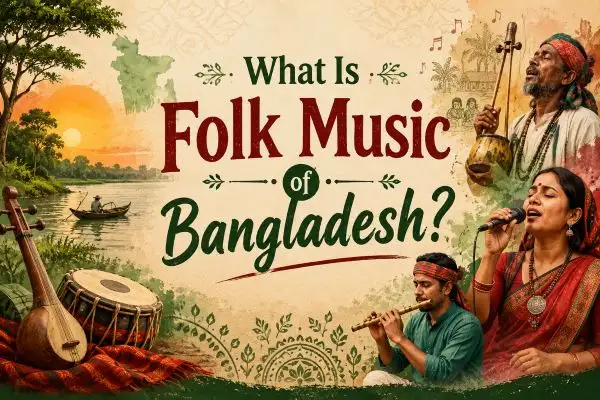
Folk Music of Bangladesh refers to traditional songs created and performed by ordinary people rather than professional composers. These songs evolved naturally within villages and communities over hundreds of years.
Unlike modern music, folk songs often have no single known author. Instead, they are shaped collectively by generations of singers who adapt lyrics and melodies to fit local customs and experiences.
Bangladeshi folk music reflects every aspect of life, including:
- Agriculture and farming
- Rivers and boat journeys
- Love and romance
- Nature and changing seasons
- Religious devotion
- Spiritual philosophy
- Festivals and celebrations
- Family traditions
- Social values
- Everyday struggles
Each region of Bangladesh has developed its own unique musical traditions, making the country’s folk heritage incredibly diverse.
The Rich History of Folk Music in Bangladesh
The history of Bangladeshi folk music stretches back many centuries. Before books became common, songs served as an important way to preserve stories, religious teachings, historical events, and local legends.
Ancient communities used music during:
- Harvest festivals
- Weddings
- Religious ceremonies
- Seasonal celebrations
- Village gatherings
- Boat races
- Cultural performances
Many musical traditions were influenced by Hindu, Buddhist, Muslim, and indigenous cultures. Rather than replacing one another, these traditions blended beautifully over time, creating the distinctive folk music heard today.
The country’s rivers also played a major role in shaping musical traditions. Since waterways connected villages, traveling musicians carried songs from one region to another, helping different styles evolve while maintaining shared cultural roots.
1. Folk Music Reflects Everyday Rural Life
One of the most fascinating aspects of the Folk Music of Bangladesh is its authentic portrayal of everyday rural life. Unlike commercial songs created primarily for entertainment, traditional folk music tells real stories about farming, fishing, river journeys, family relationships, love, and seasonal celebrations.
These heartfelt songs capture the emotions, struggles, hopes, and traditions of village communities, preserving the true spirit of Bangladesh’s countryside while passing its cultural heritage from one generation to the next.
Many songs tell stories about:
- Farmers planting rice
- Fishermen catching fish
- Mothers caring for children
- Travelers crossing rivers
- Lovers separated by distance
- Village markets
- Seasonal weather
- Community celebrations
These songs capture genuine emotions, allowing listeners to experience rural Bangladesh through music.
Even today, many elderly villagers remember songs learned from their parents and grandparents, keeping centuries-old traditions alive.

2. Bangladesh Has Many Different Folk Music Styles
The Folk Music of Bangladesh is remarkably diverse, with each region developing its own unique musical traditions shaped by geography, local customs, and cultural heritage. From the spiritual melodies of Baul to the river songs of Bhatiyali and the emotional tunes of Bhawaiya, every style tells a different story.
This rich diversity reflects the country’s history, rural lifestyle, and regional identity, making Bangladeshi folk music one of South Asia’s most treasured cultural legacies.
Some of the best-known genres include:
Baul Songs
Baul music is perhaps Bangladesh’s most internationally recognized folk tradition. Baul singers are wandering mystic musicians who use simple melodies to explore deep philosophical ideas about humanity, love, and spirituality. Their songs encourage inner peace rather than religious division.
Baul performances often feature:
- Emotional singing
- Simple instruments
- Improvised performances
- Spiritual messages
- Symbolic poetry
Their music continues to attract audiences across the globe.
Bhatiyali
Bhatiyali is the music of Bangladesh’s rivers. Boatmen traditionally sang these songs while navigating rivers and canals. The slow, flowing melodies perfectly match the peaceful movement of boats drifting downstream.
Common themes include:
- Loneliness
- Nature
- River journeys
- Love
- Hope
- Reflection
Bhatiyali beautifully captures the emotional relationship between people and Bangladesh’s waterways.
Bhawaiya
Originating in northern Bangladesh, Bhawaiya focuses on longing, romance, and separation.
These songs often describe:
- Cart drivers
- Rural workers
- Family relationships
- Love stories
- Emotional struggles
The soft melodies create a deeply emotional listening experience.
Jari Songs
Jari songs originated from Islamic traditions and often recount historical events with emotional storytelling. They are commonly performed during religious gatherings and cultural events.
Sari Songs
Sari songs are energetic rowing songs performed by teams of boatmen. The rhythm helps rowers coordinate their movements while creating excitement during long river journeys.
3. Traditional Musical Instruments Create Unique Sounds
The beauty of the Folk Music of Bangladesh comes not only from its meaningful lyrics but also from the distinctive sounds of traditional musical instruments. Many of these instruments have remained unchanged for centuries, preserving their authentic tone and cultural significance.
Instruments such as the Dotara, Ektara, Dhol, Flute, and Khamak produce melodies that perfectly complement folk songs. Their handcrafted designs and timeless sounds continue to connect modern audiences with Bangladesh’s rich musical heritage and enduring cultural traditions.
Popular folk instruments include:
- Dotara:A beautifully crafted string instrument that produces warm, expressive melodies. It is widely used in Baul, Bhawaiya, and other folk performances.
- Ektara: The Ektara is a simple one-string instrument often carried by Baul singers. Despite its simplicity, it creates powerful rhythmic accompaniment.
- Dhol:The Dhol is a double-sided drum used during festivals, weddings, and village celebrations. Its energetic beats encourage dancing and joyful participation.
- Flute: Made from bamboo, the flute adds gentle melodies inspired by nature and rural landscapes.
- Khamak: This unusual percussion instrument creates rhythmic sounds by pulling a string attached to a drum. It is especially popular among Baul musicians.
Together, these instruments create the unmistakable sound of traditional Bangladeshi folk music.
4. Folk Songs Preserve Bangladesh’s Cultural Heritage
Traditional folk songs serve as living history books, preserving Bangladesh’s cultural heritage for generations. Long before written records became widespread, communities passed down stories, historical events, moral values, local legends, and religious traditions through music.
These timeless songs protect the nation’s identity while reflecting rural life, customs, and beliefs. Today, the Folk Music of Bangladesh continues to educate younger generations, strengthen cultural pride, and safeguard the country’s rich traditions in an ever-changing modern world.
Many folk songs preserve:
- Ancient legends
- Historical events
- Local traditions
- Moral lessons
- Religious teachings
- Family customs
- Agricultural knowledge
Without these songs, many stories might have disappeared over time.
Today, schools, universities, and cultural organizations continue documenting and preserving these valuable musical traditions for future generations.
5. Famous Folk Artists Brought Global Recognition
Several legendary performers played a vital role in introducing the Folk Music of Bangladesh to audiences around the world. Through their unforgettable songs, powerful performances, and timeless compositions, these artists preserved traditional musical styles while inspiring future generations.
Their work showcased Bangladesh’s rich cultural heritage on international stages, attracting researchers, musicians, and music lovers alike.
Today, their legacy continues through recordings, festivals, and modern interpretations, ensuring that Bangladeshi folk music remains respected, celebrated, and appreciated both nationally and globally.
Among the most celebrated names are:
Lalon Shah
- Perhaps the greatest folk philosopher in Bengali history, Lalon Shah composed hundreds of spiritual songs promoting humanity, equality, and compassion.
- His influence extends far beyond Bangladesh, inspiring scholars, musicians, and cultural enthusiasts around the world.
Abdul Alim
- Known for his remarkable voice, Abdul Alim popularized many traditional folk genres through radio and recordings.
- His performances helped preserve countless folk songs during the twentieth century.
Shah Abdul Karim
- A legendary songwriter and composer, Shah Abdul Karim blended rural experiences with powerful spiritual messages.
- His songs remain popular among both older and younger generations.
- These artists transformed local traditions into national treasures while keeping the original spirit of folk music alive.
6. Folk Music Is Deeply Connected to Spirituality
One of the most unique characteristics of the Folk Music of Bangladesh is its strong spiritual foundation. Many traditional songs are not simply about religion—they explore the meaning of life, love, kindness, humanity, and the relationship between people and the Creator.
Mystic singers, particularly the Bauls, believed that true wisdom comes from understanding the human heart. Their lyrics encourage compassion, equality, and self-discovery rather than focusing on material wealth.
Spiritual folk songs often discuss:
- Inner peace and self-awareness
- The value of humanity
- Love beyond social boundaries
- Respect for all people
- Faith and devotion
- The search for life’s true purpose
These timeless messages continue to resonate with audiences of all ages and backgrounds, making Bangladeshi folk music relevant even in today’s fast-paced world.
7. Folk Music Changes with the Seasons
Bangladesh’s six distinct seasons have long inspired the Folk Music of Bangladesh, making nature an important part of its musical heritage. Traditional folk songs beautifully reflect changing weather, agricultural activities, village festivals, and seasonal celebrations throughout the year.
From joyful spring melodies to emotional monsoon songs and harvest tunes, each season brings unique rhythms and stories. These seasonal compositions highlight the close bond between rural communities, nature, and Bangladesh’s rich cultural traditions.
For example:
- Spring songs celebrate blooming flowers and new beginnings.
- Summer songs describe intense heat, rivers, and village life.
- Monsoon songs capture the beauty of rainfall, overflowing rivers, and longing.
- Autumn songs praise clear skies and festive celebrations.
- Late autumn songs focus on harvest and gratitude.
- Winter songs highlight rural gatherings, family traditions, and peaceful evenings.
This close relationship between nature and music reflects the deep connection that rural communities have always shared with the environment.
8. Folk Music Has Influenced Modern Bangladeshi Music
Although modern Bangladeshi music has evolved with contemporary styles and technology, folk traditions remain its foundation.
Many popular singers and composers blend traditional melodies with modern instruments to create fresh interpretations while preserving the original spirit of the songs.
Today, folk-inspired music appears in:
- Modern Bengali pop songs
- Film soundtracks
- Television programs
- Cultural competitions
- Fusion music projects
- University cultural festivals
- International concerts
This combination of tradition and innovation allows younger generations to appreciate folk music in a contemporary way while ensuring that the heritage remains alive.
9. Folk Music Strengthens National Identity
Folk music is one of the strongest symbols of Bangladesh’s cultural identity. It reflects the country’s language, customs, history, and collective memories.
Whether performed in a remote village or on an international stage, traditional songs remind Bangladeshis of their shared roots.
During national celebrations, cultural programs, and educational events, folk music helps unite people across different regions and communities.
It also introduces international audiences to Bangladesh’s rich artistic traditions, promoting cultural understanding and appreciation around the world.
For many people, listening to folk music creates a sense of pride, nostalgia, and belonging that cannot easily be replaced by modern entertainment.
10. The World Is Discovering Bangladeshi Folk Music
The Folk Music of Bangladesh is gaining worldwide recognition thanks to digital technology, global cultural exchanges, and the growing interest in traditional arts. Music streaming platforms, video-sharing websites, documentaries, podcasts, and international folk festivals have made these timeless songs more accessible than ever before.
As a result, researchers, travelers, musicians, and cultural enthusiasts from around the globe are discovering Bangladesh’s rich musical heritage. Many contemporary artists are also blending traditional folk melodies with modern musical styles, introducing younger audiences to this unique cultural treasure.
This increasing global appreciation not only promotes Bangladesh’s identity on the world stage but also encourages the preservation of traditional songs, instruments, and performance styles for future generations, ensuring that this remarkable heritage continues to inspire people across cultures.
International interest has grown because Bangladeshi folk music offers:
- Authentic storytelling
- Beautiful acoustic melodies
- Rich philosophical ideas
- Cultural diversity
- Historical significance
- Unique musical instruments
This growing recognition helps preserve the country’s musical heritage while inspiring new generations of artists.
Why Folk Music Still Matters Today
In today’s digital age, where modern entertainment and global music trends dominate, the Folk Music of Bangladesh continues to hold lasting cultural and educational value. Traditional folk songs teach timeless lessons about community, respect, resilience, love, and the simplicity of rural life.
They help younger generations connect with their cultural roots while preserving stories, customs, and traditions that might otherwise disappear. Folk music also strengthens national identity, supports cultural tourism, and inspires modern musicians to blend traditional melodies with contemporary styles.
By celebrating and preserving these musical traditions, Bangladesh ensures that its rich heritage remains vibrant, meaningful, and appreciated by future generations.
Folk music also supports:
- Cultural education
- Heritage tourism
- Academic research
- Community celebrations
- Traditional arts and crafts
- Intergenerational learning
- National pride
As Bangladesh continues to modernize, preserving its folk traditions becomes increasingly important for maintaining its unique cultural identity.
Folk Music Festivals in Bangladesh
Folk music festivals in Bangladesh play a vital role in preserving and promoting the country’s rich cultural heritage. Throughout the year, various festivals and cultural events showcase traditional folk songs, regional performances, and indigenous musical traditions.
These gatherings bring together musicians, researchers, students, tourists, and culture enthusiasts who share a passion for the Folk Music of Bangladesh. Visitors enjoy live performances, traditional dance, local crafts, and musical workshops while learning about the nation’s history and customs.
These festivals also provide valuable opportunities for young artists to perform, helping ensure that Bangladesh’s timeless folk music continues to thrive for future generations.
Popular activities at folk music festivals include:
- Live folk song performances
- Baul music sessions
- Traditional dance performances
- Musical instrument exhibitions
- Cultural workshops
- Folk art displays
- Poetry recitations
- Local handicraft markets
These festivals provide valuable opportunities for younger performers to learn from experienced artists while introducing visitors to Bangladesh’s rich cultural heritage.
Conclusion
The Folk Music of Bangladesh is much more than a collection of beautiful songs—it is the heartbeat of the nation’s cultural identity. Every melody tells a story, every lyric reflects the experiences of ordinary people, and every performance keeps centuries of tradition alive.
From the soulful songs of wandering Bauls to the rhythmic rowing chants of boatmen and the emotional melodies of Bhawaiya singers, Bangladesh’s folk music represents a remarkable blend of history, spirituality, nature, and community life.
As modern influences continue to shape the music industry, preserving these timeless traditions becomes even more important. By supporting folk artists, attending cultural festivals, learning traditional instruments, and sharing these songs with future generations, we help protect one of Bangladesh’s greatest cultural treasures.
Whether you are a traveler, researcher, music enthusiast, or someone discovering Bangladeshi culture for the first time, exploring its folk music offers an unforgettable journey into the heart and soul of the nation.