
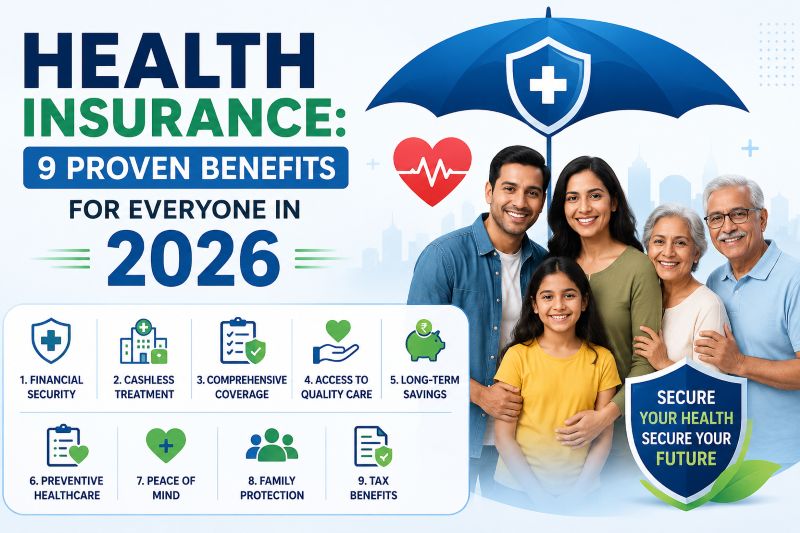
Discover Health Insurance benefits in 2026. Learn 9 proven ways it protects your health, reduces medical costs, and secures your family’s future.
Introduction: Health Insurance Benefits In 2026
Healthcare costs continue to rise worldwide, making it increasingly important for individuals and families to prepare for unexpected medical expenses. Whether it is a routine health check-up, emergency surgery, or treatment for a chronic illness, medical bills can quickly become overwhelming without proper financial protection. This is where Health Insurance becomes one of the smartest investments you can make.
In 2026, access to quality healthcare is no longer just a convenience—it is a necessity. Advances in medical technology have improved treatment options, but they have also increased the cost of healthcare services. A comprehensive Health Insurance plan helps reduce financial stress by covering a significant portion of medical expenses while ensuring you receive timely and appropriate care.
Many people believe they only need insurance when they become ill. However, the real value of Health Insurance lies in protecting your financial future before health problems arise. A suitable policy can provide access to preventive care, hospitalization, specialist consultations, prescription medications, and emergency services, allowing you to focus on recovery instead of worrying about expenses.
Whether you are a student, working professional, self-employed individual, parent, or retiree, having the right Health Insurance policy offers peace of mind and long-term security. Throughout this guide, you’ll discover nine proven benefits that explain why millions of people consider health coverage an essential part of financial planning in 2026.
What Is Health Insurance?
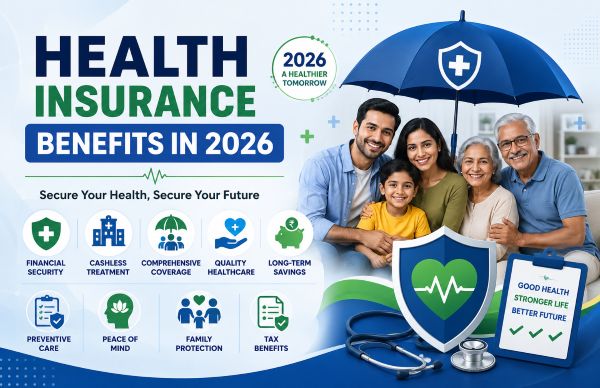
Health Insurance is a financial agreement between an individual and an insurance company. In exchange for regular premium payments, the insurer agrees to pay part or all of your eligible medical expenses according to the terms of your policy. Instead of paying the full cost of medical treatment from your own savings, your insurance provider shares the financial responsibility. Depending on your plan, coverage may include:
- Hospital stays and surgeries
- Emergency medical treatment
- Doctor consultations
- Diagnostic tests and laboratory services
- Prescription medications
- Preventive health screenings
- Vaccinations
- Maternity and newborn care
- Mental health services
- Rehabilitation and physical therapy
Some plans also include telemedicine consultations, wellness programs, dental care, vision care, and international emergency coverage.
How Does Health Insurance Work?
The basic process is simple:
- Select a Health Insurance plan that matches your healthcare needs and financial budget.
- Pay your monthly or annual premium.
- Visit approved healthcare providers when medical care is needed.
- The insurer covers eligible medical expenses according to your policy.
- You may pay a deductible, copayment, or coinsurance depending on the plan.
Many Health Insurance providers now offer digital claim processing, mobile apps, online policy management, and cashless hospitalization, making it easier and more convenient for policyholders to access healthcare services.
Why Health Insurance Matters in 2026
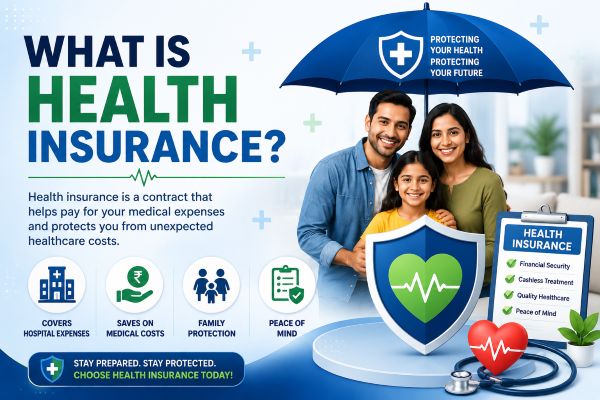
Healthcare systems continue to evolve rapidly. While medical innovations improve patient outcomes, they often come with higher treatment costs. Inflation, advanced diagnostic equipment, specialized medicines, and longer life expectancy all contribute to increasing healthcare expenses.
Here are several reasons why Health Insurance is especially important in 2026.
- Rising Medical Costs: Hospitalization, surgery, and emergency treatments can cost thousands of dollars. Even routine healthcare services have become more expensive over time. A reliable insurance policy protects your savings from these unexpected expenses.
- More Lifestyle Diseases:Conditions such as diabetes, obesity, hypertension, heart disease, and certain cancers are becoming increasingly common due to modern lifestyles. Early diagnosis and continuous treatment are essential, and Health Insurance helps make ongoing care more affordable.
- Increased Focus on Preventive Healthcare: Many insurers now encourage preventive care by covering annual health check-ups, vaccinations, health screenings, and wellness programs. Detecting illnesses early often leads to better health outcomes and lower treatment costs.
- Digital Healthcare Is Expanding: Telemedicine, virtual consultations, online prescriptions, and digital health monitoring have become common. Many modern Health Insurance plans include these services, allowing patients to receive care without unnecessary travel.
- Better Financial Planning:Unexpected medical emergencies can disrupt years of financial progress. Health coverage reduces this risk and helps families maintain long-term financial stability even during difficult times.
1. Protects You from High Medical Expenses
The biggest advantage of Health Insurance is financial protection against expensive medical bills. Medical emergencies rarely come with advance warning. An accident, sudden illness, or emergency surgery can generate significant expenses within a few days. Without insurance, many families must rely on savings, loans, or credit cards to cover these costs.
A quality insurance policy helps pay for:
- Emergency room visits
- Hospital admissions
- Surgical procedures
- Intensive care
- Specialist consultations
- Diagnostic imaging
- Prescription medicines
Instead of worrying about paying the entire bill yourself, your insurer covers eligible expenses according to your policy. This financial safety net allows patients to focus on receiving proper treatment rather than delaying care because of cost concerns.
Why It Matters
Protecting your savings today helps safeguard your future financial goals, whether buying a home, funding education, or planning retirement.
2. Provides Access to Better Healthcare Services
Another major benefit of Health Insurance is improved access to quality healthcare providers. Many insurance plans have extensive networks of hospitals, clinics, specialists, and diagnostic centers.
Policyholders often enjoy:
- Faster appointments
- Access to experienced specialists
- Modern medical facilities
- Advanced diagnostic technology
- Cashless hospitalization at partner hospitals
Having insurance also encourages people to seek medical advice earlier instead of postponing treatment until conditions become severe.
Early treatment generally leads to:
- Better recovery rates
- Shorter hospital stays
- Lower healthcare costs
- Improved quality of life
In 2026, many insurance companies also provide digital health platforms where members can schedule appointments, consult doctors online, download prescriptions, and manage claims using mobile applications.
3. Encourages Preventive Healthcare
Modern Health Insurance is no longer limited to treating illnesses after they occur. Today’s policies increasingly emphasize prevention.
Many insurers include preventive healthcare benefits such as:
- Annual physical examinations
- Blood pressure screening
- Cholesterol testing
- Diabetes screening
- Cancer screenings
- Vaccinations
- Nutritional counseling
- Wellness programs
- Health risk assessments
Preventive care helps identify potential health issues before they become serious and expensive. For example, early detection of diabetes or high blood pressure allows doctors to recommend lifestyle changes and medication before complications develop. Regular health screenings can also improve survival rates for certain cancers by identifying disease in its earliest stages.
Long-Term Benefits
People who participate in preventive healthcare often experience:
- Lower medical costs
- Better overall health
- Earlier disease detection
- Increased life expectancy
- Reduced risk of serious complications
By promoting healthier lifestyles and early intervention, Health Insurance supports both physical well-being and long-term financial security.
4. Offers Financial Security for Your Family
One of the greatest advantages of Health Insurance is the financial protection it provides for your loved ones. Medical emergencies can happen without warning, and treatment costs can quickly consume household savings. When you have a comprehensive health insurance plan, your family is better prepared to handle unexpected medical expenses without taking on significant debt. Instead of worrying about hospital bills, you can focus on helping your loved one recover.
Many family Health Insurance policies are designed to provide comprehensive coverage for:
- Spouses
- Children
- Parents (depending on the policy)
- Maternity and newborn care
- Emergency hospitalization
Family plans are often more affordable than purchasing separate policies for each member, making them an excellent option for households seeking complete medical protection.
Why It Matters
Financial security is not just about saving money—it also means protecting yourself and your family from unexpected financial challenges. It gives your family confidence that quality healthcare is available whenever it is needed.
5. Covers Emergency Medical Treatment
Medical emergencies can occur anytime, whether due to an accident, sudden illness, or unexpected health complication. Without Health Insurance, emergency treatments such as ambulance services, intensive care, surgeries, or hospitalization can become financially overwhelming.
Most modern Health Insurance plans are designed to cover a wide range of emergency medical services, including:
- Emergency room visits
- Ambulance transportation
- Intensive Care Unit (ICU) charges
- Emergency surgeries
- Specialist consultations
- Life-saving medications
Quick access to medical care can significantly improve recovery outcomes. Insurance helps remove financial barriers so patients can receive immediate treatment without unnecessary delays.
Example
Imagine a road accident requiring emergency surgery. Without insurance, the medical costs may be substantial. With a suitable Health Insurance policy, much of the eligible expense is covered, reducing the financial burden on the patient and family.
6. Supports Mental Health and Wellness
Mental health has become a major healthcare priority in recent years. Anxiety, depression, stress-related disorders, and burnout affect millions of people across the world. Fortunately, many Health Insurance providers now recognize the importance of mental well-being by including benefits such as:
- Psychological counseling
- Psychiatric consultations
- Therapy sessions
- Mental health assessments
- Substance abuse treatment
- Stress management programs
Some insurance companies also offer wellness initiatives that encourage healthier lifestyles through:
- Fitness programs
- Nutrition guidance
- Smoking cessation support
- Online wellness coaching
- Preventive health education
These services help policyholders maintain both physical and emotional well-being.
Why Mental Health Coverage Matters
Healthy minds contribute to healthier lives. Access to professional support allows people to seek treatment early, improving recovery and overall quality of life.
7. Gives You Peace of Mind
Perhaps the most valuable benefit of Health Insurance is peace of mind. Knowing that you have financial support during medical emergencies reduces stress and uncertainty. Instead of worrying about how to pay hospital bills, you can focus on recovery and your family’s well-being.
Peace of mind also encourages people to:
- Schedule regular health check-ups
- Seek treatment early
- Follow medical advice
- Complete recommended treatments
- Maintain healthier lifestyles
Good health is one of life’s greatest assets, and insurance helps protect it.
Types of Health Insurance
Health Insurance plans are available in different forms to meet various healthcare and financial needs. The right policy depends on factors such as your age, family size, medical requirements, lifestyle, and budget. Below are the most common types of Health Insurance available in 2026.
1. Individual Health Insurance
Designed for a single person, this plan offers customized medical coverage. It is suitable for students, working professionals, freelancers, self-employed individuals, and retirees who want personalized protection.
Key Benefits:
- Customized coverage
- Flexible policy options
- Individual claim benefits
- Easy policy management
2. Family Floater Health Insurance
A family floater plan covers multiple family members under one sum insured, making it a practical and cost-effective choice for households.
Key Benefits:
- One policy for the entire family
- Affordable premiums
- Shared coverage amount
- Simple policy administration
3. Employer-Sponsored Health Insurance
Many employers provide health insurance as part of their employee benefits package.
These plans often cover:
- Hospitalization
- Doctor consultations
- Emergency treatment
- Preventive healthcare
Although employer-sponsored insurance is valuable, it may not provide sufficient coverage after changing jobs or retirement. Many experts recommend purchasing an individual policy as additional protection.
4. Senior Citizen Health Insurance
Designed specifically for older adults, these policies often cover:
- Age-related illnesses
- Chronic disease management
- Hospitalization
- Specialist care
- Regular health monitoring
Since healthcare needs generally increase with age, senior health insurance can provide valuable financial support.
5. Critical Illness Insurance
Critical illness policies pay a lump-sum benefit after the diagnosis of covered serious illnesses such as:
- Cancer
- Heart attack
- Stroke
- Kidney failure
- Organ transplant
The payment can help cover treatment expenses, household costs, or income loss during recovery.
6. Maternity Health Insurance
These plans provide financial assistance for pregnancy-related expenses.
Coverage may include:
- Prenatal care
- Delivery costs
- Caesarean section
- Newborn care
- Postnatal treatment
Some policies have waiting periods, so planning ahead is important.
How to Select the Best Health Insurance Plan
Choosing the best Health Insurance policy requires careful comparison rather than selecting the cheapest premium. Consider these important factors before purchasing a plan.
1. Evaluate Your Healthcare Requirements
Start by assessing your personal situation, including:
- Age
- Current health condition
- Family size
- Lifestyle habits
- Expected future medical needs
Your ideal plan should match your present and future healthcare requirements.
2. Compare Coverage Features
Not all policies offer the same benefits. Review whether the plan covers:
- Hospitalization
- Emergency medical care
- Prescription medications
- Preventive health services
- Mental health support
- Maternity care
- Telemedicine consultations
Choose coverage that provides the best overall value rather than the lowest price.
3. Check the Hospital Network
A broad network of hospitals gives you more treatment options. Look for insurers that provide:
- Access to trusted hospitals
- Cashless hospitalization
- Specialist doctors
- Emergency medical facilities
4. Understand the Total Cost
Besides the premium, review:
- Deductibles
- Copayments
- Coverage limits
- Waiting periods
- Renewal terms
Knowing these details helps prevent unexpected expenses later.
5. Review Claims and Customer Service
Select an insurer known for a smooth claims process and dependable support. Useful features include:
- Online claim submission
- Mobile app access
- Fast claim processing
- 24/7 customer assistance
6. Read Customer Reviews
Customer experiences provide valuable insights into:
- Service quality
- Claim approval speed
- Customer support
- Transparency
- Overall satisfaction
7. Balance Cost and Coverage
- Investing in adequate coverage today can help reduce significant medical expenses in the future.
- Don’t choose a Health Insurance plan based only on the lowest premium.
- Look for a policy that offers comprehensive benefits at a price that fits your budget.
8. Supports Long-Term Financial Security
Many Health Insurance plans may offer tax advantages where permitted by local laws. More importantly, they protect your savings from unexpected medical expenses.
Key Financial Benefits:
- Lower out-of-pocket healthcare costs
- Protection against expensive hospital bills
- Better financial planning
- Reduced reliance on loans during emergencies
- Greater long-term financial stability
9. Promotes a Healthier Lifestyle
Many insurers encourage healthy living by providing wellness programs and preventive care benefits.
Common Wellness Benefits:
- Annual health check-ups
- Vaccinations and screenings
- Fitness and nutrition programs
- Smoking cessation support
- Health coaching
- Wellness rewards
By supporting preventive care and healthy habits, Health Insurance helps improve overall well-being while reducing the risk of serious illnesses over time.
Common Errors to Avoid When Choosing Health Insurance
Selecting the right Health Insurance policy is essential for protecting both your health and finances. Avoid these common mistakes before making your decision.
1. Choosing a Plan Based Only on Price
A low premium may come with limited coverage and higher out-of-pocket expenses. Compare:
- Coverage benefits
- Hospital network
- Deductibles
- Policy exclusions
- Claim process
2. Ignoring Waiting Periods
Some policies require a waiting period before covering specific illnesses, maternity care, or pre-existing conditions. Always review these terms carefully.
3. Providing Incomplete Medical Information
Be honest about your:
- Existing health conditions
- Previous surgeries
- Current medications
- Lifestyle habits (if requested)
Accurate information helps prevent future claim disputes.
4. Overlooking Policy Exclusions
Understand what the policy does not cover, such as:
- Cosmetic treatments
- Experimental procedures
- Certain pre-existing conditions
- Non-essential medical services
5. Not Checking Network Hospitals
Ensure your preferred hospitals and doctors are included in the insurer’s network to enjoy cashless treatment and easier claim processing.
6. Skipping Policy Comparisons
Compare multiple Health Insurance plans based on coverage, premium, customer reviews, claim settlement record, and additional benefits to find the best long-term value.
Frequently Asked Questions (FAQs)
1. What is Health Insurance? Health Insurance is a policy that helps pay eligible medical expenses in exchange for regular premium payments. Coverage varies depending on the insurer and policy.
2. Why is Health Insurance important in 2026? Healthcare costs continue to increase, making insurance essential for protecting your finances while ensuring access to quality medical care.
3. Does Health Insurance cover preventive care? Many modern policies include preventive services such as annual health check-ups, vaccinations, screenings, and wellness programs.
4. Can I buy Health Insurance for my entire family? Yes. Family floater plans allow multiple family members to share coverage under a single policy, often at a lower cost than separate individual plans.
5. What should I consider before purchasing Health Insurance?
You should compare:
- Coverage benefits
- Premium costs
- Deductibles
- Network hospitals
- Claim process
- Waiting periods
- Policy exclusions
- Customer reviews
6. Is employer-provided Health Insurance enough? Employer-sponsored coverage is valuable, but it may have limitations and usually ends when your employment ends. Many people choose an additional personal policy for broader and more consistent protection.
Conclusion
In today’s world, Health Insurance is far more than a financial product—it is an essential investment in your health, financial security, and peace of mind. Rising medical costs, changing lifestyles, and advances in healthcare make having reliable coverage increasingly important in 2026.
Throughout this guide, we’ve explored nine proven benefits of health insurance, from protecting against expensive medical bills and improving access to quality healthcare to supporting mental wellness, encouraging preventive care, promoting healthier lifestyles, and providing long-term financial security.
The right insurance plan can help you receive timely medical treatment without placing unnecessary strain on your finances. Whether you are an individual, a growing family, a student, or a retiree, selecting comprehensive Health Insurance coverage can safeguard your future against unexpected healthcare challenges.
Before purchasing a policy, take time to compare coverage options, understand policy terms, review hospital networks, and choose a trusted insurer that matches your healthcare needs and budget. An informed decision today can provide valuable protection for years to come.
Ultimately, investing in Health Insurance is one of the smartest decisions you can make for yourself and your loved ones. By choosing the right plan in 2026, you can enjoy greater confidence, better access to medical care, and the peace of mind that comes from knowing you’re prepared for whatever the future may bring.