
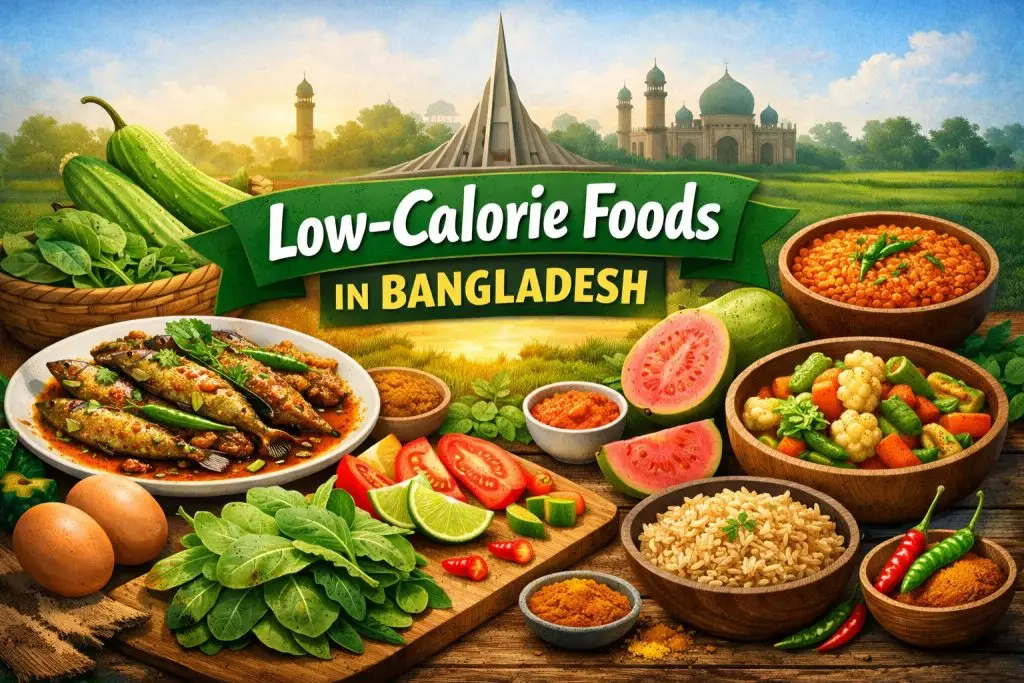
Discover the best 10 Low-Calorie Foods in Bangladesh for easy weight loss. Enjoy healthy, nutritious local meals that support your diet and fitness goals.
Introduction: Low-Calorie Foods In Bangladesh
If you want to lose weight without sacrificing traditional flavors, choosing the right Low-Calorie Foods is a practical and sustainable solution. In Bangladesh, many common ingredients such as fresh vegetables, leafy greens, lentils, and local fish are naturally low in calories but rich in fiber, protein, vitamins, and minerals. These foods help control hunger, reduce unnecessary snacking, and support steady energy levels throughout the day.
The best part is that you don’t need expensive imported diet products or strict meal plans to achieve results. With simple cooking methods, less oil, and proper portion control, you can enjoy authentic Bangladeshi meals while still working toward your weight loss goals. This guide explores the best Low-Calorie Foods available locally and how to include them in your daily diet for safe, healthy, and long-term weight management.
Why Choose Low-Calorie Foods for Weight Loss?
Weight loss happens when you consume fewer calories than you burn, but starving yourself is not a healthy or sustainable solution. The key is choosing foods that are naturally low in calories yet rich in nutrients. These foods help control hunger, reduce cravings, and maintain energy levels throughout the day. By including balanced portions of nutritious meals, you can lose weight safely while supporting overall health and well-being.
- Low in calories – These foods provide fewer calories, helping you manage your daily intake without overeating.
- High in fiber – Fiber improves digestion and keeps you full for a longer time.
- Rich in protein – Protein supports muscle growth and reduces hunger by increasing satiety.
- Nutrient-dense – They deliver essential vitamins and minerals with minimal calories.
- Filling and satisfying – These foods reduce cravings and help control unnecessary snacking throughout the day.
Low-calorie foods allow you to eat larger portions without exceeding your calorie limit. They help control hunger, stabilize blood sugar, and improve digestion.
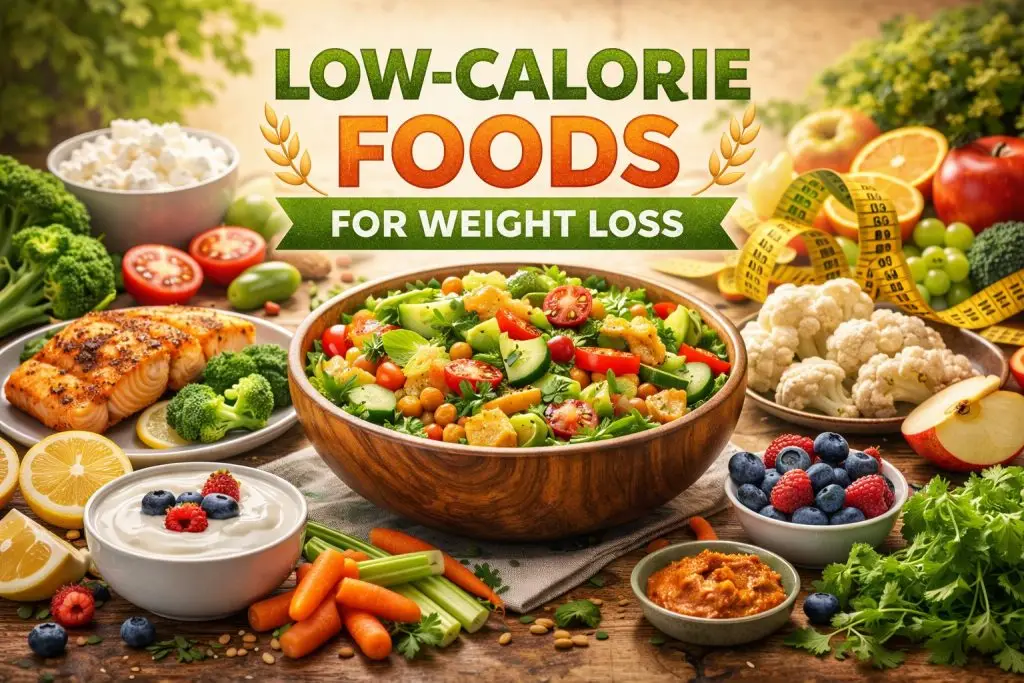
🥗 1. Lau (Bottle Gourd)
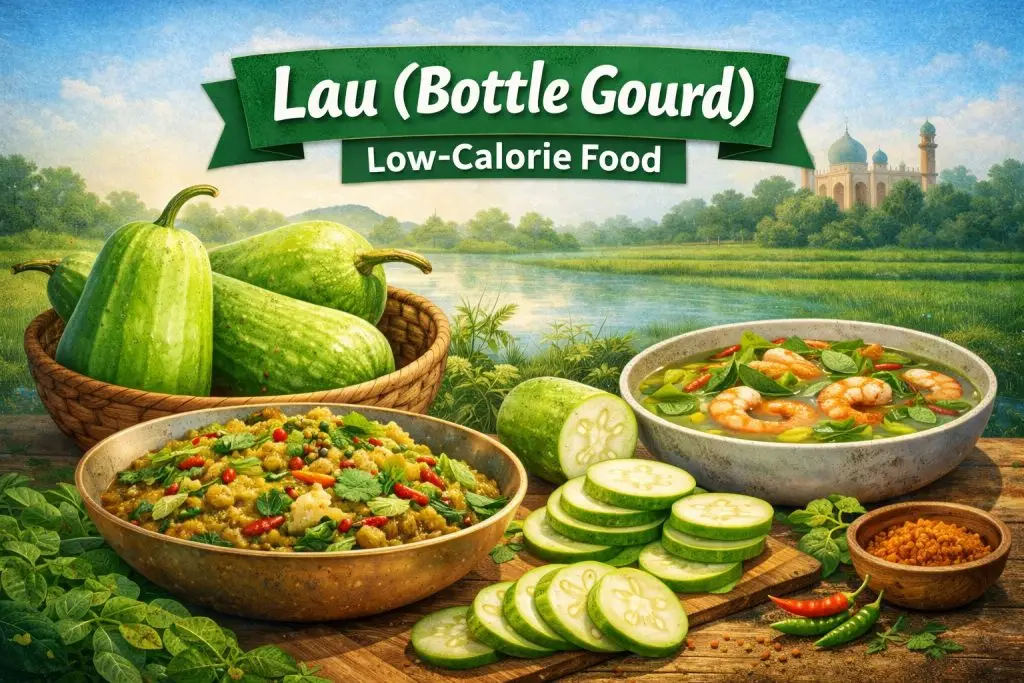
Lau, also known as bottle gourd, is one of the most popular and widely available Low-Calorie Foods in Bangladesh. It contains high water content, fiber, and essential nutrients while being naturally low in calories. Lau helps improve digestion, supports hydration, and keeps you full for a longer time. It is easy to cook and can be prepared as curry, stir-fry, or soup, making it a healthy choice for weight loss diets.
Why It’s Great for Weight Loss:
- Very low in calories: It adds minimal calories to your diet while helping you stay full.
- High water content: Its water-rich nature keeps your body hydrated and supports weight control.
- Rich in fiber: Fiber improves digestion and reduces unnecessary hunger cravings.
- Easy to digest: It is gentle on the stomach and suitable for light, healthy meals.
How to Eat:
- Lau bhaji (lightly sautéed): Cook it with minimal oil and simple spices for a healthy dish.
- Lau with shrimp (minimal oil): Combine it with shrimp for added protein while keeping calories low.
- Lau soup: Prepare it as a light soup for a nutritious and satisfying meal option.
Because it contains mostly water, it keeps you full while adding very few calories to your meal.
🥬 2. Pui Shak (Malabar Spinach)
Pui Shak, also known as Malabar spinach, is one of the most nutritious and widely available leafy vegetables in Bangladesh. It is considered a powerful Low-Calorie Food because it contains few calories but high amounts of fiber, vitamins, and minerals. Pui Shak supports digestion, improves immunity, and promotes overall health. It is easy to cook as a simple bhaji or mixed vegetable curry, making it ideal for a weight loss diet.
Benefits:
- Low calorie and high fiber – It helps control calorie intake while keeping you full for a longer time.
- Supports digestion – Its fiber content improves gut health and promotes smooth digestion.
- Rich in iron and vitamins – It provides essential nutrients that strengthen blood and support overall health.
- Boosts metabolism – The nutrients in it help improve body energy use and support natural fat burning.
Best Cooking Method:
Prepare it by cooking with minimal oil to keep the dish low in calories and healthy. Avoid adding too many potatoes, as they increase the calorie content. For a balanced meal, pair it with lentils or small fish to add protein and improve nutritional value while supporting weight loss goals.

🐟 3. Small Fish (Mola, Puti)
Small fish like Mola and Puti are excellent Low-Calorie Foods that are widely available in Bangladesh. They are rich in high-quality protein, healthy fats, vitamins, and minerals while containing relatively low calories. These fish support muscle growth, improve bone health, and boost overall nutrition. Including small fish in your diet helps control hunger, supports weight loss, and provides essential nutrients in a natural and affordable way.
Why Choose Small Fish?
- High protein – It supplies essential protein that supports muscle growth and body repair.
- Low calorie compared to red meat – It provides fewer calories while delivering strong nutritional value.
- Rich in calcium – It strengthens bones and teeth with naturally high calcium content.
- Keeps you full longer – Its protein and nutrients reduce hunger and help control unnecessary snacking.
Instead of deep frying, try light curry or steamed preparation. Protein increases satiety and reduces overeating.
🍲 4. Masoor Dal (Red Lentils)
Masoor Dal is a common and affordable staple food in Bangladeshi households and one of the best Low-Calorie Foods for weight management. It is naturally rich in plant-based protein, fiber, iron, and essential nutrients while containing low fat and moderate calories. When cooked with minimal oil and balanced spices, it becomes a healthy and filling meal option. Masoor Dal supports digestion, controls hunger, and provides long-lasting energy for daily activities and overall well-being.
Weight Loss Benefits:
- High fiber – Helps improve digestion and keeps you full for longer periods.
- Plant-based protein – Provides essential protein while supporting muscle maintenance and fat loss.
- Controls hunger – Reduces cravings and prevents overeating between meals.
- Stabilizes blood sugar – Helps maintain steady energy levels and prevents sudden spikes in blood sugar.
Avoid excessive oil tempering. A simple boiled dal with spices is enough.
🥒 5. Cucumber (Shosha)
Cucumber, locally known as Shosha, is one of the lowest-calorie vegetables available in Bangladesh. It contains a high amount of water and fiber while providing very few calories, making it an ideal choice for weight loss diets. Cucumber helps keep the body hydrated, supports digestion, and reduces unnecessary hunger cravings. It is easy to add to salads, snacks, or meals and can be eaten raw with a little salt and lemon for a healthy, refreshing option.
Why It Works:
- Extremely low in calories – It adds minimal calories to your diet while supporting weight control.
- High water content – Its water-rich nature helps keep your body hydrated and full.
- Refreshing and hydrating – It provides a cool, fresh feeling that improves overall energy levels.
- Reduces unnecessary snacking – It satisfies light hunger and lowers the urge to eat unhealthy snacks.
Add cucumber slices to salads or eat as a snack with a pinch of salt and lemon.
🍅 6. Tomato
Tomatoes are nutrient-rich and one of the best natural Low-Calorie Foods for a healthy diet. They add strong flavor, color, and freshness to meals without significantly increasing calorie intake. Tomatoes are packed with vitamins, antioxidants, and essential minerals that support overall health. They also contain water and fiber, which help improve digestion and control hunger. Including tomatoes in salads, curries, and soups makes your meals more nutritious while supporting weight loss and balanced eating habits.
Benefits:
- Rich in antioxidants – Protects cells from damage and enhances overall well-being.
- Supports metabolism – Helps the body efficiently process energy and burn calories.
- Low calorie – Supplies nutrients without significantly increasing daily calorie intake.
- Improves digestion – Promotes healthy gut function and aids smooth digestion.
Use fresh tomatoes in salads, soups, or light curries.
🥚 7. Boiled Eggs
Boiled eggs are a highly nutritious food that is rich in high-quality protein and essential nutrients. They support fat loss by increasing feelings of fullness and reducing unnecessary calorie intake when eaten in balanced portions. Eggs help maintain muscle mass while promoting healthy weight management. Since they are low in unhealthy fats when boiled, they make a simple and healthy meal option. Including boiled eggs in your diet provides long-lasting energy and strong nutritional support for overall health.
Why Include Eggs?
- High protein – Supplies essential protein that supports body repair and muscle growth.
- Low calorie (when boiled) – Provides important nutrients without adding excess calories to your diet.
- Keeps you full – Reduces hunger by promoting long-lasting satiety after meals.
- Supports muscle retention – Helps preserve muscle mass while losing fat during weight management.
Avoid frying. Boiled or poached eggs are best for a diet plan.
🍎 8. Guava (Peyara)
Guava, locally known as Peyara, is one of the healthiest fruits and a smart choice among Low-Calorie Foods. It is naturally rich in fiber, vitamin C, and essential antioxidants while containing relatively low calories. Guava helps improve digestion, strengthen immunity, and support overall health. It also reduces hunger cravings and promotes better weight management. Eating whole guava as a snack is a simple and nutritious way to maintain a balanced diet and healthy lifestyle.
Benefits:
- High fiber – Supports healthy digestion and helps you feel full for a longer time.
- Low sugar compared to many fruits – Provides natural sweetness with less impact on blood sugar levels.
- Rich in vitamin C – Strengthens immunity and promotes healthy skin and overall wellness.
- Improves digestion – Enhances gut function and reduces common digestive discomfort.
Eat whole guava instead of juice for better weight management.
🍚 9. Brown Rice (Moderate Portion)
Rice is a major part of daily meals in Bangladesh, but choosing the right type and portion is important for weight control. Instead of white rice, brown rice is a better option because it contains more fiber and nutrients. Eating it in moderate portions helps reduce calorie intake while keeping you full longer. This simple swap supports better digestion, balanced blood sugar levels, and healthier weight management without giving up traditional meals.
Why It’s Better:
- More fiber – Helps improve digestion and supports long-lasting fullness.
- Slower digestion – Releases energy gradually, keeping blood sugar levels stable.
- Keeps you full longer – Reduces hunger and prevents frequent snacking between meals.
- Prevents overeating – Helps control portion sizes and supports healthy weight management.
Portion control is key. Even healthy foods can cause weight gain if overeaten.
🥦 10. Mixed Vegetable Curry (Without Excess Oil)
A mixed vegetable curry prepared with ingredients like lau, beans, carrot, cabbage, and spinach is an excellent Low-Calorie Food choice for a healthy diet. It provides essential vitamins, fiber, and minerals while keeping calorie content low. Cooking it with minimal oil and simple spices makes it light and nutritious. This dish supports digestion, controls hunger, and promotes weight loss while allowing you to enjoy flavorful and balanced meals.
Tips for Diet Version:
- Use 1–2 teaspoons oil only – Minimizes extra calories while keeping the dish flavorful.
- Avoid heavy cream – Keeps meals lighter and reduces unnecessary fat intake.
- Reduce potatoes – Limits high-calorie ingredients to maintain a low-calorie meal.
- Add more green vegetables – Increases fiber and nutrients while enhancing fullness and satiety.
This keeps calories low while providing vitamins and fiber.
Sample 1-Day Low-Calorie Diet Plan (Bangladesh Style)
🌅 Breakfast
- 1 boiled egg
- 1 slice brown bread
- Cucumber slices
- Green tea (no sugar)
🍛 Lunch
- 1 cup brown rice
- Masoor dal
- Pui shak bhaji
- Small fish curry
🍎 Evening Snack
- 1 guava
- Lemon water
🌙 Dinner
- Vegetable soup
- Lau bhaji
- Small portion grilled fish
This balanced meal plan supports weight loss without feeling deprived.
Common Mistakes to Avoid
- Using too much oil in cooking – Adds unnecessary calories and reduces the health benefits of your meals.
- Eating large portions of rice – Can lead to excess calorie intake and slow down weight loss.
- Drinking sugary beverages – Increases sugar and calorie consumption, hindering fat loss.
- Skipping meals – May cause overeating later and disrupt metabolism.
- Depending only on fruit – Lacks protein and healthy fats, making the diet unbalanced and less satisfying.
Even healthy Low-Calorie Foods can become unhealthy if prepared improperly.
Additional Weight Loss Tips
- Drink 8–10 glasses of water daily – Keeps the body hydrated and helps control unnecessary hunger.
- Walk at least 30 minutes per day – Boosts metabolism and supports steady fat burning.
- Avoid processed snacks – Reduces intake of unhealthy fats, sugar, and extra calories.
- Reduce sugar intake – Helps prevent weight gain and maintains stable blood sugar levels.
- Sleep 7–8 hours – Supports proper hormone balance and improves overall weight management.
Consistency matters more than extreme dieting.
Benefits of Choosing Local Low-Calorie Foods
- Affordable – They cost less and fit easily into daily household budgets.
- Fresh and seasonal – Locally grown foods are fresher and retain more nutrients.
- Easily available – They can be found in nearby markets and grocery stores.
- No need for expensive imported diet products – Supports weight loss without relying on costly foreign supplements.
- Culturally familiar and satisfying – Allows you to enjoy traditional meals while maintaining a healthy lifestyle.
Eating local food makes your diet sustainable and realistic.
How Low-Calorie Foods Help Burn Fat
Low-calorie foods:
- Reduce overall calorie intake – Help control daily energy consumption for effective weight management.
- Improve digestion – Support healthy gut function with fiber and water-rich nutrients.
- Balance hormones – Promote stable hormone levels by providing essential vitamins and minerals.
- Increase metabolism – Encourage better energy use and natural calorie burning.
- Reduce fat storage – Limit excess calorie accumulation and support gradual fat loss.
When combined with exercise, they speed up fat loss naturally.
Are Low-Calorie Foods Safe for Everyone?
Generally yes, but:
- Pregnant women need balanced nutrition: Expecting mothers require a well-rounded diet to support their own health and their baby’s proper growth.
- People with medical conditions should consult a doctor: Individuals with health issues should seek professional advice before changing their diet to avoid complications.
- Extremely low-calorie diets are not recommended: Severely restricting calories can weaken the body and may lead to nutrient deficiencies and other health risks.
Focus on balanced, moderate calorie reduction instead of extreme restriction.
SAQ – Low-Calorie Foods
1. What are low-calorie foods?
Low-calorie foods are items that provide fewer calories per serving while still offering essential nutrients.
2. Why are low-calorie foods important for weight management?
They help reduce overall calorie intake, making it easier to maintain or lose weight in a healthy way.
3. Give examples of low-calorie foods.
Fruits, vegetables, leafy greens, cucumbers, tomatoes, and lean proteins like boiled eggs or grilled chicken.
4. Are low-calorie foods healthy for everyone?
Generally yes, but people with specific health conditions or special nutritional needs should consult a professional.
5. How do low-calorie foods help digestion?
Many are rich in fiber and water content, which support smooth digestion and gut health.
6. Can low-calorie foods keep you full?
Yes, especially fiber-rich options that increase satiety and reduce unnecessary snacking.
Final Thoughts
Losing weight in Bangladesh does not require expensive supplements or foreign diet plans. Many traditional Low-Calorie Foods are already part of our daily meals. By choosing vegetables like lau and pui shak, protein sources like small fish and eggs, and healthy fruits like guava, you can enjoy flavorful meals while achieving your weight loss goals.
The secret is simple:
- Eat balanced portions: Control your meal size to avoid overeating while still getting the nutrients your body needs.
- Use less oil: Reducing oil in cooking helps lower extra calories and supports better heart health.
- Choose fiber-rich foods: Foods high in fiber improve digestion and keep you feeling full for longer.
- Stay active: Regular physical activity helps burn calories, boost metabolism, and maintain overall fitness.
Start today with these 10 best Low-Calorie Foods and move one step closer to a healthier, lighter you.