
Discover the most dangerous places in the world2026. Learn shocking risks, hidden dangers, and smart travel safety tips before planning your trip.
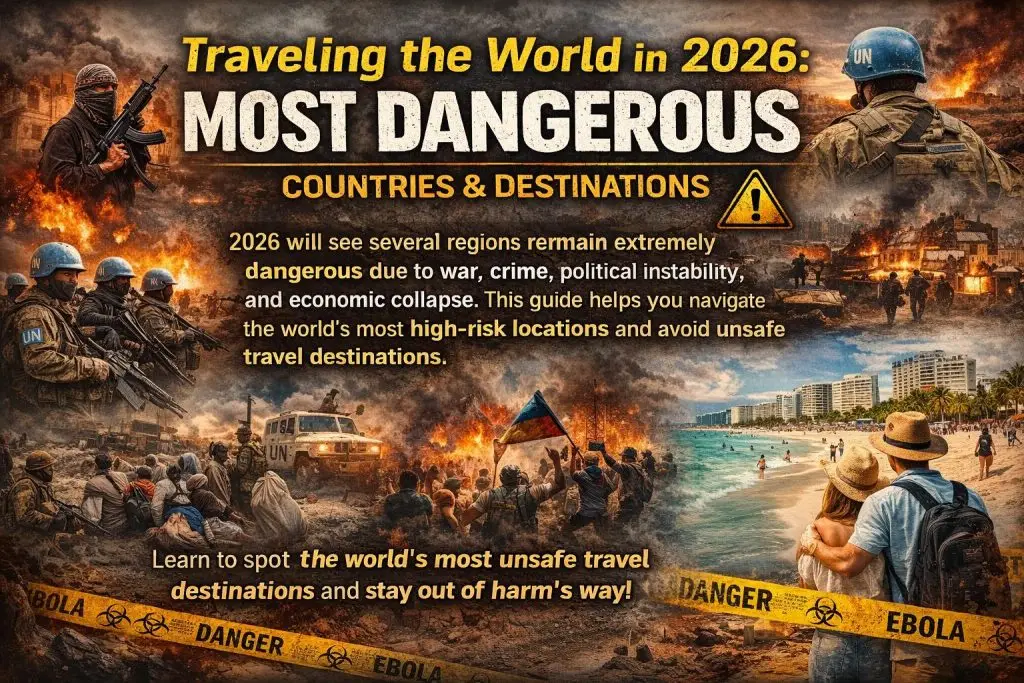
Traveling the world is an exciting experience, but not every destination is safe. In 2026, several regions continue to face serious risks due to war, crime, political instability, and economic collapse. If you are searching for the most dangerous places in the world 2026, it’s important to understand where threats are highest and why.
This guide highlights the top high-risk countries and unsafe travel destinations, helping you make informed decisions. Whether you are a traveler, blogger, or researcher, knowing these dangers can help you plan smarter, avoid risky areas, and ensure your journey remains as safe as possible.
1. Afghanistan – Extreme Security Risk Zone
Afghanistan continues to rank among the most dangerous countries in the world 2026 due to ongoing instability, security threats, and fragile governance structures. Years of conflict have created an unpredictable environment, making it one of the highest-risk destinations for travelers.

Detailed Risks
Frequent terrorist attacks, bombings, and armed clashes remain a serious concern across the country. Insurgent activity can occur without warning, even in urban areas. Access to healthcare is extremely limited, with many hospitals lacking proper equipment and emergency response capabilities. Additionally, there is a high risk of kidnapping, especially for foreigners, journalists, and aid workers. Major cities like Kabul are not immune, often experiencing sudden security incidents and heightened threat levels.
Travel Advice
Most governments classify Afghanistan as a “do not travel” zone. All non-essential travel should be strictly avoided. Only humanitarian or diplomatic missions should consider entry, and even then, with advanced security arrangements, professional risk assessments, and constant monitoring.
2. Syria – War-Torn and Unstable
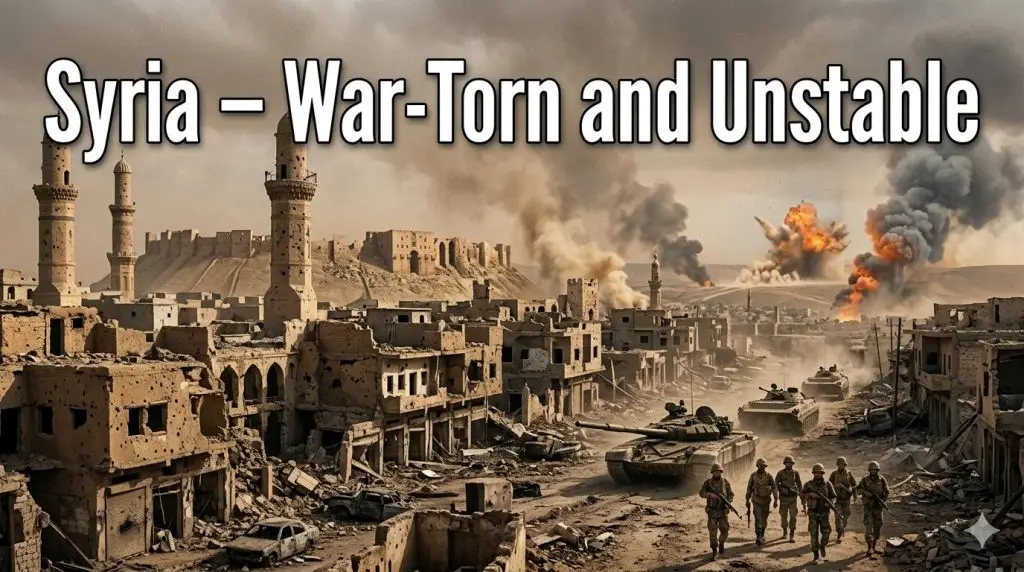
Syria remains one of the most dangerous countries in the world 2026, largely due to its prolonged civil war and ongoing political instability. Despite a reduction in large-scale battles in some regions, the overall security situation remains highly volatile and unpredictable for both locals and foreign visitors.
Expanded Dangers
Airstrikes, missile attacks, and sporadic armed clashes continue to pose serious threats in various parts of the country. Some areas still carry risks related to past chemical exposure, making certain zones hazardous. Critical infrastructure—including roads, airports, hospitals, and communication networks—has been severely damaged, limiting transportation and emergency response. Major cities like Damascus and Aleppo still experience instability, checkpoints, and security concerns despite reduced frontline conflict.
Travel Tip
Most international governments classify Syria as a strict “do not travel destination.” Tourism is strongly discouraged due to extreme safety risks. Only essential humanitarian work should be considered, with comprehensive risk management, security coordination, and constant monitoring.
3. Yemen – Humanitarian Crisis Hotspot
Yemen is frequently ranked among the most dangerous countries in the world 2026, largely due to its ongoing humanitarian crisis and prolonged conflict. For those searching dangerous countries to avoid traveling, Yemen consistently appears at the top because of extreme living conditions and security threats.

Key Threats
Active armed conflict, air raids, and internal fighting continue to create a highly unstable environment. Large portions of the population face famine, malnutrition, and limited access to basic necessities. Disease outbreaks such as cholera and other preventable illnesses are widespread due to poor sanitation. The country also suffers from a severe lack of clean water, electricity, and functioning healthcare systems, making survival difficult even for residents.
Travel Plan Insight
Most governments classify Yemen as a strict “do not travel” destination. Even international aid organizations operate under tight security protocols, using trained personnel and coordinated logistics. Independent or tourist travel is nearly impossible due to restricted access, security risks, and lack of infrastructure.
4. Somalia – Terrorism and Piracy Risks
Somalia is widely recognized as one of the most dangerous countries in the world 2026, often appearing in searches like high-risk countries for tourists. Decades of political instability, armed conflict, and weak governance have created a challenging and unpredictable security environment.
In-Depth Risks
Militant group attacks, including bombings and targeted assaults, remain a major threat across the country. Extremist organizations frequently operate in both rural and urban areas, increasing the risk for civilians and foreigners. Coastal regions are also known for piracy, where ships and vessels may be targeted, especially in the Gulf of Aden. Weak law enforcement and limited government control make it difficult to maintain safety and respond effectively to emergencies. The capital city, Mogadishu, although showing signs of development, still experiences regular security incidents and remains highly volatile.
Travel Advice
Most governments strongly advise against all non-essential travel to Somalia. Entry should only be considered for official, diplomatic, or humanitarian missions under strict security protection.
5. Ukraine – Active War Zones
Ukraine remains one of the most dangerous countries in the world 2026 due to the ongoing conflict with Russia. The war has created active combat zones, making Ukraine a high-risk destination for travelers, journalists, and even aid workers in certain regions.
Expanded Threats
Missile and drone strikes continue to target critical infrastructure, including energy facilities, transport networks, and residential areas. These attacks can occur with little warning, increasing danger for civilians and visitors.
Landmines and unexploded ordnance are widespread in rural and previously contested areas, posing long-term risks even after active fighting subsides. Additionally, damage to infrastructure—such as power outages, disrupted water supply, and unsafe road conditions—makes travel difficult and unpredictable. Major cities like Kyiv still experience periodic air raid alerts and occasional strikes, despite strong air defense systems.
Travel Plan Tip
Most governments advise against non-essential travel to Ukraine, especially near frontline and contested zones. If travel is unavoidable, continuously monitor real-time security updates, follow local authority guidance, and identify safe shelters in advance.
6. South Sudan – Political Violence and Instability
South Sudan remains one of the most unstable and high-risk countries in the world, frequently listed among the least safe destinations for travelers. Since its independence in 2011, the nation has struggled with continuous internal unrest fueled by political rivalry, ethnic divisions, and fragile governance systems.
A major safety concern is the ongoing presence of armed groups and militias operating across different regions. Violent clashes between communities can erupt suddenly, creating an unpredictable and dangerous environment. These conflicts have also contributed to a severe humanitarian crisis, with widespread food insecurity affecting millions of people and increasing dependence on international aid.
Infrastructure challenges further add to the risk. Roads are poorly maintained, and many areas become inaccessible during heavy rains. Public transportation is extremely limited, and essential services such as healthcare, electricity, and clean drinking water are not reliably available in most parts of the country.
Crime is another serious issue, with incidents like armed robbery, looting, and kidnapping reported in both urban and rural areas. The continued involvement of United Nations peacekeeping missions highlights the fragile security situation.
Travel Insight
Due to ongoing violence, weak infrastructure, and limited emergency support, independent travel in South Sudan is highly dangerous. It is strongly recommended to avoid non-essential travel and strictly follow international travel advisories before considering any visit.
7. Haiti – Gang-Controlled Areas
Haiti has rapidly become one of the most dangerous travel destinations in 2026, largely due to the rise of gang-controlled zones and ongoing political instability. The situation has worsened in recent years, pushing the country into a deep security and humanitarian crisis that affects both residents and visitors.
One of the most alarming threats is the dominance of heavily armed gangs that control large parts of urban areas, especially in Port-au-Prince. These groups often set up roadblocks, demand illegal tolls, and engage in violent clashes with rival gangs and security forces. As a result, normal daily activities have become extremely risky.
Kidnapping is another major concern, with both locals and foreigners being targeted for ransom. These incidents can happen in broad daylight, making movement within cities highly dangerous. Political instability further complicates the situation, as weak governance and ongoing protests limit the ability of law enforcement to maintain order.
Infrastructure in Haiti is also fragile, with unreliable electricity, limited healthcare services, and poor emergency response systems. In times of crisis, access to safe shelter, food, and medical care can quickly become a serious issue.
Additionally, the humanitarian situation continues to deteriorate, with many communities facing poverty, food shortages, and displacement due to violence. International organizations are present, but resources remain stretched.
Travel Advice
Travelers are strongly advised to avoid Haiti, particularly urban centers like Port-au-Prince. Even in relatively safer areas, extreme caution is necessary. Always follow official government travel advisories, avoid unnecessary movement, and never travel without trusted local guidance.
8. Mexico – Regional Safety Concerns
Mexico is a popular yet complex destination when it comes to safety, which is why many travelers search “is Mexico safe for travel 2026” before planning a trip. The country offers world-class पर्यटन spots, but safety levels differ greatly depending on the region.
Certain states like Sinaloa and Michoacán are considered high-risk due to ongoing drug cartel activities. These regions often experience violent clashes, making them unsafe for tourists. Key risks include armed robbery, kidnapping, and organized crime-related violence, especially in remote or less-secured areas.
Despite these concerns, many parts of Mexico remain safe and welcoming for international visitors. Tourist hotspots such as Cancún are heavily protected and offer secure environments, modern infrastructure, and reliable services. These areas are designed to ensure visitor safety and comfort.
Travel Plan Tip
Focus on well-established tourist destinations like Cancún, avoid conflict-prone regions such as Sinaloa and Michoacán, and stay updated with travel advisories. Using licensed transport, avoiding night travel, and staying in secure accommodations can significantly enhance your safety while exploring Mexico.
9. Venezuela – Economic Collapse and Crime
Venezuela continues to face a severe economic and security crisis, making it one of the most dangerous travel destinations in 2026. Years of economic mismanagement and political instability have resulted in widespread poverty, shortages of essential goods, and rising crime levels across the country.
One of the biggest concerns is hyperinflation and ongoing economic instability. Although inflation has slightly decreased in recent years, it still remains extremely high, with annual rates exceeding 600% in 2026 . This has significantly reduced purchasing power, causing shortages of food, medicine, and basic services. Many citizens struggle to meet daily needs, contributing to increased desperation and crime.
Crime rates in Venezuela remain alarmingly high, particularly in the capital, Caracas. The city is frequently ranked among the world’s most dangerous, with very high levels of violent crime, armed robbery, and kidnapping . Safety levels are extremely low, especially at night, and both locals and tourists face significant risks when moving around.
Corruption and weak law enforcement further worsen the situation. Reports indicate that policing is often ineffective, and in some cases, authorities are linked to extortion or abuse of power . Additionally, political unrest and government repression continue to create instability, limiting public safety and freedom .
Travel Advice
Most governments classify Venezuela as a “Do Not Travel” destination. Visitors should avoid all non-essential travel, stay informed through official advisories, and be aware that emergency assistance and basic services may be extremely limited.
10. Democratic Republic of the Congo – Conflict and Disease
Democratic Republic of the Congo(DRC) is widely considered one of the most dangerous travel destinations in Africa due to ongoing conflict, disease outbreaks, and extremely limited infrastructure. The country has faced decades of instability, particularly in its eastern regions, where violence remains a daily threat.
One of the primary risks comes from active armed rebel groups operating in provinces like North Kivu and Ituri. These groups are often involved in violent clashes, kidnappings, and attacks on civilians, making travel highly unpredictable and unsafe. Security conditions can deteriorate rapidly without warning.
Health risks are also a major concern. The DRC has experienced multiple outbreaks of deadly diseases, including Ebola, along with cholera and measles. Limited healthcare facilities and lack of medical resources make it difficult to respond effectively to emergencies, increasing the danger for visitors.
Infrastructure in the DRC is underdeveloped, with poor road networks, unreliable transport systems, and limited communication services. Many areas are difficult to access, especially during the rainy season, which can further isolate regions and delay emergency assistance.
Travel Plan Insight
Eastern parts of the DRC are extremely dangerous and should be avoided. Travel should only be considered with expert guidance, proper security arrangements, and up-to-date information from official travel advisories.
✈️ Smart Travel Planning for High-Risk Destinations
If you’re searching for how to travel safely in dangerous countries 2026 or travel risk management tips, having a well-structured plan is essential for minimizing danger and ensuring a secure journey. Smart preparation not only protects you but also improves your overall travel experience.
1. Pre-Travel Risk Assessment
Start by checking official travel advisories from trusted sources like U.S. Department of State or World Health Organization. Stay updated with global news, security alerts, and conflict developments. Understanding local laws, traditions, and cultural norms can help you avoid legal issues and unwanted attention.
2. Safety Preparation Checklist
Always purchase comprehensive travel insurance that includes emergency evacuation. Keep both digital and physical copies of your passport, visa, and ID. Save emergency contact numbers, including local authorities and your country’s embassy.
3. On-Ground Safety Strategy
Once you arrive, avoid crowded areas, protests, and politically sensitive zones. Choose secure, well-reviewed accommodations and rely on trusted local guides for navigation and insights.
4. Emergency Exit Plan
Prepare for worst-case scenarios by identifying nearby airports, safe borders, and evacuation routes. Keep backup funds and maintain regular communication with your embassy for real-time support.
Following these travel safety tips ensures better risk management and a safer international journey.
🔍 Why These Places Rank as the Most Dangerous
When analyzing the most dangerous countries in the world 2026, several key risk factors consistently influence global safety rankings. Understanding these elements is essential for travelers, researchers, and content creators aiming to improve both safety awareness and SEO performance.
✔ Conflict and War
Ongoing armed conflicts and civil wars create unstable environments where violence can erupt without warning. These regions often experience disrupted transportation, unsafe borders, and limited emergency support.
✔ Crime and Violence
High levels of violent crime—including kidnapping, armed robbery, and homicide—make daily life unpredictable. Tourists are often targeted due to perceived wealth, increasing personal risk.
✔ Weak Governance
Countries with fragile political systems or corruption struggle to enforce laws effectively. Limited police presence and lack of judicial accountability contribute to unsafe conditions.
✔ Economic Collapse
Severe economic instability leads to unemployment, inflation, and poverty. As a result, crime rates and social unrest tend to rise sharply.
✔ Health and Infrastructure Risks
Poor healthcare facilities, disease outbreaks, and weak infrastructure (roads, sanitation, emergency services) further increase danger, especially for international visitors.
By understanding these risk factors, travelers can make informed decisions, avoid high-risk areas, and plan safer journeys worldwide.
🌐 Safer Travel Alternatives (Low-Risk Destinations)
If your top priority is security, choosing low-risk destinations is a smart strategy. Travelers frequently search for the safest countries to travel 2026, and a few nations consistently rank high due to strong infrastructure, political stability, and low crime rates. Countries like Japan are known for their ultra-low crime rate, efficient public transport, and respectful culture, making them ideal for solo travelers and families.
Meanwhile, Switzerland offers a peaceful environment, excellent healthcare, and well-maintained tourist facilities. Its strict laws and high living standards contribute to overall safety. Similarly, New Zealand is widely recognized for its friendly locals, low population density, and safe outdoor adventure opportunities.
Choosing these destinations not only ensures a stress-free travel experience but also improves your travel planning strategy. Always combine destination research with updated safety tips for the best results.
🧭 Final Thoughts: (most dangerous places in the world)
Understanding the most dangerous places in the world 2026 is crucial for smart and safe travel planning. As global risks continue to evolve—from political instability and conflict zones to natural disasters and rising crime rates—travelers must stay updated with reliable information. By researching high-risk destinations, checking travel advisories, and following safety guidelines, you can significantly reduce potential dangers.
👉 Remember: The best travel experience is a safe one. Always plan ahead, stay alert, and prioritize your personal security over risky adventures. research, plan carefully, and prioritize safety over adventure.