
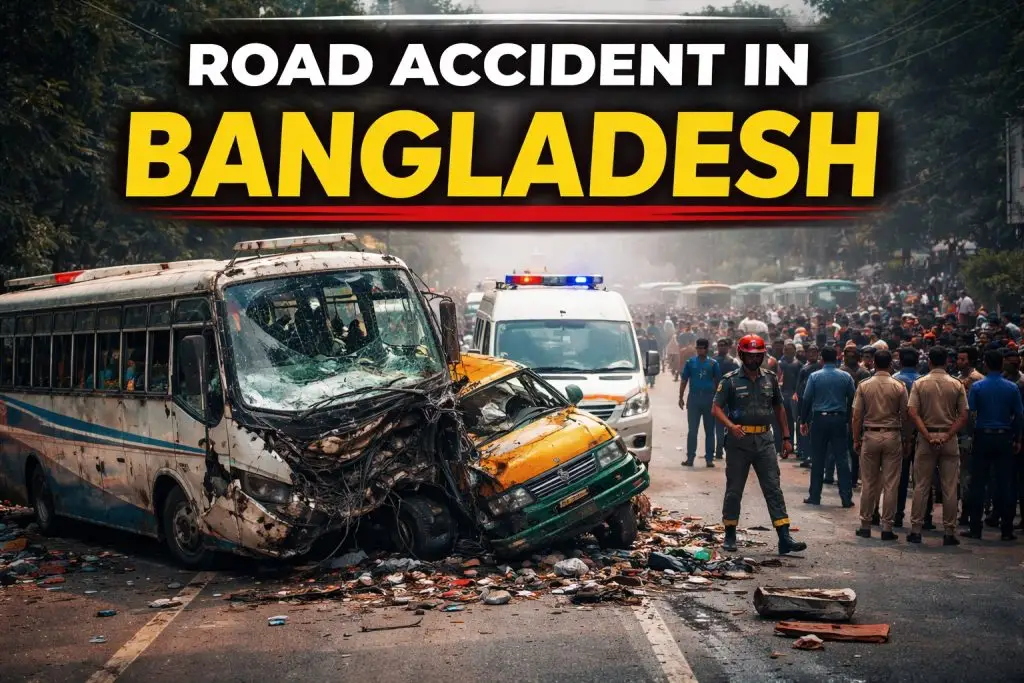
Road Accident in Bangladesh today leaves casualties and raises safety concerns. Get latest updates, causes, and rescue efforts from the incident in 2026.
Introduction: Road Accident in Bangladesh
Road safety continues to be a major concern as incidents of Road Accident in Bangladesh frequently make headlines in 2026. With rapid urbanization and a steady rise in the number of vehicles, the country’s road networks are facing increasing pressure. Cities like Dhaka are experiencing heavy traffic congestion, making daily commuting more challenging and risky. At the same time, weaknesses in traffic management systems, limited enforcement of laws, and lack of awareness among drivers and pedestrians have further contributed to the growing number of road accidents across the nation.
From crowded urban streets to long-distance highways, accidents are affecting thousands of people every year in Bangladesh. These incidents often result in tragic loss of life, serious injuries, and long-term consequences for families and communities. The rising frequency of such accidents has drawn the attention of government authorities, safety experts, and the general public, highlighting the urgent need for effective solutions. Addressing this issue requires a combined effort, including stricter law enforcement, improved infrastructure, and increased public awareness to ensure safer roads for everyone.
Latest Updates on Road Accident in Bangladesh
Recent reports reveal that multiple incidents of Road Accident in Bangladesh have occurred across various regions, raising serious concerns about public safety. Both urban and rural areas are witnessing a steady rise in accidents, emphasizing the urgent need for improved road safety measures. In major cities like Dhaka and Chattogram, heavy traffic congestion, reckless driving, and violation of traffic rules have been identified as key factors contributing to these incidents. Overcrowded roads and lack of proper lane discipline further increase the risk of collisions and injuries.
In response, authorities have stepped up efforts to control the situation by increasing traffic monitoring and launching public awareness campaigns. Traffic police are actively managing busy intersections, while digital surveillance systems are being used to detect violations more efficiently. Emergency services, including police, fire units, and medical teams, are working continuously to respond quickly to accident scenes, rescue victims, and provide immediate medical care. Despite these ongoing efforts, the number of casualties remains a major concern, highlighting the need for stronger enforcement, better infrastructure, and greater public awareness to reduce road accidents effectively.
Common Causes of Road Accidents in Bangladesh
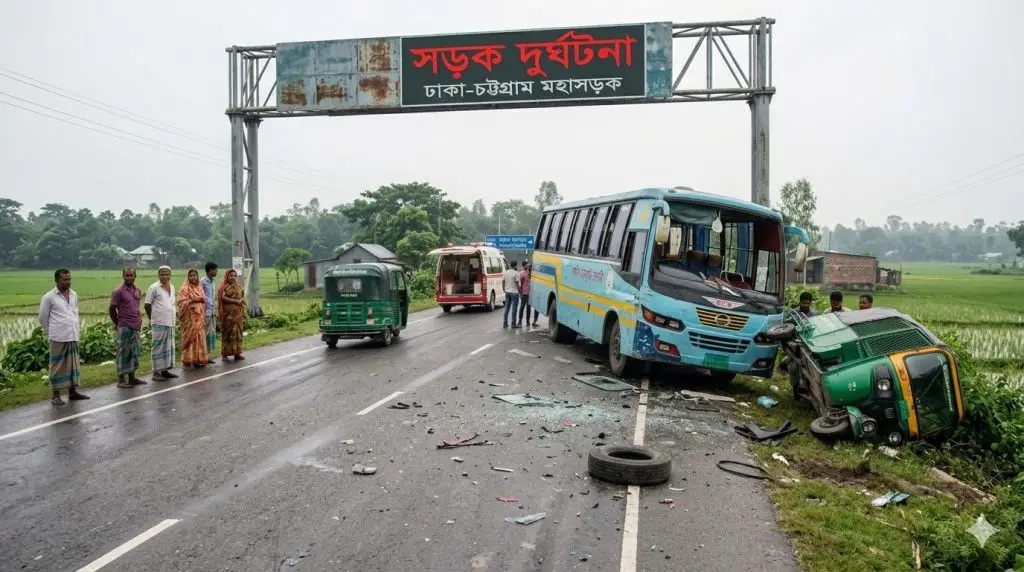
Understanding the main causes of a Road Accident in Bangladesh is crucial for developing effective prevention strategies. Several factors contribute to these incidents, including reckless driving, overspeeding, and ignoring traffic rules. Poor road conditions, such as potholes, damaged surfaces, and inadequate signage, also increase the risk of accidents. Untrained or unlicensed drivers, overloaded vehicles, and driver fatigue further exacerbate the problem. By identifying these root causes, authorities and the public can work together to implement safety measures and reduce the frequency and severity of road accidents nationwide.
- Reckless Driving: Many drivers ignore traffic rules, overspeed, or attempt dangerous overtakes. This behavior significantly increases the risk of collisions, especially on highways.
- Poor Road Conditions: Damaged roads, potholes, and lack of proper maintenance make driving hazardous. In rural areas, unpaved or narrow roads further contribute to accidents.
- Lack of Traffic Law Enforcement: Although traffic laws exist, inconsistent enforcement allows violations to continue unchecked. This leads to widespread disregard for safety regulations.
- Untrained Drivers: A large number of drivers operate vehicles without proper training or valid licenses. This lack of skill often results in poor judgment on the road.
- Overloaded Vehicles: Public transport and trucks are frequently overloaded, affecting balance and braking efficiency, which can lead to serious accidents.
Impact on Society
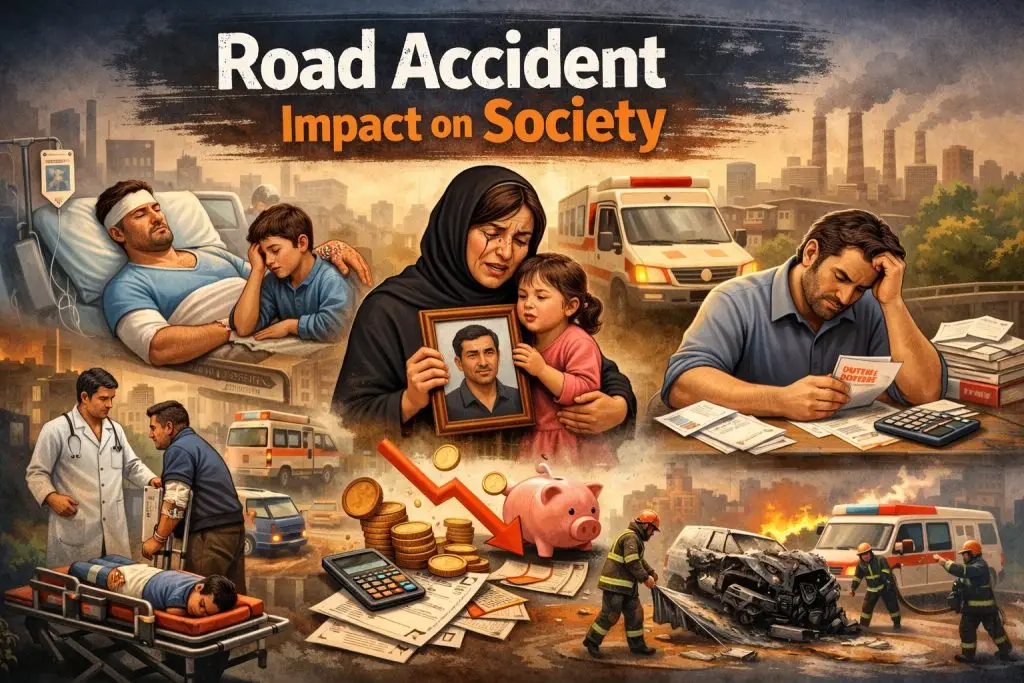
The consequences of a Road Accident in Bangladesh extend far beyond immediate injuries or fatalities, affecting individuals, families, and the broader society. Victims often face long-term physical and emotional trauma, while families deal with grief, financial strain, and loss of income. Communities may experience disruptions due to traffic congestion, emergency response efforts, and reduced productivity. On a national level, road accidents place a heavy burden on healthcare systems, emergency services, and the economy. Understanding these impacts underscores the urgent need for stronger safety measures and public awareness initiatives.
- Human Cost: Each accident brings tragic loss of life and severe injuries. Families are left grieving, and survivors often face long-term physical and emotional trauma.
- Economic Burden: Accidents result in medical expenses, loss of income, and damage to property. For many families, this financial strain can be devastating.
- Healthcare Pressure: Hospitals and emergency services face increased pressure due to the high number of accident victims, especially in urban centers.
Government Initiatives and Response to Road Safety in Bangladesh
The government of Bangladesh has been actively working to address the growing concern of Road Accident in Bangladesh by implementing a range of initiatives aimed at improving traffic safety. Stricter traffic laws have been introduced, with higher fines for violations such as overspeeding, reckless driving, and driving without a license. These measures are designed to encourage compliance and reduce risky behaviors on the roads. Public awareness campaigns are also being conducted through television, social media, and community programs to educate drivers, passengers, and pedestrians about road safety rules and responsible behavior.
Traffic police, particularly in urban areas like Dhaka and Chattogram, have increased monitoring efforts by using digital surveillance systems, including CCTV cameras and automated traffic enforcement tools. Schools and community organizations are being targeted with road safety education programs to instill responsible driving habits from a young age and promote pedestrian safety.
In addition to regulatory measures, infrastructure improvements are underway to enhance road safety. These include repairing damaged roads, installing traffic signals, constructing pedestrian crossings, and developing safer highways and flyovers. However, experts emphasize that consistent implementation and strict monitoring are critical to achieving long-term results. By combining legal, educational, and infrastructural initiatives, the government aims to create a safer environment and reduce the number of accidents across Bangladesh.
Role of Public Awareness in Road Safety
Public awareness plays a vital role in reducing the number of Road Accident in Bangladesh cases by educating people about safe practices and responsible behavior on the road. Awareness campaigns conducted through television, radio, social media, and community programs help spread important messages about traffic rules and safety measures. These initiatives aim to reach both drivers and pedestrians, ensuring that everyone understands their responsibilities. In cities like Dhaka, where traffic congestion is high, such awareness programs are especially important to minimize risks and prevent accidents.
Simple yet effective actions can make a significant difference in improving road safety. Wearing seat belts, using helmets while riding motorcycles, obeying speed limits, and avoiding mobile phone use while driving are essential habits that can greatly reduce the chances of accidents. Additionally, staying alert, respecting traffic signals, and being considerate of other road users contribute to a safer environment. Encouraging responsible behavior among all individuals is key to building a culture of safety. With continuous education and awareness efforts, it is possible to reduce accidents and create safer roads for everyone across Bangladesh.
Importance of Traffic Law Enforcement in Bangladesh
Strict enforcement of traffic laws plays a crucial role in preventing Road Accident in Bangladesh and protecting lives on the country’s roads. Consistent and fair application of regulations ensures that drivers follow rules, reducing reckless behavior and risky driving practices. Key violations such as overspeeding, driving under the influence of alcohol, and operating vehicles without a valid license are major contributors to accidents, and penalizing these offenses is essential to improve road safety. Authorities must adopt a zero-tolerance approach toward traffic violations to create a culture of accountability among drivers.
Technology has become an important tool in strengthening traffic law enforcement. CCTV cameras, automated speed monitoring, and digital traffic management systems allow authorities to detect violations efficiently and issue penalties promptly. These tools also help monitor high-risk areas and accident-prone zones, enabling targeted interventions to prevent accidents before they occur. Public awareness of enforcement measures further encourages drivers to comply with regulations, creating safer road conditions for everyone. By combining strict enforcement, advanced monitoring technology, and continuous public education, Bangladesh can significantly reduce the frequency of road accidents, minimize casualties, and foster a culture of responsible driving across the country. Consistent law enforcement is a key step toward safer roads for all.
Challenges in Road Safety
Despite ongoing initiatives, significant challenges persist in addressing Road Accident in Bangladesh. Rapid urbanization has led to increased traffic congestion, making roads more hazardous. Many drivers lack proper training or valid licenses, while poor road infrastructure, including potholes, inadequate signage, and narrow lanes, contributes to accidents. Limited enforcement of traffic laws and inconsistent monitoring allow violations to continue unchecked. Additionally, low public awareness about road safety and risky behaviors, such as overspeeding or distracted driving, further exacerbate the problem. Overcoming these challenges requires coordinated action from authorities, communities, and road users.
- Rapid urbanization leading to increased traffic congestion
- Lack of proper driver training programs
- Insufficient infrastructure in rural areas
- Limited public awareness in certain regions
Overcoming these challenges requires a coordinated effort between government agencies, law enforcement, and the public.
Role of Technology in Preventing Road Accidents
Technology has become a critical tool in enhancing road safety and reducing the number of Road Accident in Bangladesh incidents. Modern traffic management systems, including GPS tracking, speed monitoring, and automated traffic signals, help minimize human errors that often lead to accidents. These systems ensure better control of vehicle flow, prevent overspeeding, and reduce congestion in busy urban areas such as Dhaka and Chattogram. By providing real-time monitoring, authorities can quickly identify risky driving behaviors and take preventive measures before accidents occur.
In addition, mobile applications and digital platforms have revolutionized how people respond to accidents and navigate traffic. Drivers and pedestrians can access real-time traffic updates, report accidents, and receive emergency alerts through smartphones. These tools allow emergency services, including ambulances and traffic police, to respond faster and more effectively, potentially saving lives and reducing injury severity. Furthermore, technology aids in data collection and analysis, helping policymakers and urban planners identify accident-prone zones and develop long-term safety strategies. By integrating technology with public awareness and law enforcement, Bangladesh can significantly improve road safety, creating a safer environment for drivers, pedestrians, and all road users.
Emergency Response and Rescue Efforts in Road Accidents
In the event of a Road Accident in Bangladesh, prompt emergency response is essential to save lives and minimize injuries. Rapid intervention by ambulance services, police, and local volunteers often determines whether victims receive timely medical care. These first responders work together to secure accident sites, provide immediate assistance, and transport the injured to nearby hospitals or medical facilities. In crowded urban areas such as Dhaka and Chattogram, effective coordination among emergency teams is especially crucial due to traffic congestion and limited access to accident locations.
Improving emergency response systems is a key factor in reducing fatalities and long-term injuries. This includes faster ambulance services, better-equipped medical teams, and advanced communication tools to coordinate between hospitals and rescue units. Public awareness also plays a role, as bystanders can provide immediate aid and alert authorities quickly. Additionally, implementing GPS tracking in ambulances and using digital platforms to monitor accidents in real-time can significantly enhance response efficiency. By strengthening emergency response infrastructure and promoting efficient coordination, Bangladesh can improve outcomes for accident victims and reduce the overall impact of road accidents on society.
Preventive Measures for Drivers
Drivers can take several steps to reduce the risk of accidents:
- Follow traffic rules and speed limits
- Avoid using mobile phones while driving
- Ensure vehicles are well-maintained
- Get proper training and licensing
- Stay alert and avoid driving under fatigue
By adopting safe driving practices, individuals can contribute to reducing accidents.
Role of Pedestrians in Road Safety
Pedestrians play a vital role in maintaining overall road safety and reducing the number of Road Accident in Bangladesh cases. While much attention is often given to drivers, pedestrians must also follow basic safety rules to avoid dangerous situations. Crossing roads at designated zebra crossings, using footbridges where available, and obeying traffic signals can significantly lower the risk of accidents. Staying attentive while walking, avoiding distractions like mobile phones, and being cautious near busy intersections are simple yet effective habits that can save lives. In crowded areas, especially in cities like Dhaka, pedestrian awareness becomes even more important due to heavy traffic and limited space.
To ensure better road safety, educational campaigns should target both drivers and pedestrians equally. Public awareness programs, school-based education, and community initiatives can help people understand the importance of shared responsibility on the road. When pedestrians follow safety rules and drivers respect their rights, the chances of accidents are greatly reduced. A balanced and inclusive approach that focuses on all road users is essential for creating safer streets and minimizing risks. Encouraging responsible behavior from everyone can contribute to a more secure and organized traffic environment across Bangladesh.
Future Outlook for Road Safety in Bangladesh
The future of road safety in Bangladesh relies heavily on sustained and coordinated efforts from government authorities, law enforcement agencies, and the public. Reducing the frequency and severity of Road Accident in Bangladesh will require continuous investment in modern infrastructure, including well-maintained roads, proper signage, pedestrian-friendly pathways, and safer highways. Upgrading traffic signals and introducing intelligent transport systems can also help manage growing traffic volumes more effectively, particularly in congested cities like Dhaka and Chattogram.
Experts stress that long-term strategies are essential to achieving meaningful improvements. Better urban planning, including dedicated lanes for buses, bicycles, and pedestrians, can reduce traffic conflicts and enhance overall safety. Expanding and modernizing public transport systems will also play a vital role, as fewer private vehicles on the road can lead to reduced congestion and lower accident rates. In addition, advanced traffic management technologies, such as automated speed monitoring, real-time traffic alerts, and data-driven accident analysis, can help authorities predict and prevent accidents before they occur. By combining infrastructure development, policy enforcement, public awareness, and technology, Bangladesh can move toward a future with safer roads, fewer casualties, and a more secure environment for all road users.
Conclusion
The issue of Road Accident in Bangladesh continues to be a major concern in 2026, affecting countless lives and communities across the country. Despite ongoing initiatives to improve road safety, accidents remain frequent, resulting in serious injuries, fatalities, and long-term consequences for families. Urban areas like Dhaka and Chattogram face particularly high risks due to heavy traffic, congested streets, and a combination of driver negligence and poor infrastructure. The economic and social impact of these accidents is significant, placing pressure on healthcare systems, emergency services, and affected families.
Creating safer roads in Bangladesh requires a multifaceted approach that combines government initiatives, stricter law enforcement, public awareness campaigns, and responsible behavior from all road users. Drivers, pedestrians, and passengers must actively follow traffic rules, remain alert, and prioritize safety at all times. Authorities, on the other hand, need to ensure proper infrastructure, implement advanced traffic management systems, and enforce regulations consistently. By fostering collaboration between the government, communities, and citizens, Bangladesh can significantly reduce the frequency and severity of road accidents. Sustained efforts, education, and collective responsibility are key to achieving safer journeys, protecting lives, and building a more secure road environment for everyone in the years ahead.