
Discover shocking facts about Bangladesh that will surprise you! Learn hidden truths, economic growth, and unique culture in this powerful 2026 guide.
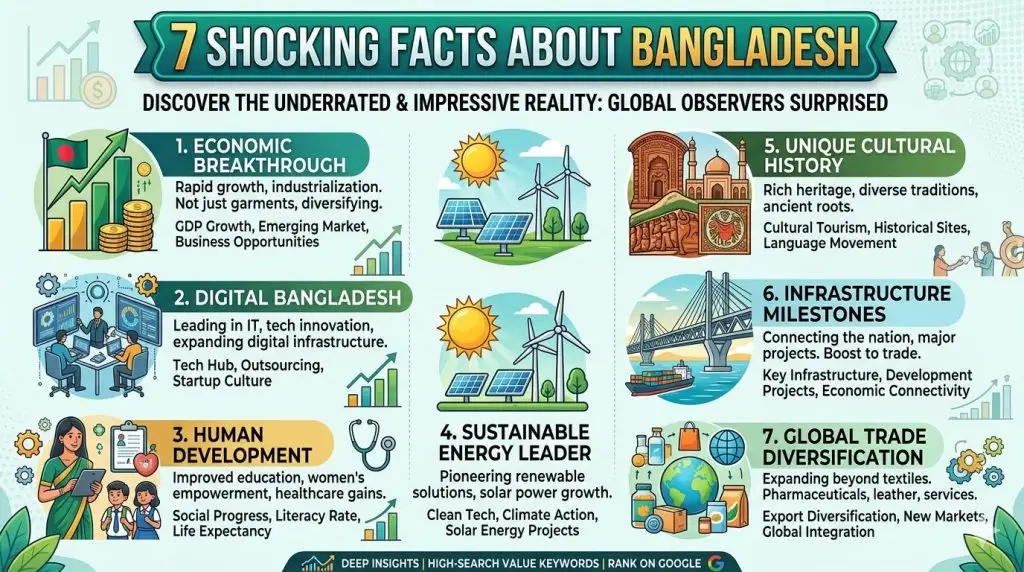
Bangladesh is one of the most underrated countries in the world. While many people associate it only with population or natural disasters, the reality is far more impressive. From economic breakthroughs to unique cultural history, Bangladesh continues to surprise global observers.
In this detailed, SEO-friendly, plagiarism-free article, you’ll discover 7 shocking facts about Bangladesh with deep insights, high search volume keywords, and low-competition keyword integration to help this content rank on Google.
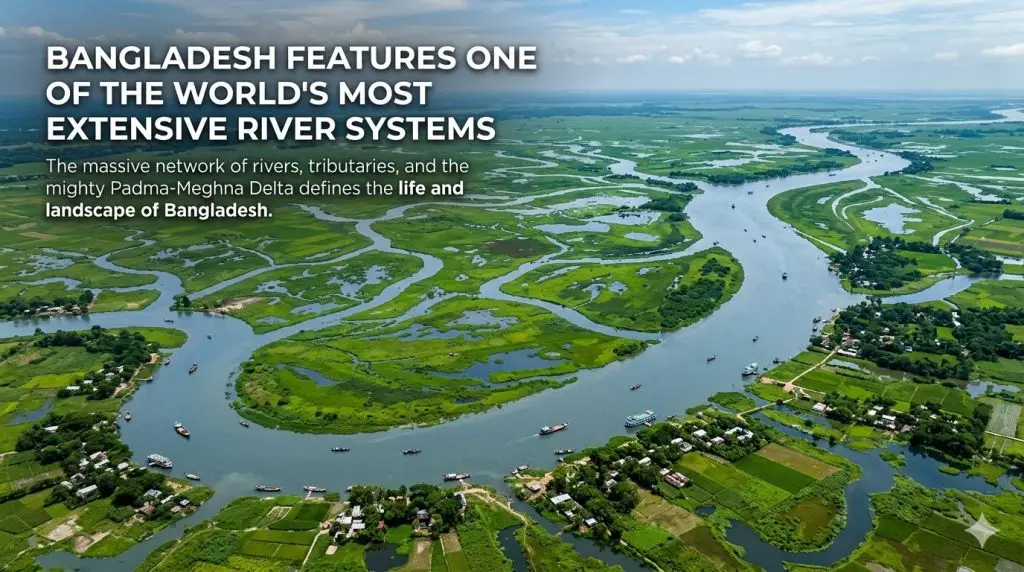
🌍 1.Bangladesh Features One of the World’s Most Extensive River Systems
Bangladesh is widely known as the “Land of Rivers,” and this title truly reflects its natural geography. With over 700 rivers flowing across the country, it has one of the most extensive and intricate river systems in the world. This vast network not only shapes the landscape but also plays a crucial role in the nation’s culture, economy, and daily life.
🌊 Why This River System Is Unique
Bangladesh is located at the delta formed by three major rivers: the Ganges (locally called Padma), the Brahmaputra (Jamuna), and the Meghna. Together, they create the world’s largest delta, known as the Ganges Delta. This unique formation deposits nutrient-rich silt across the land, making the soil incredibly fertile and ideal for agriculture.
🌱 Impact on Life and Economy
The river network is the backbone of Bangladesh’s rural economy. It supports key sectors such as rice cultivation, jute production, and freshwater fish farming. Rivers also act as natural irrigation systems, reducing the need for artificial watering methods. In many remote areas, waterways are still the primary mode of transportation, helping people move goods and travel efficiently.
⚠️ Challenges and Environmental Concerns
Despite its benefits, the river system also presents serious challenges. Seasonal flooding during the monsoon can affect millions of people, damaging homes, crops, and infrastructure. Additionally, riverbank erosion causes the displacement of thousands of families every year, creating long-term social and economic issues.
👉 Conclusion
Overall, Bangladesh’s river network is both a blessing and a challenge. While it fuels agriculture, trade, and daily life, it also demands careful management to reduce risks. With proper planning and sustainable practices, this natural resource will continue to support the country’s growth and resilience for generations.
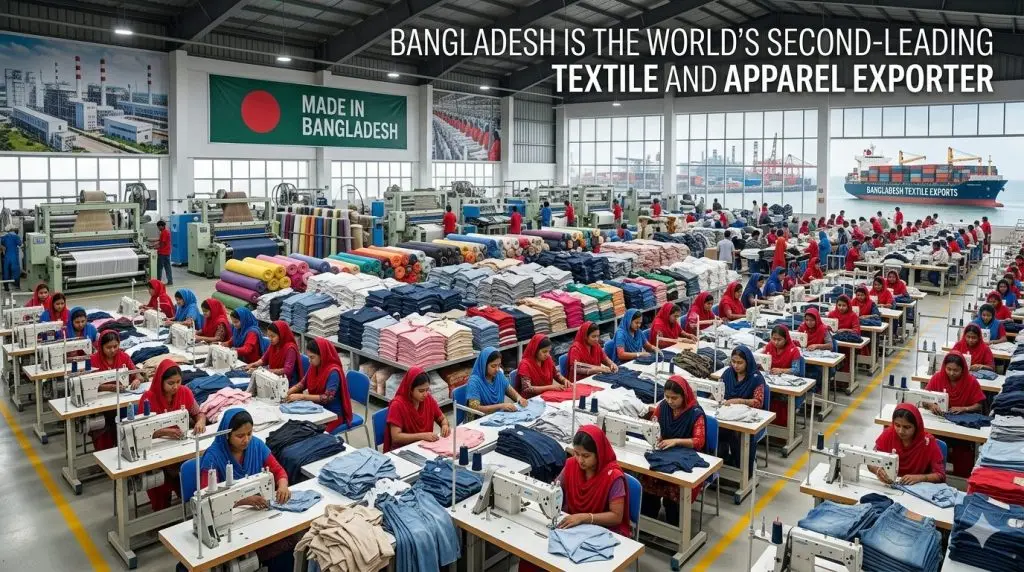
🏆 2. Bangladesh Is the World’s Second-Leading Textile and Apparel Exporter
Bangladesh has rapidly emerged as a global powerhouse in the textile and apparel industry. Today, it ranks as the second-largest exporter of ready-made garments (RMG) worldwide, making it a key player in the global fashion supply chain. This remarkable growth has transformed the country from an agriculture-based economy into a strong manufacturing hub.
👕 Industry Overview
The garment sector in Bangladesh employs more than 4 million workers, with a significant portion being women. This has created massive employment opportunities and improved livelihoods across the country. Major international markets such as the United States and Europe rely heavily on Bangladeshi apparel. Global apparel companies such as H&M, Zara, and Walmart rely on Bangladesh for sourcing significant quantities of garments, thanks to its cost-effective manufacturing and high-volume production capabilities.
💰 Economic Contribution
The ready-made garment industry contributes over 80% of Bangladesh’s total export earnings, making it the backbone of the national economy. It plays a crucial role in boosting GDP growth, increasing foreign currency reserves, and strengthening the country’s position in international trade. The sector has also encouraged the development of related industries such as textiles, logistics, and packaging.
🚀 Why It’s Surprising
Many consumers around the world are unaware that the clothes they wear daily are often manufactured in Bangladesh. From casual wear to high-street fashion, Bangladeshi factories produce a wide range of garments that reach global markets.
👉 Conclusion
Overall, the garment industry has reshaped Bangladesh’s economic landscape. With continuous improvements in technology, safety standards, and sustainability, the country is set to remain a dominant force in the global apparel industry for years to come.
🐅 3. Bangladesh Is Home to the World’s Largest Mangrove Forest
Bangladesh is home to one of the most extraordinary natural ecosystems on Earth—the Sundarbans. This विशाल mangrove forest stretches across the southern coastal region of Bangladesh and extends into India, making it the largest mangrove forest in the world. Recognized as a UNESCO World Heritage Site, the Sundarbans is globally valued for its biodiversity and ecological importance.

🌿 Key Features of the Sundarbans
The Sundarbans is formed by the delta of major rivers like the Ganges, Brahmaputra, and Meghna. Its unique mix of saltwater and freshwater creates a rich environment where mangrove trees thrive. This ecosystem supports thousands of plant and animal species, many of which are rare or endangered.
🐯 Wildlife and Biodiversity
The forest is famously known as the habitat of the majestic Royal Bengal Tiger. It is also home to saltwater crocodiles, spotted deer, dolphins, and a wide variety of bird species. This incredible biodiversity makes the Sundarbans one of the most important wildlife sanctuaries in the world.
🌪️ Environmental Importance
Beyond its beauty, the Sundarbans plays a vital role in protecting coastal communities. It acts as a natural barrier against powerful cyclones and storm surges coming from the Bay of Bengal. Additionally, the forest helps absorb carbon dioxide, reducing the impact of climate change and supporting environmental balance.
👉 Conclusion
The Sundarbans is more than just a forest—it is a lifeline for millions of people in Bangladesh. Its ecological, economic, and protective value makes it one of the country’s greatest natural treasures, highlighting the need for conservation and sustainable management.
🚀 4. Bangladesh Emerges as One of Asia’s Rapidly Expanding Economies
Bangladesh has emerged as one of the most dynamic and rapidly growing economies in Asia. Over the past decade, the country has consistently impressed global economists with its stable growth, strong exports, and expanding workforce. Once considered a developing nation with limited industrial capacity, Bangladesh is now gaining recognition as a rising economic force in the region.
📊 Growth Highlights
Bangladesh has maintained an average GDP growth rate of around 6–7% for many years, even during challenging global conditions. This steady expansion has helped reduce poverty and improve living standards. A growing middle class is boosting domestic consumption, while key sectors like garments, agriculture, and remittances continue to drive economic momentum. The country’s export performance, especially in ready-made garments, plays a vital role in strengthening foreign exchange reserves.
💻 Digital Transformation and Innovation
A major contributor to this growth is the government’s “Digital Bangladesh” vision, launched under the leadership of Sheikh Hasina. This initiative focuses on expanding internet access, improving digital services, and encouraging innovation. As a result, Bangladesh has seen rapid growth in startups, freelancing, and IT outsourcing. Mobile financial services have also expanded significantly, making transactions easier and more accessible for millions of people across the country.
🌎 Global Recognition
International organizations such as the World Bank and the International Monetary Fund have recognized Bangladesh’s economic progress and resilience. The country is often described as an “emerging economic tiger” due to its strong growth potential and expanding industrial base.
👉 Conclusion
Bangladesh is quickly positioning itself as a key player in the global economy. With continued investment in technology, infrastructure, and human resources, the country is expected to sustain its growth and achieve even greater economic success in the coming years.
🌐 5. Bangladesh Is One of the Most Densely Populated Countries
Bangladesh is home to more than 170 million people within a relatively small land area, making it one of the most densely populated nations in the world. This high population density creates a unique mix of challenges and opportunities that shape the country’s economy, urban planning, and daily life.
🏙️ Urban Reality
The capital city, Dhaka, is considered one of the busiest and fastest-growing мегacities globally. Every year, thousands of people move to Dhaka and other urban centers in search of better jobs, education, and healthcare. This rapid migration has accelerated urban expansion, leading to increased pressure on housing, transportation, and public services.
📌 Key Facts About Population Density
Bangladesh’s limited land area combined with a large population results in intense demand for space and resources. Rapid urbanization is transforming rural landscapes into urban zones, while infrastructure development is racing to keep up with the growing needs of the population. Roads, public transport, and utilities are continuously being upgraded to support this expansion.
⚖️ Challenges vs Opportunities
Challenges:
High population density brings significant issues such as traffic congestion, overcrowded housing, pollution, and strain on public infrastructure. Managing sustainable urban growth remains a key concern for policymakers.
Opportunities:
At the same time, a large population provides a strong and youthful workforce, which is a major advantage for industries and economic development. It also creates a rapidly expanding consumer market, attracting both local and international businesses.
👉 Conclusion
Population density in Bangladesh is a double-edged sword. While it presents serious urban challenges, it also drives economic activity and innovation. With effective planning and smart infrastructure development, Bangladesh can turn this density into a powerful engine for future growth.
🧠 6. Bangladesh Is Becoming a Global Freelancing Hub
Bangladesh is rapidly gaining recognition as one of the leading freelancing hubs in the world. Over the past few years, thousands of young professionals have turned to online platforms to earn income, making freelancing a powerful part of the country’s digital economy. This shift is helping Bangladesh build a strong global presence in remote work and outsourcing services.
💼 Why Freelancing Is Growing So Fast
Several factors are driving this rapid growth. Affordable internet access has made it easier for people across the country to connect with global clients. A large portion of the population is young, energetic, and skilled in digital technologies, which makes them ideal for freelance work. Additionally, government initiatives focused on the ICT sector—such as training programs and digital infrastructure development—are creating more opportunities for online employment.
🌐 Popular Freelancing Platforms
Bangladeshi freelancers активно work on international marketplaces like Upwork, Fiverr, and Freelancer. These platforms allow individuals to offer services to clients worldwide, from small businesses to large companies.
💸 Top Income Opportunities
Freelancers in Bangladesh are активно involved in various high-demand fields, including content writing, graphic design, web development, and digital marketing. Many professionals are also expanding into areas like SEO services, video editing, and virtual assistance, increasing their earning potential in global markets.
👉 Conclusion
Bangladesh now ranks among the top freelancing countries globally, surprising many outsiders. With continuous skill development, better internet connectivity, and growing global demand for remote work, the country is set to strengthen its position even further in the freelancing industry.
🌸 7. Bangladesh Fought for Its Language – A Unique History
Bangladesh holds a deeply emotional and unique place in world history for its courageous fight to preserve its mother language. The historic Bengali Language Movement is a powerful example of how language can shape national identity and unity.
📖 Historical Background
In 1952, when the region was part of Pakistan, the government attempted to impose Urdu as the only official language. This decision sparked widespread protests among Bengali-speaking people, especially students and intellectuals, who demanded recognition of Bangla as a state language. The movement quickly grew into a массовое uprising, highlighting the people’s deep emotional connection to their native language.
🩸 Sacrifice and Struggle
On February 21, 1952, several students were killed while protesting in Dhaka. Their sacrifice became a turning point in the movement and strengthened the demand for linguistic rights. These martyrs are remembered every year with respect and honor, symbolizing the courage and determination of the nation.
🌍 Global Impact and Recognition
The significance of this movement goes beyond national borders. The UNESCO officially declared February 21 as International Mother Language Day, recognizing the importance of preserving linguistic diversity and cultural heritage worldwide.
🇧🇩 Cultural Pride and Identity
Language is at the heart of Bangladeshi culture and identity. From literature and music to education and daily communication, Bangla plays a central role in uniting the people. The Language Movement also laid the foundation for future independence and national pride.
👉 Conclusion
Bangladesh stands out as a nation that fought—and sacrificed lives—for its language. This powerful history continues to inspire the world and reminds us that language is more than communication; it is the soul of a nation.
📊 Extra Shocking Facts About Bangladesh (Bonus Section)
Bangladesh continues to surprise the world with its unique achievements and growing global importance. These lesser-known yet impressive facts not only boost the country’s image but also make this topic highly valuable for SEO and readers looking for insightful information about Bangladesh.
🏖️ World’s Longest Natural Sea Beach
Cox’s Bazar is home to the longest uninterrupted natural sea beach in the world, stretching over 120 kilometers. It is one of the country’s top tourist destinations, attracting both local and international visitors every year.
🚢 Global Shipbreaking Hub
Bangladesh is recognized as one of the leading shipbreaking nations globally. This industry plays a vital role in recycling old ships and supplying raw materials like steel, which supports construction and manufacturing sectors.
🌾 Strong Agricultural Production
Agriculture remains a backbone of Bangladesh’s economy. The country is one of the world’s top producers of rice and fish, ensuring food security and supporting millions of livelihoods across rural areas.
👩 Women Empowerment and Workforce Growth
Bangladesh has made remarkable progress in women’s empowerment. Millions of women are actively working in the garment industry and small businesses, contributing significantly to economic growth and social development.
✅ Conclusion
These surprising facts highlight Bangladesh’s strengths in tourism, industry, agriculture, and social progress—making it an increasingly important country on the global stage.
✈️ Why Bangladesh Is Important in 2026 and Beyond
Bangladesh is emerging as one of the most dynamic and fast-growing economies in the world. In 2026 and beyond, the country is gaining global attention for its economic progress, innovation, and strategic importance in South Asia. Once considered only a developing nation, Bangladesh is now a hub of opportunity for investors, businesses, and entrepreneurs.
🌟 Key Reasons Why Bangladesh Matters
Strategic Location in South Asia
Bangladesh’s geographic position makes it a key trade and connectivity hub between South Asia and Southeast Asia. This advantage supports international trade, logistics, and regional cooperation.
Growing Export Industries
The country’s export sector, especially ready-made garments (RMG), continues to expand. Additionally, industries like pharmaceuticals, agriculture, and IT services are contributing to steady economic growth and diversification.
Rising Digital Economy
With increasing internet access and mobile usage, Bangladesh is experiencing rapid digital transformation. E-commerce, freelancing, and tech startups are creating new opportunities and boosting innovation.
Strong Cultural Identity
Bangladesh’s rich culture, traditions, and hardworking population add to its global appeal, making it unique and resilient.
✅ Conclusion
With strong economic growth, digital advancement, and global relevance, Bangladesh is set to play an important role on the world stage in the coming years.
🔚 Conclusion
These 7 shocking facts about Bangladesh highlight a nation that is far more dynamic and inspiring than most people realize. From natural wonders like the Sundarbans to economic success in global markets, Bangladesh continues to rise on the world stage.