
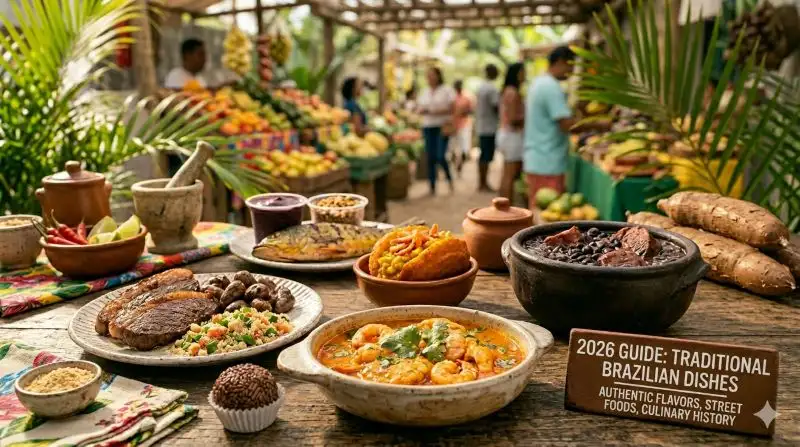
Discover Traditional Brazilian Dishes with authentic flavors, famous recipes, street foods, and rich culinary history in this 2026 guide.
Introduction
Brazil is one of the most exciting food destinations in the world. The country is famous not only for its beautiful beaches, football culture, and colorful festivals, but also for its rich and diverse cuisine. Traditional Brazilian dishes are packed with bold flavors, tropical ingredients, and centuries of cultural influence that make every meal unforgettable.
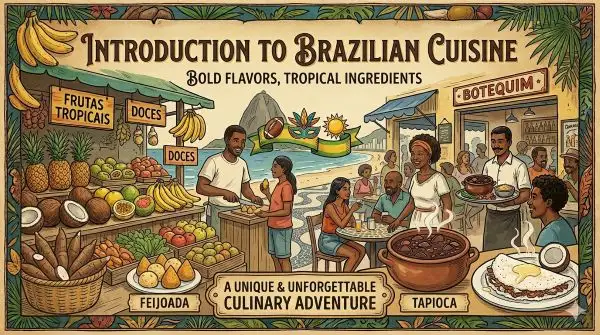
Brazilian food tells the story of the nation’s history. Indigenous communities, Portuguese settlers, African traditions, and immigrant cultures all helped shape the unique flavors found in Brazilian cuisine today. From smoky grilled meat and seafood stews to crispy street snacks and sweet desserts, every region of Brazil offers something special.
Whether you are planning a trip to Brazil or simply love exploring international cuisine, this guide will help you discover the best traditional Brazilian dishes to try in 2026.
The History of Traditional Brazilian Dishes
Brazilian cuisine has evolved over hundreds of years. Before Portuguese colonization began in the 1500s, indigenous tribes used ingredients like cassava, fish, corn, nuts, and tropical fruits in their daily cooking. Cassava remains one of the most important ingredients in Brazilian food even today.
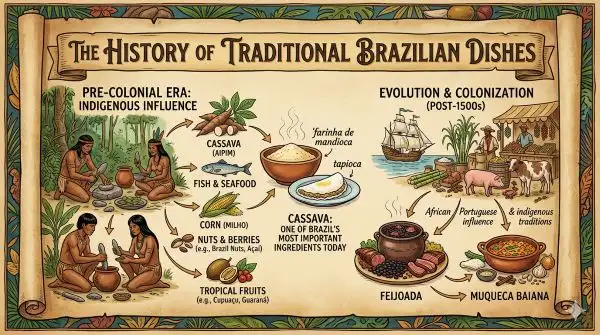
When Portuguese settlers arrived, they introduced rice, sugar, cattle, pork, olive oil, and European cooking methods. African slaves later brought powerful culinary traditions, including palm oil, okra, spices, seafood stews, and slow-cooking techniques.
Later immigration from Italy, Germany, Japan, and the Middle East added even more diversity to Brazilian cuisine. This combination of cultures created one of the richest food traditions in the world.
Today, traditional Brazilian dishes continue to reflect the country’s history, culture, and regional identity.
Why Traditional Brazilian Food Is Popular Worldwide

Traditional Brazilian dishes have become increasingly popular around the world because they offer:
- Rich and comforting flavors
- Fresh tropical ingredients
- Delicious grilled meats
- Unique street foods
- Authentic regional recipes
- Flavorful seafood dishes
- Sweet desserts and snacks
Food lovers often search online for:
- Traditional Brazilian dishes
- Authentic Brazilian food
- Famous Brazilian recipes
- Brazilian street food
- Foods to eat in Brazil
- Traditional Brazilian cuisine
- Brazilian national dishes
These keywords have strong search volume and continue growing in popularity among travelers and food bloggers.
1. Feijoada – Brazil’s National Dish
Feijoada is the most iconic traditional Brazilian dish and is often called the national food of Brazil.
This hearty black bean stew is slowly cooked with pork, beef, smoked sausage, and seasonings until rich and flavorful. It is traditionally enjoyed alongside steamed white rice, sautéed collard greens, fresh orange wedges, and crispy farofa made from roasted cassava flour.
Feijoada has roots connected to Portuguese bean stews mixed with African culinary traditions. Over time, it became one of the most beloved comfort foods across Brazil.
Many Brazilian families enjoy feijoada during weekend gatherings because it is filling, delicious, and perfect for sharing.
Its smoky flavor and cultural importance make feijoada one of the best traditional Brazilian dishes you must try.
2. Pão de Queijo – Famous Brazilian Cheese Bread
Pão de queijo is one of Brazil’s most popular snacks and breakfast foods.
These small cheese breads are made with cassava flour, milk, eggs, and cheese. These delicious cheese breads feature a lightly crunchy crust while remaining fluffy, stretchy, and tender on the inside.
The recipe originated in Minas Gerais during the colonial era when African cooks used cassava flour because wheat flour was difficult to access.
Today, pão de queijo is enjoyed throughout Brazil at coffee shops, bakeries, and family breakfasts.
Because it is naturally gluten-free, this famous Brazilian food has also gained popularity internationally.
3. Moqueca – Traditional Brazilian Seafood Stew
Moqueca is a flavorful seafood stew that comes from Brazil’s coastal regions.
The dish is usually prepared with fish or shrimp cooked in tomatoes, onions, garlic, peppers, coconut milk, and dendê oil, also called palm oil.
There are two famous versions of moqueca:
- Moqueca Baiana from Bahia
- Moqueca Capixaba from Espírito Santo
The Bahian version includes coconut milk and palm oil, while the Espírito Santo version uses olive oil and tomatoes.
Moqueca reflects strong African and indigenous influences and is often cooked slowly in clay pots for deeper flavor.
This traditional Brazilian dish is especially loved by seafood enthusiasts.
4. Churrasco – Authentic Brazilian Barbecue
Churrasco is one of the most famous parts of Brazilian food culture.
This Brazilian barbecue tradition began in southern Brazil among gauchos, the region’s cattle ranchers. Large cuts of meat are seasoned simply with salt and grilled over open flames.
Popular meats include:
- Beef
- Pork
- Chicken
- Lamb
- Sausages
Brazilian steakhouses called churrascarias became internationally famous because servers bring different meats directly to the table on skewers.
Churrasco is commonly served with:
- Rice
- Farofa
- Potato salad
- Vinagrete salsa
- Grilled vegetables
Its smoky aroma and juicy flavor make churrasco a must-try Brazilian culinary experience.
5. Coxinha – Brazil’s Favorite Street Snack
Coxinha is one of the most loved Brazilian street foods.
This deep-fried snack is shaped like a chicken drumstick and filled with shredded chicken mixed with cream cheese or soft cheese.
The filling is wrapped in dough, coated with breadcrumbs, and fried until crispy and golden.
Coxinha became extremely popular in São Paulo and quickly spread across the country.
Today, it is commonly sold in:
- Cafes
- Bakeries
- Street stalls
- Food markets
- Parties
Its crunchy texture and creamy filling make it impossible to eat just one.
6. Farofa – Classic Brazilian Side Dish
Farofa is a flavorful Brazilian side dish made from toasted cassava flour mixed with ingredients like butter, onions, bacon, or herbs. It is commonly served with feijoada, grilled meats, and barbecue, adding a crunchy texture and rich traditional flavor to Brazilian cuisine.
It may include ingredients such as:
- Butter
- Bacon
- Onions
- Eggs
- Bananas
- Raisins
- Herbs
Farofa adds flavor and texture to dishes like feijoada and churrasco.
Cassava has been part of Brazilian cooking since indigenous times, making farofa an important cultural food.
Although simple, farofa plays a major role in authentic Brazilian cuisine.
7. Acarajé – Traditional Afro-Brazilian Street Food
Acarajé is one of Brazil’s most culturally significant street foods.
This crispy fritter is made from black-eyed peas and fried in palm oil. The crispy fritter is commonly filled with zesty shrimp cream, fresh vegetable toppings, and seasoned dried shrimp for a bold and savory flavor.
The dish has deep African roots and became especially important in the northeastern state of Bahia.
Women dressed in traditional white clothing often sell acarajé in the streets of Salvador, preserving centuries-old cooking traditions.
Acarajé is flavorful, spicy, and deeply connected to Afro-Brazilian culture.
8. Brigadeiro – Famous Brazilian Chocolate Dessert
Brigadeiro is a rich and creamy Brazilian chocolate dessert made with condensed milk, cocoa powder, and butter. These bite-sized sweets are commonly covered with chocolate sprinkles and are especially popular at birthday parties, family celebrations, and traditional Brazilian festivals across the country.
These soft chocolate truffles are made using:
- Condensed milk
- Cocoa powder
- Butter
- Chocolate sprinkles
Brigadeiros became popular during the 1940s and later turned into an essential dessert at birthday parties and celebrations.
Today, many gourmet versions include:
- Pistachio
- Coconut
- Nutella
- White chocolate
- Salted caramel
This sweet treat is simple but incredibly addictive.
9. Vatapá – Rich and Creamy Brazilian Dish
Vatapá is a classic Brazilian specialty celebrated for its creamy consistency and intense, well-seasoned taste profile.This creamy recipe is prepared using bread, shrimp, peanuts, coconut milk, and fragrant palm oil blended into a smooth mixture.
Originating from Bahia, vatapá reflects strong African culinary influence that helped shape authentic Brazilian cuisine. The dish is commonly served with white rice or used as a flavorful filling inside acarajé, a famous Brazilian street food.
Its combination of seafood, coconut, and nutty ingredients creates a unique taste that stands out among traditional Brazilian dishes loved by both locals and visitors.
10. Tapioca – Brazilian Cassava Pancake
Brazilian tapioca is a popular gluten-free dish prepared from hydrated cassava starch cooked into a soft pancake-like texture. It is commonly filled with cheese, coconut, chocolate, or meat, making it a delicious traditional Brazilian snack enjoyed for breakfast, dessert, or light meals.
It can be filled with sweet or savory ingredients such as:
- Cheese
- Coconut
- Chocolate
- Banana
- Chicken
- Beef
Tapioca originated from indigenous cooking traditions and later became popular throughout Brazil.
Today, many people enjoy tapioca because it is gluten-free and light.
It is commonly eaten for breakfast or as a quick snack.
11. Bobó de Camarão – Brazilian Shrimp Stew
Bobó de camarão is one of the most comforting traditional Brazilian dishes, especially popular in the northeastern state of Bahia.
This rich Brazilian shrimp stew is made with tender shrimp, creamy cassava puree, coconut milk, garlic, onions, fresh herbs, and aromatic palm oil. The recipe reflects a beautiful blend of African and indigenous culinary traditions that helped shape authentic Brazilian cuisine.
Its velvety texture and tropical seafood flavor make it a favorite among locals and visitors alike. Bobó de camarão is traditionally served with steamed white rice and garnished with fresh herbs for an even more flavorful dining experience.
12. Pastel – Crispy Brazilian Fried Pastry
Pastel is a crispy deep-fried Brazilian pastry commonly sold in local street markets and food fairs. These crunchy snacks are filled with cheese, beef, chicken, seafood, or sweet ingredients, making pastel one of the most loved and flavorful traditional Brazilian street foods.
These crispy pastries are filled with ingredients like:
- Cheese
- Ground beef
- Chicken
- Seafood
- Chocolate
- Banana
Pastel became popular through Japanese and Chinese immigrant communities in Brazil.
Today, it remains one of the country’s favorite quick snacks.
The crunchy crust and warm filling make pastel incredibly satisfying.
13. Canjica – Classic Brazilian Creamy Sweet Corn Pudding Dessert
Canjica is a traditional Brazilian dessert prepared with white corn slowly cooked in milk, sugar, cinnamon, and coconut until creamy and flavorful. This comforting sweet dish is especially popular during Festa Junina, one of Brazil’s most celebrated cultural festivals.
Its rich texture and warm homemade taste remind many Brazilians of family gatherings and childhood memories. Some recipes also include condensed milk, peanuts, or cloves for extra flavor.Canjica is often savored in chilly seasons and during traditional celebrations throughout Brazil, especially at family gatherings and festive events.
The dessert perfectly represents Brazil’s comforting food traditions and love for simple yet delicious homemade sweets.
14. Empadão – Brazilian Savory Pie
Empadão is a traditional Brazilian savory pie filled with delicious ingredients like chicken, beef, seafood, vegetables, cheese, or creamy sauces. Its flaky buttery crust and rich filling make it a comforting family favorite across Brazil.
Rooted in Portuguese pastry traditions, empadão in Brazil has evolved over time by incorporating native ingredients and distinctive regional flavors, creating a uniquely Brazilian version of this savory pie. This hearty dish is commonly prepared during holidays, weekend lunches, festivals, and family celebrations.
Many versions also include olives, corn, peas, or cream cheese for extra flavor. Empadão perfectly represents the warm, homemade style of traditional Brazilian cuisine loved by both locals and visitors.
15. Quindim – Traditional Brazilian Coconut Dessert
Quindim is a famous traditional Brazilian dessert known for its bright yellow color, glossy surface, and rich coconut flavor.
This sweet delicacy is prepared using egg yolks, sugar, butter, and shredded coconut, creating a smooth custard-like top with a lightly chewy coconut base. The recipe reflects strong Portuguese baking influence blended with tropical Brazilian ingredients and cooking traditions.
Quindim is commonly found in bakeries, dessert shops, and festive celebrations throughout Brazil. Its creamy texture and sweet tropical taste make it one of the most recognizable and beloved Brazilian desserts enjoyed by both locals and international food lovers alike.
Regional Diversity in Brazilian Cuisine
Brazilian cuisinevaries greatly across different regions, offering unique flavors, ingredients, and cooking traditions. From Amazonian fish dishes in the north to smoky churrasco barbecue in the south, each area of Brazil contributes something special to the country’s rich and diverse food culture.
Northern Brazil
This region uses ingredients from the Amazon rainforest, including freshwater fish, cassava, and tropical fruits.
Northeastern Brazil
African influence is strongest here. Dishes often include coconut milk, palm oil, seafood, and spices.
Southern Brazil
Southern cuisine is famous for churrasco barbecue and European-inspired comfort foods.
Southeastern Brazil
Large cities like Rio de Janeiro and São Paulo offer modern Brazilian fusion cuisine and diverse street foods.
Central-West Brazil
This region is known for cattle farming, freshwater fish, and rustic traditional meals.
Every region adds unique flavors to Brazil’s culinary identity.
Traditional Brazilian Drinks
Brazilian cuisine also includes refreshing traditional beverages.
Popular Brazilian drinks include:
- Caipirinha
- Guaraná soda
- Coconut water
- Sugarcane juice
- Açaí smoothies
- Brazilian coffee
These drinks pair perfectly with traditional Brazilian dishes.
Why Food Travelers Love Brazil
Brazil attracts food lovers from around the world because of its:
- Diverse regional cuisine
- Fresh tropical ingredients
- Affordable street food
- Warm hospitality
- Rich culinary history
- Famous barbecue culture
Food tourism in Brazil continues growing as travelers search for authentic culinary experiences and traditional local recipes.
Best Cities to Experience Traditional Brazilian Food
If you want to explore authentic Brazilian cuisine, these cities are excellent choices:
Rio de Janeiro
Famous for feijoada, street snacks, and beachside food culture.
Salvador
Known for Afro-Brazilian dishes like acarajé and moqueca.
São Paulo
Offers diverse international and Brazilian fusion cuisine.
Belo Horizonte
Popular for pão de queijo and traditional Minas Gerais recipes.
Recife
Famous for seafood and northeastern Brazilian flavors.
Tips for Trying Traditional Brazilian Dishes
To fully enjoy Brazilian food culture:
- Try regional specialties
- Visit local food markets
- Eat at family-owned restaurants
- Explore traditional festivals
- Taste tropical fruits
- Try authentic street food
- Experience a churrascaria barbecue
These experiences help travelers understand the true spirit of Brazilian cuisine.
Conclusion
Traditional Brazilian dishes represent centuries of culture, migration, and culinary creativity. From hearty feijoada and smoky churrasco to sweet brigadeiros and crispy coxinhas, Brazilian food offers something for every taste.
The combination of indigenous ingredients, African cooking traditions, and Portuguese influences created one of the world’s most exciting cuisines.
Whether you are traveling to Brazil or cooking at home, exploring traditional Brazilian dishes is a delicious journey filled with history, flavor, and unforgettable experiences.
In 2026, Brazilian cuisine continues to capture the attention of travelers, food bloggers, and food lovers searching for authentic global flavors.
FAQ About Traditional Brazilian Dishes
What is the national dish of Brazil?
Feijoada is considered the national dish of Brazil and is made with black beans and meat.
What is the most famous Brazilian street food?
Coxinha, pastel, and acarajé are among Brazil’s most popular street foods.
Is Brazilian food spicy?
Most Brazilian dishes are flavorful rather than extremely spicy, although some Bahian foods contain spicy ingredients.
What is Brazil famous for in food?
Brazil is famous for churrasco barbecue, feijoada, pão de queijo, brigadeiro, and seafood dishes.
What desserts are popular in Brazil?
Brigadeiro, quindim, canjica, and beijinho are traditional Brazilian desserts.
Is Brazilian food healthy?
Many Brazilian dishes use beans, seafood, fruits, vegetables, and cassava, making them nutritious when balanced properly.
What do Brazilians eat for breakfast?
Breakfast often includes coffee, bread, fruits, cheese, and pão de queijo.
What is the best Brazilian dish for tourists?
Feijoada, moqueca, churrasco, brigadeiro, and coxinha are highly recommended for first-time visitors.