

Discover Traditional Malaysian Dishes packed with rich flavors, authentic street food, and cultural history food lovers must try.
Introduction
Malaysia is a dream destination for anyone passionate about food. The country is celebrated for its vibrant traditions, tropical scenery, and extraordinary culinary culture. Traditional Malaysian dishes stand out because they blend fragrant spices, fresh local ingredients, and generations of cooking knowledge into unforgettable meals.
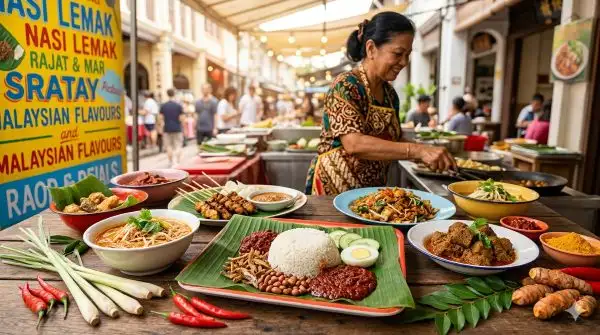
Malaysian cuisine is more than simply food on a plate. Every recipe reflects the country’s multicultural heritage, shaped by Malay, Chinese, Indian, and indigenous communities over hundreds of years. The result is a delicious mix of spicy, sweet, savory, and tangy flavors that continue to impress travelers from around the globe.
In 2026, Malaysian food remains one of Southeast Asia’s fastest-growing culinary trends. Tourists search for authentic local dishes, food bloggers share colorful Malaysian meals online, and international restaurants increasingly introduce Malaysian-inspired recipes to global audiences.
Whether you are planning to visit Malaysia or looking to experience new Asian flavors at home, these traditional Malaysian dishes deserve your attention.
The Cultural History Behind Traditional Malaysian Dishes
The story of Malaysian cuisine began centuries ago when traders from neighboring countries traveled through the Malay Peninsula.

Because Malaysia was located along important maritime trading routes, merchants from China, India, Indonesia, Thailand, and the Middle East brought spices, herbs, and cooking traditions that slowly transformed local food culture.
The native Malay population originally relied on ingredients commonly found in tropical environments, including:
- Coconut milk
- Rice
- Fresh fish
- Turmeric
- Lemongrass
- Chili peppers
- Pandan leaves
Chinese settlers later introduced noodles, tofu, soy-based sauces, and wok cooking. Indian communities contributed flavorful curries, spice blends, and flatbread recipes. Over time, these influences merged together and created the distinctive flavors now associated with traditional Malaysian dishes.
Modern Malaysian cuisine beautifully represents cultural harmony through food.
Why Traditional Malaysian Food Is Loved Worldwide
Traditional Malaysian dishes continue attracting global attention because they offer an exciting balance of flavors rarely found in other cuisines. Meals often combine sweetness, spice, richness, and freshness in one serving.

Food lovers appreciate Malaysian cuisine for several reasons:
Rich Flavor Combinations
Malaysian dishes are famous for bold seasoning and aromatic spices that create deep, satisfying taste.
Strong Street-Food Culture
Night markets and roadside stalls provide authentic meals at affordable prices.
Multicultural Influence
The blend of Malay, Chinese, and Indian cooking traditions makes Malaysian cuisine unique.
Comforting Yet Exciting Meals
Many dishes feel comforting while still offering adventurous flavor profiles.
Fresh Tropical Ingredients
Coconut, seafood, herbs, and local vegetables give Malaysian recipes natural freshness.
Because of social media and culinary tourism, Malaysian food is now reaching wider international audiences than ever before.
Essential Ingredients Used in Malaysian Cooking
TraditionalMalaysian dishes rely on fresh herbs, aromatic spices, and natural ingredients that give them their unique and signature taste.
Common essentials include coconut milk, lemongrass, turmeric, chili, garlic, and pandan leaves. These ingredients create rich, balanced flavors that define authentic Malaysian cuisine across every region.
Coconut Milk
Coconut milk gives many Malaysian recipes their creamy texture and rich flavor. It is commonly used in curries, desserts, soups, and rice dishes.
Sambal Chili Paste
Sambal is a spicy condiment prepared using chili peppers and other flavorful ingredients. It adds heat and depth to many traditional meals.
Lemongrass
This aromatic herb delivers a refreshing citrus fragrance commonly found in soups and marinades.
Turmeric
Turmeric provides bright color and earthy flavor while also offering natural health benefits.
Pandan Leaves
Pandan leaves contribute a sweet floral aroma often used in desserts and rice preparation.
Shrimp Paste
Fermented shrimp paste adds savory umami flavor to sauces and curries.
Rice and Noodles
Rice and noodles remain the foundation of Malaysian cuisine and appear in countless dishes throughout the country.
1. Nasi Lemak
Nasi Lemak is widely recognized as Malaysia’s national dish and remains one of the country’s most iconic traditional foods.
This flavorful meal features fragrant rice cooked in rich coconut milk and pandan leaves, creating a creamy and aromatic taste loved across Malaysia. It is traditionally served with spicy sambal, crispy anchovies, roasted peanuts, boiled egg, and fresh cucumber slices.
Many modern versions also include fried chicken, beef rendang, or seafood. Nasi Lemak represents Malaysia’s multicultural food heritage and continues attracting tourists and food lovers worldwide in 2026.
The dish features rice cooked with coconut milk and pandan leaves, giving it a rich fragrance and creamy taste. Traditional servings usually include:
- Sambal chili sauce
- Crispy anchovies
- Roasted peanuts
- Sliced cucumber
- Hard-boiled egg
Many restaurants also add fried chicken, spicy squid, beef rendang, or seafood for extra flavor.
Historically, rural farmers enjoyed Nasi Lemak as a filling breakfast before spending long hours working outdoors. Today, it is eaten throughout the day and enjoyed by people from all cultural backgrounds.
The combination of spicy sambal and aromatic rice creates a flavor experience that perfectly represents Malaysian cuisine.
2. Satay
Satay is one of the most famous traditionalMalaysian street foods and a favorite among food lovers worldwide. These delicious grilled meat skewers are marinated with aromatic spices such as turmeric, garlic, lemongrass, and coriander before being cooked over hot charcoal flames.
Satay is usually served with rich peanut sauce, rice cakes, cucumber, and onions. Its smoky flavor, tender texture, and authentic Malaysian taste make satay a must-try dish in 2026.
Popular satay choices include:
- Chicken
- Beef
- Lamb
- Seafood
The marinade commonly contains turmeric, garlic, coriander, cumin, and lemongrass, creating a rich savory taste.
Satay is traditionally served with peanut sauce, rice cakes, cucumber, and onions. The smoky aroma from charcoal grilling makes this dish especially appetizing.
Today, satay remains a favorite evening snack found in food markets and roadside stalls across Malaysia.
3. Laksa
Laksa is a famous traditionalMalaysian noodle soup loved for its spicy, rich, and comforting flavors. Made with aromatic herbs, noodles, and flavorful broth, laksa comes in many regional varieties such as Curry Laksa and Asam Laksa.
This iconic Malaysian dish perfectly represents the country’s diverse culinary heritage and street-food culture.
Curry Laksa
Curry Laksa is a creamy Malaysian noodle soup with coconut curry broth, shrimp, chicken, tofu, herbs, and rich spices.
Asam Laksa
Asam Laksa is a spicy Malaysian noodle soup with tamarind broth, fish, fresh herbs, vegetables, and bold sour flavors.
Sarawak Laksa
This East Malaysian variation combines fragrant spices, coconut milk, chicken, prawns, and egg.
Laksa beautifully demonstrates Malaysia’s ability to combine spicy, sour, creamy, and savory flavors into one satisfying dish.
4. Char Kway Teow
Char Kway Teow is a popular traditional Malaysian noodle dish famous in Penang for its smoky flavor and rich taste.
Flat rice noodles are stir-fried over high heat with shrimp, eggs, bean sprouts, soy sauce, and Chinese sausage, creating an authentic Malaysian street-food experience loved worldwide.
Flat rice noodles are cooked over intense heat with ingredients such as:
- Shrimp
- Chinese sausage
- Egg
- Bean sprouts
- Soy sauce
- Chives
Traditional vendors use high-temperature wok cooking to create smoky flavor known locally as “wok hei.”
This delicious noodle dish remains one of Malaysia’s most beloved comfort foods.
5. Rendang
Rendang is a famous traditional Malaysian dish made by slow-cooking beef or chicken in rich coconut milk and aromatic spices.
The meat is simmered for hours until tender, absorbing deep flavors of chili, lemongrass, ginger, and turmeric. This dish is often served during festivals and special cultural celebrations.
Traditional rendang recipes include:
- Chili
- Ginger
- Garlic
- Lemongrass
- Galangal
- Coconut milk
The slow simmering method helps the gravy develop a thicker texture while making the meat soft, juicy, and full of deep traditional flavor.
Rendang is frequently served during important celebrations, festivals, and family gatherings because of its luxurious taste.
6. Roti Canai
Roti Canai is a popular traditionalMalaysian flatbread known for its crispy outside and soft, fluffy texture inside.
Influenced by Indian Muslim cuisine, it is commonly served with flavorful curry, dhal, or spicy sauces, making it one of Malaysia’s favorite breakfast and street-food dishes.
The bread has a golden crispy outer layer with a soft, fluffy texture inside, making it a perfect match for flavorful Punjabi curries. It is commonly served alongside:
- Lentil curry
- Fish curry
- Chicken curry
- Sweet condensed milk
Watching chefs stretch and flip the dough has become part of the dining experience itself.
Roti Canai remains one of the country’s most affordable and satisfying breakfast foods.
7. Mee Goreng
Mee Goreng is a flavorful traditional Malaysian fried noodle dish inspired by Malay and Indian cuisine.
Cooked with chili sauce, vegetables, tofu, shrimp, and eggs, this spicy street-food favorite is loved for its bold taste, smoky aroma, and satisfying texture across Malaysia and Southeast Asia.
The noodles are stir-fried with:
- Tofu
- Potato
- Shrimp
- Chili sauce
- Vegetables
- Egg
Street-food vendors often customize Mee Goreng according to regional taste preferences.
The dish is especially popular because it is flavorful, filling, and inexpensive.
8. Hainanese Chicken Rice
Hainanese Chicken Rice is a well-known Malaysian comfort food brought to Malaysia by settlers from China’s Hainan region, later becoming a beloved local specialty.
This comforting meal features tender poached chicken served with fragrant rice, chili sauce, and ginger paste, creating a simple yet flavorful dish loved throughout Malaysia and Southeast Asia.
The dish includes:
- Tender poached chicken
- Fragrant rice cooked in broth
- Garlic chili sauce
- Ginger paste
Although simple in appearance, the carefully prepared rice and sauces provide incredible flavor.
Today, Hainanese Chicken Rice remains one of Malaysia’s favorite comfort meals.
9. Apam Balik
Apam Balik is a popular traditionalMalaysian street-food dessert famous for its crispy texture and sweet filling. Commonly sold in night markets, this folded pancake is usually filled with peanuts, sugar, and corn, while modern versions may include chocolate, cheese, or banana for extra flavor.
Traditional fillings include:
- Crushed peanuts
- Sugar
- Sweet corn
Modern versions may also contain cheese, chocolate spread, or banana slices.
Its crispy outer layer and soft sweet filling make it a popular evening treat.
10. Cendol
Cendol is a famous traditional Malaysian dessert loved for its refreshing and sweet tropical flavor.
Made with shaved ice, coconut milk, palm sugar syrup, and green jelly noodles, cendol is a popular street-food treat that helps people cool down during Malaysia’s hot and humid weather.
The dessert usually contains:
- Shaved ice
- Coconut milk
- Palm sugar syrup
- Green jelly noodles
Additional ingredients may include red beans or sticky rice.
Cendol is loved for its cooling texture and sweet coconut flavor.
Malaysia’s Famous Street-Food Scene
Malaysia’s street-food culture is one of the country’s greatest attractions. Hawker stalls and food markets serve authentic traditional Malaysian dishes at affordable prices.
Street food became popular because busy workers needed quick and inexpensive meals. Over time, these vendors became an important part of local culture.
Popular food destinations include:
- Jalan Alor Night Market
- Penang Hawker Centers
- Jonker Street
- Gurney Drive
Many family-owned stalls continue using recipes passed down through generations.
Traditional Malaysian Desserts
Traditional Malaysian desserts are colorful, aromatic, and naturally sweet, often made with coconut milk, palm sugar, pandan, and rice flour.
These popular treats reflect Malaysia’s rich culinary heritage, offering refreshing textures and tropical flavors loved in street markets, festivals, and family celebrations across the country.
Kuih
Kuih are traditional Malaysian bite-sized snacks made with rice flour, coconut milk, pandan, and palm sugar, offering colorful, sweet flavors.
Onde Onde
Onde Onde are soft traditional Malaysian glutinous rice balls filled with melted palm sugar, coated in grated coconut, offering sweet flavor.
Seri Muka
Seri Muka is a traditional Malaysian dessert made of sticky glutinous rice topped with smooth pandan custard, offering sweet aromatic flavor.
Ice Kacang
Shaved ice dessert topped with syrup, jelly, beans, and condensed milk.
These desserts remain important during celebrations and festive gatherings.
The Importance of Food in Malaysian Culture
Food plays a vital and meaningful role in Malaysian culture and everyday life. It is not just a source of nourishment but also a symbol of unity, respect, and hospitality. Families and friends regularly gather to share meals during daily routines, festivals, weddings, and national celebrations.
Traditional Malaysian dishes bring people from different ethnic backgrounds together, reflecting the country’s multicultural harmony. Eating together strengthens social bonds and preserves cultural traditions that have been passed down through generations, making food an essential part of Malaysian identity and lifestyle.
Traditional Malaysian dishes are especially important during:
- Hari Raya Aidilfitri
- Chinese New Year
- Deepavali
- Weddings
- Community festivals
Sharing food is considered a symbol of warmth, hospitality, and togetherness.
Why Malaysian Cuisine Continues Growing in Popularity
Traditional Malaysian dishesare gaining global recognition as modern food lovers increasingly seek authentic cultural dining experiences. The rich blend of Malay, Chinese, and Indian influences creates unique flavors that stand out worldwide. Social media, food tourism, and fusion restaurants are also boosting Malaysia’s culinary fame, making it a trending global cuisine.
Several trends are helping Malaysian cuisine expand internationally:
- Asian street-food popularity
- Social media food content
- Culinary tourism growth
- Demand for halal-friendly meals
- Fusion restaurant concepts
Many chefs around the world now experiment with Malaysian flavors and spices in modern recipes.
Health Benefits of Malaysian Ingredients
Many traditional Malaysian dishes use natural herbs, spices, and fresh ingredients that offer strong nutritional benefits. Ingredients like turmeric, ginger, lemongrass, and chili support digestion, boost immunity, and improve metabolism, making Malaysian cuisine both flavorful and health-conscious in everyday meals.
Common Healthy Ingredients
- Turmeric may support immunity
- Ginger helps digestion
- Chili contains antioxidants
- Seafood provides protein
- Herbs offer natural freshness
While some dishes are rich and indulgent, Malaysian cuisine also includes many balanced and nutritious elements.
Cooking Traditional Malaysian Dishes at Home
Many traditional Malaysian dishes can be easily recreated at home using fresh herbs, spices, and simple ingredients.
With essentials like coconut milk, chili, lemongrass, and rice, home cooks can prepare authentic Malaysian flavors. Cooking at home also allows better control of taste, spice level, and healthier meal choices.
Helpful Cooking Tips
- Use fresh spices whenever possible
- Cook sambal slowly for stronger flavor
- Balance spicy, sweet, and sour tastes
- Toast spices before adding them to dishes
- Choose quality coconut milk for better texture
Homemade Malaysian food allows people to experience authentic Southeast Asian flavors without traveling.
Final Thoughts
Traditional Malaysian dishes represent a wonderful blend of culture, history, and unforgettable flavor. Influenced by Malay, Chinese, Indian, and indigenous traditions, Malaysian cuisine has developed into one of Southeast Asia’s most exciting culinary experiences.
From fragrant Nasi Lemak and smoky Satay to comforting Laksa and refreshing Cendol, every dish showcases the country’s rich multicultural identity. The combination of aromatic spices, coconut-based sauces, noodles, rice, and fresh herbs creates meals that are both comforting and full of character.
In 2026, traditional Malaysian food continues gaining worldwide popularity because travelers and food enthusiasts are constantly searching for authentic and flavorful dining experiences.
Whether you enjoy Malaysian cuisine at a local restaurant, street market, or home kitchen, these traditionaldishes offer a delicious journey through Malaysia’s vibrant food culture.
FAQ – Traditional Malaysian Dishes
What are Traditional Malaysian dishes?
Traditional Malaysian dishes are authentic foods influenced by Malay, Chinese, Indian, and indigenous cultures. They include rice, noodles, curries, and street foods rich in spices and coconut flavors.
What is the most famous Traditional Malaysian dish?
Nasi Lemak is the most famous Traditional Malaysian dish. It is considered Malaysia’s national food, served with coconut rice, sambal, anchovies, peanuts, and egg.
Why is Malaysian food so special?
Malaysian food is special because it blends multiple cultures, creating unique sweet, spicy, and savory flavors that are not found in many other cuisines.
Are Traditional Malaysian dishes spicy?
Many Traditional Malaysian dishes are spicy, especially those with sambal and chili. However, spice levels can be adjusted based on preference.
What are popular Malaysian street foods?
Popular Malaysian street foods include Satay, Char Kway Teow, Laksa, Roti Canai, and Mee Goreng, widely sold in night markets and hawker stalls.
Is Malaysian food healthy?
Yes, many Traditional Malaysian dishes use fresh herbs, seafood, and spices like turmeric and ginger, which offer natural health benefits.
What desserts are popular in Malaysia?
Popular Traditional Malaysian desserts include Cendol, Kuih, Onde Onde, and Ice Kacang, known for coconut milk and palm sugar flavors.
Why are Traditional Malaysian dishes becoming popular globally?
They are gaining popularity due to food tourism, social media exposure, and growing interest in authentic Asian street food experiences.