
Discover Traditional Middle Eastern Food, its rich history, authentic flavors, and timeless recipes in this complete 2026 guide.
Introduction: Amazing Traditional Middle Eastern Food
Traditional Middle Eastern Food is celebrated around the world for its rich flavors, wholesome ingredients, and centuries-old culinary traditions. From fragrant rice dishes and freshly baked bread to creamy dips and slow-cooked meats, every meal reflects a deep connection to history, family, and culture.
The Middle East has long been a crossroads of civilizations, where trade routes carried spices, herbs, grains, and cooking techniques across continents. These influences shaped a unique culinary heritage that continues to inspire chefs and home cooks alike. Whether you’re tasting hummus for the first time or enjoying a traditional family feast, every dish tells a story of hospitality, tradition, and craftsmanship.
In this guide, you’ll discover ten fascinating facts about Traditional Middle Eastern Food, explore its historical roots, learn about its signature ingredients, and understand why this cuisine remains one of the most admired in the world.
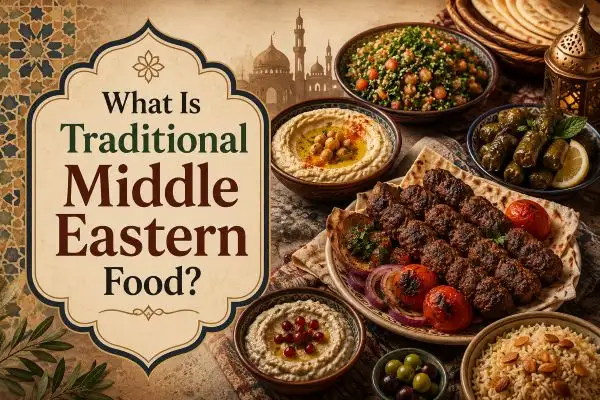
What Is Traditional Middle Eastern Food?
Traditional Middle Eastern food refers to the authentic cuisine and cooking traditions that have developed across the Middle East over many centuries. It features fresh ingredients such as olive oil, rice, chickpeas, herbs, vegetables, and aromatic spices. Popular dishes often include grilled meats, breads, and flavorful salads. These meals are usually prepared using traditional methods and are closely connected to family gatherings, hospitality, and the region’s rich cultural heritage.
- Traditional Middle Eastern food includes the long-established cooking styles and recipes that developed across countries in the Middle East and nearby regions. These dishes reflect centuries of cultural exchange and local traditions.
- Regional diversity plays an important role. Nations such as Saudi Arabia, Jordan, Lebanon, Syria, Iraq, the United Arab Emirates, Iran, and Türkiye each offer unique recipes while sharing many common ingredients and cooking methods.
- Fresh and natural ingredients are the foundation of this cuisine. Olive oil, chickpeas, lentils, rice, yogurt, dates, nuts, garlic, onions, herbs, and seasonal vegetables are widely used in daily cooking.
- Meat and seafood also have an important place. Lamb and chicken are popular in many dishes, while fish and seafood are commonly enjoyed in coastal areas.
- Slow cooking techniques help develop rich flavors and tender textures. Many meals are prepared with patience and traditional methods passed down through generations.
- Family and hospitality remain central values, making Middle Eastern cuisine a symbol of togetherness, tradition, and wholesome eating.
The Rich History of Traditional Middle Eastern Food
The history of Traditional Middle Eastern Food stretches back thousands of years, making it one of the world’s oldest culinary traditions.
Ancient civilizations that flourished in Mesopotamia, Persia, the Levant, and the Arabian Peninsula developed farming techniques that transformed daily life. Wheat, barley, dates, figs, olives, and grapes became dietary staples, while sheep and goats provided milk and meat.
As merchants traveled along historic trade routes, they introduced spices such as cinnamon, cumin, saffron, cardamom, and black pepper. These ingredients blended with local produce to create flavorful dishes that are still enjoyed today.
Throughout history, empires including the Persians, Ottomans, and Arabs exchanged culinary ideas, resulting in a diverse cuisine that balances simplicity with remarkable depth of flavor.
1. Traditional Middle Eastern Food Has Thousands of Years of History
One of the most fascinating facts about Traditional Middle Eastern Food is that its origins date back more than 5,000 years, making it one of the world’s oldest culinary traditions. Ancient civilizations in Mesopotamia, Persia, Egypt, and the Levant cultivated wheat, barley, lentils, olives, dates, and herbs that still play a vital role in modern recipes.
Archaeological evidence shows that bread, olive oil, and legumes were everyday staples long before many other regional cuisines developed. Over centuries, trade routes introduced spices such as cumin, cinnamon, cardamom, and saffron, enriching local flavors without replacing traditional cooking methods.
Although recipes have evolved to suit changing tastes, many continue to preserve authentic family techniques passed down through generations. This remarkable blend of history, culture, and timeless ingredients has made Traditional Middle Eastern Food a globally admired cuisine, celebrated for its rich heritage, authentic flavors, and lasting influence on culinary traditions around the world.
2. Fresh Ingredients Are the Foundation of Every Meal
One of the defining characteristics of Traditional Middle Eastern Food is its emphasis on fresh, wholesome ingredients that deliver both exceptional flavor and excellent nutrition. Daily meals often feature seasonal vegetables, fragrant herbs, ripe fruits, whole grains, legumes, olive oil, nuts, and aromatic spices.
Staples such as chickpeas, lentils, tomatoes, cucumbers, parsley, mint, garlic, and lemons create colorful, balanced dishes packed with natural goodness. Rather than relying on heavily processed foods, traditional recipes highlight the freshness of each ingredient.
This commitment to quality has helped Traditional Middle Eastern Food earn worldwide recognition as a delicious, nutritious, and timeless cuisine enjoyed across generations.
Common ingredients include:
- Chickpeas
- Lentils
- Olive oil
- Parsley
- Mint
- Tomatoes
- Cucumbers
- Garlic
- Lemons
- Tahini
- Yogurt
- Dates
These ingredients not only enhance flavor but also provide vitamins, minerals, fiber, and healthy fats that support overall well-being.
3. Bread Is More Than Food—It’s Part of the Culture
In Traditional Middle Eastern Food, bread is far more than a daily staple—it represents culture, hospitality, and togetherness. Freshly baked flatbreads are served with almost every meal and are commonly used to scoop dips, salads, rice, and slow-cooked stews, creating a shared dining experience.
Popular varieties such as pita, lavash, taboon, and saj bread have been baked for centuries using traditional methods that preserve their authentic flavor and texture. In many households, bread is still prepared by hand, reflecting family traditions passed down through generations.
Offering bread to guests is considered a meaningful gesture of generosity, respect, and friendship, making it an essential part of social gatherings and celebrations. Rich in history and tradition, bread remains one of the defining elements of Traditional Middle Eastern Food, connecting people through timeless recipes, cultural heritage, and the enduring values of community and hospitality.
4. Spices Create Rich Flavor Without Overpowering the Food
One of the reasons Traditional Middle Eastern Food is admired around the world is its skillful use of aromatic spices to create depth, balance, and unforgettable flavor. Rather than relying on excessive heat, traditional recipes combine spices such as cumin, coriander, cinnamon, cardamom, turmeric, paprika, sumac, and za’atar to enhance the natural taste of fresh ingredients.
Each spice is carefully measured to add warmth, fragrance, and complexity without overwhelming the dish. These unique spice blends have been perfected over centuries and remain an essential part of Middle Eastern cooking traditions.
Whether seasoning grilled meats, rice dishes, soups, or vegetable-based meals, the spices create colorful, flavorful recipes that appeal to a wide range of tastes. This balanced approach is one of the defining characteristics of Traditional Middle Eastern Food, making every meal both comforting and memorable while preserving the authentic culinary heritage of the region.
5. Family Meals Are an Important Tradition
One of the most cherished aspects of Traditional Middle Eastern Food is the strong emphasis on family, hospitality, and togetherness. In many Middle Eastern cultures, meals are more than a time to eat—they are meaningful occasions where relatives, friends, and neighbors gather to celebrate special moments and strengthen lifelong relationships.
Large platters of rice, grilled meats, fresh salads, and homemade bread are often placed in the center of the table, encouraging everyone to share the meal. Welcoming guests with generous portions and offering additional servings is a long-standing tradition that symbolizes kindness, respect, and gratitude.
These shared dining experiences help preserve cultural values while passing family recipes from one generation to the next. The warm spirit of hospitality is one of the reasons Traditional Middle Eastern Food is admired worldwide, combining authentic flavors with a deep sense of community, generosity, and timeless cultural heritage.
6. Healthy Ingredients Make This Cuisine Naturally Nutritious
One of the greatest strengths of Traditional Middle Eastern Food is its focus on fresh, nutrient-rich ingredients that support a healthy lifestyle. Many classic recipes feature colorful vegetables, legumes, whole grains, olive oil, nuts, seeds, and lean proteins such as chicken, fish, and lamb.
Chickpeas, lentils, beans, and yogurt provide excellent sources of protein, fiber, vitamins, and essential minerals, while olive oil contributes heart-healthy fats. Fresh herbs and natural spices add rich flavor without relying on excessive salt or artificial ingredients. This balanced approach creates satisfying meals that are both delicious and nourishing.
Thanks to its wholesome ingredients and time-tested cooking methods, Traditional Middle Eastern Food is widely recognized as one of the world’s healthiest traditional cuisines, offering a perfect combination of authentic taste, balanced nutrition, and lasting wellness benefits.
These wholesome ingredients provide:
- Dietary fiber
- Plant-based protein
- Heart-healthy fats
- Antioxidants
- Essential vitamins and minerals
Because many dishes rely on fresh produce rather than heavily processed ingredients, Traditional Middle Eastern Food fits well into a balanced lifestyle while remaining delicious and satisfying.
7. Every Middle Eastern Region Showcases Its Own Distinct Culinary Identity
One of the most fascinating features of Traditional Middle Eastern Food is its remarkable regional diversity. Although countries across the Middle East share many culinary traditions, each region has developed unique recipes shaped by its geography, climate, local ingredients, and cultural heritage.
Coastal areas are well known for fresh seafood dishes, while inland communities often specialize in grilled meats, aromatic rice dishes, hearty stews, and slow-cooked lamb. Mountain regions frequently use dairy products, herbs, and locally grown vegetables to create distinctive flavors.
Traditional spices and cooking techniques also vary from one country to another, giving every meal its own character. This rich variety allows travelers and food lovers to experience something new with every destination.
The regional diversity of Traditional Middle Eastern Food is one of the key reasons it continues to gain worldwide popularity, offering an authentic blend of history, culture, and unforgettable flavors in every bite.
8. Time-Honored Family Recipes Preserve Culinary Heritage Across Generations
One of the most meaningful aspects of Traditional Middle Eastern Food is the way treasured recipes are passed from one generation to the next. In many families, cooking is a shared tradition where grandparents, parents, and children prepare meals together, preserving techniques that have been perfected over centuries.
Instead of relying solely on written recipes, younger family members learn by watching and practicing how to knead dough, prepare aromatic spice blends, marinate meats, and cook festive dishes with care and patience. These family traditions help protect the authenticity of regional cuisine while strengthening cultural identity and family bonds.
Even as modern cooking methods become more common, many households continue to honor these time-tested practices. By preserving authentic flavors and traditional cooking skills, Traditional Middle Eastern Food remains a living culinary heritage, connecting past and present through recipes that continue to bring families and communities together around the dining table.
9. Middle Eastern Desserts Reflect a Rich Sweet Tradition
Desserts hold a special place in Traditional Middle Eastern Food, bringing sweetness and celebration to family gatherings, religious festivals, weddings, and other important occasions. Many traditional sweets are prepared using natural ingredients such as honey, dates, pistachios, walnuts, almonds, sesame, rose water, and orange blossom water, creating distinctive flavors and delightful textures.
Popular desserts often combine crisp pastry, fragrant syrups, and premium nuts to produce rich yet balanced treats that have been enjoyed for centuries. These recipes are carefully preserved through generations, reflecting the region’s culinary heritage and cultural identity.
Preparing and sharing desserts is also considered a gesture of hospitality and generosity, making guests feel welcomed and valued. Today, these timeless sweets continue to delight people around the world, showcasing the authentic flavors and craftsmanship that make Traditional Middle Eastern Food one of the most respected and beloved culinary traditions across generations.
10. Traditional Middle Eastern Food Continues to Inspire the World
- Global Popularity: Traditional Middle Eastern food has gained international recognition for its rich flavors, fresh ingredients, and deep cultural roots. It is enjoyed in homes and restaurants across many countries.
- Healthy Ingredients: Olive oil, vegetables, legumes, whole grains, herbs, and lean meats make these dishes both nutritious and satisfying.
- Timeless Recipes: Many traditional meals have been passed down through generations, preserving authentic cooking methods and regional flavors.
- Modern Influence: Professional chefs and home cooks often incorporate Middle Eastern ingredients and techniques into contemporary dishes while maintaining their original character.
- Cultural Connection: Shared meals and hospitality remain important values, helping people connect through food and tradition.
- Growing Appreciation: The popularity of balanced eating habits has increased interest in Middle Eastern cuisine and its wholesome recipes.
- Lasting Heritage: Traditional Middle Eastern food continues to preserve centuries-old customs, inspire new culinary ideas, and bring people together through delicious and meaningful meals around the world.
Famous Traditional Middle Eastern Dishes
- Hummus: A smooth and creamy dip made from chickpeas, tahini, olive oil, and lemon juice. It is commonly served with pita bread or fresh vegetables.
- Falafel: Crispy fried balls prepared from chickpeas or fava beans, often enjoyed in wraps, sandwiches, or as a snack.
- Shawarma: Thin slices of seasoned meat, usually chicken, beef, or lamb, roasted slowly and served with bread, vegetables, and sauces.
- Kebab and Kofta: Grilled meat dishes flavored with aromatic spices and herbs, popular across many Middle Eastern countries.
- Tabbouleh and Fattoush: Fresh salads made with herbs, vegetables, and crunchy bread, adding color and balance to meals.
- Baba Ganoush and Dolma: Smoky eggplant dip and stuffed vegetables that showcase traditional cooking methods.
- Mansaf, Maqluba, and Kibbeh: Classic regional dishes featuring rice, meat, and spices that represent the area’s culinary heritage.
These dishes highlight the rich flavors, fresh ingredients, and long-standing food traditions that make Middle Eastern cuisine popular around the world.
Traditional Cooking Methods
Traditional cooking methods are at the heart of Traditional Middle Eastern Food, preserving authentic flavors and culinary traditions that have been passed down for centuries. Rather than relying on modern shortcuts, many recipes are prepared using slow, time-tested techniques that enhance both taste and texture. Grilling over charcoal is a popular method for cooking kebabs, chicken, and vegetables, creating a smoky aroma and tender finish. Slow-cooking stews and rice dishes allows spices, herbs, and fresh ingredients to blend into rich, satisfying flavors.
Baking is another essential technique, especially for preparing pita, lavash, and other traditional flatbreads in stone or clay ovens. Roasting, braising, and steaming are also widely used to maintain the natural taste and nutritional value of meats and vegetables. Fresh herbs, olive oil, garlic, and aromatic spices are carefully added during cooking to create balanced, flavorful meals without overwhelming the ingredients. These traditional cooking methods continue to define Traditional Middle Eastern Food, preserving its rich heritage while delivering wholesome, delicious dishes enjoyed by families around the world.
Conclusion
Traditional Middle Eastern Food is far more than a collection of delicious recipes—it is a living expression of history, culture, hospitality, and shared traditions that have flourished for thousands of years. From ancient civilizations to modern kitchens, this remarkable cuisine has preserved its authentic character through fresh ingredients, fragrant spices, handmade bread, and time-honored cooking techniques. Every dish reflects the values of family, generosity, and community, making each meal a meaningful cultural experience rather than simply a source of nourishment.
Whether you are enjoying creamy hummus, freshly baked pita, aromatic rice dishes, grilled meats, or traditional desserts, every bite tells a story of centuries-old culinary craftsmanship. The combination of wholesome ingredients, balanced nutrition, and unforgettable flavors continues to make Traditional Middle Eastern Food one of the world’s most admired cuisines. As global interest in healthy, authentic, and sustainable eating grows, this timeless culinary tradition remains more relevant than ever. Exploring Traditional Middle Eastern Food is not only a journey through exceptional flavors but also an opportunity to discover one of humanity’s richest and most enduring cultural heritages that continues to inspire food lovers across the globe.
FAQ – Traditional Middle Eastern Dishes
1. What are Traditional Middle Eastern dishes? Traditional Middle Eastern dishes are authentic recipes from countries such as Lebanon, Syria, Jordan, Iraq, Iran, Turkey, and the Arabian Peninsula. They include meals made with fresh vegetables, grains, legumes, meats, herbs, and aromatic spices that reflect centuries of culinary heritage.
2. What are the most popular Traditional Middle Eastern dishes? Some of the most famous dishes include hummus, falafel, shawarma, kebab, kofta, tabbouleh, baba ganoush, maqluba, mansaf, and kibbeh. These dishes are widely loved for their rich flavors and healthy ingredients.
3. Is Traditional Middle Eastern food healthy? Yes, many Traditional Middle Eastern dishes are considered healthy because they use olive oil, vegetables, legumes, whole grains, and lean proteins. The cooking methods also focus on balance and freshness.
4. What Are the Most Popular Spices Used in Traditional Middle Eastern Cooking? Common spices include cumin, coriander, cinnamon, cardamom, turmeric, paprika, sumac, and za’atar. These spices add depth and aroma without making food overly spicy.
5. Why is Middle Eastern food so popular worldwide? Traditional Middle Eastern food is popular due to its bold flavors, healthy ingredients, and cultural richness. Its dishes are both comforting and suitable for modern healthy diets.
6. What makes Middle Eastern cuisine unique? Its uniqueness comes from the combination of ancient cooking traditions, fresh ingredients, regional diversity, and strong cultural values of hospitality and sharing meals.