
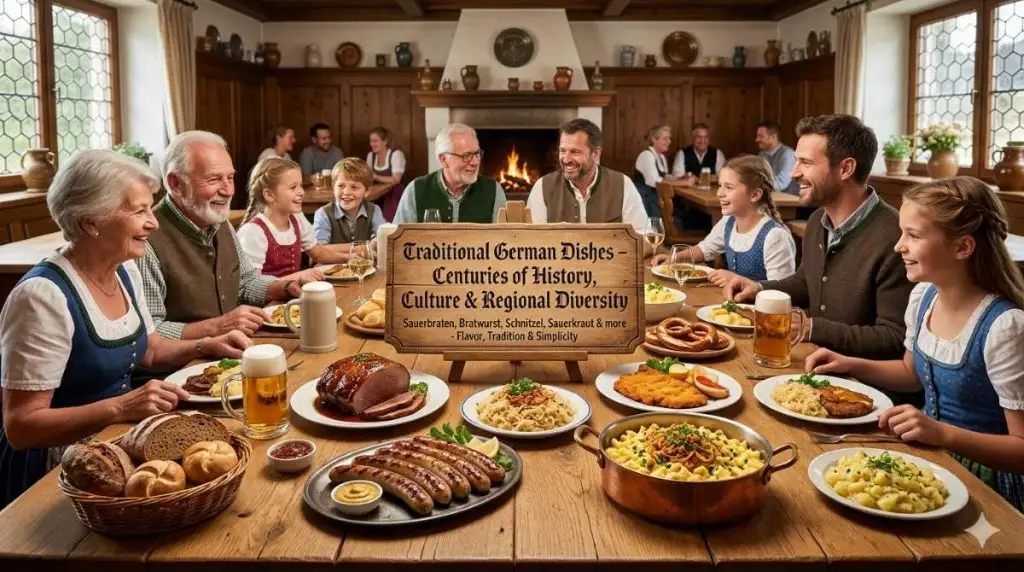
Discover traditional German dishes with authentic flavors, rich history, and must-try recipes in this ultimate 2026 food guide.
Introduction: Traditional German Dishes
German cuisine is one of Europe’s most comforting and flavorful food traditions. Known for hearty meals, fresh bread, rich meats, and delicious desserts, traditional German dishes reflect centuries of culture and regional heritage.
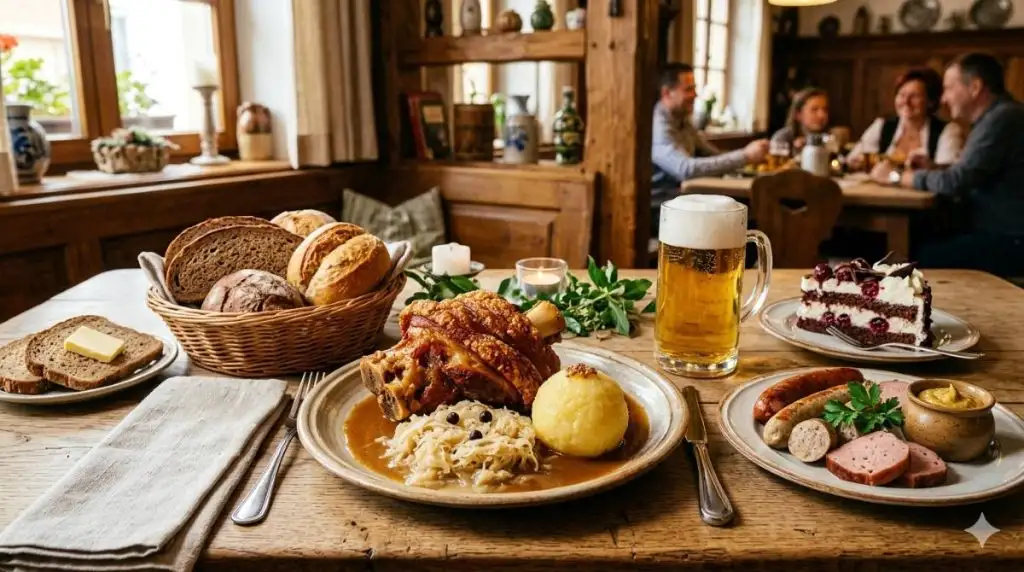
From crispy schnitzel and juicy bratwurst to warm pretzels and famous Black Forest cake, German food offers a perfect mix of simplicity and bold taste.In recent years, food lovers around the world have shown growing interest in authentic German cuisine.
Travelers visiting Germany often search for the best local foods to try, while home cooks look for easy traditional German recipes they can prepare at home. Each region of Germany has its own specialties, making German food culture incredibly diverse and exciting.
This complete guide explores the most famous traditionalGerman dishes, their history, ingredients, and cultural importance. Whether you are planning a trip to Germany or simply want to experience authentic European flavors, these classic German meals deserve a place on your food list.
The Rich History of Traditional German Cuisine
Traditional German food developed over hundreds of years through farming traditions, regional influences, and seasonal cooking.
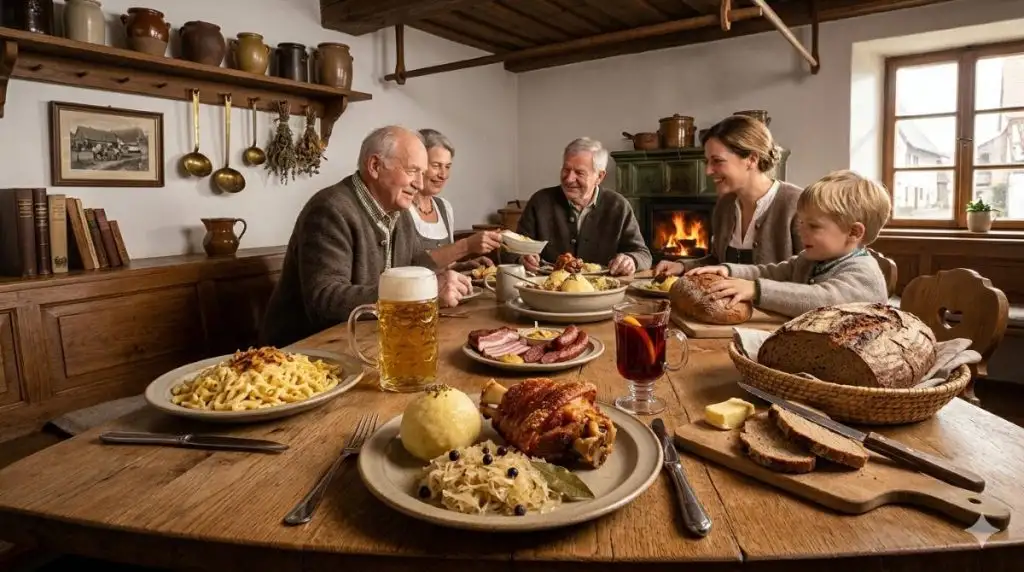
In earlier centuries, German families relied on ingredients that could survive long winters, including potatoes, cabbage, grains, smoked meat, and bread. These ingredients became the foundation of many classic German recipes still enjoyed today.
Germany’s location in central Europe also influenced its cuisine. Neighboring countries such as Austria, France, Poland, and the Czech Republic helped shape regional cooking styles. Southern Germany became famous for sausages, pretzels, and dumplings, while northern regions focused more on seafood and smoked fish.
German cuisine is also closely connected to festivals and family gatherings. Recipes were traditionally passed down from generation to generation, preserving authentic cooking techniques and local flavors. Today, traditional German dishes continue to attract food lovers because they combine rich history with satisfying homemade taste.
Why Traditional German Dishes Are Popular Worldwide
TraditionalGerman dishes have become popular around the world because they combine rich flavor, comforting ingredients, and deep cultural history. German cuisine is known for hearty meals that are both satisfying and easy to prepare at home.

Many classic recipes use simple ingredients like potatoes, bread, cabbage, pork, and cheese, making them affordable and family-friendly. From crispy schnitzel and juicy bratwurst to warm pretzels and sauerkraut, authentic German food offers a unique balance of taste and tradition.
Another reason traditional German cuisine remains globally loved is its influence on international food culture. Famous foods such as hot dogs, hamburgers, sausages, and soft pretzels were inspired by German culinary traditions brought abroad by immigrants.
Today, traditional German dishes continue attracting travelers, food bloggers, and home cooks searching for authentic European comfort food experiences.
1. Sauerbraten – Germany’s Famous Pot Roast
Sauerbraten is one of the most traditional German dishes and is widely known as Germany’s national pot roast. This classic German food is made by marinating beef in vinegar, herbs, onions, and aromatic spices for several days before slow cooking it until tender.
The long marinating process creates a rich, slightly tangy flavor that makes Sauerbraten unique among traditional European meat dishes.
Authentic Sauerbraten is usually served with potato dumplings, red cabbage, and thick homemade gravy, creating a hearty and comforting meal popular across Germany. Food historians believe the recipe dates back hundreds of years, possibly to ancient Roman cooking methods used to preserve meat before refrigeration existed.
Today, Sauerbraten remains a must-try dish for travelers and food lovers exploring authentic German cuisine and traditional Bavarian food culture.
2. Bratwurst – The Iconic German Sausage
Bratwurst is one of the most famous traditional German dishes and a true symbol of authentic German cuisine. Germany is home to more than 1,500 varieties of sausages, but bratwurst remains the country’s most popular and internationally recognized sausage.
Traditionally made from pork, beef, or veal, bratwurst is seasoned with regional spices and grilled until perfectly juicy and flavorful.
This classic German food is commonly served with mustard, crusty bread rolls, potato salad, or tangy sauerkraut. Different regions of Germany have their own bratwurst recipes, giving each version a unique taste and texture.
Bratwurst is especially popular at Oktoberfest celebrations, football events, beer gardens, and German Christmas markets. IIts smoky taste, uncomplicated ingredients, and deep-rooted food heritage make bratwurst an essential dish for anyone discovering authentic German cuisine and traditional food culture.
3. Schnitzel – Crispy and Delicious Comfort Food
Schnitzel is one of the most loved traditional German dishes and a popular comfort food enjoyed across Germany. This classic meal features a thin meat cutlet, usually pork, coated in breadcrumbs and fried until golden, crispy, and flavorful.
While the original schnitzel recipe comes from Austria, German schnitzel has become an important part of authentic German cuisine and everyday dining culture.
The most common version in Germany is pork schnitzel, often served with French fries, potato salad, fresh salad, or lemon slices. Many German restaurants also offer schnitzel with mushroom sauce or creamy gravy for extra flavor.
Its crunchy exterior and tender juicy meat make schnitzel a favorite among both locals and tourists. Today, schnitzel remains one of the best traditional German foods to try for an authentic European food experience.
4. Pretzel (Brezel) – Germany’s Famous Bakery Snack
Pretzel, known in Germany as Brezel, is one of the most iconic traditional German dishes and a famous symbol of German bakery culture.
This soft baked bread is recognized by its unique twisted knot shape, chewy texture, and golden-brown crust topped with coarse salt. Pretzels are widely enjoyed across Germany in bakeries, street markets, beer gardens, and traditional festivals like Oktoberfest.
Authentic German pretzels are often served warm with butter, cheese spreads, mustard, or traditional sausages. In Bavaria, large soft pretzels are commonly paired with white sausage and local beer, creating a classic Bavarian food experience.
Pretzels have been part of traditional German cuisine for centuries and continue to attract food lovers worldwide. Their simple ingredients, rich flavor, and cultural importance make Brezel one of Germany’s most beloved baked foods.
5. Sauerkraut – Traditional Fermented Cabbage
Sauerkraut is one of the most important traditional German dishes, made by naturally fermenting finely shredded cabbage with salt.
This classic German side dish is known for its tangy, slightly sour taste that perfectly complements rich meat-based meals like bratwurst, schnitzel, and roasted pork. Sauerkraut has been part of German cuisine for centuries and remains a staple in many households across the country.
Before modern refrigeration, fermentation was a natural method used to preserve vegetables during long and cold winters. Today, sauerkraut is not only valued for its unique flavor but also for its health benefits.
It is rich in probiotics, vitamins, and nutrients that support digestion and gut health. As a result, sauerkraut continues to be a key part of authentic German food culture and traditional European cuisine.
6. Currywurst – Germany’s Popular Street Food
Currywurst is one of the most iconic traditional German dishes and a must-try street food, especially in Berlin. This popular German fast food consists of sliced pork sausage topped with a flavorful mix of curry ketchup and curry powder, creating a unique sweet, tangy, and mildly spicy taste.
Often served with crispy fries or a bread roll, currywurst is loved for its quick preparation and affordable price.This famous German street food became popular after World War II and quickly spread throughout the country, becoming a cultural symbol of modern German cuisine.
Today, millions of servings are sold every year in street stalls and fast-food shops. For many visitors, enjoying currywurst is considered a must-try experience when discovering genuine German cuisine and traditional local food culture.
7. Schweinshaxe – Crispy Roasted Pork Knuckle
Schweinshaxe is one of the most famous traditional German dishes, especially popular in Bavarian cuisine. This classic meal is made from a pork knuckle that is slow-roasted until the meat becomes tender and juicy while the outer skin turns perfectly crispy and golden brown.
The combination of soft meat and crunchy crackling makes it a standout dish in authentic German food culture.Schweinshaxe is traditionally served with potato dumplings, rich brown gravy, and tangy sauerkraut, creating a hearty and filling meal.
It is especially enjoyed during Oktoberfest and other German festivals, where it represents true Bavarian culinary tradition. Loved by locals and tourists alike, this dish is a perfect example of Germany’s rich meat-based cooking style and remains a must-try for anyone exploring traditional German cuisine.
8. Käsespätzle – Germany’s Comforting Cheese Noodles
Käsespätzle is one of the most comforting traditional German dishes, often compared to macaroni and cheese. This beloved meal from southern Germany is made with soft handmade egg noodles, layered with rich melted cheese, and topped with crispy fried onions.
The result is a warm, creamy, and satisfying dish that perfectly represents authentic German comfort food.Käsespätzle is especially popular in regions like Swabia and Bavaria, where it is commonly served in homes, restaurants, and traditional beer halls. It is also a favorite among vegetarian food lovers because it is hearty without meat.
Simple ingredients, rich flavor, and homemade texture make this dish a true classic of German cuisine. Today, Käsespätzle continues to be enjoyed by locals and tourists looking for authentic traditional German food experiences.
9. Black Forest Cake – Germany’s Famous Dessert
Black Forest Cake is one of the most iconic traditional German dishes in the dessert category and a globally loved sweet treat.
Known in Germany as Schwarzwälder Kirschtorte, this famous cake is made with multiple layers of rich chocolate sponge, fresh whipped cream, and juicy cherries, creating a perfect balance of sweetness and light fruit flavor. Its elegant look and rich taste make it a standout in German bakery culture.
This classic dessert originates from the Black Forest region in southwestern Germany, where it first gained popularity before spreading worldwide. Traditional recipes often include a hint of cherry liqueur, which enhances its deep, authentic flavor.
Today, Black Forest Cake remains a symbol of German dessert tradition and is a must-try for anyone exploring authentic German cuisine and sweets.
10. Stollen – Traditional German Christmas Bread
Stollen is one of the most beloved traditional German dishes in the category of festive sweets and is especially enjoyed during the Christmas season.
This classic German Christmas bread is rich, soft, and filled with dried fruits, nuts, warm spices, and often topped with a generous layer of powdered sugar. Every bite delivers a sweet, buttery flavor that perfectly represents Germany’s winter baking traditions.
Originating centuries ago, Stollen has deep roots in German holiday culture and remains a symbol of Christmas celebrations across the country. It is especially popular at German Christmas markets, where locals and tourists enjoy it with hot drinks during the festive season.
The combination of rich ingredients, soft texture, and traditional preparation methods makes Stollen one of the most iconic seasonal treats in authentic German cuisine and a must-try holiday delicacy.
German Food Culture and Regional Diversity
Traditional German dishes are shaped by strong regional diversity, making German cuisine rich and unique. Each region of Germany has its own cooking style, ingredients, and signature specialties influenced by local traditions, climate, and history.
From Bavarian hearty meals to northern seafood dishes, this variety makes authentic German food culture diverse, flavorful, and highly interesting for food lovers worldwide.
Bavaria
Bavaria is famous for traditional German dishes such as soft pretzels, flavorful sausages, roast pork, and its world-renowned beer culture. This region represents authentic Bavarian cuisine and plays a key role in Germany’s rich food traditions.
Northern Germany
Northern Germany is known for traditional German dishes featuring fresh seafood, smoked fish, and hearty potato-based meals. This coastal region offers simple yet flavorful cuisine shaped by the sea and long-standing culinary traditions of German food culture.
Western Germany
Western Germany is famous for traditional German dishes like Sauerbraten, crispy potato pancakes, and its rich wine culture. This region blends hearty meals with flavorful wines, reflecting authentic German cuisine and long-standing regional food traditions.
Eastern Germany
Eastern Germany is known for traditional German dishes such as hearty stews, rustic meat recipes, and distinct sour-flavored meals. These foods reflect simple, filling countryside cooking shaped by history and local ingredients.
This regional variety makes German cuisine rich, diverse, and exciting, offering travelers and food lovers an authentic taste of Germany’s traditional food culture.
Traditional German Drinks
Traditional German drinks are an essential part of German cuisine and cultural food traditions. Germany is famous for its rich beer heritage, regional apple wine, and seasonal beverages like mulled wine.
These traditional drinks are often enjoyed with classic German dishes, enhancing flavors and creating a complete authentic German food experience loved worldwide.
Beer
Germany is globally renowned for its rich beer culture and traditional brewing heritage. Famous beer festivals like Oktoberfest celebrate this long-standing tradition, making German beer an important part of authentic German cuisine and cultural food experiences worldwide.
Apple Wine
Apple Wine (Apfelwein) is a traditional German drink popular in Frankfurt and western Germany. It has a crisp, slightly sour taste and is often enjoyed in local taverns, making it an important part of authentic German beverage culture.
Mulled Wine
Mulled Wine is a traditional German winter drink made with warm red wine and aromatic spices like cinnamon, cloves, and citrus. It is especially popular at Christmas markets across Germany, where it is enjoyed during cold weather celebrations.
This festive beverage pairs perfectly with traditional German dishes and enhances the overall holiday food experience.
Conclusion
TraditionalGerman dishes represent much more than just food—they reflect centuries of history, culture, and regional diversity.
From hearty meals like Sauerbraten, Bratwurst, and Schnitzel to comforting sides such as Sauerkraut and Käsespätzle, German cuisine offers a perfect balance of flavor, tradition, and simplicity. Each dish carries a unique story shaped by local ingredients, seasonal cooking, and family traditions passed down through generations.
Desserts like Black Forest Cake and Stollen add sweetness to Germany’s rich culinary heritage, while street foods like Currywurst show how traditional flavors continue to evolve in modern life. Drinks such as beer, apple wine, and mulled wine further complete the authentic German food experience.
Whether you are a traveler, food lover, or home cook, exploring traditional German dishes gives you a deeper understanding of Germany’s culture. These timeless recipes continue to attract global attention and remain a favorite in international cuisine.
FAQ – Traditional German Dishes
1. What are traditional German dishes?
Traditional German dishes are classic foods from Germany such as sausages, schnitzel, sauerkraut, pretzels, and hearty meat-based meals that reflect regional culture and history.
2. What is the most famous traditional German dish?
Bratwurst, Sauerbraten, and Schnitzel are among the most famous traditional German dishes enjoyed worldwide.
3. What food is Germany best known for?
Germany is best known for sausages, pretzels, bread varieties, pork dishes, and rich comfort foods.
4. Is German food healthy?
Many traditional German dishes include vegetables, fermented foods, and grains, but some meals can be high in calories and fat.
5. What is Germany’s national dish?
Sauerbraten is often considered Germany’s national dish due to its long history and cultural importance.
6. What desserts are traditional in Germany?
Popular German desserts include Black Forest Cake, Stollen, Berliner doughnuts, and apple strudel.
7. What is typical German street food?
Currywurst, bratwurst, and pretzels are popular traditional German street foods.
8. Why is German food so popular?
German cuisine is popular because it is hearty, flavorful, easy to prepare, and deeply connected to cultural traditions.
9. What is a typical German breakfast?
A traditional German breakfast includes bread rolls, cheese, cold cuts, jam, eggs, and coffee.
10. Are traditional German dishes spicy?
No, most traditional German dishes are mild and focus on savory, rich, and balanced flavors rather than spice.