
Trump Israel warning highlights rising tensions as Israel urged to avoid Iranian energy strikes. Discover 5 dangerous developments shaping this crisis.
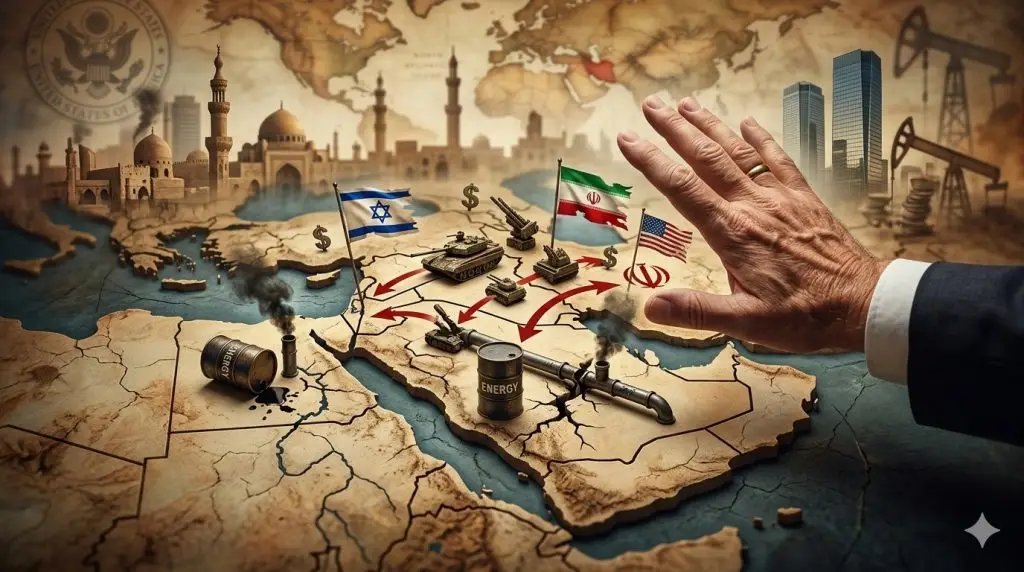
The geopolitical landscape of the Middle East has once again entered a period of heightened uncertainty following a dramatic escalation involving Israel, Iran, and global diplomatic actors. At the center of this unfolding crisis is Donald Trump, who has reportedly urged Israel to refrain from launching further attacks on Iranian energy infrastructure. His warning comes amid growing fears that continued strikes could trigger a wider regional conflict with severe economic and humanitarian consequences.
This development highlights the fragile balance of power in the region, where military actions, political rhetoric, and economic interests intersect in complex and often unpredictable ways. As tensions rise between Israel and Iran, the stakes have expanded beyond bilateral hostilities to encompass global energy markets, international diplomacy, and regional stability.
Rising Tensions and the Latest Escalation
The current crisis did not emerge overnight. Instead, it is the result of years of mounting hostility between Israel and Iran, punctuated by periodic confrontations, covert operations, and proxy conflicts. However, the latest escalation represents a significant shift, particularly due to the targeting of energy infrastructure—an area long considered a red line because of its global implications.
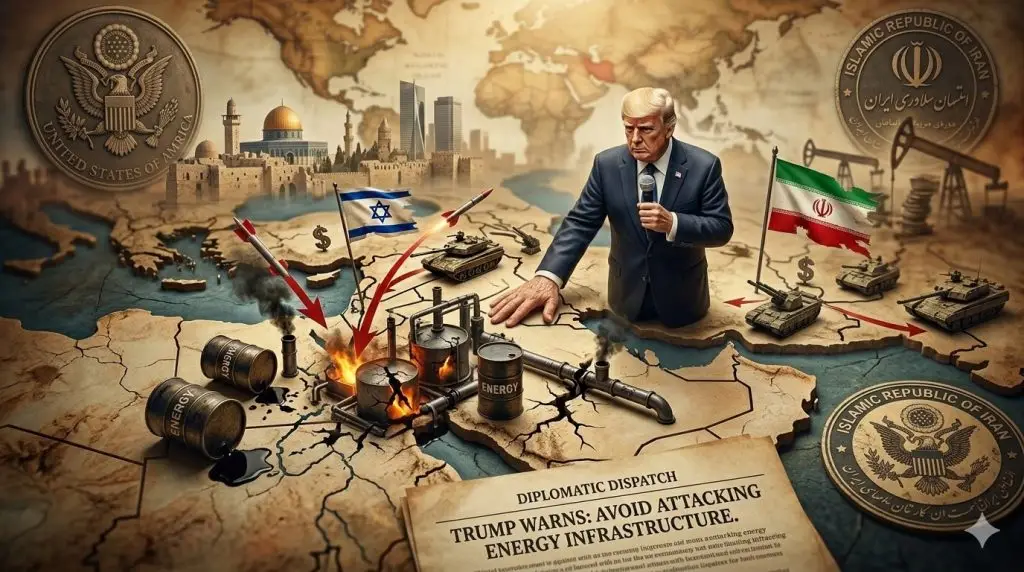
Reports indicate that Israeli forces recently conducted precision strikes against Iranian-linked facilities associated with oil production and export operations. These sites are critical to Iran’s economy, as energy exports remain one of the country’s primary sources of revenue despite ongoing sanctions.
The strikes caused significant disruption, damaging key installations and raising concerns about supply chain interruptions. In response, Iran condemned the attacks as acts of aggression and vowed retaliation, further intensifying fears of a cycle of escalation.
It is within this volatile context that Donald Trump stepped in with a public and direct message to Israeli leadership: avoid repeating such strikes, particularly those targeting energy infrastructure.
Trump’s Warning: A Strategic Calculation
Trump’s statement urging restraint reflects a broader strategic calculation rather than a simple diplomatic appeal. While he has historically expressed strong support for Israel, his warning underscores the risks associated with targeting energy facilities in a region that serves as a cornerstone of global oil supply.
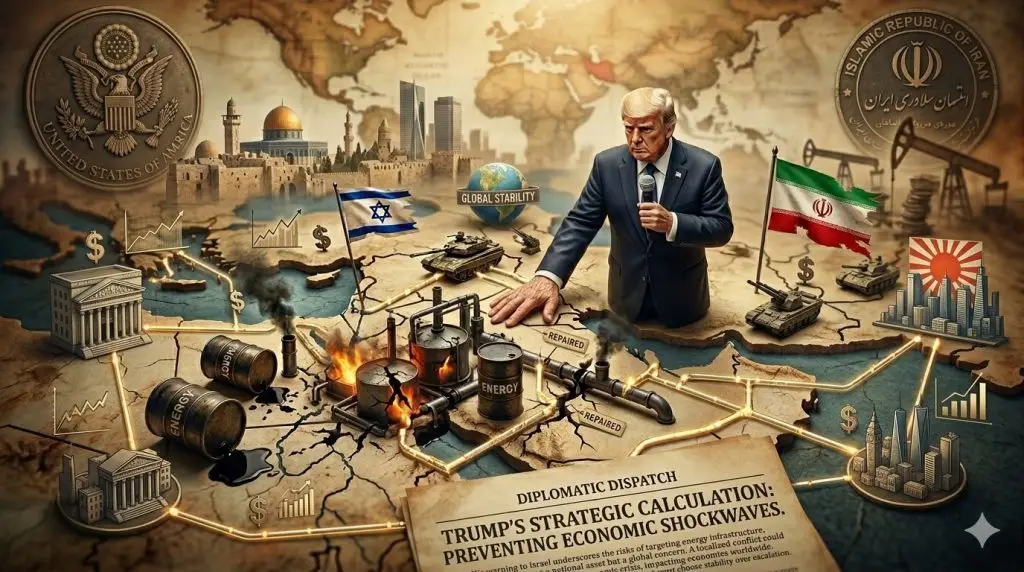
Energy infrastructure is not just a national asset—it is a global concern. Any disruption in Iranian oil production or export capacity has the potential to send shockwaves through international markets, driving up oil prices and affecting economies worldwide.
By advising Israel to avoid further attacks on Iranian energy targets, Trump appears to be signaling a desire to prevent a scenario in which localized conflict escalates into a broader economic crisis. His stance suggests recognition of the interconnected nature of modern geopolitics, where military decisions can have far-reaching financial consequences.
The Strategic Importance of Iranian Energy Assets
Iran’s energy sector plays a crucial role not only in its domestic economy but also in the global energy landscape. The country possesses some of the world’s largest reserves of oil and natural gas, making it a key player in international energy markets.
Facilities involved in extraction, refining, and export are vital components of this system. When these assets are targeted, the impact extends beyond immediate physical damage. It can lead to reduced output, increased transportation risks, and heightened insurance costs for shipping routes.
Moreover, energy infrastructure is often interconnected, meaning that damage to one facility can disrupt operations across an entire network. This amplifies the consequences of any attack and increases the likelihood of prolonged instability.
Trump’s warning reflects an understanding of these dynamics. By discouraging further strikes on such targets, he is effectively advocating for a limitation on actions that could destabilize global energy flows.
Israel’s Security Concerns and Military Strategy
From Israel’s perspective, the strikes are part of a broader strategy aimed at countering Iranian influence in the region. Israeli officials have repeatedly accused Iran of using its resources to support militant groups and expand its military presence through proxies.
In this context, targeting infrastructure linked to Iran’s economic strength can be seen as a means of weakening its capacity to fund and sustain these activities. Israeli leaders argue that such actions are necessary for national security and are conducted with precision to minimize broader impact.
However, the targeting of energy facilities introduces a different dimension to the conflict. Unlike military bases or weapons depots, energy infrastructure has direct implications for civilian populations and global markets. This raises questions about proportionality and the potential for unintended consequences.
Trump’s intervention suggests that even allies may have differing views on where to draw the line in such operations.
Iran’s Response and Regional Implications
Iran’s reaction to the strikes has been swift and forceful. Officials have condemned the attacks as violations of sovereignty and warned that retaliation is inevitable. While the exact nature of any response remains uncertain, analysts suggest that Iran has several options at its disposal.
These could include direct military action, cyberattacks, or increased support for allied groups operating in neighboring countries. Each of these scenarios carries its own risks and could contribute to further escalation.
The broader region is also on edge. Countries across the Middle East are closely monitoring the situation, aware that any expansion of the conflict could have ripple effects on security, trade, and political stability.
Shipping routes, particularly those connected to major oil transit corridors, could become flashpoints if tensions continue to rise. Even the perception of risk can lead to increased costs and disruptions, affecting global supply chains.
Global Economic Impact
One of the most immediate consequences of the crisis has been its impact on global energy markets. News of the strikes and subsequent tensions has already led to fluctuations in oil prices, reflecting investor concerns about potential supply disruptions.
Energy markets are highly sensitive to geopolitical developments, especially in regions like the Middle East. Any indication of instability can trigger rapid price movements, as traders anticipate changes in supply and demand dynamics.
Global leaders have reacted with growing चिंता and renewed appeals to ease tensions. Transportation costs increase, manufacturing becomes more expensive, and inflationary pressures intensify. For countries heavily dependent on energy imports, the impact can be particularly severe.
Trump’s warning can therefore be seen as an attempt to mitigate these risks by encouraging restraint and preventing further actions that could exacerbate market volatility.
Diplomatic Efforts and International Reactions
The international community has responded with a mix of concern and calls for de-escalation. Several countries and organizations have urged both Israel and Iran to exercise restraint and engage in dialogue to resolve their differences.
Diplomatic channels are being explored to prevent further escalation, though progress remains uncertain. The complexity of the situation, combined with deep-seated mistrust between the parties involved, makes resolution challenging.
Trump’s involvement adds another layer to these efforts. As a prominent political figure with influence in international affairs, his statements carry weight and can shape the discourse surrounding the crisis.
However, his position also reflects the broader dilemma facing global leaders: how to balance support for allies with the need to maintain stability and prevent conflict from spiraling out of control.
The Risk of a Wider Conflict
Perhaps the most pressing concern is the possibility that the current crisis could escalate into a wider conflict. The Middle East is a region where local disputes often have broader implications, drawing in multiple actors and creating complex alliances.
If retaliatory actions lead to further military engagements, the situation could quickly become more difficult to contain. This could involve not only Israel and Iran but also other regional and international players.
The involvement of major powers would significantly raise the stakes, increasing the risk of prolonged conflict and widespread disruption. This is precisely the scenario that Trump’s warning appears to be aimed at preventing.
Energy Infrastructure as a Red Line
The focus on energy infrastructure highlights a critical aspect of modern conflict. Unlike traditional military targets, these facilities are deeply integrated into the global economy. Their vulnerability makes them attractive targets, but their importance also makes them highly sensitive.
Attacks on such assets can have consequences that extend far beyond the immediate area, affecting millions of people and multiple industries. This has led many analysts to view energy infrastructure as a de facto red line in international conflicts.
By advising Israel to avoid further strikes in this area, Trump is effectively reinforcing this notion. His message suggests that certain targets should remain off-limits to prevent escalation and protect global stability.
Conclusion: A Fragile Moment in Global Affairs (Trump Israel warning)
The current crisis involving Israel and Iran represents a critical moment in global affairs. It underscores the delicate balance between military strategy, economic interests, and diplomatic efforts.
Donald Trump’s warning to Israel not to repeat strikes on Iranian energy infrastructure reflects a recognition of the high stakes involved. It highlights the need for caution and the importance of considering the broader implications of military actions.
As the situation continues to evolve, the actions of key players will determine whether tensions can be contained or whether they will escalate into a larger conflict. The coming days and weeks will be crucial in shaping the trajectory of this crisis.
For now, the world watches closely, aware that the decisions made in this volatile environment could have lasting consequences for regional stability and the global economy.