
Trump Hormuz warship escort plan faces backlash as key US allies refuse to join naval protection missions in the Strait of Hormuz, raising global shipping security concerns.
Introduction
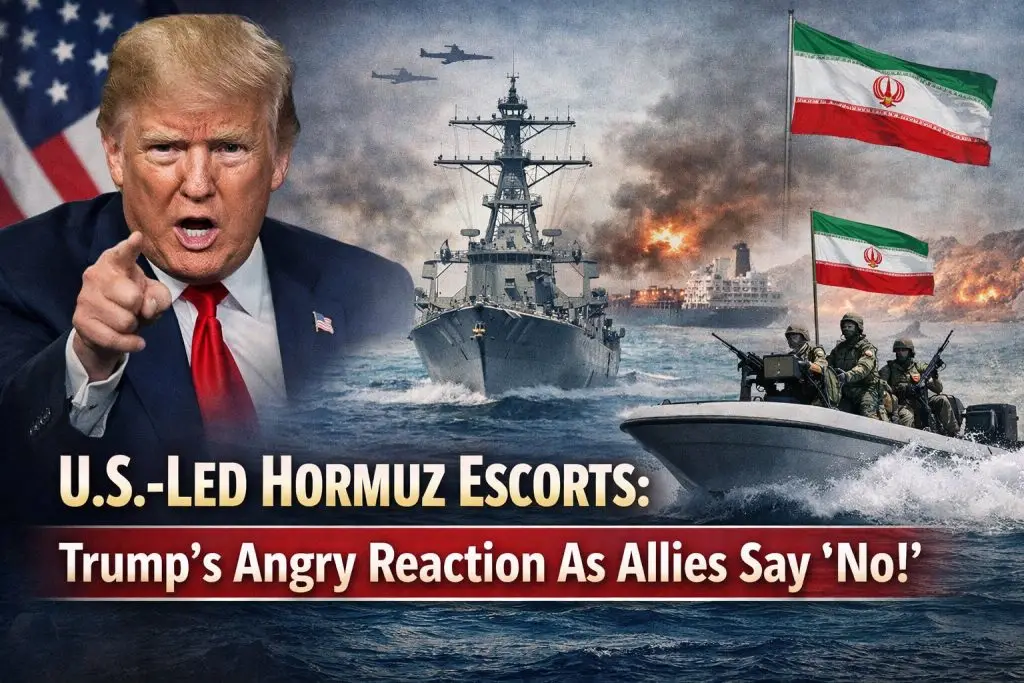
Tensions in the Middle East have once again drawn global attention to the strategic waters of the Strait of Hormuz, one of the world’s most critical maritime chokepoints. Recent developments have sparked controversy after Donald Trump reportedly expressed frustration with several traditional American allies who declined to participate in a U.S.-led plan to escort commercial vessels through the strait with naval warships.
The proposal was designed to increase security in the region amid rising tensions with Iran, which has repeatedly warned that it could disrupt oil shipments if conflicts in the region escalate further. However, the reluctance of key U.S. partners to join the initiative highlights growing divisions among Western and regional allies about how to handle security in the Persian Gulf.
The situation underscores a complex mix of geopolitical interests, economic concerns, and military strategy. It also raises broader questions about the future of international cooperation in safeguarding global trade routes.
The Strategic Importance of the Strait of Hormuz
The Strait of Hormuz is widely considered the world’s most critical oil transportation chokepoint. Located between Iran and Oman, the narrow waterway connects the Persian Gulf to the Gulf of Oman and ultimately to the Arabian Sea.
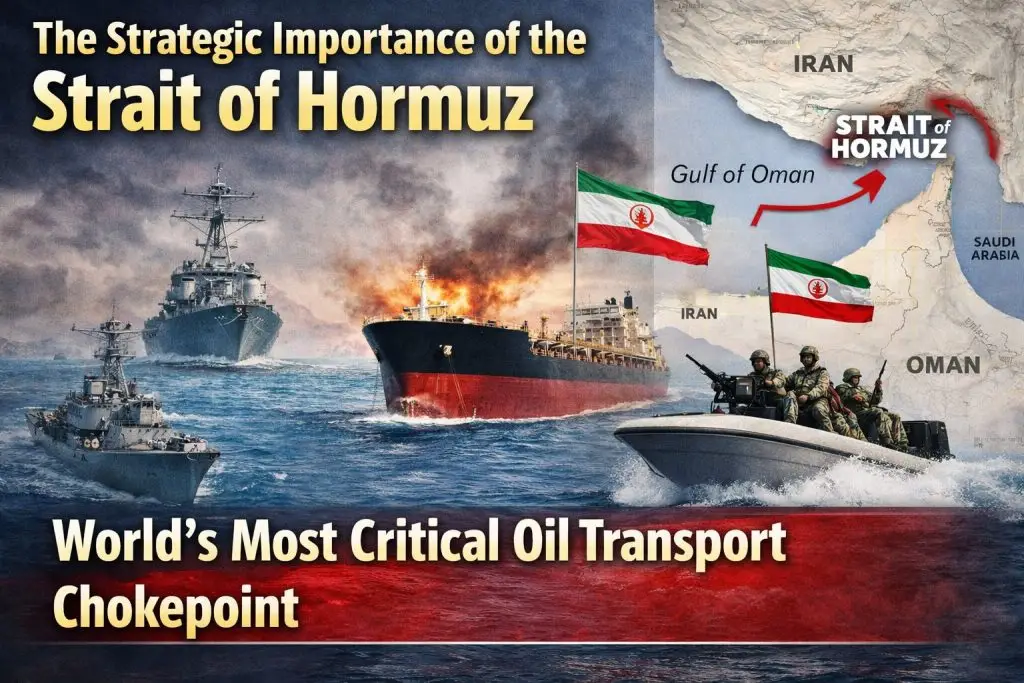
Every day, millions of barrels of crude oil and liquefied natural gas pass through the strait. Energy exporters including Saudi Arabia, United Arab Emirates, Kuwait, and Iraq rely heavily on the route to deliver their energy supplies to global markets.
Because of this massive flow of energy resources, any disruption in the strait can have immediate consequences for global oil prices and international trade. Even small incidents—such as tanker seizures, drone attacks, or naval confrontations—can send shockwaves through global markets.
For decades, the United States Navy and allied maritime forces have patrolled the region to ensure safe passage for commercial ships.
Trump’s Call for a Naval Escort Coalition
During his presidency, Donald Trump repeatedly urged allies to contribute more resources to protect international shipping lanes in the Middle East.
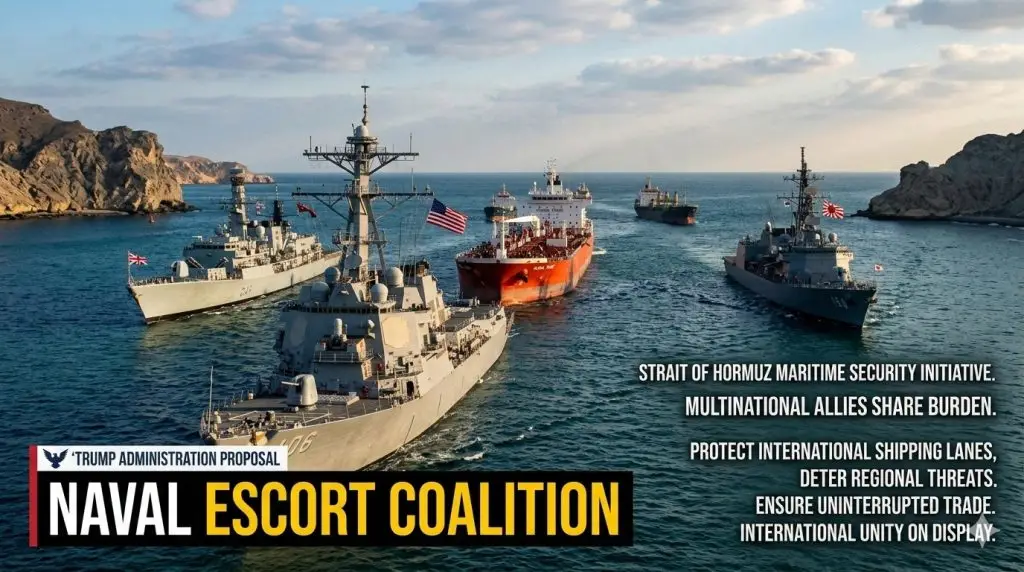
In response to rising threats against tankers in the region, the Trump administration proposed forming a multinational naval coalition tasked with escorting commercial ships through the Strait of Hormuz.
The plan involved warships from several countries escorting tankers and cargo vessels as they moved through the narrow channel. The objective was simple: deter potential attacks and ensure uninterrupted global trade.
Trump argued that many countries benefiting from Gulf oil shipments should share the burden of protecting the route rather than relying almost entirely on the United States.
According to officials at the White House, the initiative aimed to strengthen maritime security while demonstrating international unity against threats to global shipping.
Reluctance from Key U.S. Allies
Despite the proposal’s strategic logic, several major U.S. allies expressed hesitation or declined to participate fully.

Countries including Germany, France, and Japan signaled that they were cautious about sending warships into what could become a rapidly escalating conflict zone.
European governments were particularly concerned that joining a U.S.-led military escort mission might further inflame tensions with Iran. At the time, several European nations were attempting to preserve diplomatic engagement with Tehran following the U.S. withdrawal from the Iran nuclear deal known as the Joint Comprehensive Plan of Action.
Many policymakers in Europe feared that a heavy military presence in the strait could increase the risk of accidental confrontations or unintended escalation.
As a result, some countries instead proposed diplomatic or economic measures aimed at reducing tensions rather than deploying naval forces.
Iran’s Position and Strategic Warnings
From Tehran’s perspective, the presence of foreign warships in the Persian Gulf represents a direct challenge to its sovereignty and security.
Officials from the Islamic Revolutionary Guard Corps have repeatedly warned that increased military activity by Western forces could destabilize the region.
Iran has also stated that if its oil exports are restricted or blocked through sanctions, it could retaliate by disrupting shipping in the Strait of Hormuz.
This threat carries significant weight because of the narrow geography of the strait. In some places, the shipping lanes are only a few kilometers wide, making them vulnerable to mines, missiles, or small fast-attack boats.
Iran’s naval strategy relies heavily on asymmetric warfare tactics designed to counter larger and more technologically advanced naval forces.
Global Economic Stakes
The dispute over naval escorts is not just about military strategy—it also carries enormous economic implications.
Roughly one-third of the world’s seaborne oil travels through the Strait of Hormuz. Any disruption could cause sharp increases in energy prices.
Countries that import large amounts of energy—including China, India, and South Korea—closely monitor developments in the region because their economies depend heavily on stable oil supplies.
Even rumors of potential disruptions have historically triggered sudden spikes in global oil markets.
Energy analysts warn that prolonged instability in the strait could create ripple effects across the global economy, affecting transportation, manufacturing, and consumer prices.
The Burden-Sharing Debate
One of the central issues highlighted by the dispute is the question of burden sharing among U.S. allies.
The Trump administration often argued that American military forces were carrying too much responsibility for protecting global trade routes.
According to Trump’s view, countries that benefit from oil shipments through the Strait of Hormuz should contribute naval resources to safeguard the route.
Critics of the policy, however, argued that the administration’s confrontational approach toward Iran made it more difficult to convince allies to join the initiative.
Some analysts suggested that diplomatic coordination and broader international consultation might have improved the chances of forming a coalition.
Regional Security Dynamics
The Persian Gulf region is already one of the most militarized areas in the world.
The United States Navy maintains a strong presence through the U.S. Fifth Fleet, which is headquartered in Manama.
Meanwhile, regional powers such as Saudi Arabia and the United Arab Emirates operate their own naval forces and cooperate closely with Washington on security matters.
However, the risk of confrontation with Iran remains high due to ongoing political and military tensions.
Incidents involving drone attacks, tanker seizures, and missile launches have repeatedly demonstrated how quickly the situation in the region can escalate.
Diplomatic Efforts to Prevent Escalation
While military preparations often dominate headlines, diplomatic efforts continue behind the scenes.
Several international organizations and governments have encouraged dialogue to reduce tensions in the Gulf.
Countries such as Oman and Qatar have occasionally acted as mediators between Western governments and Iran.
The United Nations has also called for restraint and emphasized the importance of maintaining freedom of navigation in international waters.
Diplomats warn that a single miscalculation—such as an accidental naval clash—could rapidly spiral into a broader conflict involving multiple countries.
Political Reactions Inside the United States
The situation has also sparked debate within the United States itself.
Some policymakers in Washington, D.C. support stronger military measures to deter threats to global shipping.
Others argue that expanding military operations in the Persian Gulf risks entangling the United States in another prolonged regional conflict.
Critics of the escort proposal suggest that diplomatic engagement and economic pressure may be more effective than deploying additional warships.
Supporters, however, believe that a visible naval presence is essential to maintaining stability and deterring hostile actions.
Future Implications for Global Security
The disagreement over escorting ships through the Strait of Hormuz reflects broader changes in global alliances and international security cooperation.
As geopolitical tensions evolve, traditional partnerships sometimes face new challenges.
Allies may share similar interests but differ on how to achieve common goals.
For the United States, maintaining influence in the Middle East increasingly requires balancing military strength with diplomatic coordination.
For other countries, the decision to participate in military operations abroad often involves weighing security commitments against domestic political concerns.
Conclusion: Trump Hormuz warship escorts
The controversy surrounding the proposed naval escort mission in the Strait of Hormuz illustrates how complicated modern international politics has become. The narrow waterway is one of the most important global energy routes, and any tension there quickly attracts worldwide attention. During the debate, Donald Trump strongly advocated for a broader international military effort to protect commercial ships traveling through the region. However, several traditional American allies responded cautiously and hesitated to join the escort mission.
Their reluctance reflected fears that sending additional warships into the area could worsen tensions with Iran, potentially triggering a wider confrontation. Many governments also preferred diplomatic engagement and dialogue over direct military involvement, highlighting differences in strategy among Western partners.
Despite these disagreements, the importance of stability in the strait cannot be overstated. A significant portion of the world’s oil supply passes through this narrow channel, meaning that any disruption could impact global energy markets and economic stability.
Looking ahead, maintaining security in the region will require a careful balance between military preparedness and diplomatic cooperation. World leaders will likely need to combine naval protection, regional dialogue, and international coordination to ensure that ships can continue to travel safely through this critical maritime corridor.