
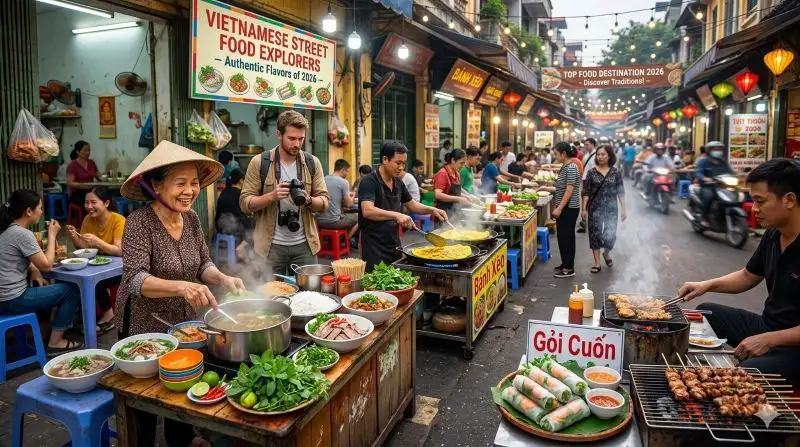
Discover traditional Vietnamese dishes, famous street foods, and authentic flavors that make Vietnam a top food destination in 2026.
Introduction
Vietnam is widely celebrated for its breathtaking landscapes, vibrant cities, and deeply rooted culinary traditions. Among travelers and food enthusiasts, traditional Vietnamese dishes have earned worldwide recognition for their fresh ingredients, balanced flavors, and unforgettable taste.
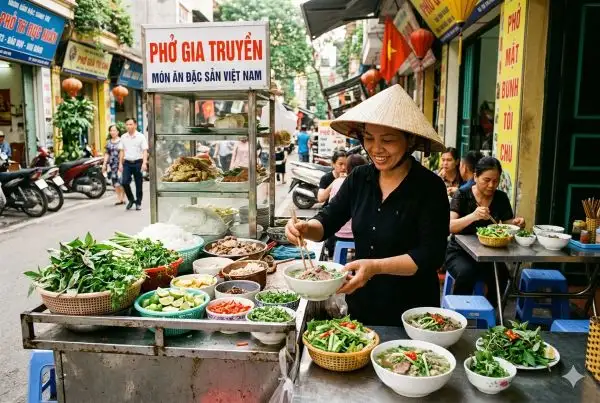
From steaming noodle soups to crispy savory pancakes and aromatic coffee, Vietnamese cuisine offers a rich dining experience that reflects centuries of culture and history.
In 2026, Vietnam continues to attract millions of international visitors searching for authentic food experiences. Vietnam’s food culture is admired for blending nutritious preparation styles with rich taste, aromatic herbs, and fresh regional produce that create vibrant and memorable meals.
Every region of Vietnam has its own cooking style, making the country one of Asia’s most exciting culinary destinations.
Unlike overly heavy meals found in some cuisines, traditional Vietnamese food often feels refreshing and light. Many dishes include fresh vegetables, herbs, rice noodles, seafood, grilled meats, and naturally flavored broths. These ingredients create meals that are satisfying without feeling greasy.
This complete guide explores the history of Vietnamese cuisine, the country’s most beloved dishes, regional specialties, cooking traditions, and why Vietnamese food remains one of the fastest-growing culinary trends around the world.
The History of Traditional Vietnamese Dishes
The story of Vietnamese cuisine began thousands of years ago with agricultural communities living near fertile river deltas. Rice farming became the foundation of daily life, shaping the country’s food culture and cooking traditions.
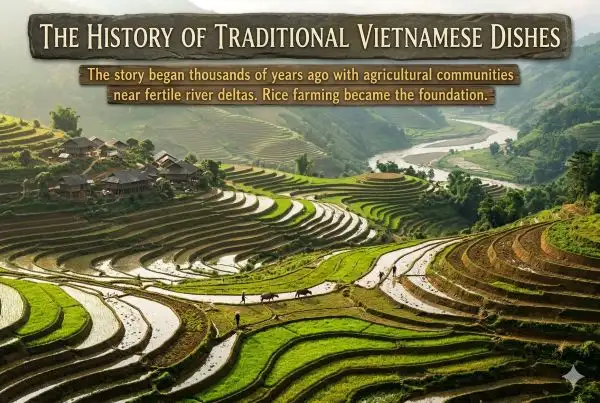
As centuries passed, Vietnam absorbed culinary and cultural inspiration from nearby civilizations and international influences, shaping the country’s diverse and distinctive food traditions.
Chinese culinary traditions introduced noodles, soy-based sauces, stir-frying methods, and the use of chopsticks. Later, French colonial influence brought coffee culture, baguettes, baked goods, and pâté into Vietnamese kitchens.
Rather than simply copying foreign dishes, Vietnamese cooks transformed outside influences into something uniquely local. This blending of traditions helped create famous foods like Banh Mi and Vietnamese-style coffee.
Geography also played an important role in shaping the cuisine. Vietnam stretches from north to south along the coastline, giving each region access to different ingredients and climate conditions. As a result, the flavors of northern, central, and southern Vietnam vary significantly.
Today, authentic Vietnamese cuisine reflects a rich blend of cultural heritage, culinary innovation, and diverse regional flavors that together shape the nation’s unique food identity.
Why Vietnamese Cuisine Is Loved Worldwide
Vietnamese food has become globally popular for many reasons. One of the biggest attractions is the balance of flavors. Vietnamese meals often combine:

- Sweetness
- Saltiness
- Sourness
- Spiciness
- Savory depth
This harmony creates dishes that taste layered and satisfying.
Another reason for its popularity is the use of fresh ingredients. Vietnamese cooks rely heavily on herbs such as mint, cilantro, basil, and lemongrass. These ingredients give meals a refreshing aroma and natural flavor.
Vietnamese cuisine is also known for being healthier than many fast-food alternatives. Traditional recipes usually include grilled meats, clear broths, steamed rice, and fresh vegetables instead of excessive oil or heavy cream.
In addition, Vietnam’s lively street food culture offers affordable and authentic meals prepared fresh in front of customers. Food lovers from around the world visit Vietnam specifically to experience its famous roadside dining scene.
1. Pho – Vietnam’s Legendary Noodle Soup
Pho is Vietnam’s most iconic noodle soup, widely enjoyed for its fragrant slow-cooked broth, silky rice noodles, soft slices of meat, and fresh aromatic herbs that create a deeply comforting and flavorful traditional dish.
Originally created in northern Vietnam, Pho later gained worldwide popularity and became a symbol of authentic Vietnamese cuisine, street food culture, and comforting Asian flavors.
A classic bowl of Pho includes:
- Flat rice noodles
- Slow-cooked broth
- Thin slices of beef or chicken
- Fresh herbs
- Bean sprouts
- Lime wedges
The slow-simmered soup base is the defining element that gives the dish its deep and comforting flavor. Bones are simmered for many hours with cinnamon, star anise, ginger, cloves, and roasted onions. This slow preparation creates a deeply flavorful and aromatic soup.
Northern-style Pho usually has a lighter and cleaner broth, while southern versions are sweeter and served with extra herbs and sauces.
In 2026, Pho remains one of the most searched Asian food dishes online because travelers continue to seek authentic Vietnamese noodle experiences.
2. Banh Mi – Vietnam’s Famous Street Sandwich
Banh Mi is a famous Vietnamese street sandwich combining crispy baguette bread with savory meat, pickled vegetables, herbs, and flavorful sauces. Inspired by French colonial influence, this iconic sandwich perfectly blends European baking traditions with authentic Vietnamese ingredients and bold local flavors.
The sandwich is prepared using a crispy baguette filled with ingredients such as:
- Grilled pork
- Vietnamese sausage
- Pâté
- Pickled vegetables
- Fresh cucumber
- Cilantro
- Chili sauce
Vietnamese bakers developed a lighter baguette by blending wheat flour with rice flour, creating bread that stays crunchy outside and soft inside.
Banh Mi became internationally popular because of its incredible texture and bold flavor combination. The contrast between crispy bread, savory meat, tangy vegetables, and fresh herbs creates a satisfying bite every time.
Today, Banh Mi is considered one of the best street sandwiches in the world.
3. Bun Cha – Hanoi’s Famous Charcoal-Grilled Pork Dish
Bun Cha is a beloved Hanoi specialty featuring smoky grilled pork, soft rice noodles, fresh herbs, and savory dipping sauce. This traditional Vietnamese dish is famous for its balanced flavors, aromatic grilled meat, and authentic street food experience enjoyed by locals and travelers alike.
The dish commonly includes:
- Charcoal-grilled pork patties
- Sliced pork belly
- Vermicelli noodles
- Pickled vegetables
- Fish sauce dressing
The smoky aroma of the grilled meat blends beautifully with the sweet and tangy dipping broth.
Bun Cha gained international attention after Barack Obama enjoyed it during his visit to Hanoi.
Today, this dish remains a favorite among locals and international travelers searching for authentic northern Vietnamese cuisine.
4. Goi Cuon – Fresh Vietnamese Spring Rolls
Goi Cuon, or fresh Vietnamese spring rolls, are healthy and refreshing traditional snacks made with rice paper, herbs, vegetables, noodles, shrimp, or pork. Unlike fried rolls, they offer a lighter texture and fresh flavor, making them popular among health-conscious food lovers and travelers.
Common fillings include:
- Shrimp
- Pork slices
- Vermicelli noodles
- Lettuce
- Mint leaves
- Thai basil
The rolls are usually paired with peanut sauce or fish sauce dip.
Goi Cuon perfectly represents Vietnam’s focus on freshness, balance, and healthy eating. The combination of herbs and vegetables gives the rolls a crisp and refreshing flavor.
These spring rolls are especially popular during warm weather because they feel light yet satisfying.
5. Bun Bo Hue – Bold & Spicy Hue Beef Noodle Soup
Bun Bo Hue is a flavorful traditional Vietnamese noodle soup from Hue, known for its spicy, aromatic broth, beef, pork, and lemongrass. This central Vietnamese specialty offers bold, rich flavors and is loved for its deep taste and authentic regional culinary heritage.
The dish contains:
- Thick rice noodles
- Beef shank
- Pork hock
- Lemongrass
- Chili oil
- Fermented shrimp paste
Compared to Pho, Bun Bo Hue delivers a stronger and more intense flavor profile. The broth is deeply savory with a spicy kick that reflects central Vietnam’s love for bold cuisine.
Food travelers often describe Bun Bo Hue as one of Vietnam’s hidden culinary treasures because it is less internationally famous than Pho despite its incredible flavor.
6. Banh Xeo – Crispy Vietnamese Pancake
Banh Xeo is a crispy Vietnamese savory pancake made with rice flour, turmeric, and coconut milk, filled with shrimp, pork, and bean sprouts. Known for its golden color and crunchy texture, it is a popular traditional street food loved for its rich flavor and freshness.
The batter is prepared with:
- Rice flour
- Coconut milk
- Turmeric powder
The pancake is then filled with:
- Shrimp
- Pork
- Bean sprouts
- Green onions
Its name comes from the sizzling sound produced while cooking the batter on a hot pan.
Banh Xeo is often wrapped in lettuce leaves with herbs before being dipped into a tangy fish sauce mixture.
The crispy exterior combined with fresh vegetables creates a delicious contrast in texture and flavor.
7. Com Tam – Southern Broken Rice Dish
Com Tam is a popular southern Vietnamese comfort food made with broken rice grains, grilled pork, fried egg, pickled vegetables, and fish sauce. Once considered a simple farmer’s meal, it is now a beloved traditional dish enjoyed across Vietnam, especially in Ho Chi Minh City.
A typical Com Tam plate includes:
- Grilled pork chop
- Broken rice
- Fried egg
- Pickled vegetables
- Sweet fish sauce
Despite its humble origins, Com Tam eventually became a beloved everyday meal enjoyed throughout southern Vietnam.
Restaurants serving Com Tam can be found across Ho Chi Minh City, where locals often eat it for breakfast or lunch.
8. Cao Lau – Hoi An’s Historic Noodle Dish
Cao Lau is a unique traditional Vietnamese noodle dish from Hoi An, made with thick chewy noodles, pork, fresh greens, and crispy crackers. This historic specialty reflects ancient trading influences and is known for its distinct texture, rich flavor, and cultural heritage.
This dish combines:
- Thick chewy noodles
- Roasted pork
- Fresh greens
- Crispy rice crackers
- Light broth
Historians believe Cao Lau was influenced by Japanese and Chinese traders who visited Hoi An centuries ago.
The noodles have a distinct texture that sets them apart from other Vietnamese noodle dishes.
Many locals believe authentic Cao Lau can only be prepared using water from traditional wells in Hoi An.
9. Cha Ca – Turmeric Fish with Herbs
Cha Ca is a traditional Hanoi specialty made with marinated fish cooked with turmeric, dill, garlic, and herbs. This flavorful Vietnamese dish is served with noodles and peanuts, offering a rich aroma, unique taste, and authentic northern culinary experience loved by food enthusiasts.
The fish is seasoned with:
- Turmeric
- Garlic
- Dill
- Fish sauce
It is served with rice noodles, roasted peanuts, green onions, and dipping sauce.
The fragrant aroma of dill and turmeric gives Cha Ca a unique identity within Vietnamese cuisine.
This dish is often prepared tableside, creating an interactive dining experience for guests.
10. Vietnamese Coffee – A Rich Cultural Tradition
Vietnamese coffee is a strong, flavorful traditional drink made using slow drip brewing and often mixed with condensed milk or egg. Famous worldwide, it reflects Vietnam’s rich coffee culture, unique preparation style, and social café tradition loved by locals and international visitors.
Popular coffee styles include:
- Iced milk coffee
- Egg coffee
- Coconut coffee
- Traditional black drip coffee
Vietnamese coffee is usually brewed slowly through a metal filter placed directly over the cup. The result is a rich and concentrated drink with bold flavor.
Egg coffee, especially popular in Hanoi, combines whipped egg yolk with sweetened condensed milk to create a creamy beverage similar to dessert.
Coffee shops throughout Vietnam play an important role in social life, where friends and families gather to relax and talk for hours.
Regional Differences in Vietnamese Cuisine
Vietnamese cuisine varies greatly across different regions, with northern dishes offering lighter flavors, central foods featuring spicy and bold seasonings, and southern meals including sweeter ingredients and fresh herbs. This regional diversity makes traditional Vietnamese dishes rich, unique, and exciting for travelers and food lovers.
Northern Vietnam
Northern dishes focus on subtle and balanced flavors. Meals are usually less sweet and less spicy.
Popular northern foods include:
- Pho
- Bun Cha
- Cha Ca
Central Vietnam
Central Vietnamese cuisine is famous for stronger spice levels and rich flavors.
The region’s imperial history also influenced decorative food presentation and complex recipes.
Southern Vietnam
Southern dishes are sweeter and often include coconut milk, tropical fruits, and abundant fresh herbs.
Seafood and rice-based dishes are especially common in the Mekong Delta region.
Vietnamese Street Food Culture
Vietnam’s street food culture is one of the country’s most exciting culinary attractions for travelers in 2026. Across busy cities and local neighborhoods, roadside vendors and small family-owned stalls serve freshly prepared traditional Vietnamese dishes using family recipes preserved for generations.
From sizzling grilled meats to aromatic noodle soups and crispy snacks, Vietnamese street food offers affordable prices, authentic flavors, and unforgettable dining experiences that reflect the country’s rich cultural heritage and vibrant food traditions.
Popular street foods include:
- Pho
- Banh Mi
- Sticky rice
- Grilled seafood
- Rice paper snacks
- Fresh spring rolls
Street food in Vietnam is respected because vendors often specialize in perfecting a single recipe for decades.
Travelers visiting Vietnam in 2026 continue to rank Vietnamese street food among the best culinary experiences in Asia.
Essential Ingredients in Vietnamese Cooking
Traditional Vietnamese dishes rely on fresh herbs, rice noodles, fish sauce, lime, chili, garlic, and local vegetables to create balanced and aromatic flavors. These essential ingredients give Vietnamese cuisine its refreshing taste, vibrant appearance, and globally loved culinary identity.
Fish Sauce
This fermented sauce provides salty and savory depth.
Rice Noodles
Rice noodles are essential in soups, salads, and stir-fried dishes.
Fresh Herbs
Mint, basil, cilantro, and lemongrass create fresh aromas.
Lime
Lime juice adds brightness and balance.
Chili
Chili peppers bring heat and complexity.
Rice Paper
Rice paper is used for spring rolls and snacks.
Why Vietnamese Food Is Considered Healthy
Many health-conscious travelers admire Vietnamese cuisine because it focuses on fresh vegetables, aromatic herbs, lean proteins, and lighter cooking techniques. Traditional Vietnamese dishes are often prepared with clear broths, grilled meats, rice noodles, and natural ingredients instead of heavy creams or excessive oil.
This balanced approach creates flavorful meals that feel nutritious, refreshing, and satisfying while supporting a healthier lifestyle and mindful eating habits.
Traditional Vietnamese dishes often include:
- Fresh vegetables
- Lean proteins
- Clear broths
- Grilled seafood
- Fresh herbs
Meals are usually lower in dairy and heavy fats compared to many Western fast foods.
The use of herbs and vegetables also provides vitamins, minerals, and natural antioxidants.
Food Tourism in Vietnam in 2026
Vietnam continues to grow as one of Asia’s leading food tourism destinations in 2026, attracting travelers who want authentic culinary experiences and vibrant street food culture.
Visitors explore local markets, traditional cooking classes, seafood restaurants, and famous noodle shops across the country. Traditional Vietnamese dishes, affordable dining, and rich regional flavors make Vietnam a favorite destination for food lovers seeking cultural experiences through cuisine and local traditions.
Travelers visit the country to enjoy:
- Authentic street food tours
- Traditional cooking classes
- Local seafood markets
- Regional noodle dishes
- Vietnamese coffee culture
Modern Vietnamese chefs are also introducing creative versions of traditional recipes while protecting cultural authenticity.
Sustainable restaurants, organic ingredients, and eco-friendly dining trends are becoming increasingly popular across Vietnam.
Conclusion
Traditional Vietnamese dishes represent far more than delicious meals. They reflect generations of history, cultural exchange, regional identity, and family tradition. From aromatic Pho and crispy Banh Xeo to flavorful Bun Cha and refreshing spring rolls, Vietnamese cuisine delivers an unforgettable balance of taste and freshness.
In 2026, Vietnam remains one of the world’s most exciting food destinations because of its affordable street food, healthy ingredients, and authentic culinary experiences. Every region offers its own specialties, allowing visitors to explore an incredible variety of flavors and cooking traditions.
For anyone who loves food, travel, and culture, traditional Vietnamese cuisine offers a journey worth experiencing.
FAQ About Traditional Vietnamese Dishes
1. What are traditional Vietnamese dishes?
Traditional Vietnamese dishes are authentic meals prepared using fresh herbs, rice noodles, seafood, meats, and aromatic spices that reflect Vietnam’s rich culinary culture and regional traditions.
2. What is the most famous traditional Vietnamese dish?
Pho is the most famous traditional Vietnamese dish worldwide. This flavorful noodle soup is loved for its slow-cooked broth, tender meat, and fresh herbs.
3. Why is Vietnamese cuisine popular around the world?
Vietnamese cuisine is globally admired because of its healthy ingredients, balanced flavors, affordable street food, and refreshing cooking style using herbs and fresh vegetables.
4. Is Vietnamese food considered healthy?
Yes, many traditional Vietnamese dishes are considered healthy because they include fresh vegetables, lean proteins, light broths, and minimal use of heavy oils or dairy products.
5. What are the main ingredients used in Vietnamese cooking?
Common ingredients include fish sauce, rice noodles, lime, chili, garlic, basil, cilantro, lemongrass, shrimp, pork, and fresh local vegetables.
6. What is Vietnamese street food famous for?
Vietnamese street food is famous for authentic flavors, quick preparation, affordable prices, and popular dishes like Banh Mi, Pho, Bun Cha, and spring rolls.
7. What is Banh Mi in Vietnamese cuisine?
Banh Mi is a traditional Vietnamese sandwich made with a crispy baguette filled with meat, pickled vegetables, fresh herbs, and flavorful sauces.
8. Are traditional Vietnamese dishes spicy?
Some Vietnamese dishes can be spicy, especially foods from central Vietnam, but many traditional meals have balanced and mild flavors suitable for most people.
9. Which Vietnamese city is best for food lovers?
Hanoi, Hue, and Ho Chi Minh City are among the best places to explore authentic traditional Vietnamese dishes and local street food culture.
10. Why should travelers try traditional Vietnamese dishes?
Travelers should try traditional Vietnamese dishes because they offer unique flavors, cultural history, fresh ingredients, and unforgettable street food experiences across Vietnam.