
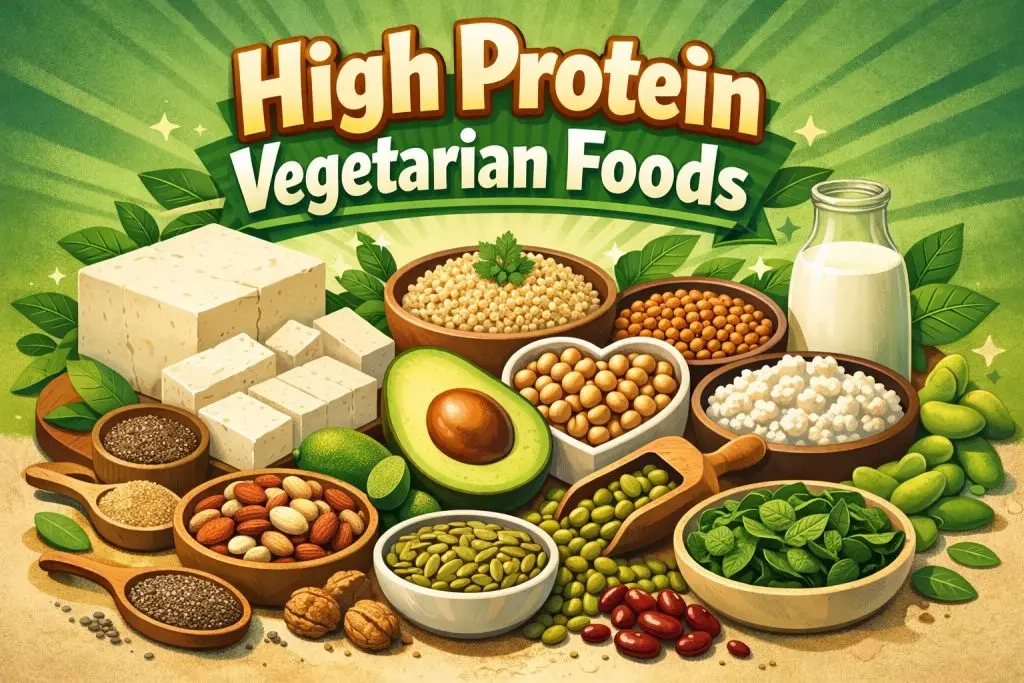
Discover the best 10 high protein Vegetarian Foods for a healthy diet. Boost energy and support weight loss with nutritious plant-based options.
Introduction: High Protein Vegetarian Foods
Eating a healthy diet without meat is completely possible when you choose the right Vegetarian Foods rich in protein and essential nutrients. Protein plays a vital role in muscle development, tissue repair, enzyme production, and immune system support. Unfortunately, many people assume that vegetarian diets cannot provide enough protein for daily needs. In reality, a well-planned vegetarian meal plan can easily meet and even exceed protein requirements while offering additional benefits like higher fiber intake, better digestion, and improved heart health.
This comprehensive guide highlights the best 10 high protein Vegetarian Foods that can strengthen your diet naturally. You will discover their nutritional value, health benefits, and simple ways to include them in everyday meals. Whether your goal is weight management, muscle building, or overall wellness, these plant-based protein sources will help you maintain energy levels and support long-term healthy living without relying on meat-based products.
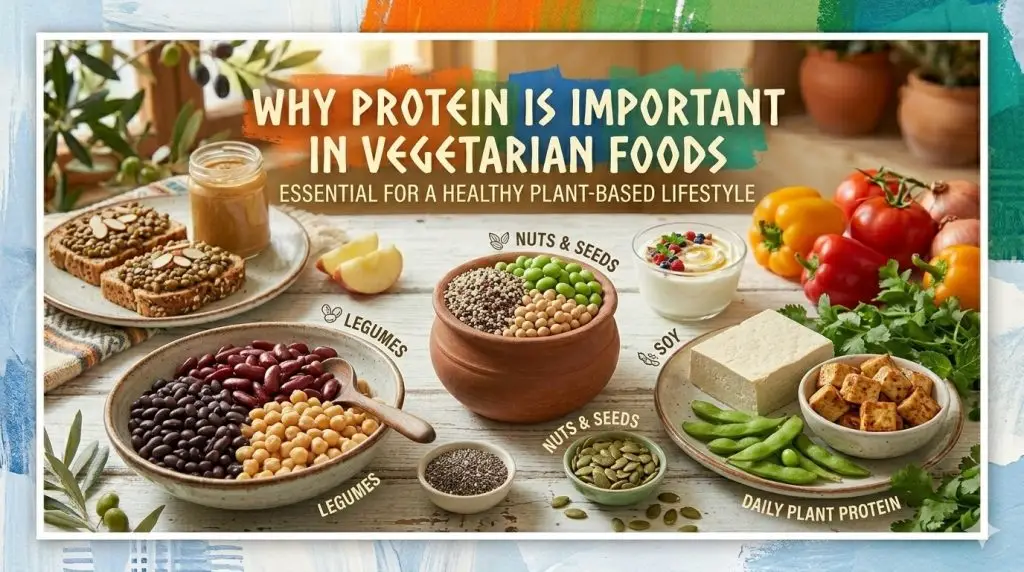
Why Protein Is Important in Vegetarian Foods
Protein plays a vital role in a balanced diet, especially for people who rely on Vegetarian Foods. It supports muscle growth, tissue repair, hormone production, and a strong immune system. Many plant-based foods such as lentils, beans, tofu, and nuts provide high-quality protein that helps maintain overall health and energy levels. Without enough protein, the body may experience weakness, slow recovery, and reduced muscle strength.
Including adequate protein in vegetarian meals improves satiety and helps control hunger. It also supports weight management and stabilizes blood sugar levels. By combining different protein-rich Vegetarian Foods, individuals can ensure they receive all essential amino acids needed for optimal body function and long-term wellness.
Protein plays a key role in:
- Building and repairing muscles – Helps recover muscle tissues and supports growth after physical activity.
- Supporting metabolism – Assists the body in efficiently converting food into energy.
- Strengthening immunity – Contributes to a strong immune system by producing essential protective cells.
- Keeping you full longer – Reduces hunger by increasing satiety and controlling cravings.
- Maintaining healthy skin, hair, and nails – Supports the structure and strength of body tissues for better appearance and health.
For adults, average protein requirements vary depending on age, weight, and activity level. Including protein-rich Vegetarian Foods in every meal ensures balanced nutrition.
1. Lentils (Dal)
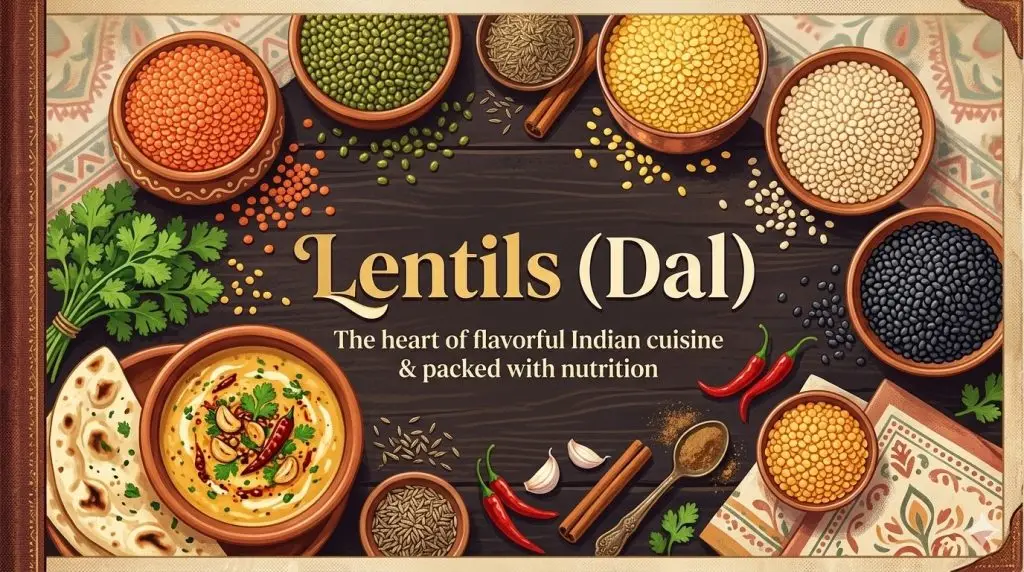
Lentils, commonly known as dal, are among the most powerful and affordable protein-rich Vegetarian Foods available. They provide a good amount of plant-based protein, fiber, iron, and essential nutrients that support overall health. Lentils help improve digestion, control hunger, and maintain steady energy levels throughout the day. They are easy to cook and can be prepared in soups, curries, or mixed with rice. Including lentils regularly in meals supports muscle growth and balanced nutrition.
Protein Content:
It provides around 9 grams of protein in every 100 grams when cooked, supporting daily nutritional needs effectively.
Benefits:
- High in fiber: Improves digestion and supports a healthy gut system.
- Supports digestion: Helps smooth bowel movement and reduces digestive discomfort.
- Keeps you full longer: Increases satiety and reduces frequent hunger cravings.
- Budget-friendly: Affordable and easily available for daily meal preparation.
How to Eat:
- Masoor dal soup: Prepare it as a light and nutritious soup for a healthy meal.
- Moong dal khichdi: Combine lentils with rice for a balanced and filling dish.
- Mixed lentil curry:Cook different lentils together with spices for added flavor and protein.
Lentils are also rich in iron and folate, making them ideal for vegetarians.
2. Chickpeas (Chola)
Chickpeas, locally known as Chola, are highly versatile and nutrient-dense Vegetarian Foods that support a healthy diet. They are rich in plant-based protein, fiber, vitamins, and minerals while containing moderate calories. Chickpeas help improve digestion, control hunger, and stabilize blood sugar levels. They are easy to prepare and can be used in salads, curries, snacks, or blended into hummus. Including chickpeas regularly in meals promotes better weight management and overall nutritional balance.
Protein Content:
About 8–9 grams per 100 grams (cooked).
Benefits:
- Improves heart health: Helps lower bad cholesterol and supports a healthy cardiovascular system.
- Supports weight loss: Promotes fullness and reduces overall calorie intake.
- High fiber content: Aids digestion and improves gut health naturally.
- Stabilizes blood sugar: Prevents sudden sugar spikes and maintains steady energy levels.
How to Include:
- Boiled chola salad: Mix boiled chickpeas with vegetables and spices for a healthy meal.
- Hummus: Blend chickpeas into a smooth dip for snacks or meals.
- Chickpea curry: Cook chickpeas with spices to create a flavorful and protein-rich dish.
They provide both protein and complex carbohydrates for sustained energy.

3. Kidney Beans (Rajma)
Kidney beans, commonly known as Rajma, are excellent high-protein Vegetarian Foods that support overall health and nutrition. They are rich in plant-based protein, fiber, iron, and essential vitamins while containing low fat. Rajma helps improve digestion, control hunger, and maintain steady energy levels throughout the day. It also supports muscle growth and heart health when consumed as part of a balanced diet. Including kidney beans regularly makes meals more nutritious, filling, and beneficial for weight management.
Protein Content:
Around 8 grams per 100 grams (cooked).
Benefits:
- Promotes fullness – Helps reduce hunger by keeping you satisfied for a longer time.
- Rich in antioxidants – Protects cells from damage and supports overall health and immunity.
- Good for digestion – Improves gut function with its high fiber content and prevents constipation.
- Supports muscle maintenance – Provides plant-based protein that helps preserve and strengthen muscle mass.
Best Use:
- Rajma curry – Cook kidney beans with spices to prepare a flavorful and protein-rich main dish.
- Mixed bean salad – Combine kidney beans with other beans and vegetables for a healthy and filling meal.
- Stuffed wraps – Use cooked rajma as a filling inside wraps for a nutritious and convenient option.
4. Soybeans
Soybeans are among the highest protein-rich Vegetarian Foods available and provide complete plant-based protein. They contain essential amino acids, fiber, vitamins, and minerals that support overall health. Soybeans help build and repair muscles, improve digestion, and promote heart health. They are also beneficial for weight management because they keep you full for longer. Including soybeans in daily meals ensures balanced nutrition and strong support for a healthy vegetarian diet.
Protein Content:
Around 16–18 grams per 100 grams (cooked).
Benefits:
- Complete protein source – Provides all essential amino acids needed for proper body function.
- Supports muscle growth – Helps build and repair muscles with high-quality plant-based protein.
- Improves bone health – Supplies calcium and nutrients that strengthen bones and prevent weakness.
- Good for heart health – Contains healthy fats and nutrients that support normal heart function and reduce risk factors.
How to Eat:
- Boiled soybeans – A simple and nutritious way to enjoy soy as a high-protein snack or meal addition.
- Soy curry – Cook soybeans with spices and vegetables to create a flavorful protein-rich dish.
- Soy nuggets – Prepare soy in nugget form for a tasty, crispy, and healthy vegetarian option.
Soy provides all essential amino acids, making it comparable to animal protein.
5. Tofu
Tofu is a popular plant-based protein made from soy milk and widely used in vegetarian diets. It is rich in protein, low in calories, and contains essential nutrients that support overall health. Tofu helps build muscle, improve digestion, and maintain heart health. It easily absorbs flavors, making it suitable for various dishes such as stir-fries, curries, and grilled meals. Including tofu in your diet supports balanced and nutritious eating.
Protein Content:
8–10 grams per 100 grams.
Benefits:
- Low calorie – Provides important nutrients without adding many calories to your daily intake.
- Rich in calcium – Helps strengthen bones and teeth while supporting overall skeletal health.
- Supports muscle repair – Supplies protein that aids in recovery and muscle growth after physical activity.
- Versatile cooking option – Can be prepared in many dishes, absorbing flavors and fitting into different recipes easily.
How to Include:
- Stir-fry tofu – Cook tofu with vegetables and spices for a flavorful and protein-rich meal.
- Grilled tofu – Grill tofu slices for a healthy, crispy texture with fewer added calories.
- Tofu salad – Add tofu to fresh vegetables and dressing to create a light and nutritious dish.
Tofu absorbs flavors easily and works well in many dishes.
6. Greek Yogurt (Vegetarian Dairy Option)
Greek yogurt is a nutritious dairy-based option for lacto-vegetarians and a strong source of protein. It contains more protein and less liquid compared to regular yogurt, making it thicker and more filling. Greek yogurt supports muscle growth, digestion, and gut health due to its probiotics. It is also rich in calcium and essential nutrients, making it a healthy addition to balanced vegetarian meals and snacks.
Protein Content:
10 grams per 100 grams (approx).
Benefits:
- Supports gut health – Promotes a healthy digestive system by improving beneficial gut bacteria.
- High in probiotics – Contains good bacteria that enhance digestion and boost immunity.
- Keeps you full – Increases satiety and helps reduce unnecessary snacking between meals.
- Strengthens bones – Provides calcium and nutrients that support strong bones and teeth.
How to Eat:
- Plain with fruits – Combine it with fresh fruits for a healthy and naturally sweet snack.
- Smoothies – Blend it with fruits and nuts to create a creamy and nutritious drink.
- Breakfast bowl – Use it as a base and add toppings like seeds, honey, and grains for a balanced meal.
Choose unsweetened varieties to avoid extra sugar.
7. Paneer (Cottage Cheese)
Paneer is a popular and widely used staple protein source in vegetarian diets. It is made from milk and is rich in high-quality protein, calcium, and essential nutrients. Paneer supports muscle growth, bone strength, and overall health. It is also filling and helps control hunger, making it useful for weight management. Paneer can be prepared in various dishes, making it a versatile and nutritious food choice.
Protein Content:
14–18 grams per 100 grams.
Benefits:
- High-quality protein – Supplies essential amino acids that support overall body function and growth.
- Rich in calcium – Strengthens bones and teeth while supporting skeletal health.
- Supports muscle mass – Helps maintain and build muscles with consistent protein intake.
- Boosts energy – Provides lasting energy to stay active throughout the day.
Best Use:
- Grilled paneer – Cook paneer on a grill for a healthy, tasty option with less added oil.
- Paneer curry – Prepare paneer with spices and vegetables to create a protein-rich main dish.
- Salad topping – Add paneer pieces to salads to increase protein content and improve flavor.
Eat in moderation due to fat content.
8. Quinoa
Quinoa is a highly nutritious grain and one of the few plant foods considered a complete protein. It contains all essential amino acids needed for proper body function. Quinoa is rich in fiber, vitamins, minerals, and antioxidants while being naturally gluten-free. It supports muscle growth, digestion, and overall health. Including quinoa in meals provides balanced nutrition and helps maintain energy levels throughout the day.
Protein Content:
4–5 grams per 100 grams (cooked).
Benefits:
- Gluten-free – Safe for people with gluten sensitivity while supporting a balanced diet.
- High fiber – Improves digestion and helps maintain steady blood sugar levels.
- Contains all amino acids – Provides complete protein necessary for body growth and repair.
- Supports digestion – Promotes healthy gut function and reduces digestive discomfort naturally.
How to Eat:
- Quinoa salad – Mix quinoa with fresh vegetables and dressing for a healthy, protein-rich meal.
- Quinoa bowl – Combine quinoa with beans, greens, and toppings to create a balanced and filling dish.
- Substitute for rice – Use quinoa instead of rice to reduce calories while increasing protein and fiber intake.
9. Peanuts
Peanuts are affordable and widely available protein-rich Vegetarian Foods that support a healthy diet. They contain high-quality plant protein, healthy fats, fiber, and essential nutrients. Peanuts help increase fullness, improve heart health, and provide long-lasting energy. They are easy to include as a snack, in meals, or as peanut butter. Consuming peanuts in moderation supports weight management and balanced nutrition for overall well-being.
Protein Content:
25 grams per 100 grams (raw).
Benefits:
- Healthy fats – Provide essential nutrients that support brain function and overall body health.
- Energy boosting – Deliver long-lasting energy to keep you active throughout the day.
- Supports heart health – Contains beneficial fats that help maintain healthy cholesterol levels.
- Reduces hunger – Increases fullness and controls cravings to prevent overeating.
How to Include:
- Roasted peanuts – A simple and crunchy snack option that provides protein and healthy fats.
- Peanut butter – A creamy spread rich in protein that pairs well with bread, fruits, or smoothies.
- Snack mix – A balanced combination of peanuts with nuts or seeds for a nutritious and filling snack.
Eat in controlled portions due to calorie density.
10. Almonds
Almonds are nutrient-dense and healthy protein-rich Vegetarian Foods that support overall wellness. They contain plant-based protein, healthy fats, fiber, vitamin E, and essential minerals. Almonds help improve heart health, boost brain function, and promote better skin. They also increase fullness and reduce unhealthy snacking, supporting weight management. Eating almonds in moderation as a snack or meal addition provides long-lasting energy and balanced nutrition.
Protein Content:
21 grams per 100 grams.
Benefits:
- Rich in healthy fats – Provides good fats that support heart health and overall body function.
- Improves brain function – Supplies nutrients that enhance memory, focus, and cognitive performance.
- Supports weight management – Increases fullness and helps control appetite when eaten in moderation.
- High in vitamin E – Protects cells from damage and promotes healthy skin and immune function.
How to Eat:
- Soaked almonds – Soaking improves digestion and makes nutrients easier for the body to absorb.
- Add to oatmeal – Enhances oatmeal with extra protein, healthy fats, and a crunchy texture.
- Blend into smoothies – Adds nutrition and creaminess to smoothies for a healthy and filling drink.
Sample High Protein Vegetarian Diet Plan
Breakfast
- Greek yogurt with almonds
- Boiled chickpeas
Lunch
- Brown rice
- Lentil curry
- Tofu stir fry
Evening Snack
- Roasted peanuts
- Fruit
Dinner
- Quinoa bowl
- Paneer curry
- Mixed salad
This plan balances protein, fiber, and essential nutrients.
Tips to Increase Protein Intake from Vegetarian Foods
- Combine legumes with grains
- Add nuts and seeds to meals
- Choose dairy options wisely
- Include protein in every meal
- Avoid excessive processed vegetarian foods
Common Myths About Vegetarian Protein
Myth 1: Vegetarian diets lack protein.
Truth: Many Vegetarian Foods provide sufficient protein when combined properly.
Myth 2: Plant protein is incomplete.
Truth: Combining foods like rice and lentils provides complete amino acids.
Myth 3: You need supplements.
Truth: Whole food sources are enough for most people.
Benefits of High Protein Vegetarian Foods
- Supports muscle growth
- Helps weight loss
- Improves digestion
- Boosts immunity
- Enhances energy levels
Protein-rich Vegetarian Foods make dieting sustainable and healthy.
Who Should Focus on High Protein Vegetarian Foods?
- Vegetarians and vegans
- Fitness enthusiasts
- Weight loss seekers
- Older adults
- People aiming for healthy lifestyle
Final Thoughts
Choosing the right Vegetarian Foods makes it entirely possible to maintain a high-protein, balanced, and nutritious diet without depending on meat. Foods such as lentils, chickpeas, soybeans, tofu, paneer, yogurt, nuts, and whole grains provide essential amino acids, fiber, vitamins, and minerals that support muscle development, weight control, and overall wellness. These plant-based options not only help meet daily protein needs but also promote better digestion and heart health.
The key to success is maintaining variety, practicing portion control, and planning meals wisely. Combining different protein sources throughout the day ensures your body receives complete nutrition. By regularly including these top 10 high protein Vegetarian Foods in your diet, you can sustain energy levels, strengthen immunity, and support long-term health goals naturally. A well-structured vegetarian diet is both powerful and sustainable for a healthy lifestyle.