

Discover the top 10 amazing Historical Mosques in Bangladesh, showcasing stunning Islamic architecture, rich heritage, and centuries-old spiritual landmarks.
Introduction: Historical Mosques in Bangladesh
Bangladesh is a land steeped in rich culture, history, and architectural marvels, and among its most remarkable treasures are its historical mosques. These sacred structures not only serve as places of worship but also stand as enduring symbols of the country’s Islamic heritage, reflecting centuries of religious devotion, artistry, and craftsmanship. From grand mosques with majestic domes and soaring arches to centuries-old structures adorned with intricate terracotta and stone carvings, these mosques reveal the ingenuity and creativity of Bengal’s past civilizations.
The mosques of Bangladesh are more than just religious sites; they are living testaments to the Bengal Sultanate and Mughal periods, showcasing a unique blend of architectural styles, cultural influences, and local artistry. They continue to attract thousands of worshippers daily, while also drawing tourists, historians, and architecture enthusiasts from around the world who wish to witness their grandeur firsthand.
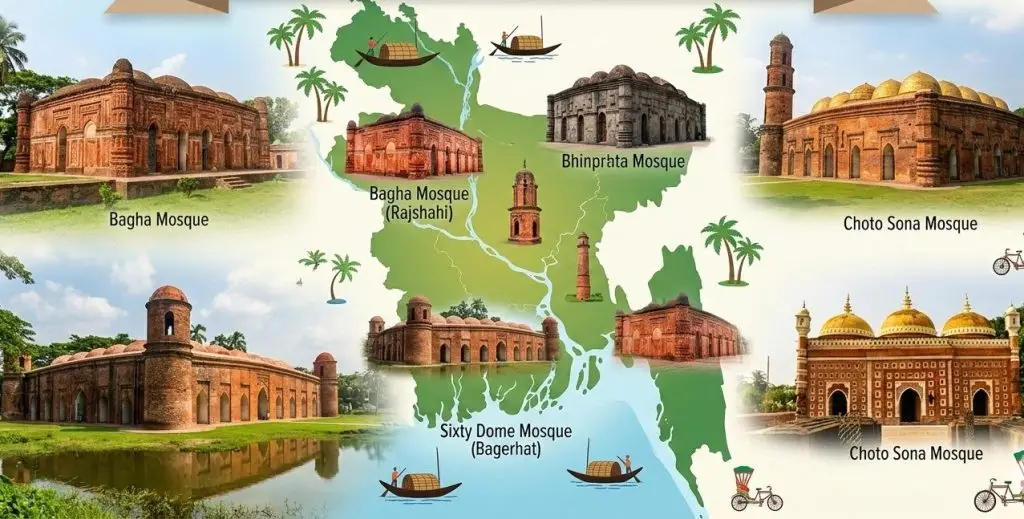
In this article, we will take you on a journey to explore the top 10 amazing historical mosques in Bangladesh, highlighting their historical background, architectural beauty, and cultural significance. Each mosque has its own story to tell, offering a glimpse into the spiritual, artistic, and historical richness that makes Bangladesh a remarkable destination for heritage lovers.
1. Shat Gambuj Masjid, Bagerhat
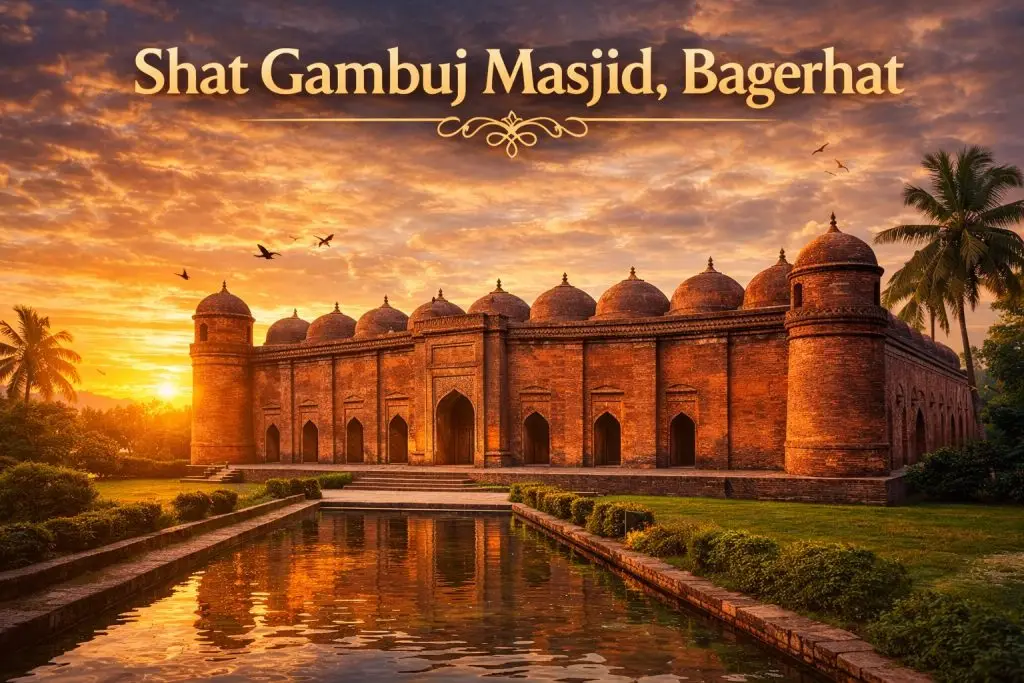
The Shat Gambuj Masjid, popularly known as the Sixty Dome Mosque, is one of the most celebrated historical mosques in Bangladesh and a UNESCO World Heritage Site located in Bagerhat. Constructed in the 15th century by the revered Sufi saint and ruler Khan Jahan Ali, this mosque is famous for its distinctive 60 domes and seven beautifully designed arches. It represents the pinnacle of Bengal Sultanate architecture, showcasing innovative design, symmetry, and structural mastery that has stood the test of time.
Built primarily with bricks and adorned with intricate terracotta decorations, the mosque reflects the artistic craftsmanship of medieval Bengal. Its spacious prayer hall, supported by a series of gracefully carved pillars, creates a serene and majestic atmosphere for worshippers. The mosque’s unique layout, historical significance, and aesthetic beauty make it a must-visit destination for tourists, historians, and architecture enthusiasts, offering a glimpse into the rich Islamic heritage of Bangladesh.
2. Star Mosque (Tara Masjid), Dhaka
The Star Mosque, locally known as Tara Masjid, is one of the most iconic historical mosques in Bangladesh, celebrated for its exquisite beauty and intricate design. Constructed in the early 19th century, this mosque is famous for its dazzling blue and white star-shaped tiles, which decorate the walls, domes, and arches, giving the mosque its distinctive name. These sparkling tiles create a mesmerizing effect under sunlight, making the mosque a visual delight for visitors and photographers alike.
Situated in the historic neighborhood of Armanitola, Dhaka, the mosque reflects a harmonious blend of Mughal and Bengali architectural styles, evident in its elegant arches, domes, and ornamental detailing. The carefully crafted mosaics, floral motifs, and decorative patterns highlight the craftsmanship of the era. Beyond its architectural charm, the Star Mosque serves as an active place of worship, attracting both locals and tourists who come to admire its historical significance, artistic elegance, and spiritual ambiance, making it a must-visit destination in Dhaka.

3. Kantaji Temple-Style Mosque, Dinajpur
Although its design resembles a traditional Hindu temple, the Kantaji Temple-Style Mosque in Dinajpur represents a remarkable fusion of Islamic and Hindu architectural influences. Built during the 18th century, the structure is widely admired for its elaborate terracotta panels and decorative brickwork, which highlight the artistic excellence of craftsmen from that period. The mosque’s exterior is richly embellished with finely detailed carvings that give it a unique visual identity among the historical mosques in Bangladesh.
The decorative terracotta plaques feature a variety of artistic elements, including floral patterns, geometric motifs, and scenes inspired by cultural and religious traditions. These intricate details demonstrate the creativity and skill of local artisans who blended different artistic styles into a harmonious architectural masterpiece. Over the years, the mosque has become an important heritage landmark, attracting historians, architecture enthusiasts, and travelers. Today, it stands as a beautiful example of how art, religion, and history can merge to create a culturally significant monument in Bangladesh.
4. Chhota Sona Mosque, Gaur
The Chhota Sona Mosque, also known as the “Little Golden Mosque,” is one of the most remarkable historical mosques in Bangladesh, situated in the ancient city of Gaur. Built in the early 16th century during the Bengal Sultanate period, the mosque originally featured gold leaf on its domes, giving it a rich and luxurious appearance that earned it the name “Little Golden Mosque.” This architectural gem reflects the grandeur and elegance of medieval Islamic design, combining both aesthetic beauty and spiritual significance.
Even after centuries, the Chhota Sona Mosque continues to captivate visitors with its intricate stone carvings, ornamental terracotta work, and graceful arches. The careful detailing on the walls and domes demonstrates the exceptional craftsmanship of the period and highlights the artistic traditions of Bengal Sultanate architecture. Today, the mosque remains an important site for both worshippers and history enthusiasts, offering a glimpse into the region’s Islamic heritage, architectural innovation, and cultural richness. Its timeless charm makes it a must-visit landmark among Bangladesh’s historical mosques.
5. Bagha Mosque, Rajshahi
The Bagha Mosque, constructed in 1523 by Sultan Nusrat Shah, is one of the finest examples of Bengal Sultanate architecture in Bangladesh. Situated in Rajshahi, this historic mosque is built entirely of brick and showcases multiple domes, high arched entrances, and intricate terracotta motifs that reflect the artistic excellence of the period. Its design highlights both structural ingenuity and aesthetic sophistication, making it a remarkable representation of medieval Islamic architecture.
Beyond its architectural beauty, the Bagha Mosque holds significant cultural and historical importance. It serves as an active place of worship while also standing as a symbol of Rajshahi’s rich heritage. Surrounded by tranquil gardens and open courtyards, the mosque offers a peaceful environment for visitors. Tourists and history enthusiasts are drawn to its elegant design, detailed ornamentation, and serene atmosphere. The Bagha Mosque remains a must-visit destination for anyone exploring historical mosques in Bangladesh, combining spiritual significance with architectural grandeur.
6. Khan Jahan Ali Mosque, Bagerhat
The Khan Jahan Ali Mosque, located in Bagerhat, is another remarkable example of historical mosques in Bangladesh. Built in the 15th century by the renowned Sufi saint and local ruler Khan Jahan Ali, this mosque may be smaller than the famous Sixty Dome Mosque, but it carries equal historical and architectural significance. The mosque is celebrated for its graceful arches, beautifully proportioned domes, and intricate terracotta decorations, reflecting the exquisite craftsmanship of the Bengal Sultanate period.
The mosque’s symmetrical layout and well-balanced design create a sense of harmony and serenity, attracting both worshippers and tourists. The terracotta patterns and carved motifs on its walls demonstrate the advanced architectural techniques and artistic skills of the era. Visitors are often captivated by the mosque’s peaceful ambiance, elegant structure, and historical charm. As a result, the Khan Jahan Ali Mosque stands as a key heritage landmark in Bagerhat, offering insight into the rich Islamic architectural legacy and spiritual history of Bangladesh. Its timeless beauty makes it a must-visit site for history and architecture enthusiasts.
7. Nine Dome Mosque, Bagerhat
The Nine Dome Mosque, locally known as Noy Dome Masjid, is an important part of the historic mosque complex in Bagerhat and stands as one of the most remarkable historical mosques in Bangladesh. Constructed in the 15th century during the Bengal Sultanate era, this mosque is notable for its nine domes arranged in three perfectly aligned rows, reflecting the sophisticated architectural planning and structural ingenuity of medieval Bengal.
The mosque beautifully exemplifies classic Islamic architectural elements, including elegantly arched entrances, finely carved geometric patterns, and intricate terracotta decorations that adorn the walls and domes. Its symmetrical layout, combined with the detailed artistry, creates a serene and majestic atmosphere, making it an architectural gem for visitors and scholars alike.
Over the centuries, the Nine Dome Mosque has remained a significant site for both worshippers and tourists, offering a glimpse into the rich Islamic heritage and cultural history of Bangladesh. Its timeless beauty and historical importance make it a must-visit destination for anyone exploring the legacy of Bangladesh’s ancient mosques.
8. Goaldi Mosque, Dhaka
The Goaldi Mosque, located near Sonargaon in Dhaka, is a modest yet historically significant historical mosque in Bangladesh. Built in the 16th century during the Bengal Sultanate period, this mosque stands out for its distinctive terracotta patterns, intricately carved brickwork, and a single dome, which is characteristic of smaller mosques from that era. Despite its relatively compact size, the mosque showcases the elegance, precision, and craftsmanship of medieval Bengali architecture.
The mosque’s carefully designed terracotta decorations feature floral motifs, geometric patterns, and ornamental arches, reflecting the artistic sensibilities of its builders. Its serene setting and symmetrical layout create a tranquil environment for worshippers and visitors alike. Though it is less famous than the grand Sixty Dome Mosque, the Goaldi Mosque provides valuable insight into the cultural, religious, and architectural traditions of Islamic Bengal. Today, it attracts historians, architecture enthusiasts, and travelers who wish to explore the depth of Bangladesh’s rich Islamic heritage, making it a notable and fascinating landmark among the country’s historical mosques.
9. Saat Masjid (Seven Domed Mosque), Bagerhat
The Saat Masjid, or “Seven Domed Mosque,” is one of the outstanding historical mosques in Bangladesh, located in the historic city of Bagerhat. Constructed in the 15th century, this mosque is celebrated for its seven beautifully proportioned domes, elegant arches, and intricate terracotta decoration, all of which highlight the architectural brilliance of the Bengal Sultanate period. The mosque’s design reflects the era’s emphasis on symmetry, artistry, and functional elegance, making it a significant example of medieval Islamic architecture in the region.
As part of the UNESCO-listed Mosque City of Bagerhat, the Saat Masjid stands alongside other iconic structures such as the Sixty Dome Mosque, forming a remarkable heritage complex that attracts historians, architects, and travelers from across the world. The combination of terracotta artistry, domed ceilings, and carefully crafted arches creates a serene and majestic atmosphere for worshippers and visitors alike. Exploring the Saat Masjid provides a deep insight into the cultural, religious, and architectural legacy of Bangladesh, showcasing centuries of Islamic tradition, craftsmanship, and aesthetic achievement in one remarkable site.
10. Shona Masjid, Chapai Nawabganj
The Shona Masjid, popularly known as the “Golden Mosque,” is a remarkable example of historical mosques in Bangladesh, situated in Chapai Nawabganj near the ancient city of Gaur. Constructed in the 16th century during the Bengal Sultanate period, the mosque originally featured gold-plated domes, which inspired its iconic name. Over time, although the gold covering has faded, the mosque continues to captivate visitors with its architectural splendor and historical significance.
The mosque’s design highlights the exquisite terracotta ornamentation, including detailed floral motifs, geometric patterns, and delicately carved arches. Its multiple domes, symmetrical layout, and elegant facades showcase the advanced craftsmanship and aesthetic vision of medieval Bengali architects. Beyond its visual appeal, the Shona Masjid remains a center of spiritual devotion, drawing worshippers and tourists alike. Today, it stands as a cultural and architectural treasure, offering insight into Bangladesh’s rich Islamic heritage. Its timeless beauty and historical importance make it a must-visit landmark for anyone exploring the country’s remarkable historical mosques.
Why Historical Mosques in Bangladesh Are Important
The historical mosques of Bangladesh are far more than mere places of worship. They stand as living monuments to the nation’s rich Islamic heritage, showcasing centuries of architectural innovation, artistic mastery, and cultural diversity. Each mosque tells a story of devotion, craftsmanship, and the historical evolution of Islamic architecture in the region. From grand domes and elegant arches to intricate terracotta and stone carvings, these mosques reflect the skill and creativity of their builders. Many of these remarkable structures continue to inspire, educate, and attract both worshippers and visitors alike.
- Represent the Bengal Sultanate era’s architectural brilliance: Showcase the innovative design, symmetry, and grandeur of medieval Bengali Islamic architecture.
- Showcase intricate terracotta and stone craftsmanship: Feature finely carved terracotta panels, detailed stonework, and ornamental motifs that highlight artistic mastery.
- Serve as tourist destinations that educate visitors about Islamic history in South Asia: Act as cultural landmarks where travelers learn about centuries of Islamic heritage and traditions.
- Remain active centers of worship, blending tradition with modern spirituality: Continue to host prayers while preserving historic customs and connecting past traditions with present-day spiritual practices.
Visiting these mosques allows travelers to experience Bangladesh’s history firsthand, admire beautiful Islamic art, and connect with centuries-old cultural traditions.
Tips for Visiting Historical Mosques in Bangladesh
Visiting historical mosques in Bangladesh can be a rewarding experience if done respectfully and thoughtfully. Always dress modestly and follow local customs to show respect for the sacred sites. Plan your visit in advance, as some mosques are located in remote areas. Hiring a local guide can help you understand the mosque’s history, architecture, and cultural significance. Be mindful of prayer times, and avoid disrupting worshippers. Many mosques allow photography, but always check first. Respectful behavior ensures a memorable and enriching visit to these architectural and spiritual treasures.
- Dress Modestly: Respect local customs and wear appropriate attire.
- Plan Your Visit: Some mosques are in remote areas, so plan transportation in advance.
- Hire a Guide: Learn more about the history, architecture, and stories behind each mosque.
- Respect Prayer Times: Avoid visiting during prayer sessions unless permitted.
- Photography: Most mosques allow photography, but always check local rules.
FAQ: Historical Mosques in Bangladesh
Q1: What are the most famous historical mosques in Bangladesh?
A1: Some of the most notable mosques include the Sixty Dome Mosque in Bagerhat, Star Mosque in Dhaka, Chhota Sona Mosque in Gaur, and Shona Masjid in Chapai Nawabganj.
Q2: When were these historical mosques built?
A2: Most were constructed during the Bengal Sultanate (15th–16th centuries) and Mughal periods, showcasing medieval Islamic architecture.
Q3: What architectural features do they have?
A3: They often feature domes, arches, terracotta or stone carvings, ornamental tiles, and geometric patterns.
Q4: Can tourists visit these mosques?
A4: Yes, many historical mosques are open to visitors, offering a chance to admire Islamic heritage while respecting prayer times.
Q5: Why are these mosques important?
A5: They represent religious, cultural, and architectural significance, reflecting centuries of Islamic history in Bangladesh.
Conclusion
Bangladesh is a country rich in historical mosques, each reflecting centuries of Islamic faith, architectural brilliance, and artistic expression. These mosques are not merely places of worship; they are enduring symbols of the nation’s cultural heritage and spiritual legacy. From the majestic Sixty Dome Mosque in Bagerhat, with its grand domes and symmetrical arches, to the dazzling Star Mosque in Dhaka, adorned with intricate star-shaped tiles, each structure tells a unique story of craftsmanship, devotion, and history.
Visiting the top 10 historical mosques in Bangladesh allows travelers to experience a journey through time, exploring architectural innovation, artistic detailing, and the deep-rooted Islamic traditions that shaped the region. Whether you are an architecture enthusiast, a history scholar, or a spiritual seeker, these mosques provide insight into the rich cultural and religious tapestry of Bangladesh. Their beauty, historical importance, and spiritual ambiance make them must-visit destinations, offering a fascinating glimpse into the country’s glorious past and enduring heritage.