
Hormuz Crisis deepens as Donald Trump extends deadline, exposing 7 alarming failures in Iran truce talks, raising fears of conflict escalation.
Introduction
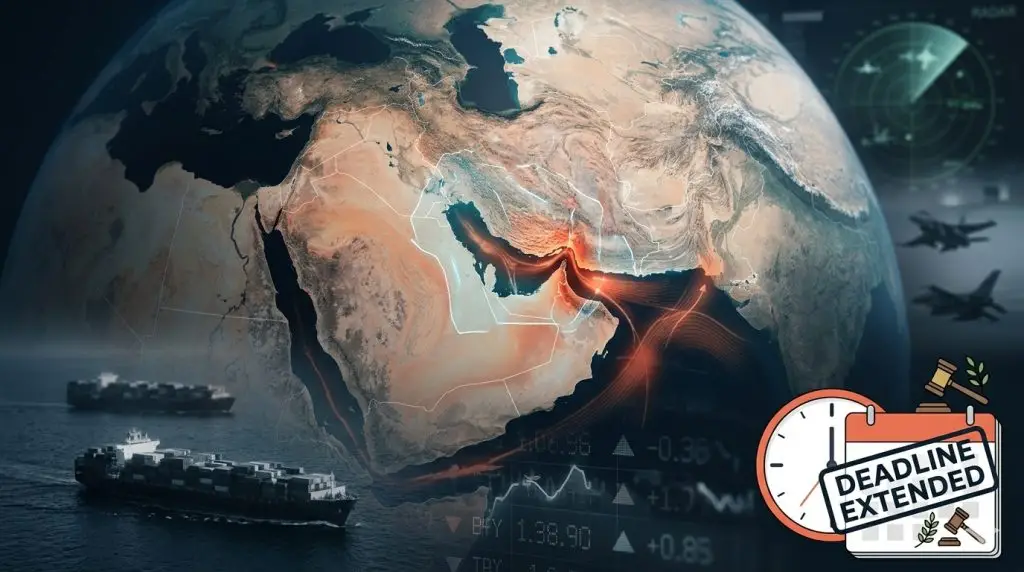
The escalating tensions in the Persian Gulf have once again placed the global spotlight on one of the world’s most strategic waterways—the Strait of Hormuz. In a move that has sparked widespread concern, Donald Trump has extended the deadline for Iran to comply with U.S. demands to reopen the strait and move toward a ceasefire agreement. While the extension was presented as a diplomatic opportunity, the lack of tangible progress suggests a far more troubling reality.
Behind the headlines lies a complex and dangerous standoff marked by military escalation, economic disruption, and diplomatic gridlock. The decision to delay decisive action has raised serious questions about the effectiveness of current strategies and the likelihood of achieving peace in the near future.
This in-depth report examines the evolving Hormuz crisis, the reasons behind the stalled negotiations, and the broader implications for global stability.
Understanding the Strategic Importance of the Strait of Hormuz
The Strait of Hormuz is not just a narrow stretch of water—it is the lifeline of global energy supply. Connecting the Persian Gulf to the Arabian Sea, this vital passage handles nearly one-fifth of the world’s oil shipments.
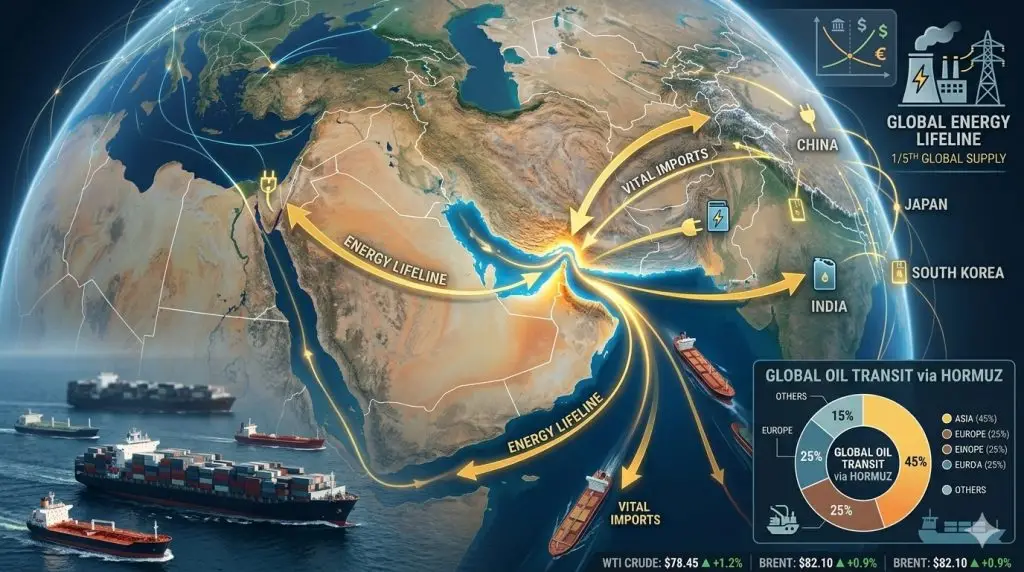
Every day, millions of barrels of crude oil pass through this chokepoint, supplying major economies across Asia, Europe, and beyond. Countries such as China, India, Japan, and South Korea are heavily dependent on energy imports that transit through this corridor.
Any disruption to this route has immediate and far-reaching consequences. Oil prices spike, shipping routes are diverted, and global markets react with volatility. The current crisis has already demonstrated how fragile this balance can be.
The Origins of the 2026 Hormuz Crisis
The present conflict did not emerge overnight. It is the result of escalating tensions between the United States, its allies, and Iran over several months.
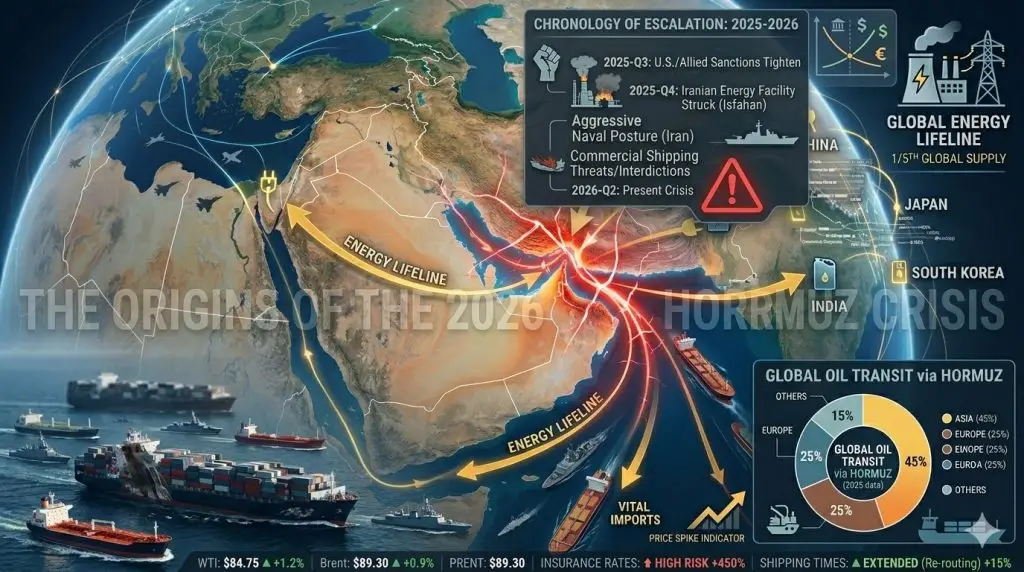
The situation intensified following a series of military actions targeting Iranian infrastructure, including energy facilities and strategic installations. In response, Iran adopted a more aggressive posture in the Strait of Hormuz, effectively restricting or threatening commercial shipping.
Tehran framed its actions as defensive, aimed at protecting national sovereignty and responding to external aggression. Washington, on the other hand, described Iran’s moves as a violation of international law and a threat to global stability.
This cycle of action and retaliation quickly spiraled into a broader crisis, drawing in regional actors and raising fears of a wider conflict.
Trump’s Deadline Extension: Diplomacy or Delay?
When Donald Trump initially issued an ultimatum to Iran, the message was clear: reopen the Strait of Hormuz and engage in meaningful peace talks—or face intensified military consequences.
However, the recent decision to extend that deadline has introduced uncertainty into the equation.
On the surface, the extension appears to be a diplomatic gesture, offering Iran additional time to negotiate. U.S. officials have suggested that backchannel talks are ongoing and that progress, though slow, is being made.
But critics argue that the delay reflects a lack of leverage or a reluctance to escalate further. Without concrete results, the extension risks being perceived as a sign of weakness rather than strategic patience.
Iran’s Strategic Calculations
Iran’s position in the crisis is shaped by both necessity and opportunity.
Facing economic pressure and international sanctions, Tehran views control over the Strait of Hormuz as a powerful bargaining chip. By influencing one of the world’s most critical energy routes, Iran can exert pressure not only on the United States but also on global markets.
Iranian officials have consistently maintained that any resolution must include:
- A halt to military operations against Iranian territory
- Recognition of its regional influence
- Guarantees against future aggression
These demands are not easily reconciled with U.S. objectives, creating a significant gap between the two sides.
Military Escalation Continues
Despite ongoing diplomatic efforts, the situation on the ground remains volatile.
Reports indicate continued military activity across the region, including:
- Airstrikes targeting strategic facilities
- Drone and missile attacks involving regional actors
- Naval confrontations in and around the strait
Each incident increases the risk of miscalculation, where a single event could trigger a broader conflict. The presence of multiple armed forces in a confined space further complicates the situation.
The ongoing violence also undermines trust, making it more difficult for negotiators to reach common ground.
Global Economic Impact
The economic consequences of the Hormuz crisis are already being felt worldwide.
Oil prices have surged significantly, driven by fears of supply disruption. This has had a ripple effect across industries, increasing transportation costs, raising production expenses, and contributing to inflation.
Stock markets have reacted with caution, reflecting uncertainty about the future. Investors are closely monitoring developments, aware that prolonged instability could have long-term consequences.
Shipping companies are also facing increased risks, with higher insurance premiums and security concerns affecting operations.
For developing economies, including those heavily reliant on imported energy, the impact is particularly severe.
Diplomatic Challenges and Missed Opportunities
Diplomatic efforts have struggled to gain traction, highlighting the complexity of the crisis.
Several factors have contributed to the lack of progress:
- Indirect communication channels that slow negotiations
- Conflicting public statements from both sides
- Lack of a neutral mediator to facilitate talks
While countries such as Oman and Qatar have historically played mediating roles, the current situation requires a more coordinated international effort.
The absence of a clear framework for negotiations has made it difficult to move beyond preliminary discussions.
7 Shocking Failures Behind the Stalled Truce
The delay in reaching a ceasefire can be attributed to several critical failures:
1. Diplomatic Disconnect
Negotiations lack clarity and consistency, leading to confusion and mistrust.
2. Continued Hostilities
Ongoing military actions contradict the spirit of diplomacy.
3. Strategic Miscalculations
Both sides may be underestimating the consequences of escalation.
4. Economic Pressure Tactics
Using economic disruption as leverage has complicated negotiations.
5. Regional Power Dynamics
Involvement of multiple actors has added layers of complexity.
6. Lack of Unified International Response
Global powers have not presented a cohesive strategy.
7. Leadership Constraints
Domestic political pressures limit flexibility in decision-making.
Regional and Global Reactions
The international community is closely watching the developments.
- European nations have urged restraint and renewed dialogue
- Gulf countries are seeking stability to protect their economies
- Asian economies are preparing for potential supply disruptions
The crisis has highlighted the interconnected nature of global systems, where a regional conflict can have worldwide implications.
Possible Scenarios Moving Forward
The coming days will be critical in determining the direction of the crisis.
Scenario 1: Limited Agreement
A temporary arrangement could ease tensions without resolving underlying issues.
Scenario 2: Continued Stalemate
Negotiations may drag on, prolonging uncertainty and economic strain.
Scenario 3: Escalation
Failure to reach an agreement could lead to intensified military action.
Each scenario carries its own risks and consequences, underscoring the importance of effective diplomacy.
Conclusion
The decision by Donald Trump to extend the Hormuz deadline reflects the complexity of the current geopolitical landscape. While the move keeps the door open for diplomacy, the lack of meaningful progress raises serious concerns.
The Hormuz crisis is not just a regional issue—it is a global challenge with far-reaching implications. From energy markets to international security, the stakes are extraordinarily high.
As the deadline approaches, the world waits anxiously to see whether leaders can navigate this संकट and avoid a potentially devastating conflict.
Final Insight
The extension of the deadline may buy time, but time alone will not resolve the crisis. Without decisive action, clear communication, and genuine compromise, the risk of escalation will continue to grow.
In a world increasingly defined by uncertainty, the Hormuz crisis serves as a stark reminder of how fragile global stability can be—and how urgently it must be protected.