

Discover 7 powerful Marketing Plan Tips for 2026 to boost business growth, attract more customers, increase sales, and achieve lasting success.
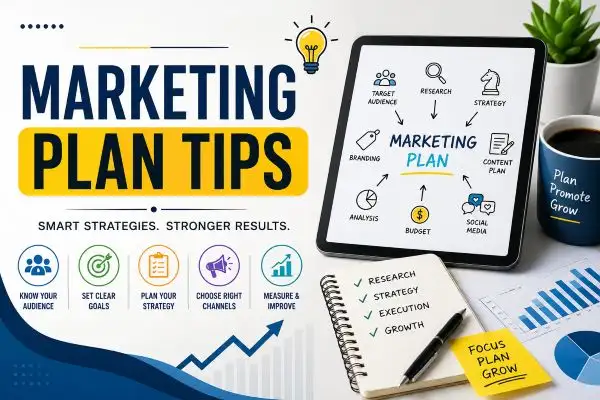
Introduction: Marketing Plan Tips for Massive Growth 2026
A strong marketing plan is one of the most valuable tools any business can have. Whether you are launching a new startup, managing a growing small business, or leading an established company, a clear marketing strategy provides direction and helps you reach your business goals more effectively. It allows you to connect with the right audience, improve brand recognition, increase sales, and maintain a competitive advantage in an ever-changing marketplace.
As we move through 2026, the world of marketing continues to evolve at a rapid pace. Advances in artificial intelligence, changing customer expectations, digital innovation, and new online platforms are reshaping how businesses promote their products and services. Companies that regularly update their marketing strategies and respond to these trends are more likely to build lasting customer relationships and achieve sustainable growth.
This article explores 7 powerful Marketing Plan Tips designed to help businesses develop smarter and more effective marketing strategies. From setting clear objectives and understanding your target audience to improving search engine visibility and measuring campaign performance, these practical tips can strengthen every aspect of your marketing efforts. No matter your industry or business size, applying these proven strategies can help you maximize your marketing investment, attract more qualified customers, and position your business for long-term success in today’s highly competitive business environment.
What Is a Marketing Plan?
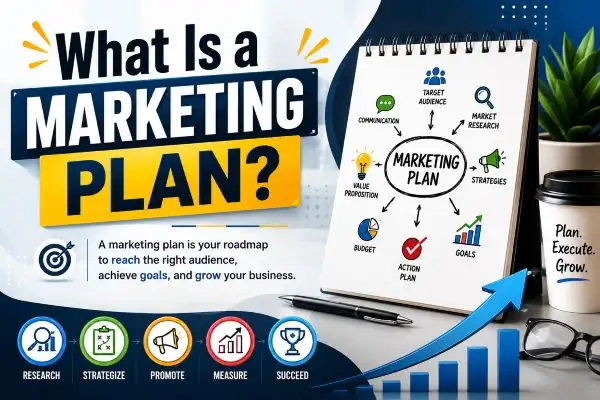
A marketing plan is a strategic roadmap that explains how a business will promote its products or services to the right audience within a specific timeframe. It outlines marketing objectives, identifies ideal customers, and details the actions needed to achieve measurable business growth. Instead of making random marketing decisions, a well-prepared plan helps businesses stay organized, prioritize resources, and focus on strategies that support long-term success.
An effective marketing plan usually contains the following key elements:
- Business Goals: Clearly defined objectives that support the company’s overall vision.
- Target Audience: A detailed profile of the customers most likely to purchase your products or services.
- Market Research: Insights into industry trends, customer preferences, and market opportunities.
- Competitor Analysis: An evaluation of competitors’ strengths, weaknesses, and market position.
- Marketing Channels: The platforms and methods used to reach potential customers, including digital and traditional media.
- Content Strategy: A plan for creating valuable content that informs, engages, and converts audiences.
- Marketing Budget: Estimated costs for campaigns, advertising, and promotional activities.
- Performance Metrics: Key performance indicators (KPIs) used to measure campaign success.
- Review and Improvement Schedule: Regular assessments to optimize marketing efforts based on results.
Without a structured marketing plan, businesses may spend unnecessary time and money on ineffective campaigns, making it harder to achieve consistent growth and long-term profitability.
Why Marketing Plan Tips Matter in 2026
In 2026, having a well-structured marketing strategy is more important than ever as customer expectations continue to rise. Today’s consumers spend time researching products, comparing brands, reading online reviews, and evaluating different options before making a purchase. They also expect businesses to provide personalized experiences, relevant content, and excellent customer service. By following effective Marketing Plan Tips, businesses can better understand their audience, create targeted campaigns, strengthen customer relationships, and stay competitive in an increasingly digital and fast-changing marketplace.
Following effective Marketing Plan Tips allows businesses to:
- Improve brand awareness
- Generate qualified leads
- Increase website traffic
- Build customer trust
- Improve customer retention
- Increase sales
- Achieve long-term growth
Companies that regularly update their marketing strategies are generally better prepared to respond to market changes and customer needs.

1. Define Clear Marketing Goals
Every successful marketing plan starts with clear, realistic, and measurable goals. Without specific objectives, it becomes difficult to evaluate campaign performance or determine whether your marketing efforts are producing the desired results. Well-defined goals provide a clear direction, help your team stay focused, and ensure every marketing activity supports your overall business strategy.
Instead of setting broad goals like “increase sales,” establish measurable targets such as:
- Increase your website traffic by 30% within the next six months.
- Gain 2,000 new email subscribers through lead generation campaigns.
- Boost online sales by 20% within the current financial year.
- Improve customer retention by 15% using loyalty and engagement programs.
- Increase social media engagement by 40% across your primary platforms.
To create effective objectives, use the SMART goal framework:
- Specific: Clearly identify the exact outcome you want to achieve.
- Measurable: Track progress using numbers and performance data.
- Achievable: Set practical goals that match your available resources and capabilities.
- Relevant: Align every objective with your overall business mission.
- Time-bound: Assign a clear deadline to maintain focus and accountability.
Establishing SMART marketing goals makes it easier to monitor progress, measure success, identify areas for improvement, and adjust your strategy when necessary. Clear objectives also ensure your marketing budget, resources, and team efforts are focused on achieving sustainable business growth.
2. Understand Your Target Audience
Knowing your target audience is one of the most important Marketing Plan Tips for creating successful campaigns. When you understand who your ideal customers are, what they need, and how they make purchasing decisions, you can develop marketing messages that are more relevant and engaging. This approach helps improve customer satisfaction, increase conversions, and maximize your marketing return on investment.
To better understand your audience, focus on the following areas:
- Demographics: Collect basic information such as:
- Age
- Gender
- Income level
- Education
- Occupation
- Geographic location
- Psychographics: Learn more about your customers’ personal characteristics, including:
- Interests and hobbies
- Lifestyle choices
- Core values and beliefs
- Goals and motivations
- Purchasing behavior and shopping habits
- Customer Challenges: Identify the problems your audience wants to solve by asking:
- What challenges are they currently facing?
- Which products or services can solve those problems?
- What makes your business a better choice than your competitors?
Creating detailed customer personas based on this information allows you to personalize your marketing campaigns, deliver more relevant content, strengthen customer relationships, and improve conversion rates over time.
3. Analyze Your Competitors
Conducting competitor research is an essential part of developing a successful marketing strategy. Understanding what other businesses in your industry are doing well—and where they fall short—can help you discover new opportunities to improve your own marketing efforts. Rather than copying their strategies, use the information you gather to create a unique value proposition that sets your business apart from the competition.
When evaluating your competitors, pay attention to the following areas:
- Website Quality: Review the design, user experience, page speed, and overall functionality of their websites.
- Products and Services: Compare the features, quality, and variety of the products or services they offer.
- Pricing Strategy: Analyze how they price their products and whether they provide discounts or special offers.
- Social Media Presence: Observe their posting frequency, audience engagement, and content performance across different platforms.
- Content Marketing: Examine their blogs, videos, email campaigns, and other content to identify successful topics and formats.
- SEO Performance: Study their keyword rankings, website visibility, and search engine optimization strategies.
- Customer Reviews: Read customer feedback to understand their strengths, weaknesses, and areas for improvement.
Ask yourself these important questions:
- What strategies are helping them succeed?
- Which areas need improvement?
- How can your business deliver greater value and a better customer experience?
Use these insights to build a stronger, more competitive brand that stands out in the marketplace.
4. Build a Strong Content Marketing Strategy
A well-planned content marketing strategy is essential for attracting new customers and maintaining strong relationships with existing ones. High-quality content helps answer customer questions, demonstrates your expertise, improves search engine visibility, and encourages visitors to return to your website. Consistently publishing high-quality, valuable content helps establish your brand as a trusted authority while building long-term relationships with your target audience.
A successful content marketing strategy should include a variety of content formats, such as:
- Blog Articles: Create valuable blog posts that answer common customer questions, solve real problems, and provide practical insights to help readers make informed decisions. Popular topics include:
- Buying guides
- Step-by-step tutorials
- Industry trends and news
- Product comparisons
- Customer success stories and case studies
- Videos: Video content captures attention quickly and often generates higher engagement across websites and social media. Consider producing:
- Product demonstrations
- Educational or how-to videos
- Customer reviews and testimonials
- Behind-the-scenes company highlights
- Infographics: Use visually appealing graphics to simplify complex information, present statistics, or explain processes in an easy-to-understand format.
- Email Newsletters: Keep your subscribers engaged by regularly sharing:
- Special promotions and discounts
- New product or service launches
- Company announcements
- Helpful tips, guides, and industry insights
Publishing valuable and consistent content helps establish your brand as a reliable industry resource while attracting more visitors, improving customer loyalty, and supporting long-term business growth.
5. Focus on SEO for Long-Term Traffic
Search engine optimization (SEO) is one of the most effective digital marketing techniques for generating consistent, long-term website traffic. A strong SEO strategy improves your website’s visibility in search results, making it easier for potential customers to discover your products or services.
To achieve better rankings and attract qualified visitors, focus on these essential SEO practices:
- Keyword Research: Find the words and phrases your target audience uses when searching online. Include primary, secondary, and long-tail keywords naturally throughout your content, including your focus keyword Marketing Plan Tips, without overusing it.
- Optimize Titles: Create compelling page titles using numbers, power words, emotional language, and the current year to encourage more clicks.
- Publish Valuable Content: Produce original, informative, and reader-focused content that answers users’ questions and provides practical solutions.
- Improve Website Speed: A fast-loading website enhances user experience and helps reduce bounce rates.
- Ensure Mobile Responsiveness: Make sure your website works smoothly on smartphones, tablets, and desktop devices.
- Use Internal Links: Link related pages and blog posts to improve website navigation and strengthen SEO.
- Add Credible External References: Include trustworthy sources when appropriate to increase your content’s authority and reliability.
6. Use Multiple Marketing Channels
Relying on a single marketing channel can limit your business growth. Reaching customers through multiple platforms increases your brand’s visibility, helps you connect with different audience segments, and reduces the risk of depending on one source of traffic. A well-balanced marketing strategy combines several channels to maximize reach, generate quality leads, and improve overall business performance.
Consider including these marketing channels in your strategy:
- Social Media: Build meaningful relationships with your audience on the platforms they use most often. Share:
- Educational content
- Short videos and reels
- Product or service updates
- Customer testimonials and success stories
- Email Marketing: Send personalized emails to different customer groups with relevant offers, company news, and valuable content to improve engagement and customer loyalty.
- Search Engine Marketing (SEM): Use paid advertising to attract targeted visitors quickly while your SEO efforts continue building long-term organic traffic.
- Influencer Marketing: Partner with respected influencers or industry experts to expand your brand’s reach and build stronger trust with potential customers.
- Referral Programs: Encourage satisfied customers to recommend your products or services to friends and family by offering attractive referral incentives.
Using multiple marketing channels helps you reach a wider audience, improve customer engagement, and create more opportunities for sustainable business growth.
7. Measure Results and Improve Continuously
The best marketing plans evolve over time. Track important performance indicators regularly.
Useful metrics include:
- Website visitors
- Conversion rate
- Customer acquisition cost
- Return on investment (ROI)
- Email open rate
- Click-through rate
- Social media engagement
- Customer lifetime value
Use analytics tools to identify successful campaigns and areas for improvement. Testing different headlines, landing pages, email subject lines, and advertisements helps optimize marketing performance. Continuous improvement leads to better long-term results.
Common Marketing Plan Mistakes to Avoid
Many businesses make avoidable marketing mistakes.
Here are some of the most common:
- No Clear Goals: Without measurable objectives, it’s difficult to evaluate success.
- Ignoring Customer Research: Marketing without understanding customer needs often results in poor performance.
- Inconsistent Branding: Use consistent logos, messaging, colors, and tone across all marketing channels.
- Poor Budget Management: Allocate resources strategically based on expected returns.
- Neglecting SEO: Businesses that ignore search optimization often miss valuable organic traffic.
- Creating Low-Quality Content: Publishing content solely to increase volume rarely delivers lasting value.
- Not Tracking Results: Data-driven decisions outperform assumptions.
Essential Components of a Winning Marketing Plan
A successful marketing plan generally includes:
- Executive summary
- Business overview
- Market research
- SWOT analysis
- Target audience
- Marketing objectives
- Budget
- Content strategy
- Sales strategy
- Digital marketing plan
- Performance indicators
- Review timeline
These elements provide structure and improve decision-making.
Marketing Trends to Watch in 2026
Businesses should stay informed about emerging trends.
Important developments include:
- Artificial Intelligence: AI supports content creation, customer service, predictive analytics, and marketing automation.
- Personalization: Customers increasingly expect tailored experiences based on their preferences.
- Voice Search: Optimizing for conversational search queries is becoming more important.
- Short-Form Video:Brief, engaging videos continue to capture audience attention across multiple platforms.
- Privacy and Data Protection: Transparent data practices build customer trust and comply with evolving regulations.
- Community Building: Brands that create engaged communities often enjoy stronger customer loyalty.
Marketing Plan Checklist
Before launching your next campaign, confirm that you have:
- Defined SMART goals
- Researched your audience
- Studied competitors
- Identified marketing channels
- Created valuable content
- Optimized for SEO
- Established a realistic budget
- Planned a content calendar
- Set measurable KPIs
- Scheduled regular performance reviews
A checklist helps ensure nothing important is overlooked.
Frequently Asked Questions
What are Marketing Plan Tips?Marketing Plan Tips are practical recommendations that help businesses create effective strategies to reach customers, increase sales, and achieve growth.
Why is a marketing plan important? A marketing plan provides direction, aligns marketing efforts with business goals, improves budgeting, and increases the likelihood of successful campaigns.
How often should a marketing plan be updated? Review your marketing plan quarterly and update it whenever significant market, customer, or business changes occur.
What is the biggest marketing mistake? One of the biggest mistakes is marketing without understanding your target audience. Customer research should guide every campaign.
Can a small business gain advantages from having a marketing plan? Absolutely. A structured marketing plan helps small businesses use limited resources more effectively and compete with larger organizations.
Conclusion
Building a successful marketing strategy requires careful planning, continuous learning, and the willingness to adapt to changing market conditions. In 2026, businesses that understand their audience, set realistic objectives, and invest in effective digital marketing techniques are more likely to achieve steady and long-term growth. A well-designed marketing plan not only improves brand visibility but also helps attract the right customers and increase overall profitability.
The Marketing Plan Tips discussed in this guide offer practical solutions for businesses of every size. From defining measurable goals and researching your target market to creating valuable content, improving SEO, using multiple marketing channels, and tracking campaign performance, each step contributes to stronger marketing results. Applying these strategies consistently can help you build customer trust, improve conversion rates, and stay ahead of your competitors in a rapidly evolving marketplace.
Keep in mind that no marketing plan is perfect from the start. The most successful businesses regularly analyze their results, learn from customer feedback, and refine their strategies based on real performance data. By treating your marketing plan as a living document instead of a one-time project, you can respond to new opportunities, overcome challenges, and maintain sustainable business growth. Start implementing these Marketing Plan Tips today to strengthen your brand and position your business for lasting success in 2026 and beyond.