
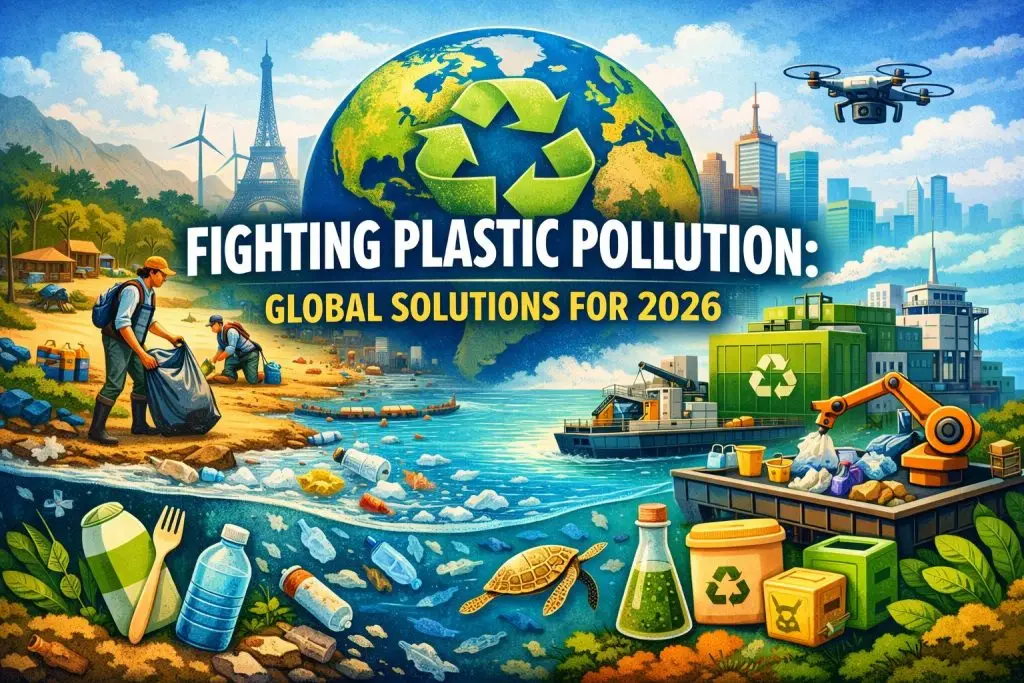
Discover innovative strategies and global initiatives to tackle Plastic Pollution in 2026, ensuring a cleaner and sustainable environment for the future.
Introduction: Fighting Plastic Pollution
Plastic pollution has become one of the most urgent environmental challenges facing the world today. Every year, millions of tons of plastic waste find their way into oceans, rivers, and landfills, creating long-lasting damage to ecosystems and biodiversity. Unlike organic materials, plastics take hundreds of years to decompose, which means that even a single discarded plastic item can persist in the environment for decades. This accumulation not only disrupts natural habitats but also poses serious risks to human health, as microplastics enter the food chain through seafood and drinking water.
Beyond environmental and health concerns, plastic pollution has significant economic implications. The cost of cleaning up polluted coastlines, restoring damaged ecosystems, and addressing health impacts places a heavy burden on governments and communities worldwide. By 2026, addressing plastic pollution has become more critical than ever, requiring innovative approaches, technological advancements, and global collaboration. Sustainable solutions, such as recycling innovations, biodegradable alternatives, and circular economy models, are essential to minimize the flow of plastics into the environment. This article delves into the primary causes of plastic pollution, its global consequences, and the most promising strategies being implemented worldwide to tackle this growing crisis effectively.
Understanding Plastic Pollution
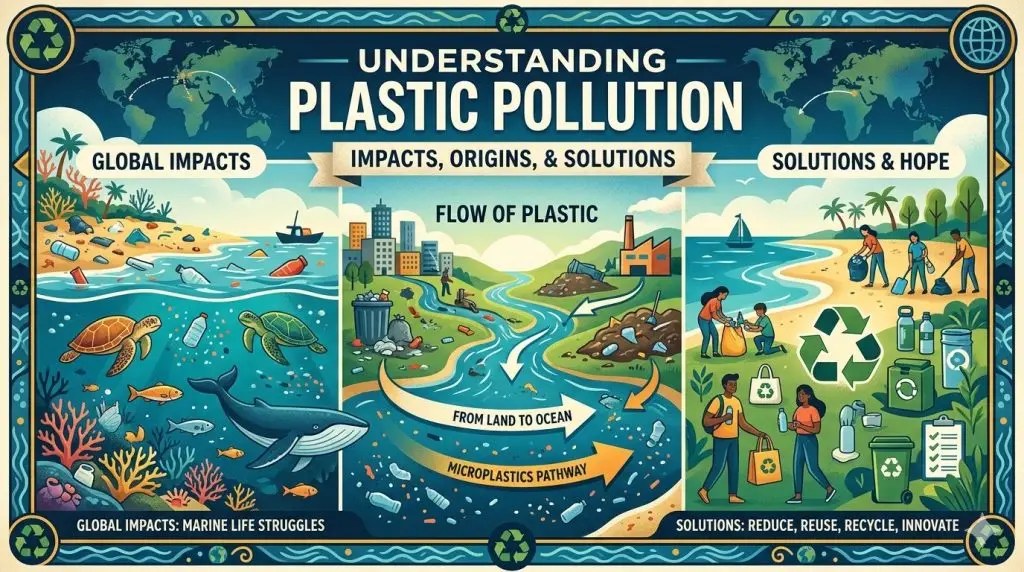
Plastic pollution occurs when plastic products accumulate in the environment, causing serious harm to wildlife, ecosystems, and human health. Because plastics are highly durable and resistant to natural decomposition, even a single discarded item can remain in nature for hundreds of years. Over time, these plastics break down into smaller particles called microplastics, which can infiltrate soil, waterways, and oceans, posing long-term risks to plants, animals, and humans.
The main sources of plastic pollution include single-use items such as bottles, straws, bags, and packaging materials, as well as industrial and commercial plastic waste. Microplastics from synthetic fibers in clothing and personal care products also contribute significantly. Improper disposal, limited recycling, and widespread plastic consumption continue to exacerbate this global environmental challenge, making it a critical issue to address worldwide.
- Single-use plastic products: Items like bottles, straws, and packaging are used briefly and discarded, often ending up in landfills or oceans. Their short usage lifespan contributes significantly to environmental plastic accumulation.
- Industrial and commercial plastic waste: Factories and businesses generate large amounts of plastic waste through packaging, production processes, and shipping materials. Improper disposal from these sources adds heavily to global pollution.
- Microplastics from synthetic fibers and personal care products: Tiny plastic particles are released from synthetic clothing, detergents, and cosmetics during use and washing. These microplastics are difficult to remove and accumulate in water bodies and soil, entering the food chain.
The versatility and low cost of plastic have made it a global staple, but its improper disposal has created an environmental crisis. According to studies, over 8 million tons of plastic waste end up in the oceans annually, affecting marine life and entering the human food chain through seafood consumption.
The Global Impact of Plastic Pollution
Plastic pollution has far-reaching consequences on the environment, economy, and human health.
- Environmental Impact: Marine ecosystems are particularly vulnerable. Plastic debris can choke marine animals, disrupt coral reefs, and alter natural habitats. Microplastics, tiny plastic fragments, are consumed by marine organisms, which then transfer up the food chain, affecting larger predators and even humans. On land, plastic waste clogs drainage systems, causes soil contamination, and contributes to greenhouse gas emissions when burned.
- Economic Consequences: Plastic pollution also imposes significant economic costs. Tourism suffers in polluted coastal regions, fisheries experience reduced yields, and clean-up operations require substantial government expenditure. The World Economic Forum estimates that plastic pollution could cost the global economy up to $13 billion annually by 2030 if left unchecked.
- Health Implications: Humans are not immune. Microplastics and toxic additives from plastics can enter the human body through food, water, and air, potentially causing endocrine disruption, reproductive issues, and other health problems. Ensuring the reduction of plastic pollution is therefore crucial for both environmental and public health.
Innovative Global Solutions for 2026
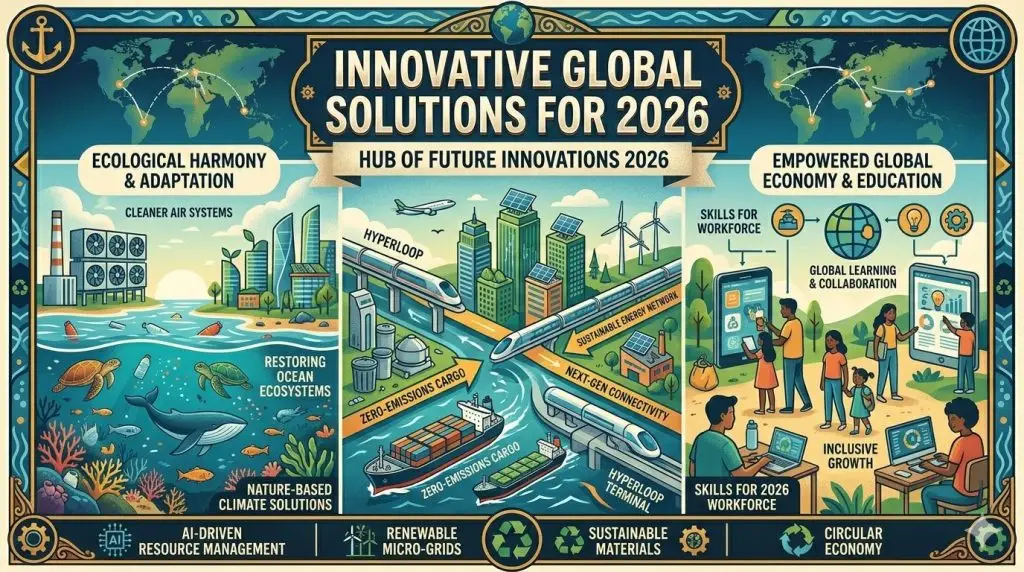
Addressing plastic pollution in 2026 requires a comprehensive and multi-faceted approach that combines policy reforms, technological innovations, and active community participation. Governments, industries, and individuals must work together to reduce plastic production, improve waste management, and promote sustainable alternatives. A single solution is not enough; instead, coordinated strategies at local, national, and global levels are essential to achieve meaningful impact.
Several key strategies are being implemented worldwide to combat plastic pollution effectively. These include stricter regulations on single-use plastics, adoption of circular economy models, development of biodegradable materials, community clean-up initiatives, and advanced technological solutions such as AI monitoring and microplastic filtration. Together, these approaches provide a roadmap for a sustainable and cleaner environment in the coming years.
1. Policy and Legislation
Governments around the world are increasingly recognizing the urgent need to address plastic pollution through stronger policies and legislation. Many countries have implemented bans or restrictions on single-use plastics such as bags, straws, and disposable cutlery. These measures aim to reduce the volume of plastic waste entering landfills, rivers, and oceans while promoting the use of reusable and sustainable alternatives.
In addition to bans, policymakers are adopting strategies like Extended Producer Responsibility (EPR), which holds manufacturers accountable for the entire lifecycle of their plastic products, including collection and recycling. Some governments are also introducing taxes on plastic production and offering incentives for biodegradable alternatives. Such regulations create systemic change, encouraging industries and consumers alike to adopt sustainable practices and significantly curb plastic pollution.
- Single-use plastic bans: Many countries, including members of the European Union, have banned or restricted single-use plastics like straws, cutlery, and plastic bags.
- Extended Producer Responsibility (EPR): Companies are held accountable for the lifecycle of their plastic products, including collection, recycling, and disposal.
- Plastic tax and incentives: Taxes on plastic production and incentives for biodegradable alternatives encourage sustainable practices.
Policy-driven measures create a systemic change, ensuring that plastic reduction is not just voluntary but mandatory across industries.
2. Circular Economy and Recycling Innovations
The concept of a circular economy plays a vital role in combating plastic pollution by promoting the reuse, recycling, and repurposing of materials. Rather than following the traditional linear model of “produce, use, discard,” a circular approach ensures that plastics remain in the economy for as long as possible. This not only reduces environmental impact but also conserves resources and energy used in producing new plastic products.
Innovative solutions supporting a circular economy include advanced recycling technologies, such as chemical recycling, which breaks down plastics into their original components for reuse. Other approaches involve the development of biodegradable and compostable plastics from plant-based materials, as well as plastic-to-fuel conversion technologies. Together, these strategies minimize waste, reduce pollution, and promote sustainable plastic management worldwide.
- Advanced recycling technologies: Chemical recycling breaks down plastics into their original monomers for reuse, offering a higher-quality recycling process than traditional mechanical methods.
- Biodegradable and compostable plastics: Materials derived from plant-based sources degrade faster and reduce long-term environmental impact.
- Plastic-to-fuel technologies: Certain companies convert non-recyclable plastics into fuel, reducing waste while generating energy.
Implementing a circular economy ensures that plastic continues to serve human needs without permanently polluting the environment.
3. Community and Grassroots Initiatives
Local communities are essential in the fight against plastic pollution, as they can drive meaningful change at the grassroots level. Programs such as coastal clean-ups, neighborhood recycling drives, and waste collection campaigns help reduce plastic waste directly from the environment. These initiatives not only remove existing pollution but also educate community members about the importance of responsible plastic use and disposal.
Educational campaigns in schools, colleges, and public spaces play a critical role in fostering long-term behavioral change. Organizations like The Ocean Cleanup and various local NGOs encourage citizens to reduce single-use plastics and adopt sustainable alternatives. By combining hands-on action with awareness programs, communities contribute significantly to reducing plastic pollution while promoting a culture of environmental responsibility.
- Ocean Cleanup Projects: Nonprofit organizations like The Ocean Cleanup remove plastics from rivers and oceans using innovative barrier systems.
- Zero-waste communities: Cities adopting zero-waste initiatives encourage citizens to minimize plastic consumption through reusable alternatives.
- Educational campaigns: Schools and NGOs teach children and adults about the environmental impact of plastic and promote responsible disposal practices.
Community engagement ensures long-term behavioral change, complementing government and corporate efforts.
4. Technological Innovations
Technology plays a vital role in addressing plastic pollution by providing advanced tools to track, manage, and reduce plastic waste. Modern innovations help identify pollution hotspots, monitor waste flow, and optimize clean-up operations efficiently. For example, AI-powered systems and drones can detect plastic accumulation in rivers, oceans, and urban areas, enabling targeted interventions and faster responses.
Other technological solutions include microplastic filtration systems for wastewater treatment, which prevent tiny plastic particles from entering natural water bodies. Additionally, eco-friendly packaging innovations, such as biodegradable materials made from seaweed or plant fibers, are being developed to replace conventional plastics. Together, these technological advancements provide scalable solutions that support governments, industries, and communities in reducing plastic pollution worldwide.
- Plastic-detecting drones and AI systems: These monitor pollution hotspots, helping authorities deploy clean-up operations efficiently.
- Microplastic filtration systems: Innovations in wastewater treatment can capture microplastics before they enter rivers and oceans.
- Eco-friendly packaging technologies: Companies are designing sustainable packaging using seaweed, mushroom-based materials, and other biodegradable substances.
Technological solutions provide scalable and measurable ways to tackle plastic pollution at both local and global levels.
5. Corporate Responsibility and Industry Solutions
Corporations around the world are taking greater responsibility for reducing their plastic footprints, recognizing that sustainable practices benefit both the environment and their long-term business goals. Many companies are redesigning products and packaging to minimize plastic use, replacing single-use plastics with biodegradable or reusable alternatives. Some are also investing in research and development to create innovative materials that are more environmentally friendly.
In addition, businesses are forming partnerships with recycling companies and participating in circular economy initiatives to ensure that plastics are collected, recycled, and repurposed efficiently. Corporate awareness campaigns also encourage consumers to adopt sustainable behaviors, such as using reusable bags or choosing eco-friendly products. Together, these industry efforts play a crucial role in tackling plastic pollution on a global scale.
- Sustainable product design: Reducing plastic content and switching to biodegradable alternatives in packaging.
- Recycling partnerships: Companies collaborate with recycling firms to ensure circular use of plastics.
- Consumer awareness campaigns: Encouraging consumers to choose reusable or eco-friendly products.
Leading brands are setting ambitious sustainability goals for 2026 and beyond, aligning business growth with environmental responsibility.
6. Global Cooperation
Plastic pollution does not respect national boundaries, making international cooperation essential to address the problem effectively. Countries sharing oceans, rivers, and coastlines must work together to monitor plastic waste, implement standardized regulations, and coordinate clean-up operations. Multilateral agreements and regional partnerships help create a unified approach, ensuring that efforts in one nation are supported by neighboring countries to reduce transboundary pollution.
Global organizations such as the United Nations play a key role in fostering collaboration through initiatives like the Clean Seas Campaign, which encourages governments, businesses, and citizens worldwide to take action. Research collaborations and knowledge-sharing platforms also enable countries to adopt best practices, innovative solutions, and technological advancements, making the fight against plastic pollution a truly global effort.
- United Nations initiatives: Programs like Clean Seas Campaign aim to mobilize governments, corporations, and citizens worldwide.
- Regional agreements: Countries sharing oceans and rivers work together to manage plastic waste effectively.
- Research collaborations: Global research efforts focus on innovative solutions, sharing best practices, and assessing environmental impact.
Coordinated global efforts ensure that plastic pollution is tackled comprehensively rather than in isolated pockets.
Challenges in Fighting Plastic Pollution
Despite significant progress in addressing plastic pollution, several challenges continue to hinder global efforts. One of the main obstacles is the rapid increase in plastic production worldwide. As demand for affordable and convenient plastic products grows, managing waste becomes increasingly difficult, especially in countries with limited infrastructure. Additionally, the lack of efficient recycling systems in many regions results in large amounts of plastic ending up in landfills, rivers, and oceans, exacerbating environmental damage.
Behavioral factors also pose a major challenge. Many consumers remain unaware of the long-term consequences of plastic pollution or are resistant to changing their habits. Microplastics, tiny plastic particles that are difficult to detect and remove, further complicate the problem. Overcoming these challenges requires technological innovation, stronger policies, public awareness campaigns, and global collaboration to reduce plastic waste effectively.
- High plastic production: Global plastic production continues to rise, making waste management increasingly difficult.
- Limited recycling infrastructure: Many countries, especially in the developing world, lack proper recycling facilities.
- Behavioral resistance: Consumers may be slow to adopt sustainable practices, especially in convenience-driven societies.
- Microplastics: Tiny plastic particles are difficult to track and remove, posing long-term environmental risks.
Overcoming these challenges requires innovation, policy enforcement, and widespread awareness.
Future Outlook for 2026 and Beyond
By 2026, efforts to combat plastic pollution are expected to become even more focused and aggressive. Innovations in biodegradable materials, sustainable packaging, and AI-powered waste management systems are likely to play pivotal roles in reducing the volume of plastic entering ecosystems. Governments around the world may introduce stricter regulations on plastic production, single-use plastics, and waste management, ensuring that policies are aligned with environmental sustainability goals. At the same time, circular economy models, which emphasize the reuse, recycling, and repurposing of plastics, are expected to gain significant momentum, encouraging industries to reduce waste and adopt more eco-friendly production methods.
Public awareness campaigns, educational programs, and corporate responsibility initiatives will also help shape consumer behavior, encouraging sustainable consumption patterns and reducing plastic reliance at the individual level. If implemented collectively, these efforts can drastically lower the amount of plastic pollution affecting oceans, rivers, and land. Such coordinated action will protect marine ecosystems, preserve biodiversity, and mitigate long-term human health risks. Ultimately, sustained commitment from governments, industries, and individuals is essential to achieving a cleaner, plastic-free future for generations to come.
Conclusion
Plastic pollution has grown into a critical global crisis, affecting ecosystems, human health, and economic stability. The sheer volume of plastic waste entering oceans, rivers, and landfills each year underscores the urgent need for immediate and coordinated action. Addressing this issue requires a multi-faceted approach that combines strong policy reforms, technological innovations, corporate responsibility, community engagement, and international cooperation. Governments must enforce regulations to limit single-use plastics and promote recycling, while industries need to adopt sustainable production practices and biodegradable alternatives.
Technological advancements, such as improved recycling techniques, microplastic filtration systems, and eco-friendly packaging, provide practical solutions to reduce the environmental footprint of plastic. At the same time, communities play a crucial role through awareness campaigns, clean-up initiatives, and behavioral changes that support sustainable consumption. Global collaboration is equally important, as plastic pollution transcends national boundaries and demands a collective response.
The year 2026 represents a pivotal moment to accelerate these efforts and ensure a measurable reduction in plastic waste worldwide. Fighting plastic pollution is more than an environmental obligation—it is a moral responsibility to safeguard natural resources, protect human health, and create a sustainable planet for future generations. With combined effort, meaningful progress is achievable, paving the way for a cleaner and healthier world.