
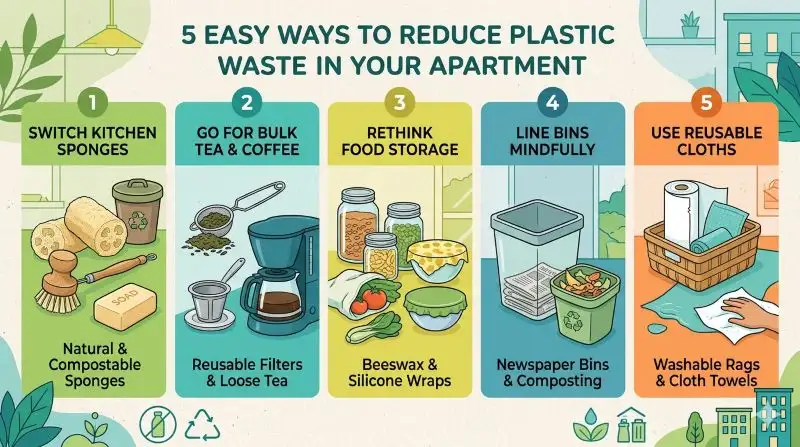
Learn how to Reduce Plastic Waste in your apartment with 5 simple, eco-friendly tips. Build a sustainable lifestyle in Bangladesh starting today!
Introduction: Reduce Plastic Waste in Apartment, Bangladesh
In 2026, plastic pollution has emerged as a defining environmental crisis for Bangladesh, particularly within the high-density urban landscapes of Dhaka and Chittagong. As these metropolitan areas continue their rapid expansion, the sheer volume of non-biodegradable debris clogging drainage systems and waterways has reached a critical tipping point. This accumulation poses a severe threat to the local ecosystem and the structural integrity of city infrastructure during monsoon seasons.
For apartment dwellers, the pervasive convenience of single-use plastics often results in a massive accumulation of hidden waste that severely impacts the environment. While the scale of the problem is vast, significant progress can be made by implementing intentional and budget-friendly adjustments to your everyday household habits. Cultivating a sustainability-focused mindset allows residents to manage modern urban living more efficiently while fulfilling an environmental necessity.
It is entirely possible to convert a standard city apartment into a blueprint for eco-conscious living through simple, proactive steps. By prioritizing accessibility and high-impact changes, residents can effectively shrink their plastic footprint even in a crowded urban setting. Below, we explore five straightforward strategies designed to help you reduce plastic waste and contribute to a cleaner, more resilient urban environment for future generations in Bangladesh.
1. Adopting Plastic-Free Kitchen Cleaning Habits
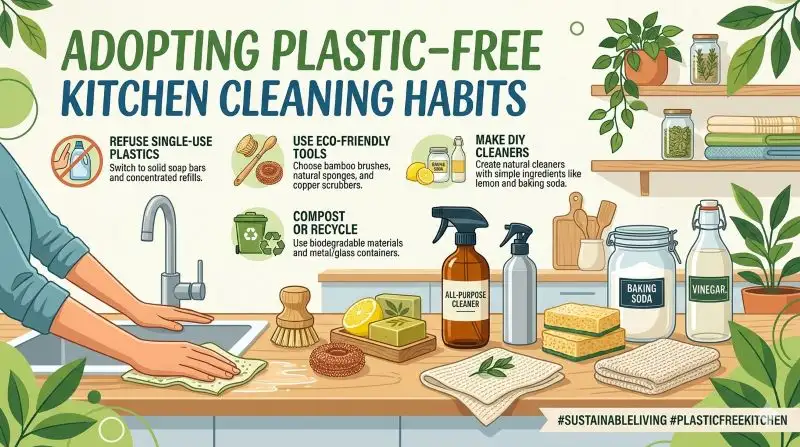
The kitchen often serves as the central hub for household plastic accumulation. Standard cleaning implements, particularly the ubiquitous yellow-and-green synthetic sponges, are composed of plastic fibers that release microplastics into the water supply with every use. As we navigate 2026, transitioning to compostable alternatives has become a fundamental practice for maintaining an eco-conscious home.
- The Transition to Natural Loofahs: Instead of relying on synthetic options, consider natural loofahs sourced from dried gourds. These fibers are exceptionally effective for abrasive scrubbing while remaining entirely biodegradable.
- Economical Bulk Purchasing: A strategic way to save is by purchasing a single, large natural loofah and dividing it into 10–12 smaller sponges. This DIY approach is significantly more affordable than repeatedly buying “brand name” plastic versions.
- Sustainable Wooden Dish Brushes: Swap out plastic-handled brushes for wooden alternatives. High-quality wooden brushes often feature replaceable heads made from sturdy, plant-based bristles, reducing long-term waste.
- Switching to Solid Dish Soap: Moving away from liquid soaps packaged in squeeze bottles is a major win for the environment. A single, concentrated block of solid dish soap can provide the same cleaning power as three standard bottles of liquid soap, effectively eliminating plastic packaging from your sink side.
By integrating these specific changes, you address both the visible plastic waste in your trash bin and the invisible microplastics entering our rivers. This holistic approach ensures your cleaning routine is as gentle on the planet as it is effective on your dishes.
2. Implement Strategic Food Storage and Bulk Buying
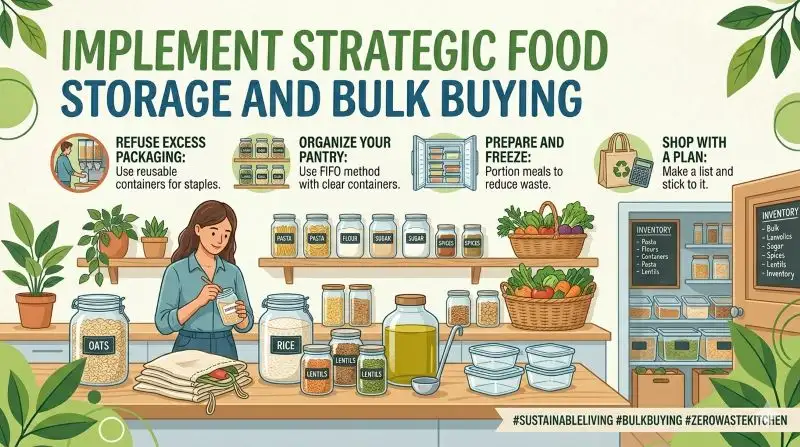
Food waste combined with excessive packaging creates a substantial financial and environmental strain on modern households. In many Bangladeshi supermarkets, pre-packaged vegetables and salads are often encased in non-recyclable plastic film, a practice that can actually cause fresh produce to spoil up to 40% faster due to trapped moisture and gases.
- Prioritizing Whole Produce: Making it a habit to purchase whole vegetables from local katcha bazars is far more sustainable than selecting pre-cut versions found in plastic trays. Generally, whole produce is 30% to 50% cheaper per pound, providing significant savings while eliminating unnecessary plastic.
- Adopting Active Storage: You can keep food fresh without relying on plastic wrap by using “Active Storage” techniques. For example, storing carrots or celery upright in a jar of water or wrapping leafy greens in a damp cotton cloth can significantly extend their shelf life.
- Replacing Single-Use Cling Wrap: Transition away from disposable plastic wrap by utilizing beeswax wraps or universal silicone stretch lids. These alternatives are washable, durable, and designed to keep food airtight for long periods.
- The Inverted Plate Technique: For a zero-cost solution, simply place an inverted plate over a bowl of leftovers. This creates a sufficient seal for refrigeration, protecting your food without requiring any new plastic purchases or specialized equipment.
By integrating these methods, you can dramatically reduce your household’s plastic footprint while ensuring your groceries stay fresh for longer.
3. Rethink Your Morning Coffee and Tea Ritual
For the dedicated caffeine enthusiast in Bangladesh, the daily accumulation of waste from single-use filters and specialized packaging can be surprisingly substantial. Those who rely on standard coffee makers often find that bleached paper filters contribute significantly to both landfill volume and recurring household expenses. In 2026, rethinking these small morning habits offers a high-impact opportunity to reduce your environmental footprint without sacrificing the quality of your favorite brew.
- Utilizing Permanent Filters: Transitioning to a stainless steel mesh filter or a GOTS-certified organic cotton cloth filter is one of the most accessible zero-waste adjustments for beginners. This switch is particularly effective because it requires absolutely no change to your existing brewing technique or morning routine.
- Experience Enhanced Flavor: Beyond the environmental benefits, using mesh filters can actually improve your coffee’s taste. Unlike traditional paper, which traps many of the bean’s natural components, mesh allows essential oils to pass through, resulting in a significantly richer and more robust flavor profile.
- Opting for Bulk Tea Leaves: If your preference leans toward tea, choosing loose-leaf varieties over tea bags is a critical step. Many conventional tea bags contain hidden plastic sealants that do not break down in the environment. By purchasing loose tea and using a reusable stainless steel infuser, you can enjoy premium local blends from Sylhet or Panchagarh entirely waste-free.
By moving away from disposable brewing accessories, you effectively eliminate a steady stream of non-biodegradable waste from your apartment. These permanent alternatives are designed to last for years, providing a more authentic and sustainable way to start your day in urban Bangladesh. Integrating these durable tools into your kitchen not only honors the rich tea-growing heritage of the region but also aligns your daily habits with modern ecological standards.

4. Adopting “Lineless” or Paper-Lined Binning Strategies
It is a striking environmental irony to purchase specialized plastic bags for the sole purpose of immediately discarding them. By re-evaluating how you manage various waste streams within your apartment, you can effectively eliminate the need for expensive and environmentally harmful plastic trash liners. In a Bangladeshi urban setting, where waste management is a growing concern, these adjustments can significantly reduce your household’s ecological impact while simplifying your domestic chores.
- Systematic Separation of Organic Waste: The most effective way to transition away from plastic liners is to ensure you compost or separately manage your food scraps. Once “wet” organic material is removed from the general waste stream, the remaining trash stays dry, odorless, and much easier to handle without a plastic barrier.
- Utilizing Newspaper Liners: For bins that hold dry waste, using old newspapers as a liner is a highly effective and traditional technique. This cost-effective method repurposes a resource you likely already have in your home, providing a biodegradable shield for your bin without the need for new plastic.
- The Lineless Management Approach: For dry recyclables such as paper, cardboard, or clean metal, you can adopt a completely lineless approach by using a bare bin. This simply requires a quick rinse with soapy water once a week to maintain hygiene, which can save a household approximately $15 every few months by eliminating the recurring cost of plastic liner rolls.
By implementing these waste-sorting habits, you transform your bin from a source of plastic consumption into a tool for environmental preservation. These small changes not only keep single-use plastics out of Bangladeshi landfills but also encourage a more mindful connection with the materials we consume and discard daily. Moving toward a lineless system is a powerful step in making your apartment a model of modern, sustainable urban living.
5. Swap Paper Towels for Reusable “Un-Paper” Cloths
The average household allocates a considerable portion of its annual budget to paper towels—a single-use product typically utilized for just a few seconds before being discarded into a landfill. In the context of a Bangladeshi apartment, where high humidity, frequent dust, and kitchen spills are common daily occurrences, the cumulative volume of this specific waste stream can be surprisingly high. Moving away from this disposable habit is a highly effective way to reduce plastic waste (often found in the outer packaging of these rolls) and minimize environmental impact.
- Adopting Reusable Alternatives: Transitioning to high-quality microfiber cloths or dedicated “un-paper” towel rolls can replace the need for disposables entirely. A perfectly sustainable and zero-cost alternative is to create your own cleaning rags by cutting up old, 100% cotton T-shirts. These repurposed fabrics are excellent for absorbing spills and dusting surfaces throughout your living space.
- The Importance of Accessibility: To ensure a successful transition, placement is essential. You should store your new reusable cloths in a basket or on a shelf located exactly where your paper towel holder used to sit. By maintaining high visibility and easy accessibility, you prevent the instinct to reach for a disposable option out of habit during a busy cleaning task.
- Significant Financial Benefits: Beyond the ecological advantages, the economic impact of this swap is substantial. By completely eliminating the recurring purchase of disposable paper products, a household can save between $150 and $200 annually. This represents a significant return on a change that costs virtually nothing to implement.
By integrating these durable cleaning textiles into your domestic routine, you foster a more resilient and self-sufficient household. This shift not only protects the environment by reducing the demand for wood pulp and plastic packaging but also honors a more traditional, resourceful way of living that was once common throughout Bangladesh. Embracing reusable cloths is a simple yet powerful declaration that your home prioritizes long-term sustainability over temporary convenience.
Side Effects of Reducing Plastic Waste in Your Apartment
When adopting a strategy to reduce plastic waste in an apartment, there are significant secondary effects that impact both your lifestyle and your surroundings.
Positive Side Effect: Significant Financial Savings
A major advantage of choosing to reduce plastic waste is the notable financial gain achieved by moving away from a disposable culture. By implementing these three changes, you can lower your household expenses:
- Long-Term Savings: Moving away from single-use products leads to an “accumulation of savings” as you stop paying for items meant to be discarded.
- Affordable Reusables: Swapping paper towels for reusable “un-paper” cloths and utilizing permanent coffee filters can save an average household between $150 and $200 annually.
- Lower Grocery Costs: Purchasing whole produce from local markets, rather than buying items in plastic trays, is significantly more economical, typically costing 30% to 50% less per pound.
These adjustments demonstrate that environmental responsibility often aligns with better financial management in a modern apartment.
Negative Side Effect: Increased “Time-Tax” and Maintenance
While eco-friendly swaps are better for the planet, they often require more manual labor and time compared to the “grab-and-throw” convenience of plastic.
- Cleaning Demands: Instead of tossing a plastic sponge or paper towel, you must now regularly wash, dry, and sanitize natural loofahs, wooden brushes, and cloth rags to prevent bacterial growth.
- Preparation Time: Buying whole produce from a katcha bazar rather than pre-cut vegetables requires more time for washing, peeling, and chopping once you are home.
- Waste Management: Transitioning to a “lineless” binning system requires you to manually rinse out trash bins with soapy water once a week to maintain hygiene.
Summary Table: Side Effect Comparison
| Aspect | Positive Effect | Negative Effect |
| Finance | Lower monthly grocery and supply bills. | Initial cost of high-quality reusables (e.g., silicone lids). |
| Health | Elimination of microplastics shedding into water. | Risk of bacteria if reusable cloths aren’t dried properly. |
| Convenience | Less frequent trips to buy disposable supplies. | More time spent on food prep and bin maintenance. |
Conclusion: Embracing a Plastic-Free Future in Bangladesh
Adopting a low-plastic lifestyle within a Bangladeshi apartment is far more attainable than many realize, requiring neither high-priced gadgets nor a radical transformation of your daily routine. By strategically focusing on five core pillars—sustainable cleaning tools, mindful food storage, eco-friendly morning rituals, smarter waste management, and the use of reusable cloths—residents can drastically reduce plastic waste while simultaneously decreasing their monthly household expenses. These shifts are particularly relevant in 2026, as urban centers in Bangladesh face increasing pressure from environmental pollution and climate-related challenges.
Making the switch from synthetic, microplastic-shedding sponges to natural, compostable loofahs or moving away from single-use plastic wraps in favor of beeswax and silicone alternatives represents a powerful commitment to the environment. Furthermore, choosing permanent stainless steel or cloth coffee filters and rethinking the necessity of plastic trash liners are simple steps that yield significant long-term financial savings. As we navigate the complexities of modern urban living, these small, intentional choices within our homes serve as a vital defense for the natural beauty and environmental health of our country. By reclaiming traditional, sustainable practices and integrating them with modern efficiency, every household can contribute to a cleaner, greener, and more resilient Bangladesh for future generations.
Frequently Asked Questions: Reducing Plastic Waste in Your Apartment
1. Is it expensive to start a zero-waste lifestyle in a Bangladeshi apartment? No, it is actually a cost-saving measure. Many swaps, such as using an inverted plate for food storage instead of plastic wrap, are completely free. Other changes, like buying whole produce at a katcha bazar rather than pre-packaged items, can save you 30% to 50% on your grocery bill.
2. How can I manage trash without using plastic liners? The most effective way is to separate your organic waste (food scraps) for composting. Once the “wet” waste is removed, your remaining trash is mostly dry. You can then line your bin with old newspapers or simply use a bare bin and rinse it with soapy water occasionally. This can save you about $15 every few months.
3. What is the best alternative to synthetic kitchen sponges? Natural loofahs, which are dried vegetables, are the best alternative. They are highly effective at scrubbing, fully biodegradable, and can be composted after use. You can often buy one large loofah and cut it into 10–12 individual sponges, making it much more affordable than plastic versions.
4. Why should I avoid pre-cut vegetables? Pre-cut vegetables in Bangladesh are usually sold in non-recyclable plastic containers and films. Because they have more surface area exposed to oxygen, they spoil up to 40% faster than whole vegetables. Buying whole produce reduces plastic film waste and prevents premature food rot.
5. Can I really stop using paper towels? Yes, by transitioning to “un-paper” towels or reusable microfiber cloths. A simple and free way to do this is by cutting up old 100% cotton T-shirts into cleaning rags. If you store them in a basket exactly where you used to keep your paper towels, the habit is very easy to maintain.
6. How do I keep my coffee routine plastic-free? If you use a coffee maker, replace bleached paper filters with a permanent stainless steel mesh filter or a GOTS-certified organic cotton cloth filter. Not only does this eliminate paper waste, but it also improves the flavor of your coffee by allowing natural oils to pass through.