

Get the latest updates on Sheikh Hasina conviction 2026 in Bangladesh. Explore the political impact, reactions, and what this means for the nation’s future.
Introduction: Sheikh Hasina Conviction 2026
The Sheikh Hasina Conviction 2026 has emerged as one of the most consequential and talked‑about developments in Bangladesh’s recent political history. The fallout from the conviction is resonating across political, social, economic, and international spheres, making it imperative for citizens, analysts, and global observers to understand what has happened, why it matters, and what it means for the future of Bangladesh.
Public debates have intensified, with citizens and political commentators closely following the court proceedings and analyzing their potential impact on upcoming elections. Social media platforms are flooded with discussions, reflecting the deep polarization and emotional responses from supporters and critics alike. Additionally, the conviction has drawn international attention, with foreign governments and organizations closely monitoring Bangladesh’s legal and political environment. This moment marks a pivotal turning point that could redefine leadership, governance, and public trust in the nation.
In this article, we’ll explore the latest events, background context, political and social impacts, economic consequences, and what to watch next — all grounded in verified information and reputable reports.
Latest Updates on Sheikh Hasina Conviction 2026
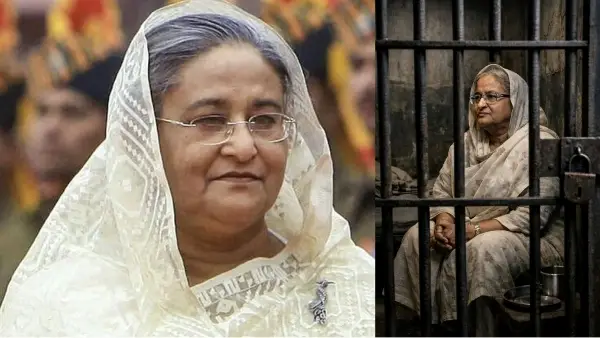
On February 2, 2026, Sheikh Hasina, the former Prime Minister of Bangladesh, was sentenced to a total of 10 years in prison by a special court in Dhaka for her involvement in two corruption cases related to irregularities in the allocation of government plots under the Purbachal New Town project. The ruling was delivered by Judge Rabiul Alam of Dhaka Special Judge Court‑4.
Alongside Sheikh Hasina, several family members were also convicted:
- Sheikh Hasina was sentenced to 10 years’ imprisonment.
- Tulip Siddiq, a British Member of Parliament and Hasina’s niece, received a four‑year term.
- Several other officials linked to the cases were also penalized, and the plots in question were ordered to be canceled.
The Sheikh Hasina Conviction 2026 came amidst a broader sweep of legal challenges Hasina faces, including other corruption convictions totalling up to 21 years in different cases and even a death sentence in absentia in a separate International Crimes Tribunal (ICT) trial over allegations of “crimes against humanity”.
The 457‑page ICT verdict released earlier outlines charges tied to the July 2024 student uprising, alleging that actions under Hasina’s leadership resulted in systemic abuses.
Who Is Sheikh Hasina?
Sheikh Hasina is one of Bangladesh’s most influential and enduring political leaders, known for her long-standing role as the head of the Awami League, Bangladesh’s dominant political party. She has served multiple terms as Prime Minister, first taking office in 1996, and later leading the government through consecutive terms from 2009 onward. Under her leadership, Bangladesh experienced notable economic growth, expansion of infrastructure projects such as roads, bridges, and power plants, and a more prominent role on the international stage. Her government focused on poverty reduction programs, digital transformation initiatives, and the promotion of women’s empowerment.
Despite her achievements, Sheikh Hasina’s tenure was not without controversy. She faced repeated criticism for crackdowns on political opposition, restrictions on media freedom, and allegations of human rights abuses. Her administration was accused of centralizing power and suppressing dissent, which created tensions among opposition parties and civil society groups.
These controversies reached a peak during the mass protests of 2024, when nationwide demonstrations highlighted public discontent over governance, corruption, and political transparency. The unrest and political turbulence that followed ultimately led to her removal from office and a series of legal battles, now culminating in the high-profile Sheikh Hasina Conviction 2026.
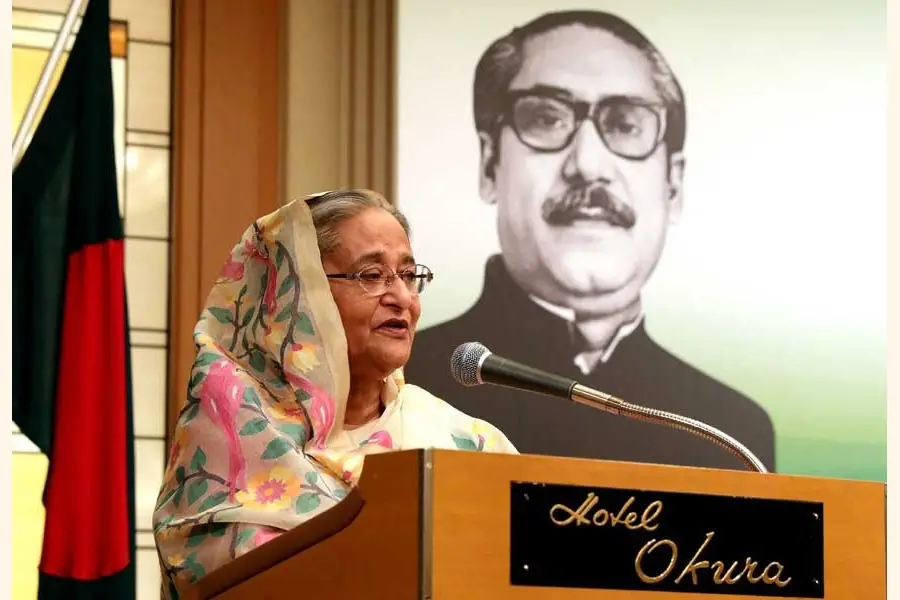
In addition to her political role, Sheikh Hasina is also the daughter of Sheikh Mujibur Rahman, the founding father of Bangladesh, which has cemented her as a symbolic figure in the country’s history and political identity. Her legacy continues to influence both domestic politics and Bangladesh’s relationships with global partners, making her conviction a historic and highly significant development.
Political Background to the Convictions
The wider context of the Sheikh Hasina Conviction 2026 includes several intertwined forces that reshaped Bangladesh’s political landscape and legal system:
🔹 2024 Mass Protests and Government Overthrow
A major wave of student-led protests in July–August 2024 escalated into nationwide unrest. Security forces’ harsh response reportedly resulted in hundreds of casualties, drawing widespread international concern and condemnation from human rights organizations.
🔹 Interim Government and Political Trials
Following the fall of Hasina’s government, an interim administration led by Nobel laureate Muhammad Yunus took control. This government initiated a broad reform agenda, including judicial reviews, anti-corruption drives, and a series of high-profile investigations and prosecutions against former political leaders.
🔹 Multiple Legal Fronts
Aside from the corruption convictions tied to the Purbachal New Town project, Hasina has faced cases at the International Crimes Tribunal, with one verdict reportedly sentencing her to death in absentia, though enforcement remains uncertain.
🔹 Polarized Political Climate
These legal actions have unfolded amid intense political polarization, with supporters claiming the cases represent delayed accountability, while critics argue they reflect politically motivated justice. The trials have deepened divisions across party lines and sparked debates over judicial independence, rule of law, and democratic stability in Bangladesh.

What’s Happening Now: Reactions and Repercussions
Political Responses and Public Opinion
The Sheikh Hasina Conviction 2026 has sparked deeply polarized reactions across Bangladesh’s political spectrum and wider society.
Supporters of the convictions argue that justice is finally being served and that even the most powerful leaders must be held accountable under the rule of law. Proponents of the ICT verdict describe the ruling as a long-awaited step toward justice for victims of the July uprising and past political violence.
Critics, including Awami League loyalists and some civil society figures, denounce the trials as politically engineered efforts designed to dismantle Hasina’s influence and prevent her party from returning to power. They warn that selective prosecutions could undermine public trust in the judiciary.
The Awami League remains barred from participating in the February 2026 elections, a decision that has intensified national debate over political inclusiveness and due process. The ban has also raised concerns among voters who fear reduced political choice.
Impact on Elections
With Bangladesh scheduled for general elections in 2026, the absence of Hasina’s leadership and the exclusion of her party have dramatically reshaped the political landscape. Analysts suggest this could increase voter volatility, encourage new political coalitions, and strengthen emerging opposition movements.
At the same time, uncertainty surrounding the elections has sparked questions about democratic legitimacy, electoral competitiveness, and long-term political stability. International observers and foreign governments are expected to closely monitor the electoral process, viewing it as a critical test of Bangladesh’s democratic transition.
International Reactions
The Sheikh Hasina Conviction 2026 and related legal proceedings have drawn significant international attention, reflecting Bangladesh’s growing importance in regional and global politics.
The United Nations and international human rights organizations have raised concerns about due process, fair trial standards, and the use of in-absentia convictions, particularly in cases involving capital punishment. These bodies have called for transparency and adherence to international human rights obligations.
Foreign governments, including India and the United Kingdom, have taken cautious diplomatic positions as debates intensify over extradition, legal safeguards, and judicial independence. Diplomatic channels remain active as both countries seek to balance strategic partnerships with legal and human rights considerations.
In the UK, several political figures have publicly criticized the convictions involving British MP Tulip Siddiq, highlighting the complexity of cross-border legal issues and the potential political implications within the British Parliament. The case has prompted renewed discussion on the limits of international jurisdiction and mutual legal assistance.
Overall, the international dimension has placed added pressure on Bangladesh’s interim government to balance domestic demands for accountability with global legal norms, diplomatic relationships, and its international reputation. How these concerns are addressed may influence foreign investment, development cooperation, and Bangladesh’s standing in multilateral forums.
Legal and Human Rights Concerns
Human rights advocates argue that certain aspects of the legal proceedings raise concerns about compliance with international legal standards. Critics contend that trials conducted in the absence of the primary accused, particularly under an interim government with extensive authority, may weaken due process and judicial independence.
At the same time, supporters of accountability for severe abuses insist that no political leader should be immune from the law. They emphasize the moral and legal obligation to deliver justice for victims of political violence, corruption, and alleged crimes against humanity.
International legal experts have also highlighted the importance of transparent procedures, access to defense, and the right to appeal in such high-profile cases. Without these safeguards, they warn, verdicts risk being viewed as politically driven rather than legally grounded.
These debates point to broader challenges surrounding transitional justice, including how tribunals operate during political transitions and how societies confront painful chapters of their past while striving to uphold the rule of law and human rights protections.
Political Impact: What This Means for Bangladesh
The Sheikh Hasina Conviction 2026 is likely to shape Bangladesh’s political environment for years to come, influencing leadership structures, public trust, and democratic norms.
🔹 Power Shift Among Parties
With the Awami League sidelined, opposition parties such as the Bangladesh Nationalist Party (BNP) are seeking to consolidate influence. This shift could disrupt the two-party dominance that has defined Bangladeshi politics for decades and open space for smaller or emerging political groups.
🔹 Youth and Civil Activism
Youth movements and civil society organizations are increasingly vocal and politically engaged. While some groups advocate for systemic reform, transparency, and accountability, others warn that prolonged political exclusion may deepen polarization and heighten the risk of instability.
🔹 Voter Sentiment and Participation
Public confidence in election integrity, government transparency, and political representation has become a central topic of national debate. Whether voters feel empowered or disillusioned by recent developments will play a decisive role in turnout and post-election legitimacy.
🔹 Leadership Vacuum and Party Realignment
The absence of long-standing political leadership may create a vacuum within major parties, forcing internal restructuring and leadership contests. This could redefine party ideologies, alliances, and policy priorities.
🔹 Governance and Policy Continuity
Frequent political transitions raise concerns about policy continuity, particularly in areas such as economic reform, foreign relations, and development planning. Uncertainty at the leadership level may slow decision-making and implementation.
🔹 Institutional Trust and Democratic Norms
How institutions such as the judiciary, election commission, and security agencies perform during this period will strongly influence public trust. Their perceived independence and professionalism could determine whether democratic norms are strengthened or weakened.
🔹 Long-Term Political Stability
The handling of post-conviction politics may set a precedent for how Bangladesh manages future transitions of power. Inclusive dialogue and transparent governance could stabilize the system, while exclusion and confrontation may prolong political volatility.
Economic Impacts
Political instability and high‑profile convictions like the Sheikh Hasina Conviction 2026 often have economic consequences:
Market Confidence
Local and foreign investors tend to respond to perceived political risk. Concerns about policy consistency and governance can dampen investment flows and affect currency stability.
Business Environment
Uncertainty surrounding leadership and future governance might slow decision‑making among businesses, particularly in sectors sensitive to regulatory frameworks.
Development Projects
Ongoing infrastructure and investment projects could face delays as political priorities shift during the election period and afterward.
Where the Country Stands Today
Bangladesh in early 2026 finds itself at a crucial juncture:
- A major former leader has been convicted and faces significant legal penalties.
- Political parties are repositioning ahead of elections.
- International actors are watching closely.
Public sentiment remains divided, with debates over justice, democracy, and national identity dominating headlines and social conversations.
Key Takeaways
Here’s what you need to remember about the Sheikh Hasina Conviction 2026:
- Hasina has been handed 10 years in prison in corruption cases connected to the Purbachal plot scam.
- Separate ICT rulings have gone further, including death sentences in absentia over crimes against humanity.
- Her party’s exclusion from the 2026 elections is reshaping Bangladesh’s political field.
- The convictions have triggered intense debate about justice, legality, and political motives.
FAQ: Sheikh Hasina Conviction 2026
1. What is the Sheikh Hasina Conviction 2026?
The Sheikh Hasina Conviction 2026 refers to the legal verdict in which former Bangladeshi Prime Minister Sheikh Hasina was sentenced in corruption cases related to government land allocation and other charges. The conviction has significant political and social implications for Bangladesh.
2. Why was Sheikh Hasina convicted in 2026?
Sheikh Hasina was convicted for alleged corruption and misuse of power in the allocation of plots under the Purbachal project and other administrative irregularities. The conviction also comes after other international and domestic trials.
3. What is the sentence for Sheikh Hasina Conviction 2026?
Sheikh Hasina received a 10-year prison sentence in the main corruption cases. Separate rulings, including death sentences in absentia for crimes against humanity, have also been issued in other tribunals.
4. How does Sheikh Hasina Conviction 2026 affect Bangladesh politics?
The conviction has reshaped party dynamics, influenced voter sentiment ahead of the 2026 general elections, and strengthened the position of opposition parties. It has also sparked debates over democracy, justice, and governance.
5. Has Sheikh Hasina appealed her conviction?
Yes, legal experts indicate that appeals are expected, and her party may challenge the verdict in higher courts, which could prolong political uncertainty in Bangladesh.
6. What has been the public reaction to Sheikh Hasina Conviction 2026?
Public opinion is divided: some citizens see the conviction as accountability and justice, while others view it as a politically motivated action. Protests and social media discussions are ongoing across Bangladesh.
7. How has the international community reacted to Sheikh Hasina Conviction 2026?
International observers and human rights organizations have expressed concerns about fair trial standards and due process. Governments in the UK, India, and other countries are monitoring the situation closely.
8. Will Sheikh Hasina’s party be able to contest the 2026 elections?
Currently, the Awami League faces restrictions, with key leaders excluded from participating in the elections, significantly impacting the political landscape.
9. What are the long-term impacts of Sheikh Hasina Conviction 2026?
The conviction could reshape political leadership, voter behavior, and civil activism, affect economic confidence, and influence Bangladesh’s international image and foreign relations.
10. Where can I follow updates on Sheikh Hasina Conviction 2026?
Reliable news sources like Dhaka Tribune, Daily Sun, Al Jazeera, and BBC provide regular updates. Social media platforms also have trending discussions and public reactions.
Conclusion
The Sheikh Hasina Conviction 2026 is far more than a legal headline — it represents a transformative moment in Bangladesh’s political narrative. Whether interpreted as a step toward accountability or as politically motivated justice, the conviction has fundamentally altered how power, governance, and the rule of law are debated in the country.
As Bangladesh moves toward a critical electoral period, the implications of this case will continue to influence political alliances, voter behavior, and institutional credibility. The handling of legal appeals, election oversight, and political inclusion will be closely scrutinized both domestically and internationally.
Beyond immediate political outcomes, the conviction raises deeper questions about democratic resilience, transitional justice, and national reconciliation. How Bangladesh balances accountability with fairness may define public trust in its institutions for years to come.
For Bangladeshis and global observers alike, understanding these evolving dynamics is essential to grasping the future direction of one of South Asia’s most politically significant and closely watched democracies.