
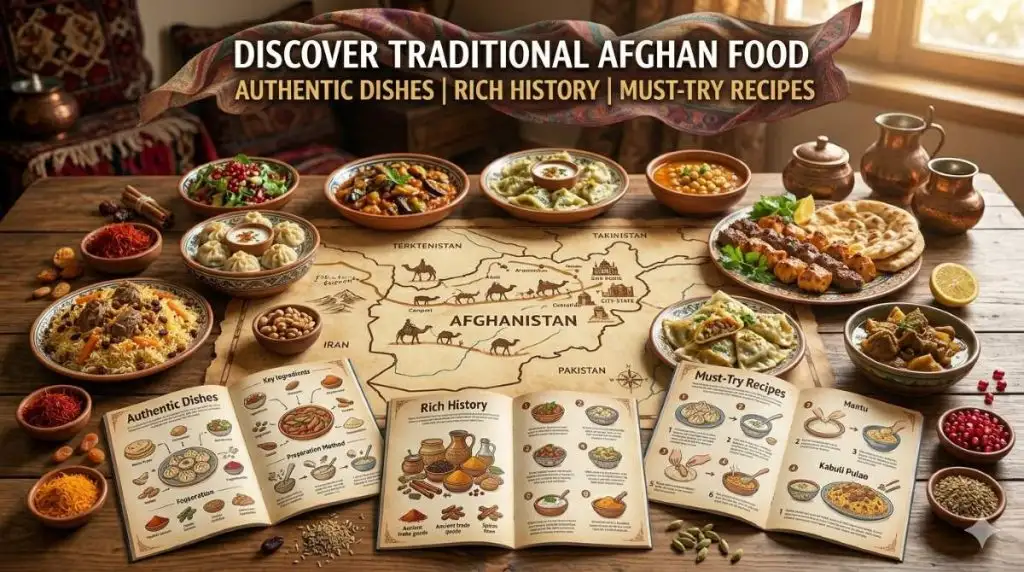
Traditional Afghan food guide! Discover authentic dishes, rich history, and must-try recipes for a unique taste.
Introduction
Traditional Afghan food is more than just a meal—it is a rich reflection of history, geography, and culture. Located at the crossroads of Central Asia, South Asia, and the Middle East, Afghanistan has developed a unique culinary identity influenced by ancient trade routes like the Silk Road.
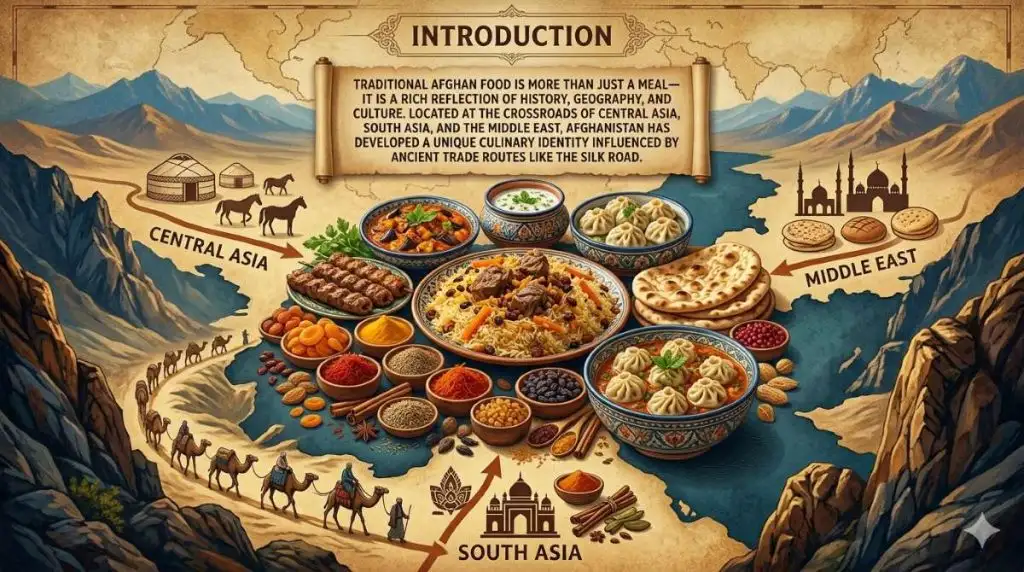
These connections introduced a variety of spices, cooking techniques, and ingredients that still define traditionalAfghan food today.From fragrant rice dishes like Kabuli Pulao to slow-cooked meat curries and handmade dumplings, Afghan cuisine is known for its balanced flavors, natural ingredients, and comforting textures.
Fresh herbs, dried fruits, nuts, and yogurt are commonly used to create dishes that are both nutritious and delicious. Unlike overly spicy cuisines, Afghan food focuses on mild yet aromatic seasoning that enhances the natural taste of ingredients.
Another important aspect of traditional Afghan food culture is hospitality. Meals are often prepared with great care and shared generously with family and guests.
Recipes are passed down through generations, preserving authenticity and tradition. In this guide, you will discover the most popular Afghan dishes, their origins, and why they continue to win hearts around the world.
1. Kabuli Pulao – The Heart of Afghan Cuisine
No guide to traditional Afghan food is complete without Kabuli Pulao, the national dish of Afghanistan and a true symbol of its culinary heritage. This iconic rice dish is prepared with long-grain basmati rice, tender lamb or beef, and topped with caramelized carrots, sweet raisins, and crunchy nuts like almonds or pistachios.
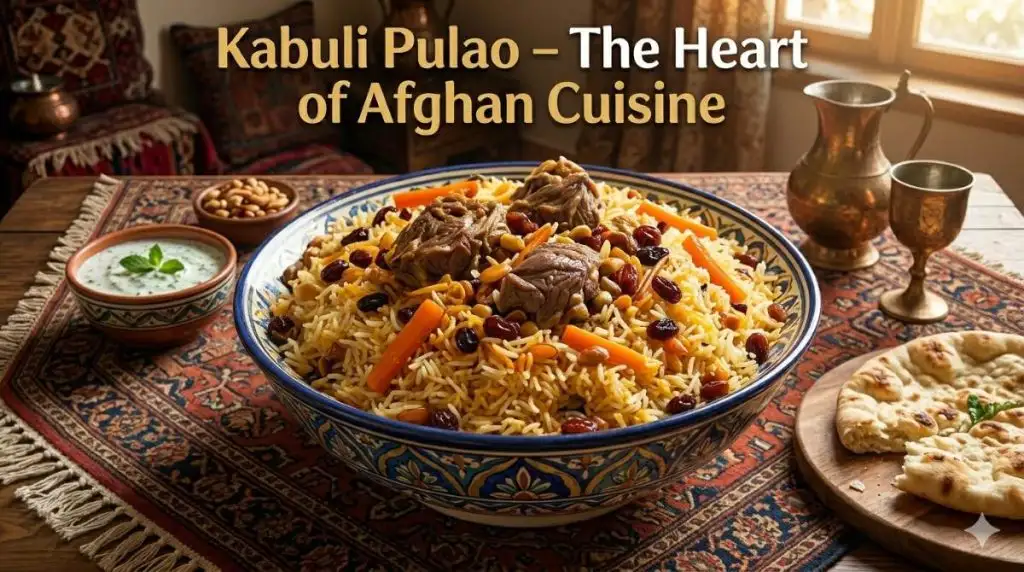
The result is a perfect harmony of flavors—savory, slightly sweet, and deeply aromatic. Kabuli Pulao stands out for its unique cooking technique. The meat is slow-cooked with spices, while the rice is steamed separately to maintain its light, fluffy texture.
Everything is then layered together, allowing the flavors to blend beautifully. Unlike many spicy dishes, Kabuli Pulao focuses on subtle seasoning and natural taste, making it appealing to a wide range of food lovers.
This dish holds deep cultural importance in Afghan society. It is commonly served during weddings, Eid festivals, and special family gatherings, representing hospitality, celebration, and tradition. For anyone exploring Afghan cuisine, Kabuli Pulao is a must-try dish that perfectly captures the essence of authentic Afghan flavors.
2. Mantu – Juicy Afghan Dumplings
Mantu are one of the most loved dishes in traditional Afghan food, known for their delicate texture and rich, comforting flavor. These small dumplings are carefully filled with spiced minced meat—usually beef or lamb—mixed with finely chopped onions and mild seasonings.

The dumplings are then steamed, which keeps them soft, juicy, and light compared to fried snacks.What makes Mantu truly special is the way they are served. They are topped with a creamy garlic yogurt sauce and often finished with a layer of lentils or lightly spiced tomato gravy.
This combination creates a perfect balance of savory, tangy, and slightly creamy flavors, making every bite satisfying.Mantu also carries deep historical significance. Influenced by the ancient Silk Road, similar dumpling traditions spread across Central Asia and beyond, shaping Afghan cuisine over time.
Today, Mantu is a popular dish at weddings, family gatherings, and festive events, where it is often prepared in large batches. As a result, it represents not only flavor but also community, tradition, and shared culinary heritage in Afghan culture.
3. Ashak – A Unique Vegetarian Delight
Ashak is a standout dish in traditional Afghan food, offering a flavorful vegetarian option that feels both light and satisfying. While it may look similar to Mantu, Ashak has its own identity. Instead of meat, these delicate dumplings are filled with finely chopped leeks or green onions, creating a fresh, mildly tangy taste that is both unique and refreshing.
The preparation of Ashak reflects the care and tradition behind Afghan cooking. The dumplings are gently boiled or steamed, then topped with a rich garlic yogurt sauce and a layer of lightly spiced tomato gravy. Sometimes, lentils are added on top, enhancing both texture and nutrition.
This combination delivers a perfect balance of creamy, tangy, and savory flavors, making Ashak a favorite even among non-vegetarians.
Ashak is often prepared during special occasions because it requires time, skill, and patience. Families come together to make the dumplings by hand, turning cooking into a shared experience. As a result, Ashak represents not just a dish, but a tradition rooted in hospitality, culture, and authentic Afghan culinary heritage.
4. Bolani – Crispy Afghan Street Food
Bolani is a beloved staple in traditional Afghan food, known for its crispy texture and simple yet delicious flavor. This thin, stuffed flatbread is lightly fried on a pan until golden and crunchy on the outside, while remaining soft and flavorful inside.
It is typically filled with ingredients like mashed potatoes, spinach, lentils, or pumpkin, making it a versatile option for both vegetarians and non-vegetarians.One of the reasons Bolani is so popular is its accessibility. You’ll often find it sold as street food across Afghanistan, freshly made and served hot.
At the same time, it is a common homemade dish enjoyed during family meals or gatherings. It is usually paired with a side of yogurt, mint chutney, or fresh salad, which enhances its taste with a refreshing contrast.
Bolani represents the beauty of Afghan cuisine—simple ingredients transformed into satisfying meals. It is affordable, easy to prepare, and perfect as a snack, appetizer, or light meal. Whether enjoyed on the streets or at home, Bolani continues to be a favorite in Afghan food culture, offering a crispy and comforting experience in every bite.
5. Qorma – Flavorful Afghan Curry
Qorma is a cornerstone of traditional Afghan food, known for its rich taste and slow-cooked depth of flavor. Unlike typical curries, Afghan Qorma focuses on gentle spices and careful cooking techniques rather than intense heat.
It is prepared by slowly sautéing onions until golden, then adding tomatoes, mild spices, and either meat or vegetables to create a thick, aromatic sauce.
There are several popular varieties of Qorma that reflect the diversity of Afghan cuisine. Qorma Gosht is made with tender lamb or beef, offering a hearty and satisfying meal. Qorma Sabzi, prepared with spinach and herbs, provides a lighter yet flavorful option.
Meanwhile, Qorma Banjan, made with eggplant, is loved for its soft texture and slightly smoky taste. Each variation highlights different ingredients while maintaining the signature richness of Qorma.
The slow-cooking process allows the flavors to blend perfectly, resulting in a dish that is both comforting and deeply satisfying. Qorma is typically served with steamed rice or fresh Afghan bread, making it a daily staple in many households. Its versatility, balanced seasoning, and cultural importance make it one of the most essential dishes in Afghan culinary tradition.
6. Afghan Kebab – Simple and Smoky
Afghan Kebab is a classic highlight of traditional Afghan food, loved for its simplicity, smoky aroma, and rich natural flavor. Unlike many heavily spiced kebab varieties found in other cuisines, Afghan kebabs focus on enhancing the natural taste of fresh meat rather than overpowering it with strong spices.
These kebabs are usually made from finely minced lamb or beef, mixed with a small amount of salt, black pepper, onions, and mild spices. The mixture is shaped onto skewers and grilled over an open flame or charcoal fire. This cooking method gives the kebabs their signature smoky flavor and slightly crispy outer texture, while keeping the inside juicy and tender.
Afghan kebabs are often served with warm naan bread, fresh salads, and sometimes a side of chutney or yogurt sauce. This combination creates a balanced meal that is both satisfying and refreshing. They are commonly enjoyed at street stalls, restaurants, and family gatherings across Afghanistan.
Simple yet flavorful, Afghan kebabs represent the essence of Afghan cooking—minimal ingredients, careful preparation, and maximum taste. Their popularity continues to grow worldwide, making them one of the most recognizable dishes in Afghan cuisine.
7. Aush – Comfort in a Bowl
Aush is a warm and nourishing dish in traditional Afghan food, widely loved for its comforting taste and wholesome ingredients. It is a thick noodle soup made with a combination of lentils, fresh herbs, and sometimes small pieces of meat, creating a balanced and filling meal.
The noodles are cooked until soft and blended with a flavorful broth that is lightly seasoned, allowing the natural ingredients to shine.What makes Aush truly special is its finishing touch. Before serving, it is topped with creamy yogurt, dried mint, and sometimes a drizzle of spiced oil.
This adds a refreshing and slightly tangy flavor that perfectly complements the warm soup base. The result is a dish that is both rich and light at the same time.Aush is especially popular during cold seasons in Afghanistan, as it provides warmth, energy, and comfort. It is often prepared at home for family meals and shared during gatherings.
Because of its nutritional value and soothing nature, Aush is considered one of the most comforting traditional Afghan soups, representing care, warmth, and home-style cooking in Afghan culture.
8. Chapli Kebab – A Spicy Favorite
Chapli Kebab is one of the most famous dishes in traditional Afghan food, known for its bold flavor, crispy texture, and satisfying taste. Unlike regular kebabs, Chapli Kebab is flat and round in shape, making it unique and easily recognizable in Afghan cuisine.
It is traditionally made from minced beef or lamb, mixed with onions, tomatoes, fresh coriander, green chilies, and a blend of aromatic spices.
The mixture is shaped into patties and pan-fried in hot oil until the outside becomes golden and crispy while the inside remains juicy and tender. This contrast of textures is what makes Chapli Kebab so popular among food lovers.
Although it has regional variations across Afghanistan, the dish is widely enjoyed throughout the country and is also popular in neighboring regions. It is commonly served with warm naan bread, fresh salad, and tangy chutney, which enhances its rich and spicy flavor.
Chapli Kebab is often enjoyed at street food stalls, restaurants, and family gatherings. Its strong aroma, spicy kick, and hearty nature make it a favorite choice for those who love authentic Afghan street food and traditional grilled dishes.
9. Firni– Sweet Afghan Dessert
Firni is a beloved dessert in traditional Afghan food, known for its smooth texture, light sweetness, and comforting flavor. This creamy pudding-like dish is made from simple ingredients such as milk, sugar, and cornflour, which are slowly cooked together until thick and silky.
To enhance its aroma and taste, Firni is flavored with cardamom, giving it a warm and fragrant touch that is signature to Afghan desserts.
Once prepared, Firni is usually chilled before serving, making it a refreshing treat after a heavy meal. It is often garnished with finely chopped pistachios or almonds, adding a subtle crunch and a rich nutty flavor. Some variations may also include rose water, which gives the dessert a delicate floral note.
Firni is especially popular during festivals, weddings, and family gatherings, where it is served as a symbol of celebration and hospitality. Its light texture makes it suitable for all age groups, and it is often enjoyed after traditional Afghan meals like Kabuli Pulao or kebabs.
Simple yet elegant, Firni represents the sweet side of Afghan cuisine, offering a perfect balance of flavor, tradition, and comfort in every spoonful.
10. Sheer Khurma – Festive Sweet Dish
Sheer Khurma is one of the most cherished desserts in traditional Afghan food, especially during religious festivals like Eid. This rich and flavorful sweet dish is prepared with a luxurious mix of milk, fine vermicelli, dates, sugar, and a variety of nuts such as almonds, pistachios, and cashews.
It is gently cooked until the ingredients blend into a creamy, aromatic dessert that feels both comforting and festive.The name “Sheer Khurma” comes from Persian, meaning “milk with dates,” which reflects its key ingredients and cultural roots.
In Afghan households, this dish is more than just a dessert—it is a symbol of joy, gratitude, and togetherness. Families prepare it in large quantities to share with relatives, neighbors, and guests during Eid celebrations.
What makes Sheer Khurma special is its rich texture and layered flavor. The sweetness of dates combines beautifully with the creaminess of milk and the crunch of nuts, creating a perfectly balanced festive treat. Sometimes, cardamom and rose water are added to enhance its aroma.
Sheer Khurma remains a timeless part of Afghan culinary tradition, representing warmth, celebration, and the spirit of sharing in every bowl.
Why Traditional Afghan Food Stands Out
One of the main reasons traditional Afghan food is gaining global popularity is its perfect balance of flavor, nutrition, and simplicity. Unlike many cuisines that rely heavily on spices or oil, Afghan cooking focuses on natural taste, fresh ingredients, and gentle seasoning that enhances rather than hides the food’s original flavor.
Afghan dishes are usually prepared with a thoughtful combination of rice, meat, vegetables, yogurt, and herbs. This creates meals that are not only delicious but also nutritionally balanced and satisfying. For example, rice dishes are often paired with slow-cooked meat or vegetables, while yogurt is commonly used as a refreshing side or topping to add creaminess and aid digestion.
Another key feature of traditional Afghan food culture is slow cooking. Many dishes are prepared over low heat for long periods, allowing flavors to blend deeply and naturally. This method results in rich, aromatic meals without the need for excessive spices or artificial flavoring.
Because of this healthy balance and authentic cooking style, Afghan cuisine is increasingly appreciated worldwide. It offers a unique combination of taste, tradition, and wholesomeness, making it stand out among global food cultures and attracting food lovers who value both flavor and simplicity.
The Cultural Importance of Afghan Cuisine
In Afghanistan, food is deeply connected to hospitality, respect, and family values. Serving guests with generous portions is a long-standing tradition, reflecting warmth and honor toward visitors. In many homes, offering food is considered one of the highest signs of kindness, and guests are always welcomed with fresh, homemade meals prepared with care.
Another important aspect of traditional Afghan food culture is togetherness. Meals are rarely eaten alone; instead, families and friends gather around the table to share food, stories, and time. This shared experience strengthens relationships and builds strong community bonds.
Cooking itself is often a collective activity, especially for traditional dishes like Mantu and Ashak. These recipes require patience, teamwork, and coordination, with family members helping prepare dough, fillings, and sauces together. This process turns cooking into a social event rather than a simple task.
Because of this, Afghan cuisine is not just about eating—it represents connection, unity, and cultural identity. Every dish carries emotional value, reminding people of home, tradition, and the importance of sharing life’s moments with others.
Tips for Trying Traditional Afghan Food
If you are new to traditional Afghan food, starting with the right dishes can help you truly enjoy its rich flavors and cultural depth. Begin your journey with Kabuli Pulao, the national dish, as it offers a complete experience of Afghan cuisine with its perfect mix of rice, meat, and sweet-savory flavors.
Next, try dumpling dishes like Mantu or Ashak. These soft, flavorful dumplings highlight the creativity and tradition behind Afghan cooking. For a lighter option, Bolani is an excellent choice—crispy, stuffed flatbread that works perfectly as a snack or quick meal.
To enhance your experience, always pair Afghan dishes with yogurt-based sauces. They add creaminess, balance spices, and improve overall taste. Exploring these dishes step by step will help you understand the authentic taste of Afghan cuisine in a simple and enjoyable way.
Final Thoughts
Traditional Afghan food offers a rich blend of history, culture, and flavor. Each dish tells a story—of trade routes, family traditions, and the warmth of Afghan hospitality.
Whether you’re a food lover or simply curious about global cuisine, these dishes are worth exploring. Once you try them, you’ll understand why Afghan food is slowly gaining recognition around the world.
FAQ: Traditional Afghan Food
1. What is traditional Afghan food?
Traditional Afghan food is a mix of Central Asian, Middle Eastern, and South Asian influences. It includes rice dishes, grilled meats, dumplings, soups, and bread, all prepared with natural spices and fresh ingredients.
2. What is the most famous Afghan dish?
The most famous dish is Kabuli Pulao, made with basmati rice, lamb or beef, carrots, raisins, and nuts. It is widely regarded as Afghanistan’s national culinary dish.
3. Is Afghan food spicy?
No, Afghan food is generally not very spicy. It focuses more on aromatic flavors, herbs, and balanced seasoning rather than hot spices.
4. What are popular traditional Afghan dishes?
Popular dishes include Kabuli Pulao, Mantu, Ashak, Bolani, Qorma, Afghan kebabs, Aush, and Firni.
5. Is Afghan food healthy?
Yes, traditional Afghan food is often healthy because it uses fresh ingredients, lean meats, yogurt, lentils, and slow-cooking methods.
6. Do Afghan dishes include vegetarian options?
Yes, dishes like Ashak, Bolani, and some Qorma variations are vegetarian-friendly and widely enjoyed.
7. Why is Afghan food culturally important?
Afghan food represents hospitality, family bonding, and tradition. Meals are shared generously and often prepared together during gatherings and celebrations.