

Discover traditional Turkish dishes with rich history—explore must-try foods and flavors you’ll love today.
Introduction
Turkish cuisine is a rich blend of history, culture, and unforgettable taste, shaped over centuries by the legacy of the Ottoman Empire. Known for its diversity and bold flavors, Turkish cuisine offers a perfect balance of spices, fresh ingredients, and traditional cooking methods that continue to attract food lovers worldwide.
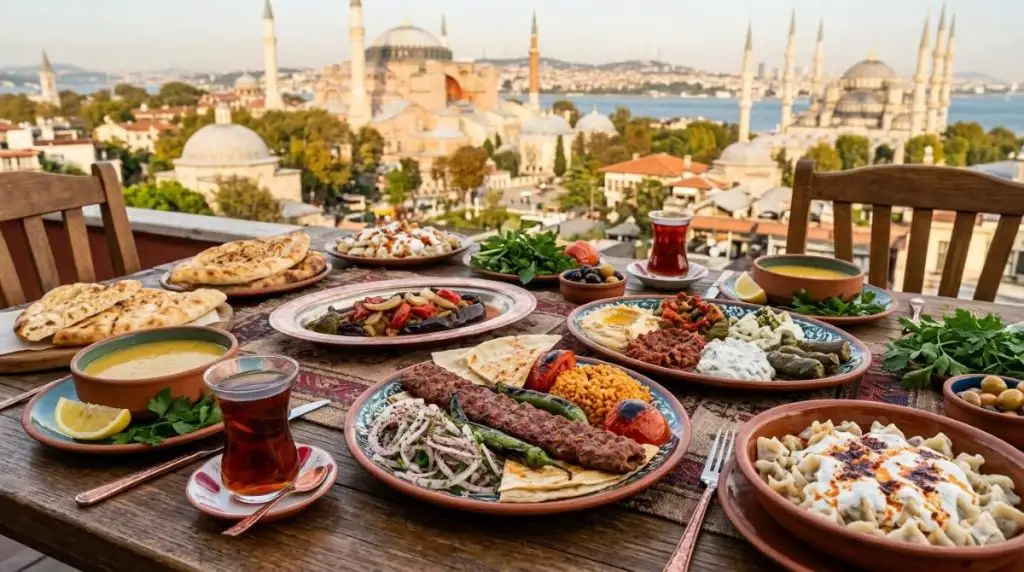
From smoky kebabs grilled over open flames to iconic desserts like baklava soaked in sweet syrup, every dish tells a cultural story. Meals are more than just food—they reflect hospitality, family traditions, and regional identity. Popular dishes such as kebabs, meze platters, and fresh bread showcase the depth of flavors that define this cuisine.
In 2026, Turkish food remains a top global culinary trend, offering travelers and food enthusiasts an authentic and satisfying experience. This guide explores must-try dishes, their origins, and why Turkish cuisine continues to stand out worldwide.
🏺 The Rich History Behind Turkish Cuisine
The story of Turkish cuisine begins with Central Asian nomadic tribes, whose simple diets of grilled meat, dairy, and grains laid the foundation for today’s iconic flavors. As these communities migrated west, their food culture evolved, blending with the rich culinary traditions of the Middle East, the Mediterranean, and the Balkans.

This fusion created a diverse and deeply rooted food heritage that still defines Turkish cooking today. A major turning point came during the Ottoman Empire, when palace kitchens transformed into centers of culinary creativity.
Royal chefs experimented with ingredients like lamb, rice, vegetables, and aromatic spices, developing refined recipes that balanced flavor, texture, and presentation. Many classic dishes enjoyed in modern Turkey trace their origins back to this golden era.
What makes traditional Turkish food truly special is this layered history. Every dish carries influences from different regions and cultures, offering a unique taste experience. Today, Turkish cuisine continues to captivate global food lovers, combining authenticity, tradition, and unforgettable flavor in every bite.
🍖 1. Kebap
Kebap is the true soul of Turkish cuisine, loved for its rich flavor and mouthwatering aroma. This iconic dish comes in many regional varieties, with Adana kebap and Urfa kebap being among the most popular. Made from carefully seasoned minced or sliced meat—often lamb or beef—kebap is traditionally grilled over charcoal, giving it a smoky, juicy, and slightly crispy texture that’s hard to resist.

What makes kebap special is the perfect balance of spices, herbs, and cooking technique passed down through generations. It’s typically served with fresh bread, grilled vegetables, and simple sides that enhance its bold taste without overpowering it.
👉 Why try it?
Kebap is one of the most famous Turkish dishes worldwide and a must-try for anyone exploring authentic flavors. Whether you’re visiting Turkey or trying it locally, this dish delivers a satisfying, protein-rich experience that truly represents the heart of Turkish food culture.
🫓 2. Lahmacun
Lahmacun, often referred to as “Turkish pizza,” is a محبوب street food that perfectly reflects the simplicity and bold flavors of Turkish cuisine. This thin, crispy flatbread is topped with a savory mixture of minced meat, finely chopped tomatoes, onions, and fresh herbs, then baked quickly in a hot oven until perfectly crisp around the edges.
What makes lahmacun special is its balance of textures and flavors—light yet satisfying, with a slightly smoky, tangy taste. It’s typically served with fresh parsley, a squeeze of lemon, and sometimes wrapped for easy eating on the go. Unlike heavy meals, lahmacun feels fresh and energizing, making it a favorite choice for both locals and travelers.
👉 Why try it?
Lahmacun is light, flavorful, and ideal for a quick street food experience. It’s perfect if you want to enjoy authentic Turkish taste without feeling too full—an easy, delicious bite that captures the essence of Turkey’s vibrant food culture.
🥟 3. Manti
Manti is one of the most comforting and beloved dishes in Turkish cuisine, known for its delicate preparation and rich flavor. These tiny dumplings are traditionally filled with spiced minced meat—usually lamb or beef—then carefully folded by hand and boiled or baked to perfection. What truly elevates manti is its signature topping: a creamy garlic yogurt sauce paired with warm melted butter infused with paprika or herbs.
Each bite offers a perfect balance of textures—soft dumplings, smooth yogurt, and a slightly buttery finish that feels both hearty and satisfying. Often considered a homemade specialty, manti reflects the importance of family traditions and shared meals in Turkish culture.
👉 Why try it?
Manti is the ultimate comfort food, offering a rich, creamy taste with deep cultural roots. It’s a must-try for anyone who wants to experience authentic Turkish home-style cooking and discover a dish that combines tradition, flavor, and warmth in every bite.
🍞 4. Pide
Pide is a classic favorite in Turkish cuisine, often described as a boat-shaped flatbread loaded with delicious fillings. Made from soft, hand-stretched dough, pide is traditionally topped with ingredients like melted cheese, spiced minced meat, eggs, or fresh vegetables. It’s then baked in a hot oven, creating a perfectly golden crust with a soft and fluffy interior.
What makes pide stand out is its versatility and comforting taste. Each region in Turkey offers its own variation, adding unique flavors and ingredients that reflect local traditions. Served hot and fresh, it’s commonly sliced into pieces, making it ideal for sharing with family and friends.
👉 Why try it?
Pide is the perfect balance of crispy and soft textures, delivering a warm, satisfying bite every time. Whether you choose a cheesy or meaty version, it’s a must-try Turkish dish that brings people together over simple, delicious food.
🍲 5. Dolma
Dolma is a traditional favorite in Turkish cuisine, known for its delicate flavors and cultural significance. The word “dolma” means “stuffed,” and it refers to vegetables like bell peppers, zucchini, or grape leaves filled with a fragrant mixture of rice, herbs, spices, and sometimes minced meat. Each variety offers a unique taste, from light and refreshing to rich and savory.
What makes dolma special is its balance of ingredients and careful preparation. Olive oil, lemon, mint, and parsley are often used to enhance the flavor, creating a dish that feels both healthy and satisfying. It can be served warm or cold, making it a versatile addition to any meal.
👉 Why try it?
Dolma represents Turkish hospitality and tradition, often served during family gatherings and special occasions. It’s more than just food—it’s a symbol of sharing, warmth, and the rich culinary heritage that defines Turkish culture.
🍳 6. Menemen
Menemen is a beloved breakfast staple in Turkish cuisine, known for its simple ingredients and rich, comforting taste. This traditional dish is made by gently cooking eggs with juicy tomatoes, green peppers, and olive oil, often finished with a touch of spices for extra flavor. The result is a soft, slightly saucy texture that pairs perfectly with fresh bread.
Menemen is more than just a meal—it’s part of a relaxed morning ritual in Turkey, where breakfast is enjoyed slowly with family or friends. Some variations include cheese or sucuk (spiced sausage), adding even more depth to the dish while keeping its authentic charm.
👉 Why try it?
Menemen is simple, healthy, and full of natural flavor, making it the perfect way to start your day. It’s light yet satisfying, offering a true taste of Turkish home-style cooking that’s both nourishing and delicious.
🍢 7. Köfte
Köfte is one of the most popular and versatile dishes in Turkish cuisine, loved for its juicy texture and rich, savory flavor. Made from ground beef or lamb, köfte is mixed with onions, garlic, herbs, and traditional spices, then shaped into small patties or balls. It can be grilled over charcoal for a smoky taste or pan-fried for a crispy outer layer while staying tender inside.
What makes köfte truly special is its regional diversity. Different areas of Turkey have their own unique versions, using special spice blends and cooking styles that create distinct flavors. It’s often served with rice, salad, or warm bread, making it a satisfying and balanced meal.
👉 Why try it?
Köfte is juicy, flavorful, and widely loved across Turkey. With so many regional varieties to explore, it offers a delicious way to experience the depth and creativity of traditional Turkish cooking in every bite.
🍚 8. Pilav
Pilav is a classic and essential side dish in Turkish cuisine, known for its simple ingredients and comforting taste. Made with fluffy rice cooked in butter or olive oil, pilav is often enhanced with lightly toasted vermicelli, which adds a subtle nutty flavor and a beautiful golden color. Some regional versions also include chickpeas, nuts, or spices for extra richness.
What makes pilav special is its perfect texture—soft, fluffy grains that are never sticky when cooked properly. It is a staple on Turkish tables and is served with almost every meal, especially alongside grilled meats, stews, and vegetable dishes. Despite its simplicity, pilav plays a big role in balancing flavors and completing a traditional Turkish meal.
👉 Why try it?
Pilav perfectly complements meat and vegetable dishes, making it a must-have side in Turkish dining. It’s light, satisfying, and versatile, offering a comforting taste that reflects the heart of everyday home cooking in Turkey.
🍮 9. Baklava
Baklava is one of the most famous and luxurious sweets in Turkish cuisine, loved for its rich texture and irresistible sweetness. This traditional dessert is made by layering thin, delicate filo pastry with finely chopped nuts such as pistachios or walnuts, then baked until golden and crispy.
After baking, it is generously soaked in sweet sugar or honey syrup, giving it a perfect balance of crunch and softness in every bite.Baklava is believed to have deep historical roots, with strong connections to the culinary traditions of the Ottoman Empire.
Over time, it became a symbol of celebration and hospitality, often served during festivals, weddings, and special occasions. Each region in Turkey adds its own touch, especially in the choice of nuts and syrup richness.
👉 Why try it?
Baklava is a symbol of Turkish sweetness and celebration. It delivers a rich, melt-in-your-mouth experience that reflects centuries of tradition. If you love desserts, this iconic treat is a must-try for its perfect blend of crunch, sweetness, and cultural heritage.
🧀 10. Künefe
Künefe is one of the most unique and indulgent desserts in Turkish cuisine, famous for its perfect mix of sweet and savory flavors. This warm dessert is made with finely shredded phyllo dough (kadayif), layered with soft, unsalted cheese, and baked until golden and crispy.
Once cooked, it is immediately soaked in light sugar syrup, creating a beautiful contrast between crunchiness and softness.
What makes künefe truly special is its texture and temperature. It is served hot, so the cheese inside becomes perfectly melted and stretchy, while the top layer stays crispy. Often garnished with crushed pistachios, it adds extra flavor and a vibrant finish that makes it even more appealing.
Künefe is especially popular in southern Turkey and is often enjoyed after meals as a rich dessert experience shared with family and friends. It reflects the creativity and diversity of Turkish sweets, combining simple ingredients into something extraordinary.
👉 Why try it?
Künefe delivers an unforgettable taste with its crispy texture and gooey cheese center. It’s a must-try dessert that perfectly represents the bold and unique side of Turkish culinary tradition.
🥗 Turkish Meze Culture – A Flavorful Start to Every Meal
Turkish meze culture is one of the most loved parts of Turkish cuisine, offering a beautiful variety of small, flavorful dishes served before the main course. These appetizers are designed for sharing, making every meal more social, warm, and enjoyable. In Turkey, meze tables are filled with fresh, colorful, and aromatic foods that reflect the country’s rich culinary heritage.
Some of the most popular meze dishes include creamy Hummus, a smooth blend of chickpeas, tahini, and olive oil. Another favorite is Haydari, a thick yogurt-based dip flavored with garlic, herbs, and olive oil. Ezme, a spicy tomato and pepper salad, adds a bold and tangy kick to the table.
Together, these appetizers highlight the freshness, balance, and diversity of Turkish flavors. Turkish meze culture is not just about food—it’s about sharing moments, enjoying conversation, and experiencing authentic Mediterranean dining at its best.
☕ Turkish Drinks You Shouldn’t Miss
In Turkishcuisine, drinks are just as important as the food itself, completing every meal with tradition and flavor. One of the most popular choices is Ayran, a cold yogurt-based drink that is refreshing, light, and perfect for balancing rich or spicy dishes. It is widely loved for its healthy and cooling effect, especially during hot weather.
Another must-try is Turkish tea, served in small tulip-shaped glasses. This strong black tea is enjoyed throughout the day and represents Turkish hospitality and daily life. It is usually offered to guests as a warm welcome.
Of course, no list is complete without Turkish coffee. Known for its strong flavor and thick texture, it is deeply cultural and often enjoyed slowly after meals. It is also famous for fortune-telling traditions using the coffee grounds.
Together, these drinks reflect the heart of Turkish culture—simple, meaningful, and full of tradition that brings people together in every sip.
🌍 Why Traditional Turkish Dishes Are So Popular
Traditional dishes from Turkish cuisine are loved worldwide for their perfect mix of taste, freshness, and cultural depth. One key reason is the use of fresh, natural ingredients like vegetables, herbs, olive oil, grains, and high-quality meats. Instead of overpowering spices, Turkish cooking focuses on balanced flavors that are rich, satisfying, and easy to enjoy for everyone.
Another strong point is variety. Meals often bring together meat, vegetables, legumes, and grains, creating dishes that are both filling and nutritious. Many recipes are also influenced by Ottoman cuisine, which adds deep historical and cultural significance to every bite.
From street food stalls to traditional home cooking, Turkish cuisine reflects centuries of heritage while still feeling modern and accessible today. This unique harmony of freshness, simplicity, and tradition is what makes Turkish food so popular and admired around the world.
💬 Final Thoughts
Traditional dishes from Turkish cuisine are more than just food—they are a journey through history, culture, and unforgettable flavors. From the rich legacy of Ottoman cuisine to modern home kitchens, every recipe carries a story, tradition, and emotion worth experiencing.
Whether you are discovering Turkish food for the first time or deepening your culinary exploration, these must-try dishes offer a perfect starting point. Each bite brings a balance of freshness, spices, and authenticity that reflects centuries of heritage.
One taste is enough to understand why Turkish cuisine is loved worldwide for its warmth, variety, and cultural richness.
Start your food journey today and explore the authentic taste of Turkey for an unforgettable dining experience, perfect for food lovers everywhere globally.
❓ FAQ: Traditional Turkish Dishes
1. What are traditional Turkish dishes?
Traditional Turkish dishes are authentic meals passed down through generations, shaped by regional ingredients and the legacy of the Ottoman Empire. They include grilled meats, vegetable-based dishes, breads, and rich desserts.
2. What is the most famous traditional Turkish dish?
The most famous dish is Kebap, known for its smoky flavor and variety. It’s widely considered the symbol of Turkish cuisine.
3. Are traditional Turkish dishes healthy?
Yes, many traditional Turkish dishes are healthy. They often use fresh vegetables, olive oil, yogurt, and lean meats, creating a balanced and nutritious diet.
4. What is a typical Turkish breakfast?
A traditional breakfast usually includes bread, cheese, olives, eggs like Menemen, tomatoes, cucumbers, and tea.
5. Is Turkish food spicy?
Turkish cuisine is generally not very spicy. Instead, it focuses on rich flavors using herbs, mild spices, and fresh ingredients.
6. What are popular Turkish desserts?
Some popular desserts include Baklava, Künefe, and Lokum, all known for their sweetness and unique textures.
7. What is Turkish street food?
Turkish street food includes quick and tasty dishes like Lahmacun and grilled meats, offering affordable and delicious options across the country.
8. Can I cook traditional Turkish dishes at home?
Yes, many traditional Turkish dishes are easy to prepare at home with simple ingredients and basic cooking techniques.
9. What is the role of bread in Turkish cuisine?
Bread is a staple in Turkish meals and is served with almost every dish, often used to scoop food or complement main courses.
10. Why are traditional Turkish dishes so popular worldwide?
Traditional Turkish dishes are popular because of their rich history, diverse flavors, and perfect balance between taste and nutrition, making them appealing to people around the world.