
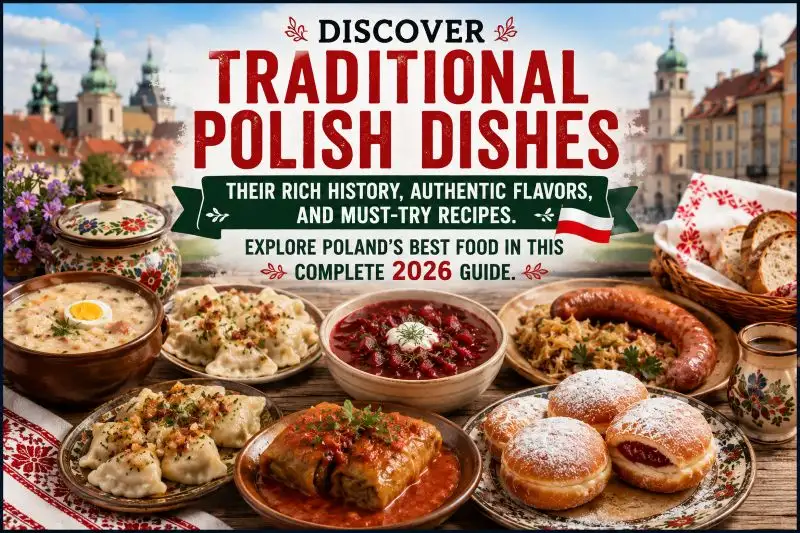
Discover Traditional Polish Dishes, their rich history, authentic flavors, and must-try recipes. Explore Poland’s best food in this complete 2026 guide.
Introduction
Traditional Polish Dishes are much more than everyday meals—they are a celebration of Poland’s history, culture, and family traditions. From hearty soups and handmade dumplings to flavorful meat dishes and delicious desserts, Polish cuisine has been shaped by centuries of regional customs, changing seasons, and influences from neighboring European countries.
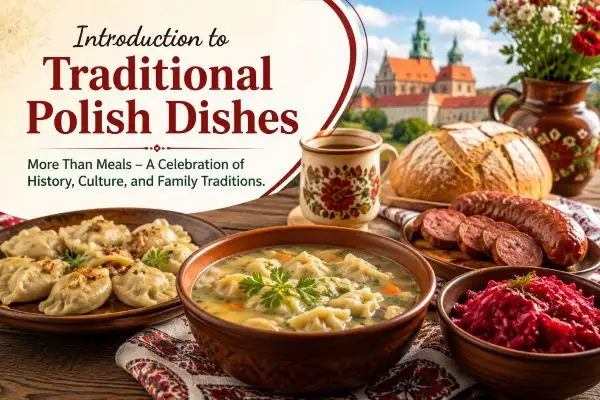
Food has always played a central role in Polish life. Families gather around the table to enjoy recipes that have been passed down through generations, especially during holidays, weddings, and special celebrations. Whether it’s a warm bowl of Żurek, freshly made Pierogi, or the famous hunter’s stew known as Bigos, every dish tells a story of resilience, hospitality, and pride.
One of the reasons Traditional Polish Dishes continue to attract food lovers from around the world is their balance of simple ingredients and rich flavors. Potatoes, cabbage, mushrooms, rye, fresh herbs, dairy products, and locally raised meats are transformed into comforting meals that reflect Poland’s agricultural heritage. These recipes are known for being satisfying, wholesome, and deeply connected to the country’s identity.
Today, Poland’s culinary scene combines timeless family recipes with modern cooking techniques, allowing visitors and home cooks alike to experience authentic flavors in new and exciting ways. Traditional restaurants, local markets, and seasonal food festivals keep these classic recipes alive while introducing them to a global audience.
In this guide, you’ll discover the fascinating history of Polish cuisine, learn why it has earned international recognition, and explore ten iconic Traditional Polish Dishes that every food enthusiast should experience in 2026. Whether you’re planning a trip to Poland or simply want to learn more about one of Europe’s most beloved cuisines, this guide will help you appreciate the flavors, traditions, and stories behind every bite.
History of Traditional Polish Dishes
The history of Traditional Polish Dishes stretches back more than a thousand years and reflects the country’s rich cultural heritage. Poland’s location at the crossroads of Central and Eastern Europe made it an important meeting point for traders, travelers, and neighboring civilizations. Over time, Polish cuisine evolved by blending local farming traditions with culinary influences from countries such as Germany, Lithuania, Ukraine, Hungary, Italy, and France.
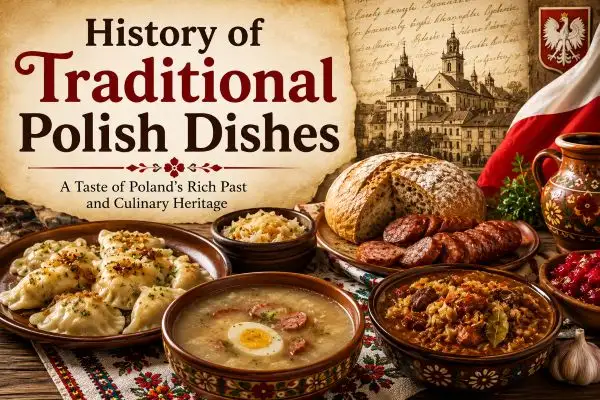
In medieval Poland, most meals were prepared using ingredients that could be grown or raised locally. Rye, wheat, barley, cabbage, onions, root vegetables, mushrooms, honey, freshwater fish, and wild game formed the foundation of everyday cooking. Farmers relied on seasonal produce, while forests supplied berries, herbs, and mushrooms that are still widely used in Polish recipes today.
As Poland became a powerful kingdom during the Renaissance, royal courts welcomed foreign chefs who introduced new ingredients and cooking methods. Italian influences became especially important after Queen Bona Sforza arrived in the 16th century, encouraging the use of fresh vegetables, salads, and herbs. These additions enriched Polish cuisine while preserving its traditional character.
Throughout the centuries, Poland experienced periods of political change, wars, and foreign rule. Despite these challenges, family recipes continued to be passed down from one generation to the next. Home cooking became a symbol of cultural identity, helping communities preserve their traditions even during difficult times.
Religious celebrations also shaped Polish food culture. Christmas Eve dinners traditionally feature meat-free dishes such as beetroot soup, mushrooms, carp, and poppy seed desserts, while Easter celebrations include sausages, eggs, horseradish, and festive cakes. These seasonal customs remain an important part of Polish family life today.
Modern Traditional Polish Dishes honor these centuries-old recipes while embracing fresh ingredients and contemporary presentation. Across Poland, regional specialties continue to showcase local flavors, proving that the country’s culinary heritage remains vibrant and deeply respected.
Why Traditional Polish Cuisine Is Famous
There are many reasons why Traditional Polish Dishes have become increasingly popular among travelers, chefs, and food enthusiasts around the world.

First, Polish cuisine is known for its comforting and generous portions. Meals are designed to be filling, making them especially enjoyable during Poland’s cold winters. Rich soups, handmade dumplings, roasted meats, and slow-cooked stews create flavors that are both satisfying and memorable.
Another reason for its popularity is authenticity. Many Polish recipes have remained unchanged for generations, preserving traditional cooking techniques and family traditions. Handmade Pierogi, slow-simmered Bigos, and freshly baked breads continue to be prepared using recipes handed down through families, giving every meal a genuine homemade taste.
Fresh, locally sourced ingredients also play an important role. Seasonal vegetables, forest mushrooms, fresh dairy products, aromatic herbs, smoked meats, and quality grains contribute to the distinctive flavors of Polish cuisine. This farm-to-table approach has helped maintain the natural taste and nutritional value of many classic dishes.
Poland’s diverse regions further enrich its culinary landscape. Mountain communities are famous for smoked sheep’s cheese, northern areas specialize in freshwater fish, while central and eastern regions offer hearty soups, dumplings, and meat dishes. Exploring these regional specialties allows visitors to experience the country’s cultural diversity through food.
In recent years, TraditionalPolish Disheshave gained worldwide recognition through international food festivals, travel documentaries, and social media. More restaurants outside Poland now serve authentic Polish cuisine, introducing global audiences to iconic dishes such as Pierogi, Żurek, Bigos, and Gołąbki.
Whether enjoyed in a cozy countryside inn, a modern city restaurant, or a family kitchen, Traditional Polish Dishes offer more than delicious flavors—they provide a meaningful connection to Poland’s history, traditions, and warm hospitality. That lasting combination of authenticity, comfort, and cultural pride is what makes Polish cuisine one of Europe’s most treasured culinary traditions.
After learning about the history and cultural importance of Polish cuisine, it’s time to explore some of the country’s most iconic recipes. These Traditional Polish Dishes have been enjoyed for generations and remain favorites among both locals and visitors. Each dish reflects Poland’s rich culinary heritage, regional traditions, and love for hearty, homemade food.
1. Pierogi – Poland’s Most Famous Dumplings
No list of Traditional Polish Dishes is complete without Pierogi. Often considered Poland’s national dish, these soft, handmade dumplings have been prepared for centuries and are enjoyed throughout the country.
Pierogi are made from a simple dough of flour, water, and eggs, then filled with a variety of delicious ingredients. Popular fillings include mashed potatoes with cheese, minced meat, mushrooms, sauerkraut, spinach, or sweet fruits such as blueberries and strawberries. After being boiled, they are often lightly pan-fried in butter and served with sour cream, crispy onions, or fresh herbs.
Pierogi are especially popular during Christmas, family gatherings, and festivals, where making them together has become a cherished tradition. Their versatility and comforting flavor have helped them become one of the best-known Polish foods around the world.
2. Bigos – The Legendary Hunter’s Stew
Known as the “Hunter’s Stew,” Bigos is one of the oldest and most beloved Traditional Polish Dishes. This slow-cooked meal combines sauerkraut, fresh cabbage, smoked sausage, pork, beef, mushrooms, onions, and aromatic spices.
The secret to exceptional Bigos is patience. Many families simmer the stew for several hours or even prepare it over multiple days, allowing the flavors to deepen and blend perfectly. Some traditional recipes also include dried plums or a splash of red wine for added richness.
Bigos has long been associated with hunting traditions and winter celebrations. Its rich flavor and satisfying texture make it a comforting meal during colder months, and many Poles believe it tastes even better when reheated the next day.
3. Żurek – Poland’s Iconic Sour Rye Soup
Żurek is one of the most distinctive TraditionalPolish Dishes, loved for its creamy texture and pleasantly tangy flavor. The soup is made using fermented rye flour, which gives it its signature sour taste.
A classic bowl of Żurek typically contains smoked sausage, bacon, potatoes, garlic, marjoram, and a boiled egg. In many traditional restaurants, the soup is served inside a hollowed-out loaf of rustic bread, creating a memorable dining experience.
Żurek is especially popular during Easter celebrations, although it is enjoyed year-round across Poland. Its combination of smoky, savory, and slightly sour flavors makes it one of the country’s most unique culinary specialties.
4. Gołąbki – Stuffed Cabbage Rolls
Among the most comforting Traditional Polish Dishes, Gołąbki has been a family favorite for generations. The name means “little pigeons,” although the dish contains no bird. Instead, tender cabbage leaves are wrapped around a flavorful filling of minced pork or beef mixed with rice or barley.
The cabbage rolls are slowly baked or simmered in a rich tomato sauce or mushroom gravy until perfectly tender. Every family has its own treasured recipe, often passed down from grandparents to younger generations.
Gołąbki are commonly served during Sunday lunches, weddings, and holiday gatherings. Their homemade taste and nourishing ingredients perfectly represent the warmth and hospitality of Polish home cooking.
5. Kotlet Schabowy – Poland’s Classic Breaded Pork Cutlet
Kotlet Schabowy is one of the most popular everyday Traditional Polish Dishes. Similar to a breaded cutlet, it features a boneless pork chop that is pounded thin, coated in flour, egg, and breadcrumbs, then fried until golden and crispy.
This hearty main course is usually served with creamy mashed potatoes, boiled potatoes, fresh salads, or braised cabbage. Many restaurants also pair it with pickled cucumbers or seasonal vegetables to balance its rich flavor.
Although inspired centuries ago by European cooking traditions, Kotlet Schabowy has become a true Polish classic. Its crispy exterior, juicy interior, and comforting taste make it a favorite choice for family dinners and traditional restaurants throughout the country.
6. Barszcz – Traditional Beetroot Soup
Barszcz, also known as Polish beetroot soup, is one of the country’s most recognizable dishes. Its vibrant red color comes from fresh beets, while garlic, onions, vegetables, and herbs create a rich, earthy flavor.
Barszcz can be served clear with small mushroom-filled dumplings called uszka or as a heartier soup with potatoes and vegetables. It is an essential part of the traditional Christmas Eve dinner and is enjoyed throughout the year in homes and restaurants across Poland.
7. Placki Ziemniaczane – Crispy Potato Pancakes
Placki Ziemniaczane, or Polish potato pancakes, are a favorite comfort food made from grated potatoes, onions, eggs, and flour. The mixture is fried until golden brown, creating a crispy outside and a soft, flavorful center.
They are commonly served with sour cream, mushroom sauce, beef stew, or even a sprinkle of sugar, depending on regional preferences. Their simple ingredients and satisfying taste make them one of the most popular homemade Traditional Polish Dishes.
8. Kielbasa – Poland’s Famous Sausage
No discussion of Traditional Polish Dishes is complete without Kielbasa. Poland is famous for producing a wide variety of smoked, fresh, and cured sausages using carefully selected cuts of pork, beef, or a combination of meats.
Made with a carefully balanced combination of garlic, marjoram, freshly ground black pepper, and signature Polish spices, Kielbasa offers a rich and savory flavor. It can be grilled, roasted, or simmered and is traditionally enjoyed with sauerkraut, tender potatoes, and a side of tangy mustard. It is a staple at family gatherings, festivals, and outdoor barbecues, representing the rich traditions of Polish meat preparation.
9. Oscypek – Smoked Mountain Cheese
Originating in the Tatra Mountains, Oscypek is a distinctive smoked sheep’s milk cheese made by the highland shepherds of southern Poland. Its firm texture, smoky aroma, and slightly salty flavor have made it one of Poland’s most treasured regional specialties.
Visitors often enjoy Oscypek grilled and served with cranberry jam, creating a delicious balance of savory and sweet flavors. It has become a must-try food for travelers exploring the mountain regions.
10. Pączki – Poland’s Beloved Filled Doughnuts
For dessert lovers, Pączki are an essential part of Traditional Polish Dishes, offering a soft, fluffy bite filled with sweet jams, creamy custards, or rich chocolate. These soft, deep-fried doughnuts are traditionally filled with rose petal jam, plum preserves, raspberry jam, vanilla custard, or chocolate.
They are especially popular on Fat Thursday, a festive celebration before Lent when bakeries across Poland sell millions of Pączki. Lightly dusted with powdered sugar or glazed with icing, they are a delicious way to experience Polish baking traditions.
Traditional Polish Food Culture
Food is at the heart of Polish family life. Meals are more than a way to satisfy hunger—they are opportunities to celebrate traditions, strengthen family bonds, and welcome guests with generosity.
Many recipes are carefully passed down through generations, preserving flavors that have remained unchanged for centuries. Seasonal ingredients play an important role, with fresh vegetables, mushrooms, berries, dairy products, and locally produced meats featured throughout the year.
Religious holidays are also deeply connected to Polish cuisine. Christmas Eve is celebrated with a traditional meat-free feast, while Easter tables feature eggs, sausages, cakes, and festive breads. Local food festivals and regional markets continue to keep these culinary customs alive, allowing visitors to experience authentic Polish hospitality through every meal.
Tips for Trying Traditional Polish Food
If you’re planning to explore Traditional Polish Dishes, these simple tips will help you enjoy an authentic culinary experience:
- Visit family-owned restaurants or local taverns for homemade recipes.
- Try regional specialties, as every area of Poland has its own unique dishes.
- Sample seasonal foods during holidays and cultural festivals.
- Don’t miss traditional soups, handmade dumplings, smoked cheeses, and local desserts.
- Pair your meal with traditional drinks such as fruit compote or kefir for a complete Polish dining experience.
- Be open to trying unfamiliar flavors—many of Poland’s best-loved dishes surprise first-time visitors.
Frequently Asked Questions (FAQ)
What Is Poland’s Most Iconic Traditional Dish?
Pierogi is widely considered Poland’s most famous dish because of its delicious fillings, handmade preparation, and long-standing cultural importance.
Are Traditional Polish Dishes healthy?
Many Polish meals include fresh vegetables, fermented foods, whole grains, mushrooms, and high-quality dairy products. Choosing balanced portions allows you to enjoy both flavor and nutrition.
Is Polish food very spicy?
No. Traditional Polish cuisine focuses on natural flavors, herbs, garlic, marjoram, dill, and black pepper rather than hot spices.
What dessert should I try in Poland?
Pączki, Sernik (cheesecake), and Makowiec (poppy seed cake) are among the country’s most popular traditional desserts.
Can vegetarians enjoy Polish cuisine?
Yes. Many restaurants serve vegetarian Pierogi, mushroom dishes, potato pancakes, beetroot soup, and other meat-free specialties.
When is the best time to enjoy traditional Polish food?
Traditional dishes can be enjoyed year-round, but visiting during Christmas, Easter, or local food festivals offers an even richer culinary experience.
Conclusion
Traditional Polish Dishes offer far more than memorable flavors—they tell the story of Poland’s history, regional diversity, and enduring family traditions. From the iconic Pierogi and hearty Bigos to comforting Żurek, flavorful Kielbasa, smoked Oscypek, and sweet Pączki, every recipe reflects generations of craftsmanship and hospitality.
Whether you’re planning a trip to Poland, exploring European cuisine, or preparing authentic recipes at home, these classic dishes provide an unforgettable taste of Polish culture. By experiencing these timeless meals, you’ll gain a deeper appreciation for the traditions, seasonal ingredients, and warm hospitality that make Polish cuisine one of Europe’s most cherished culinary treasures.
In 2026, there has never been a better time to discover Traditional Polish Dishes and enjoy the authentic flavors that continue to delight food lovers around the world.