

Discover Traditional Wedding Rituals in Bangladesh, from Gaye Holud to Bou Bhat. Explore history, customs, and culture.
Traditional Wedding Rituals in Bangladesh: 10 Beautiful Customs That Define Bengali Weddings in 2026
Bangladesh is a country rich in traditions, cultural heritage, and family values. Among its most celebrated customs are the traditional wedding rituals that have been passed down through generations.
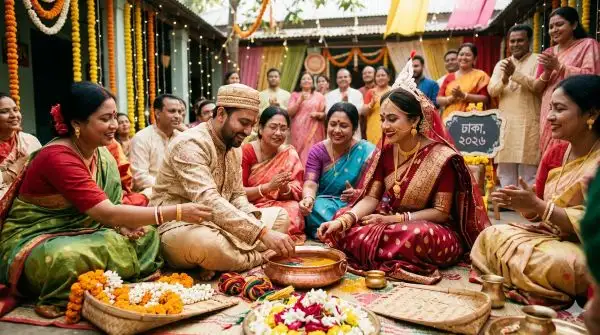
A Bangladeshi wedding is much more than a legal union between two people. It is a vibrant cultural event filled with colorful ceremonies, emotional moments, delicious food, music, blessings, and centuries-old traditions.
Even in 2026, when modern wedding trends continue to influence celebrations, many families still embrace traditional wedding rituals in Bangladesh. These customs symbolize love, respect, family unity, prosperity, and the beginning of a new chapter in life.
From the joyful Gaye Holud ceremony to the grand Bou Bhat reception, every ritual carries a special meaning. Whether you are planning a Bengali wedding, researching Bangladeshi culture, or simply curious about South Asian wedding traditions, this guide explores the most important wedding rituals that continue to make Bangladeshi weddings unforgettable.
The History of Traditional Wedding Rituals in Bangladesh
The roots of Bangladeshi wedding traditions can be traced back hundreds of years. Bengali weddings have evolved through influences from ancient Hindu customs, Islamic traditions, regional folklore, and local cultural practices.

Historically, marriage was considered a sacred bond that united not only two individuals but also two families and communities. Wedding ceremonies became occasions for celebrating family heritage, strengthening social relationships, and preserving cultural identity.
Today, many rituals have adapted to modern lifestyles while maintaining their traditional essence. This blend of old and new makes Bangladeshi weddings unique and culturally rich.
Why Traditional Bangladeshi Weddings Are Special
Traditional Bangladeshi weddings are special because they beautifully combine cultural heritage, family values, religious customs, and joyful celebrations.

These weddings are not simply marriage ceremonies; they are multi-day events filled with meaningful rituals, vibrant decorations, traditional music, and delicious Bengali cuisine. Wedding customs such as Paka Dekha, Gaye Holud, Nikah, Bidaay, and Bou Bhat preserve cultural legacy and enhance family unity across generations.
The involvement of relatives and community members creates a warm and festive atmosphere. In 2026, traditional Bangladeshi weddings continue to captivate people by blending timeless customs with modern elegance and unforgettable experiences.
Several factors make traditional Bangladeshi weddings stand out:
- Deep cultural significance
- Strong family involvement
- Colorful ceremonies
- Traditional music and dance
- Authentic Bengali cuisine
- Symbolic rituals with meaningful traditions
- Multi-day celebrations
These elements create memorable experiences for both families and guests.
1. Paka Dekha – The Official Family Agreement
Paka Dekha is one of the earliest and most meaningful traditional wedding rituals in Bangladesh, serving as the formal agreement between the bride’s and groom’s families. The term translates to “final meeting” and marks the official confirmation of the marriage arrangement.
During this important gathering, family members discuss wedding plans, future expectations, ceremony details, and often exchange gifts as a sign of goodwill. Historically, elders played a central role in making marital decisions, reflecting strong family values and social traditions.
Even in modern Bangladeshi weddings, where couples often choose their own partners, Paka Dekha remains a respected custom that symbolizes family approval, unity, commitment, and the beginning of the wedding journey.
Cultural Significance
- Formal acceptance of the marriage
- Strengthens family relationships
- Marks the beginning of wedding preparations
2. Engagement Ceremony (Angti Bodol)
The Engagement Ceremony, popularly known as Angti Bodol, is a significant pre-wedding tradition in Bangladesh that marks the formal commitment between the bride and groom.
During this joyful event, the couple exchanges rings in the presence of family members, relatives, and close friends, symbolizing love, trust, and lifelong dedication. The ceremony also serves as the official announcement of the upcoming marriage and often includes gift exchanges, traditional attire, photography, and celebrations.
As an important Bengali wedding custom, Angti Bodol strengthens family bonds and begins the wedding journey with happiness and blessings.
Modern Bangladeshi engagements often include:
- Professional photography
- Family gatherings
- Traditional outfits
- Music and entertainment
- Gift exchanges
Cultural Significance
The engagement represents mutual commitment and public recognition of the couple’s relationship.
3. Aiburo Bhat – The Last Feast Before Marriage
Aiburo Bhat is a cherished pre-wedding tradition in Bengali culture that celebrates the bride’s or groom’s final days before entering married life.
The name refers to a special meal organized for an unmarried individual before the wedding ceremony. Family members prepare a lavish feast featuring traditional Bengali dishes, sweets, and favorite foods of the bride or groom.
This joyful gathering allows loved ones to share blessings, memories, and well wishes. As an important Bangladeshi wedding custom, Aiburo Bhat symbolizes family affection, cultural heritage, and the transition into a new stage of life.
Traditional dishes often include:
- Polao
- Kacchi Biryani
- Fish curry
- Beef or mutton dishes
- Sweets and desserts
The ceremony is filled with laughter, family bonding, and emotional moments.
Cultural Significance
The feast symbolizes the transition from single life to married life.
4. Dodhi Mongol – The Auspicious Morning Ritual
Dodhi Mongol is a meaningful pre-wedding tradition in Bengali culture, usually observed early in the morning before the wedding ceremony.
During this ritual, the bride or groom is served a special meal consisting of yogurt, rice, sweets, and other traditional foods prepared by family members. The ceremony is believed to bring blessings, prosperity, and good fortune for the couple’s future married life.
As one of the oldest traditional wedding rituals in Bangladesh, Dodhi Mongol highlights the importance of family involvement, cultural heritage, and spiritual preparation before the wedding celebration begins.
Relatives gather early in the morning and serve the bride or groom a meal consisting of:
- Yogurt
- Rice
- Traditional sweets
- Fruits
After this meal, the bride or groom often fasts until the wedding ceremony begins.
Cultural Significance
The ritual is believed to bring blessings, prosperity, and good fortune for the marriage.
5. Gaye Holud – The Most Colorful Wedding Tradition
Gaye Holudis one of the most cherished and visually stunning traditional wedding rituals in Bangladesh. This vibrant pre-wedding ceremony brings together family members and friends to celebrate the upcoming marriage with music, laughter, and cultural festivities.
During the event, turmeric paste is lovingly applied to the bride and groom as a symbol of purity, prosperity, happiness, and good fortune. Decorated with bright yellow flowers and traditional Bengali elements, Gaye Holud creates a joyful atmosphere that reflects the beauty of Bangladeshi wedding culture.
In 2026, this iconic tradition continues to be a highlight of Bengali wedding celebrations.
The venue is often decorated with:
- Marigold flowers
- Yellow fabrics
- Traditional Bengali decorations
- Festive lighting
Why Turmeric Is Used
Turmeric has long been associated with:
- Purity
- Beauty
- Prosperity
- Good health
Cultural Significance
Gaye Holud symbolizes blessings, happiness, and preparation for married life.
6. Wedding Procession (Bor Jatri)
The Wedding Procession, known as Bor Jatri, is a lively and exciting part of traditional Bangladeshi wedding celebrations. On the wedding day, the groom travels to the bride’s venue accompanied by family members, relatives, and friends in a festive procession filled with joy and enthusiasm.
Music, traditional attire, dancing, and cheerful celebrations often make the arrival memorable. This time-honored wedding ritual marks the groom’s arrival into a new chapter and highlights the bond formed between both families.
Bor Jatri remains an important cultural tradition that adds energy, excitement, and elegance to Bangladeshi weddings.
The procession often includes:
- Music
- Dancing
- Traditional attire
- Family celebrations
Guests enthusiastically welcome the groom upon arrival.
Cultural Significance
The ceremony reflects the joyful union of two families.
7. The Main Wedding Ceremony
The main wedding ceremony is the heart of a traditional Bangladeshiwedding, bringing together family, friends, and loved ones to witness the union of the couple.
Depending on religious and cultural backgrounds, the ceremony may include Islamic Nikah rituals, Hindu wedding traditions, or other community customs. Sacred vows, blessings, prayers, and formal marriage agreements are central elements of the occasion.
This important event symbolizes commitment, love, and lifelong partnership while honoring the rich cultural heritage and wedding traditions that have been preserved across generations in Bangladesh.
For Muslim weddings, the Nikah ceremony includes:
- Marriage contract signing
- Consent from bride and groom
- Presence of witnesses
- Religious blessings
For Hindu weddings, rituals may include:
- Sacred fire ceremonies
- Exchange of garlands
- Traditional vows
- Religious chants
Cultural Significance
The ceremony formally establishes the marital bond.
8. Mala Bodol – Exchange of Garlands
Mala Bodol is a cherished and symbolic ritual in many traditional Bengali weddings, where the bride and groom exchange beautifully crafted flower garlands.
This meaningful ceremony represents mutual acceptance, respect, love, and the beginning of their lifelong partnership. Often performed in front of family members and wedding guests, Mala Bodol is accompanied by joyful celebrations and cultural traditions.
As one of the most recognizable Bengali wedding customs, this ritual highlights the emotional and spiritual bond between the couple while honoring the rich heritage of Bangladeshi wedding culture.
The exchange represents:
- Mutual respect
- Acceptance
- Love
- Lifelong partnership
Guests often cheer as the couple participates in this symbolic moment.
Cultural Significance
Mala Bodol signifies the willingness of both individuals to accept one another as life partners.
9. Bidaay – The Emotional Farewell
Bidaay is one of the most heartfelt and emotional traditions in a traditional Bangladeshi wedding. Following the wedding ceremony, the bride bids farewell to her parents, siblings, and childhood home as she begins a new chapter of married life.
This touching moment often brings tears and strong emotions, reflecting the deep bond between family members. In Bengali wedding culture, Bidaay symbolizes love, blessings, transition, and new beginnings.
The ceremony highlights the importance of family values and remains one of the most meaningful wedding rituals in Bangladesh.
Cultural Significance
Bidaay symbolizes:
- New beginnings
- Family blessings
- Emotional transition
- Personal growth
This ritual reflects the deep family bonds that characterize Bangladeshi culture.
10. Bou Bhat – Welcoming the New Bride
Bou Bhat is one of the most important post-wedding traditions in Bangladesh, celebrated with great joy and hospitality by the groom’s family.
During this grand reception, the newlywed bride is formally introduced to relatives, friends, and members of the community. Guests gather to offer blessings, gifts, and best wishes for the couple’s future.
A lavish feast featuring traditional Bangladeshi wedding dishes is often served, making the occasion both festive and memorable. Bou Bhat symbolizes the bride’s acceptance into her new family and marks the beginning of her married life.
The event usually features:
- Traditional Bengali cuisine
- Family gatherings
- Cultural performances
- Gift exchanges
- Wedding photography
Cultural Significance
Bou Bhat represents acceptance of the bride into her new family and celebrates the successful union of the couple.
Traditional Wedding Attire in Bangladesh
Traditional wedding attire in Bangladesh showcases the country’s rich cultural heritage and timeless fashion. Brides often wear beautifully embroidered red or maroon sarees paired with elegant gold jewelry, while grooms traditionally choose sherwanis or panjabis.
These classic wedding outfits symbolize tradition, celebration, and cultural pride, adding sophistication and authenticity to Bangladeshi wedding ceremonies.
Bride’s Attire
The bride typically wears:
- Red or maroon bridal saree
- Gold jewelry
- Floral accessories
- Traditional makeup
Groom’s Attire
The groom often wears:
- Sherwani
- Panjabi
- Turban
- Traditional footwear
These outfits reflect centuries of Bengali fashion and craftsmanship.
Traditional Wedding Food in Bangladesh
Food plays a central role in traditional wedding celebrations in Bangladesh, bringing families and guests together through rich flavors and time-honored recipes.
A typical Bangladeshi wedding feast features beloved dishes such as Kacchi Biryani, Polao, Beef Rezala, Roast Chicken, Borhani, and a variety of fish curries. Traditional desserts like Firni, Mishti Doi, Rasgulla, and Cham Cham add sweetness to the occasion.
These carefully prepared meals symbolize hospitality, prosperity, and celebration, making wedding cuisine an essential part of Bangladesh’s cultural heritage and unforgettable wedding experiences.
Popular wedding dishes include:
- Kacchi Biryani
- Polao
- Roast Chicken
- Beef Rezala
- Mutton Curry
- Fish Dishes
- Borhani
- Firni
- Mishti Doi
- Rasgulla
The wedding feast is often considered one of the highlights of the celebration.
Modern Trends in Traditional Bangladeshi Weddings 2026
While traditional wedding rituals remain the heart of Bangladeshi marriage celebrations, modern weddings in 2026 increasingly blend cultural heritage with contemporary styles.
Couples are embracing destination weddings, luxury venues, personalized décor themes, cinematic wedding photography, and digital invitations. Social media sharing, live streaming, and eco-friendly wedding planning have also become popular trends.
Despite these modern additions, cherished customs such as Gaye Holud, Nikah, and Bou Bhat continue to preserve the authentic spirit of traditional Bangladeshi weddings, creating a perfect balance between tradition and innovation.
Popular trends include:
- Destination weddings
- Luxury wedding venues
- Professional wedding films
- Digital invitations
- Themed decorations
- Social media wedding coverage
- Eco-friendly wedding planning
Despite these innovations, traditional rituals continue to remain at the heart of Bangladeshi wedding culture.
Cultural Importance of Wedding Rituals in Bangladesh
Wedding rituals in Bangladesh hold deep cultural significance, reflecting the nation’s rich heritage, family values, and social traditions. These time-honored customs connect generations by preserving traditional practices and strengthening family bonds.
Ceremonies such as Gaye Holud, Nikah, and Bou Bhat symbolize love, unity, respect, and community involvement. Traditional wedding rituals also provide an opportunity to celebrate cultural identity through music, attire, food, and religious customs.
In 2026, these cherished traditions continue to play a vital role in maintaining Bangladesh’s cultural legacy while bringing families and communities together.
Wedding traditions serve several important purposes:
- Preserve cultural heritage
- Strengthen family bonds
- Pass traditions to younger generations
- Promote social unity
- Celebrate community values
These rituals help maintain Bangladesh’s rich cultural identity in a rapidly changing world.
Tips for Experiencing a Traditional Bangladeshi Wedding
Attending a traditional Bangladeshi wedding is a wonderful opportunity to experience the country’s rich culture and hospitality.
Dress appropriately in traditional or formal attire, respect religious and cultural customs, and participate in ceremonies when invited. Take time to enjoy iconic events such as Gaye Holud, Nikah, and Bou Bhat, which showcase authentic Bengali traditions.
Sampling traditional wedding cuisine, interacting with family members, and learning the meaning behind various rituals will help you gain a deeper appreciation of Bangladesh’s vibrant wedding culture and heritage.
If you are attending a Bangladeshi wedding for the first time:
- Wear culturally appropriate attire
- Participate respectfully in ceremonies
- Learn basic wedding customs
- Enjoy traditional foods
- Take part in family celebrations
- Respect religious traditions
Doing so will help you appreciate the beauty and significance of these customs.
Conclusion
Traditional wedding rituals in Bangladesh remain a beautiful reflection of the nation’s cultural heritage, family values, and centuries-old customs. From the vibrant Gaye Holud ceremony and memorable Aiburo Bhat feast to the heartfelt Bidaay and elegant Bou Bhat reception, every tradition plays a meaningful role in celebrating marriage.
These cherished Bangladeshi wedding customs symbolize love, unity, respect, and the coming together of two families. In 2026, traditional Bengali weddings continue to evolve by blending modern wedding trends with timeless cultural practices.
Whether you are researching Bangladeshi wedding traditions, planning a Bengali wedding, or exploring South Asian culture, these unique rituals offer a rich and unforgettable experience that preserves the spirit, history, and identity of Bangladesh for future generations.
Frequently Asked Questions (FAQ)
1. What is the most important traditional wedding ritual in Bangladesh?
Gaye Holud is considered one of the most iconic and widely celebrated Bangladeshi wedding rituals.
2. What does Gaye Holud symbolize?
It symbolizes blessings, happiness, beauty, prosperity, and preparation for married life.
3. What is Aiburo Bhat?
Aiburo Bhat is a special pre-wedding feast organized for the bride or groom before marriage.
4. What happens during Bou Bhat?
The groom’s family hosts a reception to welcome the bride and introduce her to relatives and friends.
5. What is the purpose of Paka Dekha?
Paka Dekha formalizes the agreement between the bride’s and groom’s families before the wedding.
6. Why Does Turmeric Hold Special Cultural Importance in Traditional Bengali Weddings?
Turmeric is traditionally associated with purity, beauty, health, and good fortune.
7. How many days do traditional Bangladeshi weddings last?
Many weddings last several days, including engagement ceremonies, Gaye Holud, wedding day events, and Bou Bhat.
8. What foods are commonly served at Bangladeshi weddings?
Popular dishes include Kacchi Biryani, Polao, Beef Rezala, Roast Chicken, Firni, and Mishti Doi.
9. Do modern Bangladeshi weddings still follow traditional rituals?
Yes. Most families blend traditional customs with modern wedding trends.
10. Why are wedding rituals important in Bangladesh?
They preserve cultural heritage, strengthen family relationships, and celebrate the union of two families.