
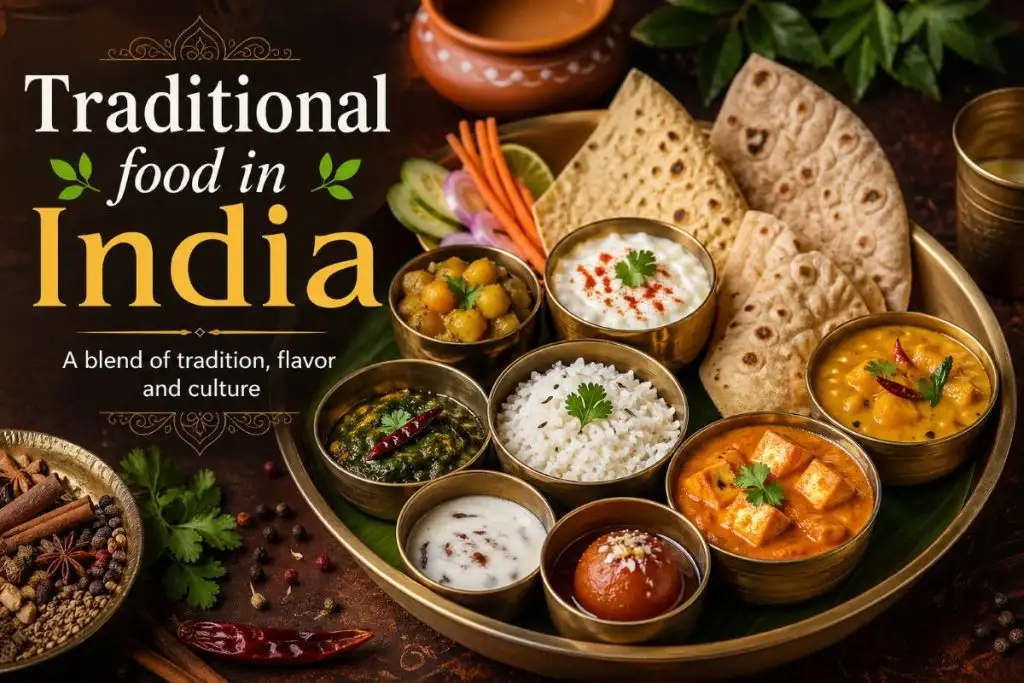
Traditional food in India—discover authentic dishes, hidden flavors, and cultural secrets that will transform your food experience.
Introduction
India’s culinary heritage is rich, diverse, and deeply rooted in culture, making it one of the most fascinating food traditions in the world.
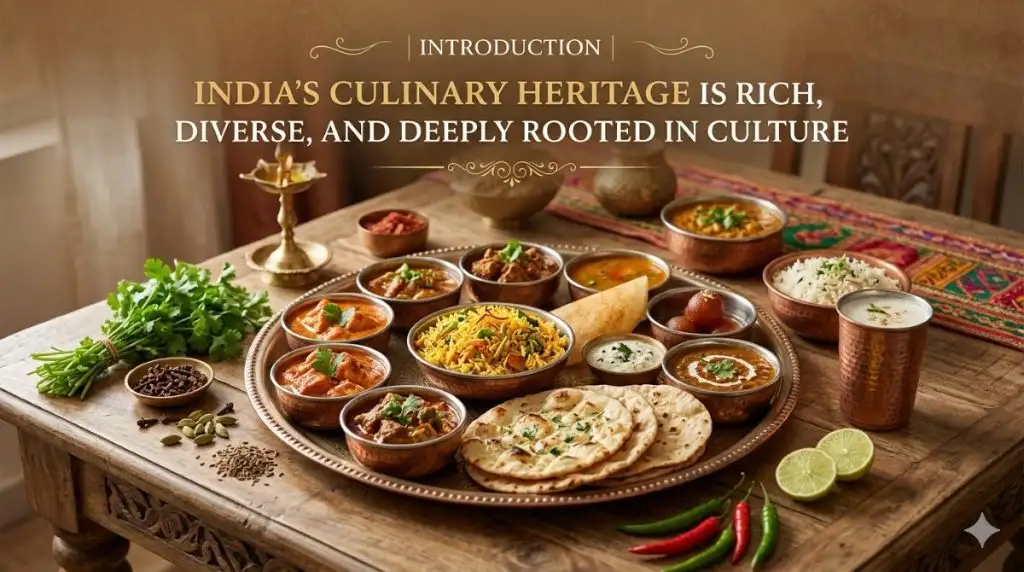
Traditional food in India goes far beyond taste—it reflects history, regional diversity, and centuries of cultural exchange. From aromatic spices to time-honored cooking techniques, every dish tells a unique story. Indian cuisine is shaped by climate, religion, and local ingredients, creating bold flavors and unforgettable experiences.
Whether it’s street food or home-cooked meals, the variety is endless and captivating. In this guide, explore 15 insightful and easy-to-understand points that highlight the true essence of authentic Indian food and why it continues to attract food lovers globally.
🥘 1. A 5,000-Year Culinary Heritage Still Alive Today
Traditional food in India reflects a remarkable 5,000-year culinary heritage that continues to thrive in modern kitchens. Dating back to the ancient Indus Valley Civilization, early diets were built around wholesome ingredients like barley, wheat, lentils, rice, and dairy.
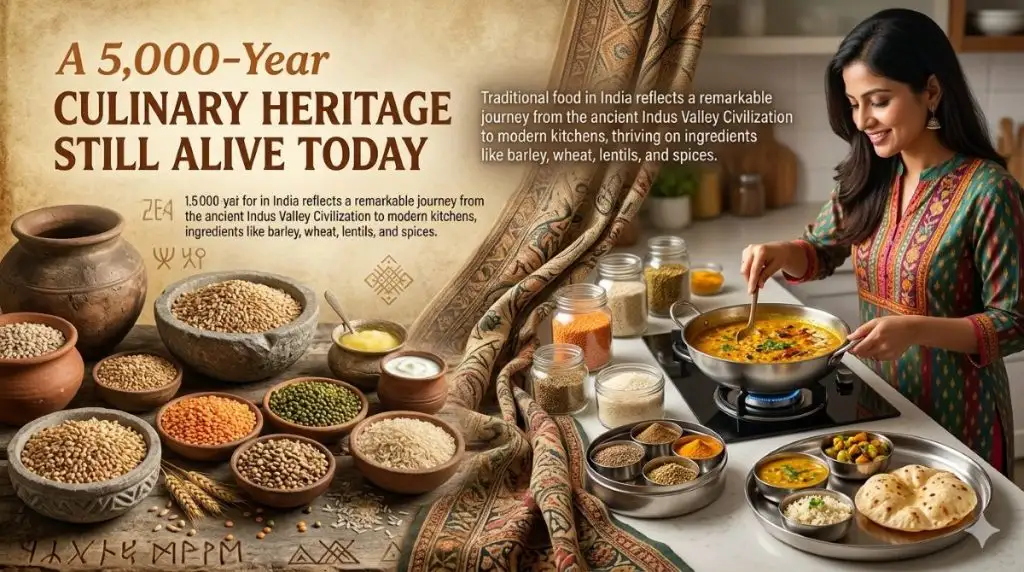
These staples remain central to Indian cuisine today, proving the deep-rooted continuity of food traditions. Classic dishes such as flatbreads, rice-based meals, and lentil stews (dal) have evolved in flavor and technique but still follow their original foundations.
What makes Indian cuisine unique is not constant reinvention but careful refinement over generations. Cooking methods, spice blends, and regional variations have been passed down, preserving authenticity while adapting to changing tastes.
This living food tradition connects the past with the present, offering both cultural richness and nutritional balance. For food lovers and travelers, exploring traditional Indian food is like experiencing history on a plate—timeless, diverse, and deeply meaningful.
🌶️ 2. Spices Are Science, Not Just Flavor
In traditional food in India, spices are more than taste enhancers—they are part of a time-tested system rooted in wellness and balance. Ancient practices like Ayurveda emphasize how ingredients can support overall health. Everyday spices such as turmeric are known for anti-inflammatory properties, while cumin aids digestion and ginger helps strengthen immunity.

What makes Indian cuisine truly unique is the method of using spices. Instead of adding everything at once, cooks carefully layer spices at different stages—tempering in hot oil, blending into sauces, or finishing dishes for aroma. This technique creates depth, complexity, and balance in every bite. The result is food that is not only rich in flavor but also aligned with health benefits.
For anyone exploring authentic Indian cooking, understanding spices as both science and art reveals why these dishes remain globally loved, nutritionally valuable, and deeply satisfying.
🍛 3. Every Region Feels Like a New Cuisine
One of the most fascinating aspects of traditional food in India is its incredible regional diversity. Indian cuisine is not a single style—it’s a collection of distinct culinary traditions shaped by geography, climate, and culture.
In North India, you’ll find rich, creamy gravies paired with breads like naan and roti, influenced by Mughal cooking techniques. Move south, and meals shift to rice-based dishes with coconut, curry leaves, and tangy flavors that reflect the tropical climate.
Eastern regions are known for fresh fish, mustard oil, and subtle spice blends, while Western India offers a unique mix of sweet and spicy flavors, often adapted to drier conditions. Each region uses local ingredients and traditional cooking methods, creating entirely different taste profiles.
What makes this diversity even more exciting is how quickly it changes—travel just a few hundred kilometers, and you’ll discover new dishes, spices, and food habits. This variety makes Indian cuisine endlessly rich, offering food lovers a new experience with every region they explore.
🍲 4. Cooking Techniques Build Deep Flavor
Traditional food in India stands out because of its technique-driven cooking methods that create rich, layered flavors.
One of the most essential techniques is Tadka (tempering), where spices are briefly fried in hot oil or ghee to instantly release their aroma and enhance the dish’s base. Another classic method is Dum cooking, which involves sealing food and cooking it slowly to lock in moisture and intensify flavors.
The use of the Tandoor is equally iconic, giving breads like naan and various meats a distinctive smoky taste that cannot be replicated easily. These techniques are not just about cooking—they are about building flavor step by step.
Even simple ingredients can transform into complex, restaurant-quality dishes when these methods are applied correctly. This is why Indian cuisine feels so satisfying and aromatic, offering depth in every bite. Mastering these traditional techniques is key to understanding the true essence of authentic Indian cooking.
🧂 5. The Art of Flavor Balance
In traditional food in India, flavor is never one-dimensional. Instead of relying only on heat or spice, Indian cuisine is built on a careful balance of multiple taste elements that create harmony in every bite. Influenced by principles from Ayurveda, meals often combine sweet, sour, salty, bitter, and spicy flavors to support both taste and digestion.
Natural ingredients play a key role in this balance. Sweetness may come from jaggery, while tanginess is added through tamarind or yogurt. Bitterness from leafy greens and spices is carefully controlled, and heat from chilies is adjusted to complement—not overpower—the dish.
This thoughtful layering of flavors ensures that Indian meals feel complete, satisfying, and well-rounded. Rather than overwhelming the palate, each element enhances the other, creating depth and complexity. That’s why authentic Indian dishes are so memorable—they deliver a perfectly balanced taste experience that keeps you coming back for more.
🥗 6. Ayurveda Shapes Eating Habits
Traditional food in India is deeply influenced by Ayurveda, an ancient system that focuses on balance between body, mind, and environment. In Indian cuisine, food is not just about taste—it’s about nourishment and harmony. Meals are often planned according to individual body types (doshas) and seasonal needs, ensuring better digestion and overall well-being.
For example, during hot summer months, cooling foods like yogurt, coconut, and fresh fruits are commonly included to help regulate body temperature. In contrast, winter meals feature warming spices such as ginger, garlic, and cloves to boost metabolism and provide comfort. This seasonal approach keeps the body balanced throughout the year.
Ayurveda also encourages mindful eating habits, including fresh ingredients, proper food combinations, and balanced portions. As a result, traditional Indian meals are both flavorful and functional. This holistic connection between food and health is one of the key reasons Indian cuisine remains timeless, sustainable, and beneficial for modern lifestyles.
🍚 7. Staples Reflect the Land
In traditional food in India, staple ingredients are closely tied to geography, climate, and local farming practices. Food choices are not random—they naturally evolve from what the land can produce.
In regions with heavy rainfall and fertile plains, such as the south and east, rice becomes the primary staple due to its water-intensive cultivation. In contrast, the northern regions favor wheat, which thrives in drier, cooler climates and forms the base for breads like roti and naan.
In arid and semi-arid areas, hardy grains like millet have traditionally been used because they require less water and are highly nutritious. Today, millets are making a strong comeback as a healthy and sustainable food choice.
This deep connection between agriculture and cuisine ensures that Indian food remains both practical and diverse. By adapting to regional climates, traditional diets support sustainability while offering unique flavors. Understanding these staples helps explain why Indian cuisine varies so widely—and why it remains rooted in nature and tradition.
🧀 8. Dairy Adds Richness and Comfort
In traditional food in India, dairy plays a central role in creating rich flavors, smooth textures, and balanced meals. Ingredients like milk, yogurt, butter, and ghee are widely used across regions, adding both nutrition and comfort to everyday dishes. Yogurt, for example, is often served alongside spicy foods to cool the palate and aid digestion, making meals more enjoyable and balanced.
One of the most valued dairy products is ghee, known for its deep aroma and ability to enhance the taste of curries, rice, and breads. It is also appreciated in traditional cooking for its stability at high temperatures. Another key ingredient is paneer, a soft, non-melting cheese that serves as an important protein source, especially in vegetarian diets.
Dairy not only enriches flavor but also connects food with tradition and nourishment. Its versatility allows it to be used in both savory dishes and desserts, making it an essential part of authentic Indian cuisine and its comforting appeal.
🌱 9. Vegetarian Food Is Deeply Rooted
In traditional food in India, vegetarian cuisine is not a limitation—it’s a rich and diverse culinary tradition shaped by culture, agriculture, and philosophy. Influenced by beliefs such as Hinduism and Jainism, many communities have embraced plant-based eating for centuries. As a result, Indian vegetarian food offers an incredible variety of flavors, textures, and cooking styles.
Staples like lentils (dal), chickpeas, beans, seasonal vegetables, and grains form the foundation of daily meals. These ingredients are often combined thoughtfully to create complete, protein-rich dishes that are both satisfying and nutritious. Spices and herbs further enhance taste, ensuring that vegetarian meals are vibrant and far from monotonous.
From hearty curries to light vegetable stir-fries, Indian vegetarian cuisine proves that meat is not necessary for flavor or nutrition. This deep-rooted tradition continues to appeal to modern food lovers worldwide, especially those seeking healthy, sustainable, and plant-based dining options without compromising on taste.
🍢 10. Street Food Tells Local Stories
In traditional food in India, street food is more than just quick snacks—it is a reflection of local culture, lifestyle, and creativity. Found in bustling markets, roadside stalls, and busy city corners, street food offers bold flavors at affordable prices, making it a favorite among people from all walks of life.
Each region has its own unique specialties that cannot be easily found elsewhere. For example, cities develop signature snacks based on local ingredients, climate, and taste preferences. These dishes often become cultural identities, passed down through generations of street vendors.
What makes Indian street food special is its innovation—simple ingredients are transformed into exciting dishes with strong flavors, spices, and textures. From spicy, tangy snacks to sweet treats, every bite tells a story of local traditions and everyday life.
Street food also represents community and connection, bringing people together in shared public spaces. For travelers and food lovers, exploring Indian street food is one of the best ways to experience authentic culture in its most lively and flavorful form.
🍬 11. Sweets Are More Than Dessert
In traditional food in India, sweets are not just desserts—they carry deep emotional and cultural significance. Indian mithai (sweets) are closely connected to celebrations, festivals, and social bonding, making them an essential part of every joyful occasion. Whether it is weddings, religious events, or family gatherings, sweets symbolize happiness, prosperity, and togetherness.
Across the country, offering sweets is considered a gesture of goodwill and respect. It reflects warmth, hospitality, and positive intentions toward guests and loved ones. Popular sweets made from milk, sugar, and flour are prepared in countless regional variations, each carrying its own cultural identity.
During festivals such as Diwali or Eid, households are filled with traditional sweets shared among neighbors and friends, strengthening community bonds. This tradition highlights how food in India goes beyond nourishment—it becomes a medium of emotion and connection.
From rich, syrupy desserts to simple homemade treats, Indian sweets continue to play a powerful role in expressing joy, gratitude, and celebration in everyday life.
🛕 12. Food and Religion Are Connected
In traditional food in India, cuisine is deeply intertwined with religion, culture, and spirituality. Food is not only a source of nourishment but also an important part of religious expression and community life. Many meals are prepared as sacred offerings in temples, known as “prasad,” before being shared among devotees, symbolizing purity, gratitude, and divine blessing.
Religious traditions strongly influence eating habits, including what foods are consumed and on which days they are prepared. Different communities follow specific dietary rules based on beliefs, festivals, and rituals. For example, vegetarian meals are commonly preferred in many religious practices, while fasting periods encourage simple and mindful eating.
This connection between food and faith transforms everyday meals into meaningful experiences. Cooking becomes an act of devotion, and sharing food strengthens social and spiritual bonds. From festive feasts to temple offerings, Indian cuisine reflects a unique blend of spirituality and daily life. This harmony between religion and food makes Indian culinary traditions deeply respectful, symbolic, and culturally significant across generations.
🍗 13. Mughal Influence Brought Royal Flavors
The culinary landscape of traditional food in India was significantly enriched during the era of the Mughal Empire. This period introduced a royal and luxurious style of cooking that transformed everyday meals into rich, aromatic feasts. Mughal-inspired cuisine is known for its indulgent use of ingredients such as nuts, dried fruits, cream, yogurt, and fragrant spices, which added both depth and elegance to dishes.
Slow-cooking techniques became more refined during this time, allowing meats and gravies to absorb complex flavors over hours of preparation. Iconic dishes like rich curries, biryanis, and kormas reflect this royal influence and continue to be celebrated across India today.
The Mughal culinary legacy also introduced a balance of sweetness and spice, creating dishes that are both bold and refined. This fusion of Central Asian and Indian cooking styles helped shape many beloved recipes still enjoyed in modern households and restaurants.
Even today, Mughal-inspired flavors remain a symbol of celebration, hospitality, and culinary sophistication, making them an essential part of India’s diverse food heritage.
🥄 14. Home Cooking Is the Heart of Indian Food
In traditional food in India, home cooking is the true foundation of culinary culture. Unlike heavily standardized recipes, Indian home meals are prepared fresh every day, focusing on taste, intuition, and tradition rather than strict measurements. Most recipes are passed down orally through generations, often learned by watching elders in the kitchen rather than following written instructions.
This style of cooking relies on experience, memory, and sensory judgment—such as aroma, color, and texture—to create perfectly balanced dishes. Every household develops its own version of recipes, making even common dishes unique from one home to another.
Family kitchens are where authentic flavors are preserved and regional traditions are kept alive. Ingredients are often simple, but the cooking process transforms them into deeply satisfying meals filled with warmth and care.
Home-cooked food in India also represents love, togetherness, and cultural identity. It connects generations and preserves heritage in every meal. This is why Indian cuisine is not just about restaurants or street food—it truly begins in the heart of every home.
🌍 15. Indian Cuisine Has Global Appeal
Traditional food in India has grown into one of the most popular and widely enjoyed cuisines across the world. Its global success comes from a unique combination of bold flavors, aromatic spices, and diverse cooking styles that appeal to different cultures and taste preferences. From rich curries to light vegetarian meals, Indian food offers something for everyone.
One of the key reasons for its worldwide popularity is its strong emphasis on plant-based dishes. Vegetarian options, lentil-based meals, and vegetable curries make Indian cuisine especially attractive to health-conscious and plant-based eaters. Many dishes are also prepared using natural spices and herbs that add both flavor and nutritional value.
Indian restaurants can now be found in almost every major country, introducing global audiences to authentic regional flavors. Dishes like biryani, butter chicken, and samosas have become international favorites.
Beyond taste, Indian cuisine is appreciated for its balance of health, tradition, and diversity. Its growing global appeal proves that Indian food is not just a national treasure—it is a beloved part of world culinary culture.
🧾 Final Thoughts
Traditional food in India represents a powerful blend of history, health, culture, and identity. It is far more than just eating—it reflects a complete way of life shaped by centuries of tradition, regional diversity, and cultural exchange. From spice-rich curries bursting with flavor to simple, comforting home-cooked meals, every dish carries a deeper meaning connected to family, heritage, and community.
Indian cuisine is rooted in balance, where taste meets nutrition and tradition meets innovation. Each recipe tells a story influenced by geography, climate, religion, and ancient cooking practices. This makes Indian food not only diverse but also deeply meaningful and timeless.
For food lovers and travelers, exploring Indian cuisine with curiosity opens the door to more than just flavors. It reveals stories of people, traditions passed through generations, and a strong cultural identity that continues to evolve in 2026 and beyond.
Whether enjoyed at home, in street markets, or in global restaurants, Indian food remains a living heritage—rich, soulful, and universally loved.