

Discover the top 10 Bangladeshi festivals to experience in 2026, from cultural and religious celebrations to vibrant traditions across Bangladesh.
Introduction: Bangladeshi festivals
Bangladesh is a country where culture, traditions, and celebrations come alive in every corner. Its festivals are not just events—they are a reflection of the country’s rich history, diverse communities, and spiritual heritage. From rural fairs to religious observances and national holidays, Bangladeshi festivals offer an unforgettable experience for both local and international travelers.
In 2026, exploring these legendary festivals will give you insight into the vibrant life, rituals, and culturalrichness of Bangladesh. This guide dives deep into the top 10 Bangladeshi festivals, highlighting their history, significance, locations, and why each is a must-experience event.
Whether you are a culture enthusiast, food lover, or adventure traveler, attending these festivals provides a unique opportunity to immerse yourself in Bangladesh’s living heritage.

Why Bangladeshi Festivals Are Legendary
Bangladesh has a unique cultural identity shaped by centuries of history, art, religion, and community traditions. Its festivals are a blend of Hindu, Muslim, Buddhist, and tribal influences, creating colorful celebrations throughout the year.
Some reasons why Bangladeshi festivals are legendary:
- Rich history and traditions – Many festivals date back hundreds or even thousands of years.
- Vibrant visuals – Colorful costumes, intricate decorations, and lively parades.
- Cultural immersion – Festivals provide authentic access to local foods, music, and dances.
- Community spirit – Events bring people together, highlighting unity and shared heritage.
- Tourist appeal – Festivals attract travelers from around the world, creating unforgettable experiences.
Attending these festivals is not just entertainment—it is a journey into Bangladesh’s soul.
Top 10 Bangladeshi Festivals to Experience in 2026
1. Pahela Baishakh (Bengali New Year)
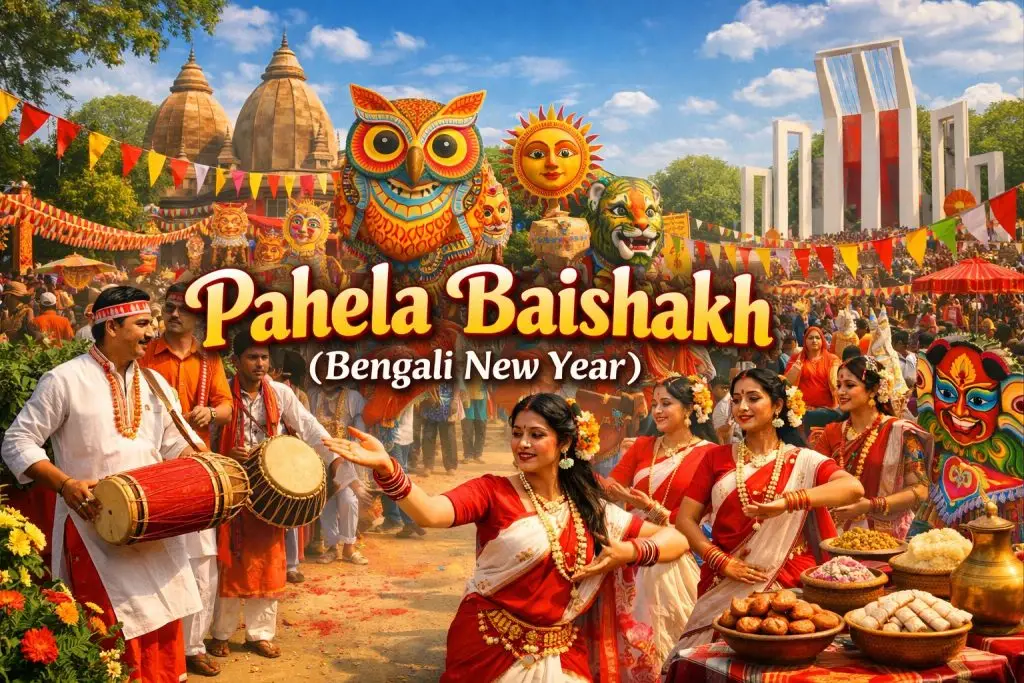
Pahela Baishakh, observed annually on April 14th, heralds the start of the Bengali New Year. Recognized as one of the most iconic Bangladeshi festivals, it is celebrated throughout cities and rural villages with vibrant processions, bustling fairs, traditional music, and energetic dance performances, offering travelers a glimpse into Bangladesh’s rich cultural heritage.
Highlights:
- Streets, markets, and homes come alive with colorful banners, flowers, and traditional decorations, creating a festive atmosphere.
- Locals wear traditional attire, with women in vibrant saris and men in stylish panjabis, reflecting Bengali culture.
- Food stalls serve seasonal delicacies, pithas, sweets, and other authentic festival treats.
- Cultural programs showcase folk songs, dances, poetry recitals, and art exhibitions, offering a deep dive into Bangladesh’s heritage.
- Visitors can enjoy traditional games and community gatherings, making the festival interactive and fun for all ages.
- Photography enthusiasts can capture stunning visuals of processions, colorful costumes, and lively street celebrations, perfect for cultural storytelling.
Why Visit: Pahela Baishakh is a perfect occasion to immerse yourself in authentic Bangladeshi culture, capture stunning photographs, and enjoy the warm hospitality of local communities. The festival also provides a chance to experience age-old traditions, vibrant street performances, and the joyous spirit that unites people of all ages across Bangladesh.
2. Pohela Falgun (Spring Festival)
Pohela Falgun, celebrated every year in February, heralds the arrival of spring in Bangladesh. Known as the festival of colors and renewal, it symbolizes new beginnings, joy, and the vibrant spirit of Bengali culture.
Highlights:
- Women dress in bright yellow sarees, while men wear yellow panjabis, reflecting the festival’s signature color.
- Public spaces, streets, and campuses are adorned with marigold flowers, colorful decorations, and artistic displays.
- Music performances, poetry recitals, and local craft exhibitions create a lively cultural atmosphere.
- Students, artists, and communities organize parades and flower shows, making it a visual feast for visitors.
- The festival also emphasizes environmental awareness, with eco-friendly decorations gaining popularity each year.
Why Visit: Pohela Falgun is ideal for travelers seeking vibrant photography opportunities, cultural immersion, and a joyful celebration of spring. Its colorful traditions and festive spirit make it one of the most visually stunning Bangladeshi festivals.

3. Eid-ul-Fitr
Eid-ul-Fitr is one of the most important religious festivals in Bangladesh, celebrated at the end of Ramadan, the Islamic holy month of fasting. This festival symbolizes gratitude, community, and joy, bringing families and communities together across the country.
Highlights:
- Families gather for special prayers, feasts, and charitable giving (Zakat), strengthening social bonds.
- Traditional dishes like biriyani, sweetmeats, dates, and pithas are prepared and shared among family and neighbors.
- Streets, homes, and mosques are beautifully decorated, and markets come alive with festive energy.
- Children receive gifts, new clothes, and Eidi, making it a joyful celebration for all ages.
- Community events, cultural programs, and night bazaars enhance the festive atmosphere.
- Visitors can experience authentic Bangladeshi Islamic traditions, local hospitality, and vibrant cultural expressions during this significant festival.
Why Visit: Eid-ul-Fitr is perfect for travelers looking to immerse themselves in Bangladeshi culture, experience joyous family traditions, and witness the country’s lively, communal celebrations.
4. Eid-ul-Adha
Eid-ul-Adha, celebrated a few months after Eid-ul-Fitr, is one of Bangladesh’s most significant religious festivals, symbolizing faith, sacrifice, and community spirit. Known as the “Festival of Sacrifice,” it commemorates Prophet Ibrahim’s devotion and obedience.
Highlights:
- Villagers perform ritual animal sacrifices, distributing meat to family, friends, and the underprivileged, emphasizing generosity and charity.
- Communities gather for special prayers, religious sermons, and mosque activities, reinforcing spiritual traditions.
- Local fairs, food stalls, and vibrant decorations add colorful and lively experiences to villages and towns.
- Families prepare traditional dishes, such as beef curries, sweets, and rice specialties, sharing them with neighbors.
- Travelers can witness ancient cultural customs, communal harmony, and local hospitality, which remain unchanged over generations.
- Photography and cultural enthusiasts can capture authentic rural celebrations, family rituals, and festive markets, creating lasting memories.
Why Visit: Eid-ul-Adha is ideal for travelers looking to immerse themselves in Bangladeshi Islamic traditions, explore village life, and experience heartfelt community celebrations.
5. Durga Puja
Durga Puja is one of the most important Hindu festivals in Bangladesh, celebrated annually in late September or October. This festival honors Goddess Durga, symbolizing strength, courage, and the triumph of good over evil, and is a vibrant display of devotion, art, and culture.
Highlights:
- Elaborate temple decorations, intricately crafted Durga idols, and grand processions draw devotees and tourists alike.
- Cultural programs feature folk music, traditional dances, and theatrical performances, showcasing the rich heritage of Bengali Hindu communities.
- Local food stalls offer authentic sweets, snacks, and festive delicacies, giving visitors a taste of traditional flavors.
- Artisans display handcrafted decorations, jewelry, and ritual items, making it a visual feast for culture enthusiasts.
- Communities engage in charity, communal meals, and rituals, highlighting the spirit of togetherness.
- Photographers and travelers can capture colorful costumes, illuminated pandals, and lively celebrations, making Durga Puja a must-see cultural experience.
Why Visit: Durga Puja offers an unparalleled opportunity to immerse yourself in Hindu rituals, explore traditional Bengali artistry, and witness one of Bangladesh’s most vibrant and culturally rich festivals.
6. Bishwa Ijtema
Bishwa Ijtema is one of the world’s largest Islamic congregations, held annually near Dhaka, Bangladesh. This massive spiritual gathering draws millions of Muslims from across the globe for prayers, reflection, and religious devotion, making it a unique cultural and spiritual phenomenon.
Highlights:
- Pilgrims set up riverside tents and temporary settlements, creating a vibrant yet serene community.
- The atmosphere emphasizes peace, meditation, and unity, with large-scale congregational prayers and sermons.
- Visitors can observe traditional Islamic practices, charitable activities, and spiritual teachings in action.
- Local markets and food stalls provide authentic Bangladeshi cuisine for pilgrims and travelers.
- Volunteers and organizers showcase exceptional logistical coordination, making it one of the most organized mass religious events in the world.
- Photography and cultural enthusiasts can witness colorful processions, devotional rituals, and the communal spirit of one of Bangladesh’s most iconic festivals.
Why Visit: Bishwa Ijtema is perfect for travelers looking to experience Islamic faith, observe global congregational traditions, and witness Bangladesh’s largest religious gathering.
7. Chaitra Sankranti (Boat Racing Festival)
Chaitra Sankranti is a vibrant festival celebrated in the riverine regions of Bangladesh, marking the end of the Bengali calendar year. It is famous for its traditional boat races, where local communities and visitors come together to celebrate culture, sport, and community spirit.
Highlights:
- Rivers come alive with decorated boats adorned with colorful flags, flowers, and symbolic motifs, creating a visually stunning spectacle.
- Spectators line the riverbanks to cheer for their favorite teams, accompanied by local music, drumming, and folk performances, adding energy to the event.
- Seasonal foods, snacks, and traditional beverages are served along the river, giving visitors a taste of authentic Bengali cuisine.
- Photographers and travelers can capture dynamic action shots, festive crowds, and cultural expressions, making it a perfect festival for visual storytelling.
- The festival fosters community pride, teamwork, and inter-village camaraderie, reflecting the social spirit of rural Bangladesh.
- It is an ideal destination for adventure seekers, cultural tourists, and anyone interested in experiencing rural traditions up close.
Why Visit: Chaitra Sankranti offers a unique mix of adventure, culture, and local traditions, making it a must-see event for those wanting to experience authentic rural Bangladesh in its most lively and festive form.
8. Poush Mela (Winter Fair)
Poush Mela is a vibrant winter festival held in December and January, celebrating the harvest season and the rich rural traditions of Bangladesh. This fair is renowned for its folk music, handicrafts, and cultural performances, offering a lively glimpse into village life.
Highlights:
- Extensive handicraft markets feature pottery, woven textiles, traditional jewelry, and unique local artworks.
- Live performances of folk songs, dances, and traditional music bring the festive atmosphere to life.
- Seasonal dishes, local snacks, and rural delicacies are widely available, allowing visitors to savor authentic Bengali flavors.
- Artists and performers showcase traditional storytelling, puppetry, and rural theatrical acts, preserving cultural heritage.
- The fair provides opportunities to interact with local artisans, learn crafting techniques, and purchase handmade souvenirs.
- Ideal for photography enthusiasts, travelers can capture colorful stalls, lively performances, and scenic rural landscapes.
Why Visit: Poush Mela is perfect for experiencing Bangladeshi village culture, seasonal celebrations, and traditional crafts, making it a must-visit event for culture lovers and travelers seeking authentic rural experiences.
9. Nabanna Festival
Nabanna Festival is a traditional harvest celebration held in November-December in rural Bangladesh. It honors the new rice harvest and reflects the deep connection between villagers, agriculture, and seasonal cycles. This vibrant festival offers visitors an authentic glimpse into Bangladeshi rural life and farming traditions.
Highlights:
- Rituals and prayers are performed to thank nature and local deities for a bountiful harvest.
- Villagers organize folk music performances, traditional dances, and vibrant street processions, creating a lively atmosphere.
- Local food stalls serve freshly prepared rice dishes, sweets, and seasonal delicacies, giving travelers a taste of authentic rural cuisine.
- Community gatherings foster social cohesion and cultural exchange, bringing together families and neighbors in joyous celebration.
- Visitors can participate in hands-on farming activities, rice threshing demonstrations, and craft workshops, providing an immersive cultural experience.
- Photographers and travelers can capture colorful rituals, festive costumes, and scenic village landscapes, making it a visually enriching experience.
Why Visit: Nabanna Festival is perfect for those who want to experience Bangladeshi agricultural traditions, enjoy local food, and witness vibrant rural celebrations firsthand.
10. Bangladesh National Day & Victory Day
Bangladesh National Day (March 26) and Victory Day (December 16) are two of the most significant national celebrations, honoring the country’s struggle for independence and triumph in the Liberation War of 1971. These days are a tribute to patriotism, courage, and the resilience of the Bangladeshi people.
Highlights:
- Parades, military displays, and cultural programs are held in cities and towns, showcasing national pride and unity.
- Historical sites, monuments, and streets are decorated with lights, banners, and patriotic symbols, creating a festive and reflective atmosphere.
- Special exhibitions, museums, and public events highlight the history of the freedom movement, educating both locals and tourists.
- Fireworks, concerts, and patriotic performances enhance the celebratory spirit, attracting crowds of all ages.
- Schools and universities often organize essay competitions, debates, and cultural shows, promoting awareness among the youth.
- Visitors can experience community pride, local traditions, and vibrant public celebrations, making it a deeply engaging cultural event.
Why Visit: These days are ideal for travelers who want to witness Bangladeshi national pride, learn about its liberation history, and participate in vibrant cultural festivities, gaining a deeper appreciation of the country’s heritage.
Why You Should Attend Bangladeshi Festivals
Attending Bangladeshi festivals provides a unique opportunity to immerse yourself in the country’s vibrant culture, traditions, and community life.
Key Benefits:
- Cultural Immersion: Participate in local rituals, folk music, traditional dances, and age-old customs, gaining a deep understanding of Bangladesh’s heritage.
- Food Exploration: Savor authentic festival foods, sweets, and seasonal delicacies prepared with fresh, local ingredients.
- Photography Opportunities: Capture colorful costumes, decorated streets, lively processions, and scenic rural landscapes perfect for memorable travel photos.
- Community Interaction: Engage with locals, share stories, and experience the warmth of Bangladeshi hospitality.
- Learning Traditions: Discover ancient crafts, folk art, and agricultural practices preserved through these celebrations.
- Seasonal Experiences: Witness how different festivals reflect the changing seasons, harvests, and cultural cycles of Bangladesh.
Why Visit: Attending Bangladeshi festivals is the ultimate way to connect with local culture, experience authentic traditions, and create unforgettable memories while exploring the country.
FAQ – Bangladeshi Festivals
Q1: What are the most famous Bangladeshi festivals in 2026?
A1: The most famous Bangladeshi festivals in 2026 include Pahela Baishakh, Pohela Falgun, Eid-ul-Fitr, Eid-ul-Adha, Durga Puja, Bishwa Ijtema, Chaitra Sankranti, Poush Mela, Nabanna Festival, and National & Victory Day celebrations. These festivals showcase Bangladesh’s rich culture, traditions, and vibrant community life.
Q2: When is Pahela Baishakh celebrated in Bangladesh?
A2: Pahela Baishakh, the Bengali New Year, is celebrated on April 14th every year. It is one of the most iconic Bangladeshi festivals, featuring colorful processions, traditional foods, music, and cultural performances.
Q3: Which Bangladeshi festivals are best for tourists?
A3: Tourists often enjoy Pahela Baishakh, Pohela Falgun, Poush Mela, Chaitra Sankranti (boat racing), and Durga Puja. These festivals provide vibrant cultural experiences, local food, music, and photography opportunities, making them ideal for travelers.
Q4: Are Bangladeshi festivals religious or cultural?
A4: Bangladeshi festivals are a mix of religious, cultural, and seasonal celebrations. For example, Eid festivals are Islamic, Durga Puja is Hindu, while Pahela Baishakh and Poush Mela are cultural and harvest-based festivals.
Q5: What is the best time to visit Bangladesh for festivals?
A5: The best time is November to April, covering major festivals like Pahela Baishakh, Pohela Falgun, Nabanna, and Poush Mela. Avoid the heavy monsoon season (June–September) to fully enjoy outdoor celebrations and fairs.
Q6: Can I experience local food at Bangladeshi festivals?
A6: Yes! Bangladeshi festivals are perfect for tasting local dishes like pitha, biryani, sweets, street snacks, and seasonal specialties. Food is an integral part of festival celebrations across rural and urban Bangladesh.
Q7: How can tourists participate in Bangladeshi festivals?
A7: Tourists can join local fairs, cultural performances, boat races, and communal meals, while respecting local customs and traditions. Hiring a local guide enhances the experience and provides deeper insight into festival history and rituals.
Q8: Are Bangladeshi festivals family-friendly?
A8: Absolutely! Most Bangladeshi festivals are family-friendly and include games, music, food, and parades suitable for visitors of all ages. Festivals also offer a safe environment for cultural exploration and photography.
Conclusion
Bangladesh is a festival lover’s paradise, offering a blend of religious, cultural, and seasonal celebrations. From Pahela Baishakh to Bishwa Ijtema, these top 10 legendary Bangladeshi festivals in 2026 provide travelers with authentic cultural immersion, vibrant traditions, and unforgettable experiences.
For anyone exploring Bangladesh in 2026, attending these festivals is the perfect way to understand its heritage, connect with locals, and celebrate life in its most colorful and spirited form.
Moreover, these festivals showcase the diverse music, dance, art, and culinary delights of Bangladesh, offering travelers a complete sensory experience. Whether you are visiting rural villages or bustling cities, each festival tells a story of community, history, and tradition. By planning your trip around these events, you can witness Bangladesh at its liveliest and most culturally rich, making your journey truly memorable.