
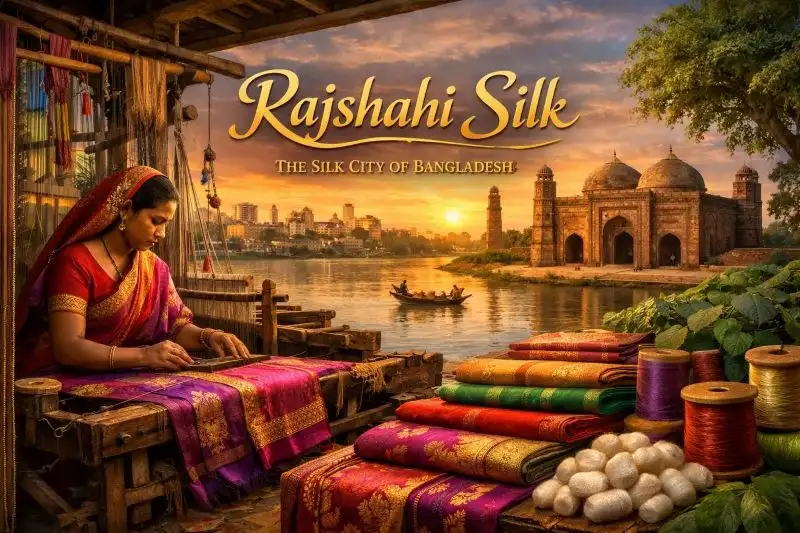
Discover the rich Rajshahi Silk History with 10 amazing facts about Bangladeshi silk, weaving traditions and the cultural heritage of the Silk City.
Introduction: Rajshahi Silk History
Bangladesh is renowned for its rich textile heritage, and at the heart of this tradition lies Rajshahi Silk History. Known as the Silk City of Bangladesh, Rajshahi has been producing luxurious silk fabrics for centuries. This city has earned a reputation not only for its exquisite silk sarees but also for its contribution to preserving traditional weaving techniques, fostering local artisans, and shaping the cultural identity of Bangladesh. In this article, we explore 10 amazing facts about Rajshahi silk, its history, production methods, cultural significance, and modern relevance.
From the delicate handloom techniques to the vibrant colors and intricate designs, Rajshahi silk reflects both skill and creativity. It has been a symbol of elegance and status throughout Bangladesh’s history, worn during weddings, festivals, and special occasions. The city continues to balance tradition with modern innovation, ensuring that Rajshahi Silk History remains alive for future generations. Every thread tells a story of dedication, artistry, and the enduring legacy of Bangladesh’s silk heritage.
History of Rajshahi Silk
Bangladesh is known for its rich textile heritage, and at the heart of this tradition lies the history of Rajshahi silk. Rajshahi, often called the Silk City of Bangladesh, has been producing luxurious silk fabrics for centuries. The city is renowned for its high-quality silk sarees, scarves, and fabrics, which are treasured both locally and internationally.
The roots of Rajshahi silk trace back to the colonial era, when traditional sericulture (silkworm farming) and weaving techniques were refined and modernized. Over time, Rajshahi became a hub for various types of silk, including mulberry silk and tassar silk, prized for their softness, luster, and durability. Skilled artisans have preserved age-old handloom weaving methods, passing their craft through generations, making Rajshahi silk an important part of Bangladesh’s cultural and economic identity.
Rajshahi silk is celebrated for its intricate designs, vibrant colors, and patterns that reflect Bengali culture. Traditional sarees often feature floral, paisley, and geometric motifs, combined with modern patterns for contemporary tastes. The silk industry in Rajshahi not only supports thousands of local weavers and farmers but also contributes significantly to Bangladesh’s export market.
Despite challenges from synthetic fabrics and modern production methods, the history of Rajshahi silk continues to thrive. Efforts to preserve traditional weaving, promote silk tourism, and innovate designs ensure that this timeless craft remains a symbol of elegance, heritage, and pride in Bangladesh.
1. Rajshahi: The Silk Capital of Bangladesh
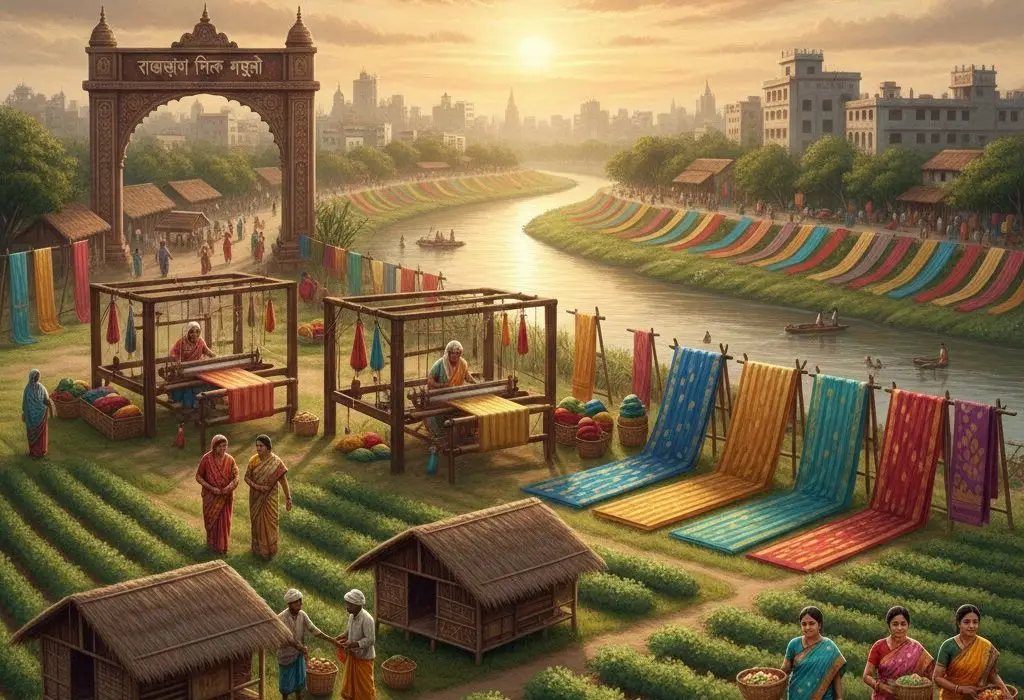
Rajshahi has long been celebrated as the Silk City of Bangladesh due to its thriving silk industry. The city’s fertile lands, favorable climate, and abundant mulberry leaves make it an ideal location for sericulture, the process of raising silkworms for silk production. With a weaving tradition spanning over 200 years, Rajshahi remains the most important center for silk production in the country. Understanding Rajshahi Silk History is essential to appreciating the craft, economy, and cultural heritage tied to this remarkable textile.
Over the years, Rajshahi has produced some of the finest silk sarees, scarves, and fabrics in Bangladesh. The city’s artisans are renowned for their skillful handloom weaving, creating intricate patterns that reflect Bengali culture, folklore, and artistic expression. These designs combine traditional artistry with modern innovations, ensuring the silk remains relevant to contemporary tastes.
Today, Rajshahi continues to attract both local and international buyers, boosting Bangladesh’s position in the global textile market. Through continued preservation of handloom techniques, innovative designs, and high-quality silk production, Rajshahi Silk History thrives, supporting local livelihoods while maintaining its reputation as the cultural and economic heart of Bangladesh’s silk industry.

2. Origins and Evolution of Rajshahi Silk
The roots of Rajshahi Silk History can be traced back to centuries ago, but it flourished during the British colonial period. The British introduced systematic methods of sericulture and weaving, which helped improve silk quality and encouraged mass production. Over time, Rajshahi became the hub for various types of silk, including mulberry silk, tassar silk, and Eri silk. These silks were not only used locally but also exported, establishing Bangladesh as a respected name in global textile markets.
The city’s silk industry evolved in response to both local demand and international tastes. Artisans adapted patterns, weaving techniques, and dyeing methods to meet modern demands while retaining traditional authenticity, which remains a key part of Rajshahi Silk History today. Today, the legacy of Rajshahi silk is celebrated in cultural festivals, exhibitions, and fashion shows across Bangladesh. Modern designers often draw inspiration from historical motifs, blending centuries-old artistry with contemporary styles. This evolution has ensured that Rajshahi silk continues to thrive, maintaining its status as a symbol of craftsmanship and heritage.
3. The Traditional Art of Handloom Weaving
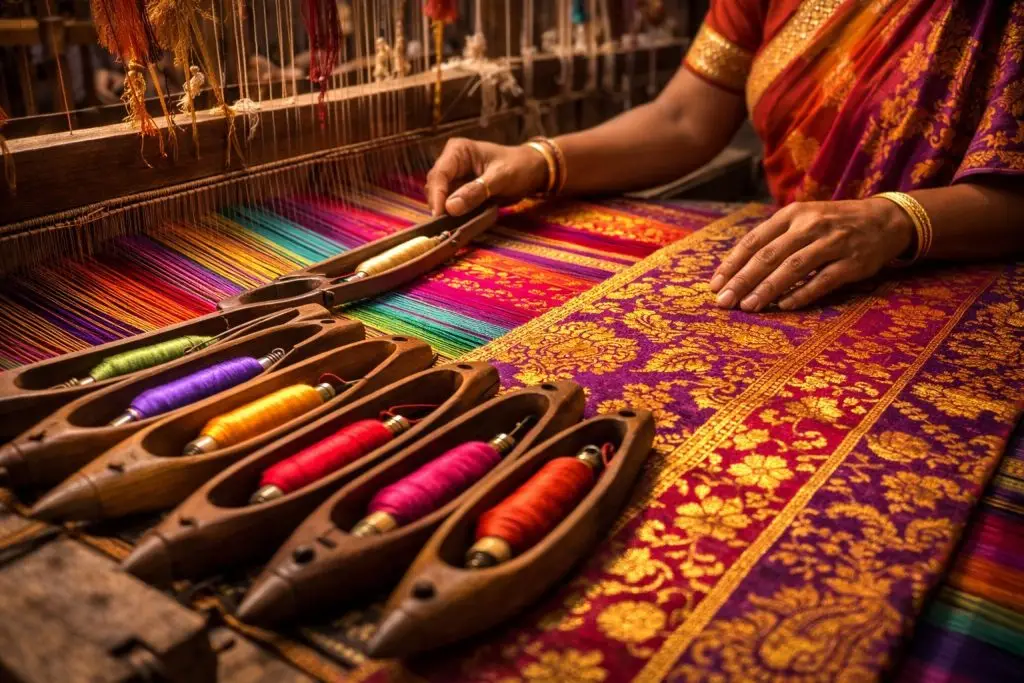
One of the most fascinating aspects of Rajshahi Silk History is its reliance on traditional handloom weaving. Skilled artisans dedicate weeks, and sometimes months, to craft a single silk saree or fabric. This meticulous process allows for intricate designs, including floral motifs, paisleys, and geometric patterns, which are impossible to replicate on machines. Each thread reflects the artisan’s skill, patience, and creativity, making every piece unique.
Many families in Rajshahi have passed down weaving knowledge through generations, ensuring that traditional techniques, precision, and artistry remain alive. These workshops are more than production centers—they are cultural hubs where artisans share stories, demonstrate dyeing and weaving techniques, and mentor younger generations in the delicate art of silk craftsmanship.
Visiting these workshops gives tourists, researchers, and fashion enthusiasts a firsthand experience of centuries-old practices. The combination of tradition and innovation ensures that Rajshahi Silk History continues to thrive while meeting modern tastes. By preserving these handloom methods, Rajshahi silk maintains its cultural significance, supporting local livelihoods, celebrating Bangladesh’s textile heritage, and connecting the past with contemporary creativity in the global fashion market.
4. The Iconic Rajshahi Silk Sarees
Rajshahi silk sarees are celebrated worldwide for their elegance, softness, and durability. Known for their luxurious texture, these sarees are often enhanced with gold or silver threadwork, called zari, which adds a rich and sophisticated finish. Each saree tells a story through its intricate design—some showcase traditional Bengali motifs such as floral patterns and paisleys, while others feature modern inspirations to appeal to contemporary tastes.
In Bangladesh, wearing a Rajshahi silk saree is considered a symbol of grace, social status, and cultural pride. They are especially popular during weddings, religious ceremonies, festivals, and formal events, reflecting the wearer’s appreciation for artistry and heritage. Understanding Rajshahi Silk History is impossible without acknowledging the skill, dedication, and creativity of local artisans who craft these masterpieces.
Beyond their beauty, these sarees represent centuries of handloom tradition and contribute significantly to the local economy. Many families treat Rajshahi silk sarees as heirlooms, preserving them across generations, which reinforces their cultural and historical significance. By combining tradition, craftsmanship, and innovation, Rajshahi silk sarees remain not only timeless fashion statements but also enduring symbols of Bangladesh’s rich textile heritage and artistic legacy.
5. Sericulture: The Foundation of Silk Production
The backbone of Rajshahi Silk History lies in sericulture, the practice of raising silkworms to produce high-quality silk threads. Farmers in Rajshahi primarily feed silkworms with mulberry leaves, carefully managing temperature, humidity, and the health of the worms to ensure the finest silk. This meticulous attention to detail is what gives Rajshahi silk its signature softness, luster, and durability, distinguishing it from synthetic fabrics.
Once the silkworms spin their cocoons, they are carefully harvested and processed into silk threads. These threads are then dyed, twisted, and woven into a variety of products, including sarees, scarves, and fabrics. The labor-intensive process requires skill, patience, and experience, reflecting the dedication of local artisans.
Sericulture also plays a vital role in supporting the livelihoods of thousands of farmers, weavers, and silk workers in Rajshahi, contributing significantly to the local economy. Training programs, community initiatives, and sustainable farming practices help preserve these traditional methods while encouraging environmentally friendly production. By combining heritage techniques with modern knowledge, Rajshahi Silk History continues to flourish, ensuring that this treasured craft remains a living, sustainable symbol of Bangladesh’s rich textile legacy for generations to come.
6. Economic Impact and Export Potential
Rajshahi silk plays a crucial role in Bangladesh’s economy. The silk industry provides employment to thousands of people, including farmers, weavers, dyers, and designers. Silk products from Rajshahi are exported to Europe, the Middle East, and Asia, boosting Bangladesh’s position in the global textile market.
Government initiatives and private enterprises are working to modernize production, improve marketing, and support artisans. This makes Rajshahi Silk History not only a cultural treasure but also a living industry that sustains local livelihoods and promotes Bangladeshi craftsmanship worldwide. In addition, silk fairs, exhibitions, and online marketplaces have increased global awareness of Rajshahi silk, creating new business opportunities. The industry also encourages innovation in design, blending traditional motifs with contemporary fashion trends, further strengthening its economic and cultural relevance.
7. Unique Designs and Patterns
A key feature of Rajshahi Silk History is the diversity of designs. Traditional motifs include floral, paisley, and geometric patterns, often interwoven with metallic threads to create elegant sarees, scarves, and fabrics. Each design carries cultural significance, reflecting local traditions, folklore, and artistic expression.
Some designs are region-specific, representing different communities or historical influences. Artisans often draw inspiration from nature, architecture, and Bengali literature, ensuring that every silk product tells a story. Beyond aesthetics, these patterns also symbolize social and cultural identity, with certain motifs traditionally reserved for festivals, weddings, or ceremonial attire. The combination of color, texture, and intricate detailing highlights the exceptional craftsmanship of Rajshahi weavers, making each piece a unique work of art that celebrates Bangladesh’s rich textile heritage.
In addition, modern designers are increasingly incorporating these traditional patterns into contemporary fashion, creating a fusion of heritage and innovation. This adaptability helps preserve the legacy of Rajshahi silk while appealing to global markets, ensuring that the artistry and cultural significance of each design continue to thrive.
8. Modern Innovations in Silk Production
The Rajshahi silk industry has successfully balanced tradition with modern technology, ensuring that Rajshahi Silk History remains relevant in today’s textile market. Innovations include advanced dyeing techniques, semi-mechanized weaving, and the development of new silk blends. These modern methods improve production efficiency, enhance colorfastness, and reduce fabric wastage, while still preserving the softness and durability of traditional silk.
Despite these advancements, many workshops continue to use handloom weaving for premium sarees and fabrics, maintaining the authenticity and craftsmanship that Rajshahi silk is known for. Modern innovations also allow designers to experiment with contemporary patterns and vibrant colors, attracting younger consumers and global fashion markets. Training programs and collaborations with international experts help artisans refine their skills and stay competitive. This blend of tradition and innovation ensures that Rajshahi silk continues to thrive, honoring centuries of cultural heritage while appealing to modern tastes.
9. Cultural Significance of Rajshahi Silk
Silk has always held a cherished place in Bangladeshi culture, and Rajshahi silk, in particular, symbolizes elegance, prosperity, and social status. Wearing silk during weddings, religious ceremonies, and cultural festivals is a centuries-old tradition, reflecting both respect for heritage and an appreciation for craftsmanship. The legacy of Rajshahi Silk History is deeply intertwined with Bengali identity, making it a symbol of national pride and cultural continuity.
Beyond its aesthetic beauty, each silk product tells a story of dedication, patience, and artistry. Handloom techniques, intricate patterns, and vibrant colors showcase the skill and creativity of local artisans, preserving traditions passed down through generations. Rajshahi silk is more than just fabric—it embodies Bangladesh’s cultural heritage and artistic excellence. By wearing or gifting these silk products, people celebrate history, tradition, and the enduring legacy of the Silk City, keeping the craft alive for future generations.
10. Challenges and the Future
Despite its rich heritage, the Rajshahi silk industry faces several significant challenges. Competition from synthetic fabrics has affected demand, while high production costs and limited modernization in small workshops make it difficult for artisans to scale their operations. Additionally, younger generations are often reluctant to pursue weaving as a career, putting centuries-old handloom traditions at risk. These challenges threaten the continuity of Rajshahi Silk History and the preservation of Bangladesh’s cultural textile heritage.
However, various initiatives are helping the industry overcome these obstacles. NGOs, government programs, and private enterprises provide training, funding, and marketing support to artisans, encouraging the adoption of modern techniques while preserving traditional craftsmanship. Silk tourism, exhibitions, and international collaborations are also boosting global awareness of Rajshahi silk, creating new markets and business opportunities.
The future of Rajshahi silk is promising, with increasing global interest in sustainable, handcrafted textiles. By combining centuries-old techniques with modern innovation, Rajshahi silk continues to thrive, supporting local communities, preserving cultural identity, and maintaining Bangladesh’s reputation as the Silk City. With dedicated efforts, Rajshahi Silk History will remain a vibrant symbol of artistry, tradition, and national pride for generations to come.
FAQ: Rajshahi Textile Silk
1. What is Rajshahi Silk?
Rajshahi Silk is a premium silk fabric produced in Rajshahi, Bangladesh, known for its softness, durability, and intricate designs. It includes sarees, scarves, and other silk textiles made using traditional handloom techniques.
2. Why is Rajshahi called the Silk City?
Rajshahi is called the Silk City due to its long-standing history in silk production, handloom weaving, and sericulture. It has been the center of Bangladesh’s silk industry for over 200 years.
3. What types of silk are produced in Rajshahi?
The main types include mulberry silk, tassar silk, and Eri silk, each valued for its texture, luster, and unique weaving properties.
4. What makes Silk of Rajshahi unique?
Rajshahi silk is renowned for its vibrant colors, intricate patterns, and high-quality handloom craftsmanship, which blends traditional motifs with modern designs.
5. How is Silk of Rajshahi made?
It begins with sericulture, raising silkworms on mulberry leaves, followed by harvesting cocoons, extracting threads, dyeing, and weaving on handlooms to create luxurious fabrics.
6. Why is Silk of Rajshahi culturally significant?
Wearing Silk of Rajshahi reflects elegance, social status, and Bengali heritage. It is central to weddings, festivals, and ceremonial attire, making it an enduring symbol of Bangladesh’s textile heritage.
Conclusion: Celebrating History of Artisan Silk of Rajshahi
Rajshahi Silk History stands as a proud testament to Bangladesh’s rich textile heritage. From centuries-old handloom weaving techniques to modern innovations, Silk Fabrics of Rajshahi embodies the nation’s culture, artistry, and economic importance. The 10 amazing facts highlighted in this article showcase the elegance, skill, and dedication behind each silk saree, scarf, and fabric, reflecting why Rajshahi silk remains a treasured part of Bangladeshi tradition.
Beyond its aesthetic beauty, Silk of Rajshahi represents the hard work of generations of artisans who have preserved traditional craftsmanship while embracing innovation. The city’s silk industry continues to support local livelihoods, contribute to exports, and enhance Bangladesh’s global reputation for quality textiles.
Whether you are a fashion enthusiast, a cultural historian, or a traveler exploring Bangladesh, Silk Fabrics of Rajshahi offers a fascinating insight into the creativity, precision, and heritage behind every thread. Preserving this craft ensures that future generations can continue to experience and celebrate the timeless legacy of Rajshahi Silk History.