
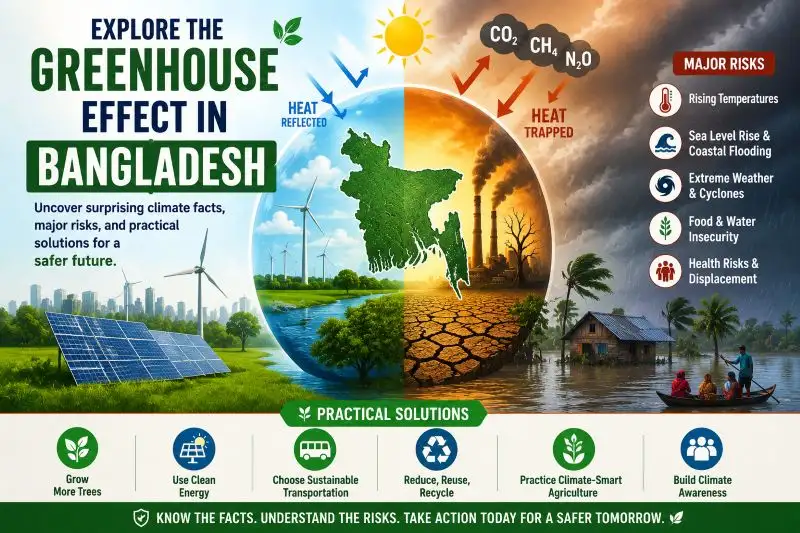
Explore the Greenhouse Effect in Bangladesh and uncover surprising climate facts, major risks, and practical solutions for a safer future.
Introduction
The greenhouse effect in Bangladesh has become one of the most important environmental issues of the twenty-first century. Climate change is no longer a distant concern discussed only by scientists and policymakers. It is a reality affecting millions of people across Bangladesh every day.
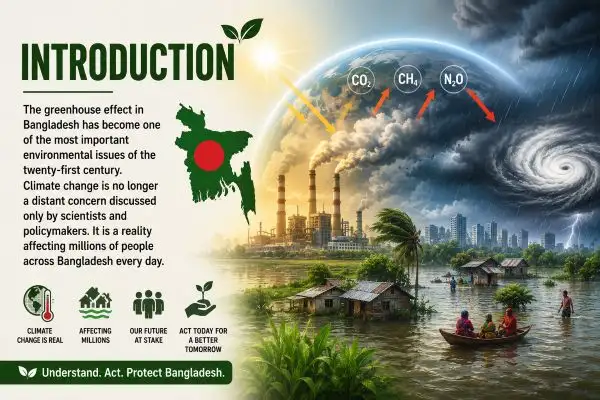
Rising temperatures, unpredictable rainfall, severe floods, stronger cyclones, and increasing sea levels are changing the country’s environment, economy, and way of life.Bangladesh is often identified as one of the world’s most climate-vulnerable nations.
Although the country contributes only a small percentage of global greenhouse gas emissions, it faces some of the most serious consequences of global warming. From coastal communities struggling with saltwater intrusion to farmers coping with changing weather patterns, the effects of climate change can be seen throughout the country.
Understanding the greenhouse effect in Bangladesh is essential for anyone interested in environmental sustainability, climate science, and the future of the nation. This comprehensive guide explores the history, causes, impacts, challenges, and solutions related to the greenhouse effect while highlighting why immediate action is necessary in 2026 and beyond.
What Is the Greenhouse Effect?
The greenhouse effect is a natural process that helps keep Earth warm enough to support life. When sunlight reaches the Earth’s surface, some of that energy is absorbed while the rest is reflected back into space. Greenhouse gases in the atmosphere trap a portion of this heat, preventing it from escaping completely.
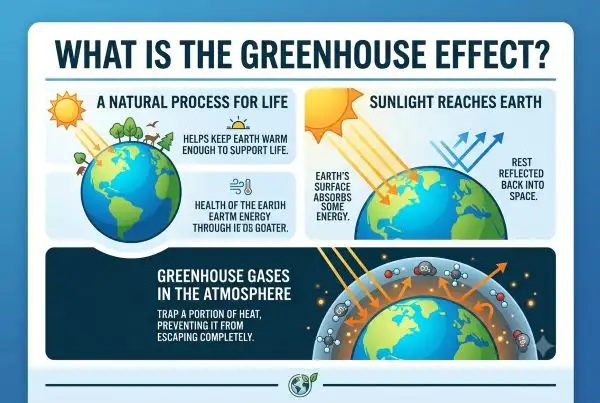
Without the greenhouse effect, Earth’s average temperature would be far below freezing, making life impossible. However, human activities have significantly increased greenhouse gas concentrations, causing excessive heat to become trapped in the atmosphere.
The major greenhouse gases include:
- Carbon dioxide (CO₂)
- Methane (CH₄)
- Nitrous oxide (N₂O)
- Water vapor
- Ozone
- Fluorinated gases
As these gases accumulate, global temperatures rise, leading to climate change and environmental disruption.
History of the Greenhouse Effect in Bangladesh

Early Environmental Conditions
For centuries, Bangladesh enjoyed a relatively balanced climate. The country experienced six distinct seasons, fertile agricultural lands, abundant rivers, and rich biodiversity. Traditional farming practices depended heavily on predictable weather patterns.
Before industrialization and rapid urban growth, greenhouse gas emissions remained relatively low. The natural environment maintained a balance between carbon absorption and carbon release.
Post-Independence Development
Following independence in 1971, Bangladesh entered a period of rapid development. Population growth, industrial expansion, and urbanization increased energy demand significantly.
Key sectors that expanded include:
- Textile manufacturing
- Transportation
- Power generation
- Construction
- Agriculture
These developments improved economic growth but also contributed to increasing greenhouse gas emissions.
Climate Awareness in the Modern Era
During the late twentieth century, researchers began noticing unusual environmental changes across Bangladesh. Seasonal patterns became less predictable, temperatures gradually increased, and natural disasters appeared more intense.
Scientific studies linked many of these changes to global warming and the enhanced greenhouse effect. Since then, climate change has become a major concern for policymakers, environmental organizations, and citizens.
Main Causes of the Greenhouse Effect in Bangladesh
1. Fossil Fuel Consumption
One of the largest contributors to greenhouse gas emissions in Bangladesh is the widespread use of fossil fuels such as coal, natural gas, petrol, and diesel. Power plants, factories, and vehicles release large amounts of carbon dioxide into the atmosphere, accelerating global warming and intensifying the greenhouse effect across the country.
Major sources include:
- Coal-fired power plants
- Diesel generators
- Petroleum-based transportation
- Industrial fuel consumption
These activities release large amounts of carbon dioxide into the atmosphere.
2. Rapid Urbanization
Rapid urbanization in cities such as Dhaka, Chattogram, Khulna, and Rajshahi has increased energy consumption, vehicle emissions, and construction activities. This urban growth contributes significantly to greenhouse gas emissions, air pollution, and climate change in Bangladesh.
Urban growth creates increased demand for:
- Electricity
- Transportation
- Construction materials
- Air conditioning
- Industrial production
As a result, greenhouse gas emissions continue to rise.
3. Industrial Activities
Bangladesh’s growing industrial sector supports economic development, employment, and exports. However, factories, brick kilns, cement plants, and manufacturing industries often rely on fossil fuels, increasing carbon emissions, air pollution, and the greenhouse effect in Bangladesh.
Major emission-producing industries include:
- Garment manufacturing
- Cement production
- Steel processing
- Brick kilns
Traditional brick kilns alone contribute significantly to air pollution and carbon emissions.
4. Deforestation
Forests absorb carbon dioxide and help regulate climate systems. Unfortunately, deforestation continues to reduce Bangladesh’s ability to absorb greenhouse gases naturally.
Common causes include:
- Agricultural expansion
- Infrastructure projects
- Illegal logging
- Urban development
Loss of forest cover contributes directly to climate change.
5. Agricultural Emissions
Agriculture remains one of Bangladesh’s most important economic sectors, supporting millions of livelihoods. However, rice cultivation, livestock farming, and fertilizer use release methane and nitrous oxide, contributing significantly to greenhouse gas emissions and climate change.
Sources of agricultural greenhouse gases include:
- Rice cultivation
- Livestock farming
- Fertilizer application
- Organic waste decomposition
Methane emissions from rice fields are particularly significant.
13 Powerful Greenhouse Effect in Bangladesh Impacts in 2026
1. Rising Average Temperatures
Bangladesh has experienced a steady increase in average temperatures over the past few decades, mainly due to the intensifying greenhouse effect and global climate change. Summers are becoming hotter and longer, while heatwaves are occurring more frequently and with greater intensity.
This rise in temperature affects human health, agriculture, water supply, and daily life. Farmers face reduced crop productivity, and urban areas suffer from extreme heat stress, increased energy demand, and discomfort, making climate adaptation more important than ever.
Higher temperatures can lead to:
- Heat stress
- Reduced productivity
- Increased electricity demand
- Health complications
Urban areas are especially vulnerable because concrete structures absorb and retain heat.
2. More Frequent Heatwaves
Extreme heatwaves are becoming more frequent in Bangladesh due to the growing impact of the greenhouse effect and climate change. These intense heat events are affecting daily life across the country, especially workers, students, farmers, and vulnerable groups.
Prolonged exposure to high temperatures increases health risks such as dehydration, heat exhaustion, and heatstroke. It also reduces productivity, disrupts education, and puts extra pressure on energy consumption, making life increasingly difficult during peak summer seasons.
Health risks include:
- Dehydration
- Heat exhaustion
- Heatstroke
- Cardiovascular stress
As temperatures continue rising, heatwaves may become even more severe.
3. Sea Level Rise Threatening Coastal Areas
Sea-level rise is one of the most serious consequences of the greenhouse effect in Bangladesh, putting millions of coastal residents at risk. As global temperatures increase, melting glaciers and expanding oceans cause seawater to rise, leading to coastal flooding and land loss.
Low-lying districts face saltwater intrusion, damaging crops, drinking water sources, and livelihoods. This ongoing environmental change threatens displacement of communities and long-term food security in Bangladesh’s vulnerable coastal regions.
Many coastal districts face risks such as:
- Permanent land loss
- Coastal flooding
- Displacement of communities
- Agricultural damage
Millions of people living near the coast could be affected in the coming decades.
4. Increased Salinity Intrusion
Increased salinity intrusion is becoming a serious environmental challenge in coastal Bangladesh as seawater spreads into freshwater rivers, ponds, and groundwater systems. This is mainly driven by the greenhouse effect, rising sea levels, and climate change impacts.
As a result, drinking water becomes unsafe, and agricultural productivity declines, especially for rice and vegetable farming. Farmers face soil degradation, while local communities struggle with water shortages and health risks, making daily life increasingly difficult in affected regions.
This creates problems for:
- Drinking water supplies
- Rice cultivation
- Vegetable farming
- Human health
Coastal residents often struggle to access safe drinking water because of increased salinity.
5. Stronger Cyclones
Stronger cyclones are becoming a major threat in Bangladesh due to rising sea surface temperatures caused by the greenhouse effect and global warming. Warmer oceans provide more energy for tropical storms, making them more intense and destructive.
Bangladesh, already vulnerable to cyclones, faces increased risks of heavy rainfall, storm surges, flooding, and infrastructure damage. These extreme weather events endanger lives, destroy homes, and disrupt agriculture, making climate resilience and early warning systems more important than ever.
Potential impacts include:
- Infrastructure destruction
- Loss of life
- Economic damage
- Agricultural losses
6. Increased Flooding
Increased flooding is one of the most serious impacts of the greenhouse effect in Bangladesh, with floods becoming more frequent, severe, and unpredictable. Changing rainfall patterns, rising river levels, and climate change intensify monsoon flooding across the country.
These floods damage homes, destroy crops, contaminate drinking water, and displace thousands of people every year. Rural and low-lying areas are especially affected, creating long-term economic losses and increasing vulnerability for farming communities and urban settlements alike.
Major consequences include:
- Property damage
- Crop destruction
- Water contamination
- Population displacement
Many communities face repeated flooding that affects their long-term development.
7. River Erosion
River erosion is a serious environmental challenge in Bangladesh, strongly linked to climate change and the greenhouse effect. Continuous changes in river flow, heavy rainfall, and flooding accelerate the loss of riverbanks. As a result, thousands of people lose their homes, farmland, and livelihoods every year.
Entire villages are often displaced, forcing families to migrate to urban areas. This ongoing erosion also reduces agricultural land and increases poverty in vulnerable riverine communities across the country.
As river systems change due to climate pressures, thousands of families lose:
- Homes
- Farmland
- Livelihoods
Displaced populations often migrate to urban areas in search of opportunities.
8. Reduced Agricultural Productivity
Reduced agricultural productivity is becoming a growing concern in Bangladesh due to the greenhouse effect and changing climate conditions. Rising temperatures, irregular rainfall, floods, and drought-like situations disrupt normal farming cycles.
Crops such as rice, wheat, and vegetables are increasingly affected by pests, soil degradation, and water shortages. As a result, farmers experience lower yields and income loss. This directly threatens food security, rural livelihoods, and the overall stability of Bangladesh’s agriculture-dependent economy.
Changing weather patterns can result in:
- Lower crop yields
- Pest outbreaks
- Water shortages
- Soil degradation
Food security concerns may increase if these trends continue.
9. Threats to Fisheries
Threats to fisheries are increasing in Bangladesh as the greenhouse effect and climate change disrupt aquatic ecosystems. Rising water temperatures, changing river flows, and pollution affect fish breeding, migration, and survival.
Bangladesh, home to one of the world’s largest fisheries sectors, is seeing declining fish stocks in both freshwater and coastal areas. This impacts fishermen’s income, food supply, and national nutrition. Without proper climate action, fish production and aquatic biodiversity may continue to decline.
Rising temperatures and environmental changes affect:
- Fish breeding patterns
- Aquatic ecosystems
- Freshwater resources
- Coastal fisheries
Many fishing communities depend directly on healthy aquatic environments.
10. Biodiversity Loss
Biodiversity loss is accelerating in Bangladesh as the greenhouse effect and climate change continue to disrupt natural ecosystems. Rising temperatures, habitat destruction, floods, and salinity intrusion threaten many plant and animal species.
Forests, wetlands, and coastal areas are especially vulnerable, leading to declining wildlife populations. This loss of biodiversity weakens ecological balance, reduces natural resources, and affects agriculture and fisheries. Protecting ecosystems is essential to maintain environmental stability and ensure a sustainable future for Bangladesh.
Important ecosystems at risk include:
- Wetlands
- Forests
- Coastal habitats
- River systems
Preserving biodiversity is crucial for supporting healthy ecosystems, protecting natural habitats, and ensuring long-term environmental sustainability in Bangladesh.
11. Health Challenges
Health challenges in Bangladesh are increasing due to the greenhouse effect and climate change. Rising temperatures, air pollution, and extreme weather events contribute to respiratory diseases, heat-related illnesses, and waterborne infections.
Flooding often spreads contaminated water, increasing risks of cholera and diarrhea, especially in rural areas. Vulnerable groups such as children, the elderly, and low-income families are most affected. These growing health issues place extra pressure on hospitals and weaken overall public health systems nationwide.
These include:
- Respiratory diseases
- Waterborne illnesses
- Malnutrition
- Heat-related illnesses
Public health systems may face increasing pressure in the future.
12. Economic Losses
Economic losses in Bangladesh are rising due to the greenhouse effect and frequent climate-related disasters. Floods, cyclones, river erosion, and droughts damage infrastructure, homes, and agricultural land, creating huge financial burdens.
Farmers lose crops, businesses face disruption, and rebuilding costs strain national resources. These recurring disasters slow economic growth and increase poverty, especially in rural areas. Without strong climate adaptation strategies, Bangladesh may continue to face long-term economic instability and reduced development opportunities.
Affected sectors include:
- Agriculture
- Fisheries
- Tourism
- Infrastructure
- Manufacturing
Economic losses can slow national development and increase poverty.
13. Climate Migration
Climate migration is becoming a major concern in Bangladesh as the greenhouse effect and climate change force people to leave their homes. Rising sea levels, river erosion, flooding, and salinity intrusion destroy farmland and settlements, especially in coastal and riverine areas.
As livelihoods disappear, many families migrate to cities in search of work and safety. This rapid migration increases urban pressure, housing shortages, and unemployment, creating long-term social and economic challenges for the country.
Environmental pressures force many people to relocate due to:
- Flooding
- Erosion
- Salinity intrusion
- Natural disasters
Managing climate migration will become increasingly important in the years ahead.
Solutions to Reduce the Greenhouse Effect in Bangladesh
Expanding Renewable Energy
Expanding renewable energy in Bangladesh through solar, wind, and biogas reduces fossil fuel use, lowers emissions, and supports sustainable climate-friendly development.
Promoting Sustainable Transportation
Promoting sustainable transportation in Bangladesh through public transit and electric vehicles helps reduce carbon emissions and improves air quality.
Protecting Forests
Protecting forests through reforestation and afforestation in Bangladesh absorbs carbon dioxide, reduces greenhouse gases, and supports ecological balance naturally.
Climate-Smart Agriculture
Climate-smart agriculture in Bangladesh improves crop productivity while reducing environmental impact through sustainable farming techniques and efficient resource management.
Better Waste Management
Better waste management in Bangladesh reduces landfill emissions, promotes recycling, and significantly lowers methane production, supporting climate change mitigation efforts.
Public Awareness
Public awareness in Bangladesh promotes environmental education, encouraging responsible behavior that reduces pollution and supports climate change mitigation efforts.
The Future of Bangladesh in a Changing Climate
The future of Bangladesh depends on how effectively climate challenges are addressed today. While the greenhouse effect presents serious risks, it also creates opportunities for innovation, sustainable development, and environmental leadership.
Investments in renewable energy, climate adaptation, green infrastructure, and environmental education can help build a more resilient nation. International cooperation will also remain important because climate change is a global challenge requiring global solutions.
With proper planning and collective action, Bangladesh can reduce vulnerabilities while protecting future generations from the most severe consequences of climate change.
Conclusion
The greenhouse effect in Bangladesh is one of the defining environmental issues of our time. Rising temperatures, stronger cyclones, sea-level rise, flooding, agricultural challenges, and health risks are already affecting millions of people across the country.
Despite contributing relatively little to global greenhouse gas emissions, Bangladesh faces disproportionate climate risks. Understanding these challenges is the first step toward finding effective solutions.
Through renewable energy development, sustainable agriculture, forest conservation, climate adaptation programs, and public awareness, Bangladesh can build a safer and more sustainable future. The actions taken today will determine how successfully the nation navigates the environmental challenges of tomorrow.
Frequently Asked Questions (FAQ) About Greenhouse Effect in Bangladesh
1. What is the greenhouse effect in Bangladesh?
The greenhouse effect in Bangladesh refers to the process where greenhouse gases trap heat in the atmosphere, leading to rising temperatures, climate change, and environmental challenges across the country.
2. What causes the greenhouse effect in Bangladesh?
Major causes include fossil fuel consumption, industrial activities, rapid urbanization, deforestation, agricultural emissions, and increasing energy demand. These activities release greenhouse gases such as carbon dioxide and methane into the atmosphere.
3. How does climate change affect Bangladesh?
Climate change affects Bangladesh through rising temperatures, stronger cyclones, sea-level rise, flooding, river erosion, salinity intrusion, biodiversity loss, and reduced agricultural productivity.
4. Why is Bangladesh vulnerable to the greenhouse effect?
Bangladesh is highly vulnerable because of its low-lying geography, extensive coastline, dense population, and dependence on climate-sensitive sectors such as agriculture and fisheries.
5. What are the main greenhouse gases affecting Bangladesh?
The primary greenhouse gases include carbon dioxide (CO₂), methane (CH₄), nitrous oxide (N₂O), water vapor, and fluorinated gases, all of which contribute to global warming.
6. How does the greenhouse effect impact agriculture in Bangladesh?
The greenhouse effect leads to higher temperatures, irregular rainfall, floods, droughts, and pest outbreaks, which reduce crop yields and threaten food security.
7. How does sea-level rise affect Bangladesh?
Sea-level rise causes coastal flooding, land loss, salinity intrusion, displacement of communities, and damage to agriculture, particularly in coastal districts.
8. What is climate migration in Bangladesh?
Climate migration occurs when people are forced to leave their homes due to environmental factors such as flooding, river erosion, sea-level rise, and other climate-related disasters.
9. How can Bangladesh reduce the greenhouse effect?
Bangladesh can reduce greenhouse gas emissions by expanding renewable energy, protecting forests, promoting sustainable transportation, improving waste management, and encouraging climate-smart agriculture.
10. What role does renewable energy play in combating climate change in Bangladesh?
Renewable energy sources such as solar power, wind energy, and biogas help reduce dependence on fossil fuels, lower carbon emissions, and support sustainable development.
11. How does the greenhouse effect affect public health in Bangladesh?
It contributes to heat-related illnesses, respiratory diseases, waterborne infections, malnutrition, and other health challenges linked to climate change and environmental degradation.
12. What is the future of climate action in Bangladesh?
The future of climate action in Bangladesh focuses on renewable energy expansion, climate adaptation strategies, sustainable development, environmental conservation, and international cooperation to build resilience against climate change.