
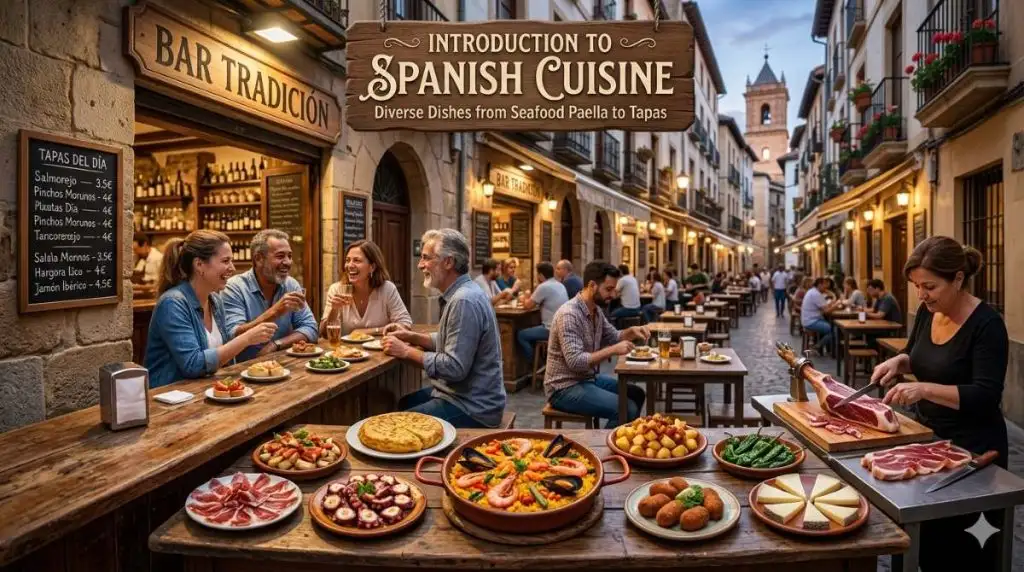
Discover traditional Spanish dishes, authentic tapas, and famous recipes while exploring Spain’s rich food culture and flavors.
Introduction
Spain is one of the most exciting food destinations in the world. From flavorful seafood paella to delicious tapas served in lively street cafés, traditionalSpanish dishes are loved for their rich taste, fresh ingredients, and deep cultural history.
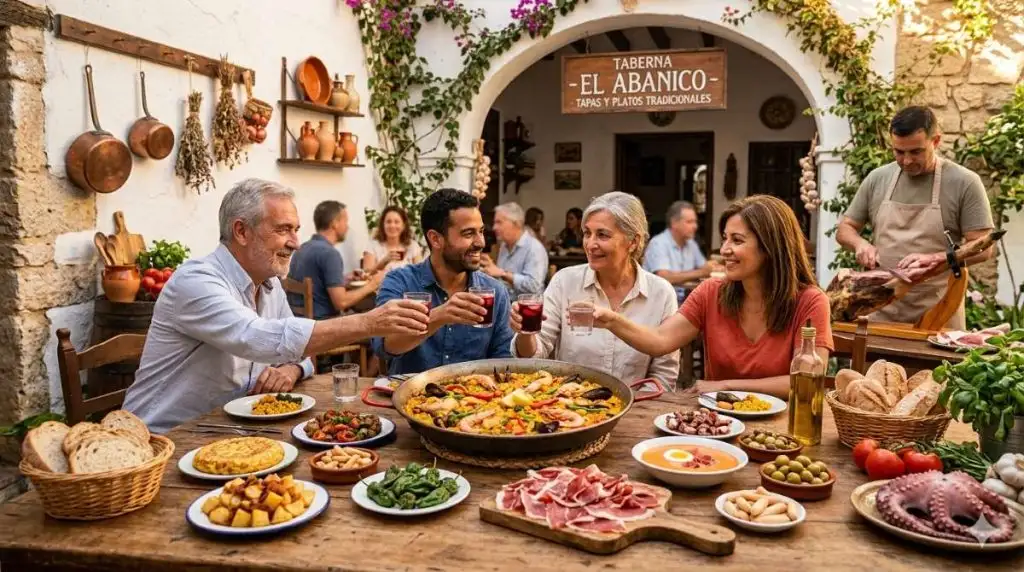
Every region in Spain offers something unique, making Spanish cuisine one of the most diverse and unforgettable culinary traditions in Europe.
Whether you are planning a trip to Spain, searching for authentic Spanish food recipes, or simply exploring famous world cuisines, learning about traditional Spanish dishes helps you understand the heart of Spanish culture. Food in Spain is more than just eating — it is about family gatherings, celebrations, local traditions, and sharing meals with loved ones.
In this complete guide, you will discover the most famous traditional Spanish dishes, their history, regional specialties, and why Spanish cuisine continues to attract food lovers from around the world in 2026.
Why Traditional Spanish Dishes Are Famous Worldwide
Traditional Spanish dishes are famous worldwide because they combine rich flavor, fresh ingredients, and centuries of culinary tradition. Spanish cuisine focuses on simple cooking methods that highlight the natural taste of seafood, olive oil, vegetables, rice, herbs, cheese, and premium cured meats.
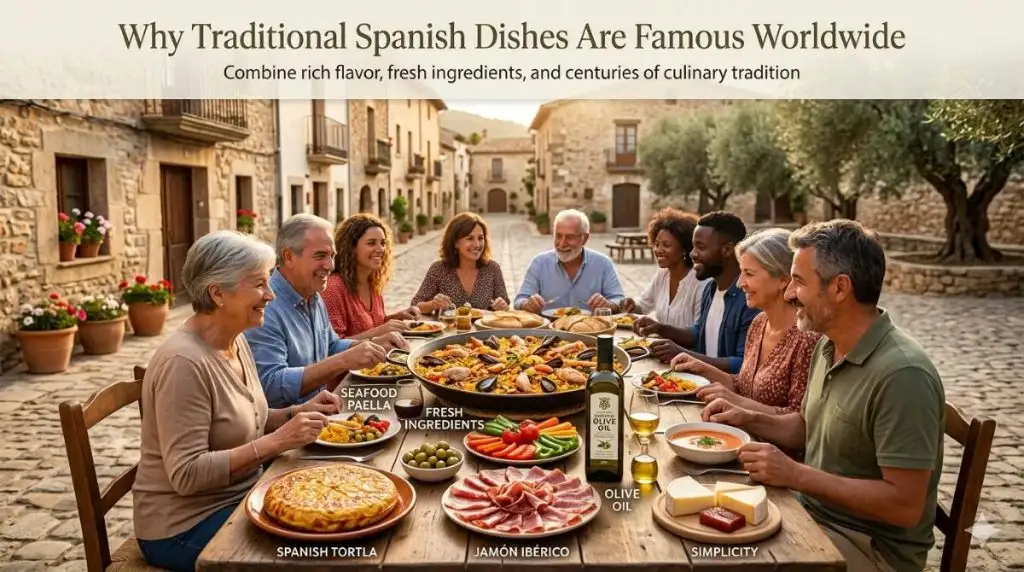
Unlike heavily processed fast food, authentic Spanish food offers healthier and more balanced meals inspired by the Mediterranean diet.
Millions of tourists travel to Spain every year to enjoy authentic Spanish tapas, seafood paella, churros, gazpacho, and regional specialties from cities like Valencia, Barcelona, and Seville. Spanish food culture also emphasizes family dining, social gatherings, and fresh local ingredients, making every meal feel special and memorable.
Another reason traditional Spanish cuisine remains popular is its incredible regional diversity. From coastal seafood dishes to mountain stews and world-famous Spanish wine and cheese, Spain offers unforgettable flavors that continue attracting food lovers globally in 2026.
History of Traditional Spanish Cuisine
The history of traditional Spanish cuisine dates back thousands of years and reflects a rich blend of cultures shaped by trade, agriculture, and migration.

Over time, Spain absorbed culinary traditions from the Romans, Moors, and Mediterranean traders, creating a diverse and flavorful food identity. These influences introduced key ingredients such as olive oil, rice, herbs, and spices that remain essential in traditional Spanish dishes today.
This cultural exchange helped form famous Spanish foods like paella, tapas, and stews. As a result, Spanish cuisine became globally recognized for its authentic flavors, fresh ingredients, and deep historical roots that continue to influence modern cooking.
Roman Influence on Spanish Food
The Roman Empire greatly shaped traditional Spanish cuisine by introducing olive oil production, vineyards, wheat farming, and advanced bread-making techniques across the Iberian Peninsula.
Olive oil became the core ingredient in Spanish cooking, defining flavor and texture in many dishes. Today, Spain remains one of the world’s largest olive oil producers, preserving this ancient Roman culinary legacy.
Moorish Influence on Spanish Dishes
During the Moorish period, Spanish cuisine was deeply transformed by new ingredients and cooking techniques introduced from North Africa and the Middle East.
The Moors brought rice, saffron, almonds, citrus fruits, sugar, and a variety of aromatic spices that enriched traditional Spanish food culture. These ingredients added color, fragrance, and deeper flavor to everyday meals.
This influence is still visible in modern Spanish dishes today. Iconic foods like paella, rice-based stews, and sweet desserts clearly reflect Moorish culinary heritage, making Spanish cuisine more diverse, flavorful, and globally admired.
American Ingredients Changed Spanish Cooking
After explorers returned from the Americas, they brought ingredients like:
- Tomatoes
- Potatoes
- Peppers
- Beans
- Chocolate
These foods became essential parts of traditional Spanish recipes.
15 Amazing Traditional Spanish Dishes to Try
1. Paella – Spain’s Most Famous Rice Dish
Paella is the most iconic and widely recognized traditional Spanish dish, originating from the Valencia region. This flavorful rice dish is prepared using saffron, olive oil, vegetables, and a mix of meat or seafood, creating a rich Mediterranean taste loved worldwide.
Over time, different variations of paella have become popular, including seafood paella, chicken paella, mixed paella, and vegetarian paella, making it suitable for all food lovers.
Authentic paella is traditionally cooked in a wide shallow pan over an open flame, forming a crispy rice layer at the bottom called socarrat, which is highly prized. Today, paella remains one of the most searched traditional Spanish dishes globally due to its history, flavor, and cultural importance.
2. Tortilla Española – Classic Spanish Omelette
Tortilla Española, also known as Spanish omelette, is one of the most traditional and comforting Spanish dishes. It is made with simple ingredients such as potatoes, eggs, olive oil, and sometimes onions, yet delivers a rich and satisfying flavor that represents authentic Spanish home cooking.
The thick, golden omelette is soft inside and slightly crisp on the outside, making it a favorite across all age groups.This classic Spanish dish is commonly enjoyed in many ways—served for breakfast, as part of tapas, during lunch, or even inside sandwiches for a quick meal.
Every region and family in Spain has its own version, which makes tortilla Española a deeply personal and culturally important traditional Spanish dish.
3. Gazpacho – Refreshing Spanish Cold Soup
Gazpacho is a famous traditional Spanish dish originating from the Andalusia region in southern Spain. This refreshing cold soup is especially popular during hot summer months because it is light, hydrating, and full of natural flavors.
Made from blended fresh ingredients, gazpacho represents the simplicity and health benefits of Mediterranean cuisine.The traditional recipe includes ripe tomatoes, cucumbers, garlic, olive oil, bread, vinegar, and green peppers. These ingredients are blended into a smooth, chilled soup that delivers a fresh and tangy taste.
Gazpacho is considered one of the healthiest traditional Spanish dishes due to its high vegetable content and use of heart-healthy olive oil, making it a popular choice among health-conscious food lovers worldwide.
4. Patatas Bravas – Popular Spanish Tapas
Patatas bravas is one of the most popular traditional Spanish tapas dishes, loved across Spain and around the world. This simple yet flavorful dish consists of crispy fried potato cubes topped with a spicy tomato-based sauce and often served with creamy garlic aioli.
It is a staple in almost every Spanish bar and restaurant, making it an essential part of Spain’s food culture.Tourists especially enjoy patatas bravas because they are affordable, rich in flavor, easy to share, and perfect when paired with drinks.
This iconic dish represents the social tapas culture of Spain, where people gather, eat, and enjoy food together in a relaxed and friendly atmosphere.
5. Jamón Ibérico – Spain’s Luxury Ham
Jamón Ibérico is one of the most prestigious traditionalSpanish dishes and is considered a luxury cured meat enjoyed worldwide.
It is made from Iberian pigs raised mainly in the oak-rich regions of southern and western Spain. These pigs are often fed acorns, which enhances the flavor and quality of the meat.The curing process for Jamón Ibérico can take several years, allowing it to develop a rich aroma, deep savory taste, and smooth melt-in-the-mouth texture.
In Spain, it is commonly served in thin slices alongside cheese, crusty bread, olives, and fine wine. This iconic delicacy represents Spain’s high-quality food tradition and is a must-try for anyone exploring authentic Spanish cuisine.
6. Croquetas – Crispy Spanish Snack
Croquetas are one of the most loved traditional Spanish dishes, especially popular as tapas across Spain. These crispy, golden-brown rolls are made from a creamy béchamel filling coated in breadcrumbs and deep-fried to perfection.
The inside is soft and flavorful, while the outside is crunchy, creating a perfect texture contrast.Common fillings include ham, chicken, mushrooms, codfish, and cheese, making croquetas versatile and suitable for all tastes.
They are served in bars, restaurants, and homes, often enjoyed with drinks. Croquetas represent Spanish comfort food culture and remain a favorite snack for locals and tourists alike.
7. Pulpo a la Gallega – Galician Octopus
Pulpo a la Gallega is a famous traditional Spanish seafood dish from Galicia in northwestern Spain. This authentic recipe features tender boiled octopus sliced into rounds and seasoned with high-quality olive oil, smoky paprika, and sea salt, giving it a rich and simple Mediterranean flavor.
It is traditionally served over soft sliced potatoes on wooden plates, which enhances its rustic presentation. This iconic Galician dish is widely enjoyed in Spanish tapas bars and coastal restaurants, representing Spain’s strong seafood culture and regional culinary heritage loved by food enthusiasts worldwide.
8. Fabada Asturiana – Hearty Bean Stew
Fabada Asturiana is a traditional Spanish dish from the Asturias region in northern Spain, known for its rich and hearty flavor.
This comforting bean stew is made with white beans slow-cooked alongside chorizo sausage, pork, and blood sausage, creating a deeply savory and filling meal. It became especially popular among workers who needed a warm, energy-rich dish during the cold winter months.
Today, Fabada Asturiana remains one of the most iconic traditional Spanish dishes, representing rustic Spanish cuisine and regional comfort food enjoyed across Spain for its bold taste and cultural heritage.
9. Churros with Hot Chocolate
Churros with hot chocolate is one of the most popular traditional Spanish dishes, especially loved as a sweet breakfast or dessert.
Churros are crispy fried dough pastries coated lightly with sugar and traditionally served with thick, rich Spanish hot chocolate for dipping. This combination creates a perfect balance of crunch and smooth sweetness.People in Spain enjoy churros at breakfast, during festivals, and as a late-night snack.
The golden crispy exterior and soft inside make them irresistible. This iconic Spanish treat is a must-try for anyone exploring authentic Spanish food culture and desserts.
10. Gambas al Ajillo – Garlic Shrimp
Gambas al Ajillo is a classic traditional Spanish dish and one of the most popular seafood tapas in Spain. This simple yet flavorful recipe features fresh shrimp cooked in high-quality olive oil with plenty of garlic and a touch of chili peppers, creating a rich, aromatic taste.
Served hot in sizzling clay dishes, it is commonly enjoyed in Spanish bars and restaurants as a shared tapas plate. The strong garlic aroma and juicy shrimp make it an unforgettable experience for food lovers. Gambas al Ajillo perfectly represents Spain’s bold and authentic Mediterranean seafood cuisine.
11. Pisto – Spanish Vegetable Dish
Pisto is a traditional Spanish dish often described as the Spanish version of ratatouille. This healthy Mediterranean recipe is made by slowly cooking fresh vegetables such as tomatoes, zucchini, eggplant, peppers, and onions in olive oil until soft and flavorful.
It is a simple yet nutritious dish widely enjoyed across Spain, especially during summer when vegetables are fresh.Pisto is commonly served with a fried egg on top or alongside bread, making it a filling meal.
This vegetarian-friendly dish highlights the importance of fresh produce in traditional Spanish cuisine and is popular among health-conscious food lovers.
12. Empanadas – TraditionalSpanish Pastry
Empanadas are a beloved traditional Spanish dish made from baked or fried pastry filled with a variety of ingredients such as meat, seafood, vegetables, or cheese.
These delicious hand-held snacks are popular across Spain as street food, party appetizers, and family meals due to their convenience and rich flavor.One of the most famous versions comes from Galicia, known for its flavorful seafood and savory fillings.
Empanadas are versatile, easy to eat, and perfect for sharing, making them an important part of Spanish food culture and a favorite among locals and tourists exploring authentic Spanish cuisine.
13. Calamares Fritos – Fried Squid Rings
Calamares Fritos is a popular traditional Spanish dish made with fresh squid rings that are lightly coated in batter and deep-fried until crispy and golden.
This simple yet delicious seafood snack is widely enjoyed across Spain, especially in coastal regions and tapas bars. It is typically served with fresh lemon wedges and flavorful dipping sauces that enhance its taste.
In Madrid, calamari sandwiches are especially famous among both locals and tourists, making it a must-try street food. This iconic Spanish seafood dish reflects the country’s strong coastal culinary tradition and love for fresh, simple ingredients.
14. Bacalao – Salted Cod Dish
Bacalao is a traditional Spanish dish made from salted codfish and is widely used in many regional recipes across Spain.
This preserved fish became an important ingredient historically because it lasted longer during long sea voyages and trade, making it a staple in Spanish cooking for centuries.
Popular bacalao dishes include Bacalao al pil pil, tomato-based cod stew, and crispy fried cod fritters.
Each recipe highlights the rich, savory flavor of cod while reflecting Spain’s coastal culinary heritage. Today, bacalao remains a beloved part of traditional Spanish cuisine, especially in festive and family meals.
15. Crema Catalana – Traditional Spanish Dessert
Crema Catalana is a classic traditional Spanish dessert and one of the most famous sweets in Spain. Originating from Catalonia, this rich custard dessert is flavored with citrus peel and cinnamon, giving it a warm and aromatic taste.
It is topped with a thin layer of caramelized sugar that creates a crispy, crackling surface when broken with a spoon.
Often compared to crème brûlée, Crema Catalana is lighter and uniquely Spanish in flavor. It is especially popular during celebrations and family gatherings, making it a must-try dessert for anyone exploring authentic Spanish cuisine.
Spanish Tapas Culture Explained
Tapas are small dishes served with drinks and shared socially.
Traditional tapas culture encourages conversation, friendship, and relaxed dining experiences.
Popular Spanish tapas include:
- Croquetas
- Patatas bravas
- Garlic shrimp
- Cheese platters
- Olives
- Fried calamari
Many tourists consider tapas hopping one of the best experiences in Spain.
Regional Spanish Cuisine
Spain’s food culture changes dramatically from one region to another.
Andalusian Cuisine
Southern Spain is famous for:
- Gazpacho
- Fried seafood
- Olive oil dishes
- Cold soups
Valencian Cuisine
Valencia is known worldwide as the birthplace of authentic paella.
Rice dishes dominate local cuisine.
Basque Cuisine
The Basque region is internationally respected for gourmet cooking and creative pintxos.
Fresh seafood and grilled meats are common.
Galician Cuisine
Galicia is famous for premium seafood including octopus, mussels, crab, and fish stews.
Catalan Cuisine
Catalonia combines Mediterranean seafood with mountain ingredients.
Crema Catalana and Escalivada are regional favorites.
Traditional Spanish Ingredients
Several ingredients define authentic Spanish cooking.
Olive Oil
Spain produces some of the best olive oil in the world. It is essential in frying, cooking, salads, and sauces.
Saffron
Saffron gives paella its signature golden color and rich aroma.
Seafood
Spain’s coastal geography provides access to fresh:
- Shrimp
- Mussels
- Tuna
- Sardines
- Octopus
Chorizo
Spanish chorizo sausage adds smoky flavor to soups, rice dishes, and stews.
Health Benefits of Spanish Cuisine
Traditional Spanish dishes are often healthier than heavily processed meals because they focus on fresh ingredients.
Benefits include:
- Healthy fats from olive oil
- Fresh vegetables
- Lean seafood protein
- Nutrient-rich legumes
- Balanced Mediterranean diet
This is one reason Spanish cuisine remains globally respected.
Spanish Food Festivals
Food plays a major role in Spanish festivals and celebrations.
La Tomatina
This world-famous tomato festival attracts visitors from around the globe.
Christmas Food Traditions
Spanish Christmas meals often include:
- Seafood
- Roast meats
- Cheese
- Desserts
- Wine
Family dining traditions are extremely important in Spain.
Why Food Travelers Love Spain
Spain attracts millions of culinary tourists every year because of:
- Authentic local cuisine
- Fresh seafood
- Historic recipes
- Affordable tapas culture
- Vibrant food markets
- Mediterranean lifestyle
Spanish food creates unforgettable travel memories.
Conclusion
Traditional Spanish dishes reflect centuries of culture, regional diversity, and culinary creativity. From Valencia’s iconic paella to Andalusia’s refreshing gazpacho and Galicia’s flavorful seafood, every dish tells a story about Spain’s rich heritage.
Spanish cuisine continues to grow in popularity because it combines healthy Mediterranean ingredients, authentic cooking traditions, and unforgettable flavors. Whether you are tasting tapas in Barcelona, enjoying seafood along the coast, or cooking Spanish recipes at home, these dishes offer a delicious connection to Spain’s vibrant culture.
If you truly want to experience the heart of Spain, exploring traditional Spanish dishes is the perfect place to begin.
FAQ – Traditional Spanish Dishes
1. What are traditional Spanish dishes?
Traditional Spanish dishes are authentic foods from Spain made using local ingredients like olive oil, rice, seafood, vegetables, and cured meats. Popular examples include paella, tortilla española, gazpacho, and tapas.
2. What is the most famous traditional Spanish dish?
The most famous traditional Spanish dish is paella, a flavorful rice dish from Valencia made with saffron, seafood, chicken, or vegetables.
3. Are traditional Spanish dishes healthy?
Yes, many traditional Spanish dishes are healthy because they follow the Mediterranean diet, which includes olive oil, fresh vegetables, seafood, and lean proteins.
4. What is tapas in Spanish food culture?
Tapas are small traditional Spanish dishes served as snacks or appetizers, often shared with drinks in bars and restaurants.
5. What food is Spain famous for?
Spain is famous for paella, jamón ibérico, tapas, churros, tortilla española, and gazpacho.
6. What is the oldest Spanish dish?
Some of the oldest traditional Spanish dishes include stews like fabada asturiana and early versions of bread-based meals influenced by Roman and Moorish cuisine.
7. Why is Spanish food popular worldwide?
Spanish food is popular because of its rich flavors, fresh ingredients, Mediterranean diet benefits, and strong cultural food traditions.
8. What are common ingredients in Spanish cuisine?
Common ingredients include olive oil, garlic, tomatoes, rice, saffron, seafood, beans, and cured meats like chorizo and jamón.