
Discover the Riverine Country of Bangladesh 2026. 07 amazing facts about its rivers, landscapes, and culture that make it truly unique and stunning.
Introduction: Riverine Country – The Heart of Bangladesh
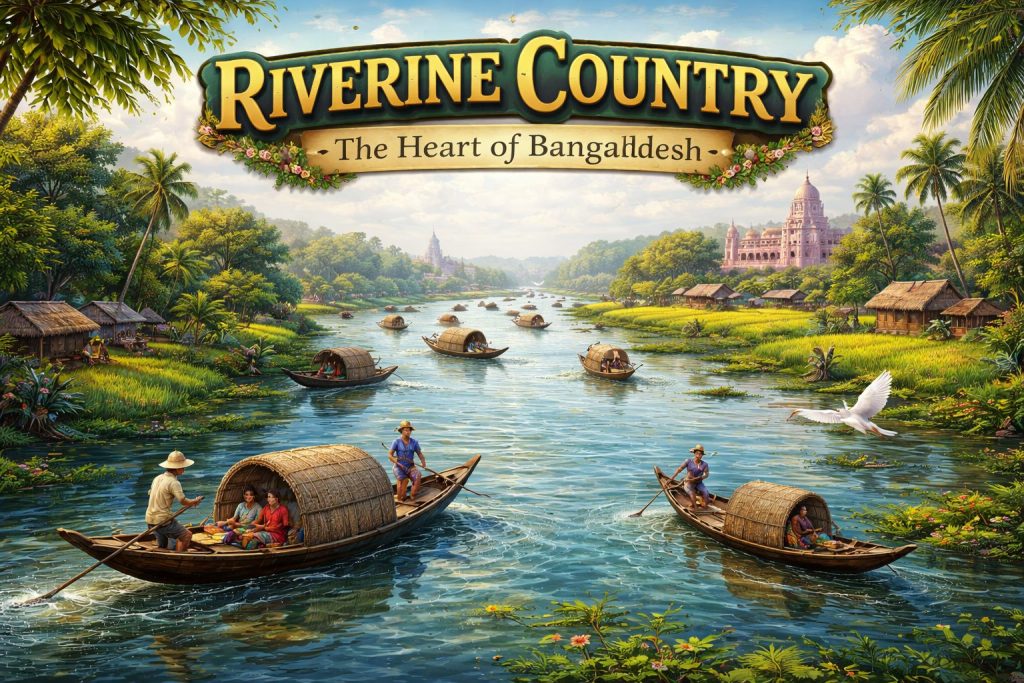
Bangladesh, often called the Riverine Country, is a land where water shapes life, culture, and landscapes. With hundreds of rivers, including major ones like the Padma, Jamuna, Meghna, Karnaphuli, Teesta, Surma, and Brahmaputra, the nation has one of the world’s most intricate river networks. These waterways are lifelines for millions, supporting agriculture, transportation, fisheries, and daily life, making the term “Riverine Country” a perfect description of Bangladesh’s identity.
Rivers are deeply tied to Bangladesh’s history and heritage. From ancient trade routes to traditional boat cultures, they shape communities, livelihoods, and festivals. Fertile plains created by silt deposition sustain agriculture, while seasonal floods enrich the soil.
Understanding Bangladesh as a Riverine Country helps travelers, researchers, and locals appreciate its unique ecology, economy, and culture. This article explores 07 amazing facts about Bangladesh rivers, revealing how these waterways continue to define the nation in 2026 and beyond.
1. Bangladesh Has One of the Largest River Networks in the World
Bangladesh, a true Riverine Country, is crossed by over 700 rivers, including major ones like the Padma, Jamuna, Meghna, Karnaphuli, Surma, Teesta, and Brahmaputra. These rivers shape geography, agriculture, trade, and daily life, providing fertile soil, transportation routes, and fisheries. They are central to culture, festivals, and livelihoods, making rivers inseparable from the Bangladeshi way of life.
- Number of Rivers (Major and Minor): The network of rivers in Bangladesh forms a dense delta in the Bay of Bengal, connecting urban centers, rural villages, and remote regions. These waterways create fertile plains, support ecosystems, and provide natural irrigation. In a Riverine Country, rivers influence settlement patterns, agriculture cycles, and even local customs, demonstrating their essential role in shaping human and environmental life.
- Importance for Agriculture, Transportation, and Trade: Rivers bring nutrient-rich alluvial soil that sustains rice, vegetables, and other crops. They also serve as natural transportation routes for goods such as jute, fish, and agricultural products, reducing costs in areas with limited road infrastructure. This economic dependence highlights the rivers’ role in supporting livelihoods across generations.
- Historical and Cultural Significance: Throughout history, rivers have facilitated trade, communication, and cultural exchange—from ancient civilizations to Mughal and colonial eras. Festivals, folk songs, and traditional boat races celebrate these waterways, reinforcing Bangladesh’s identity as a true Riverine Country.
2: Rivers Shape the Landscape and Ecology of Bangladesh
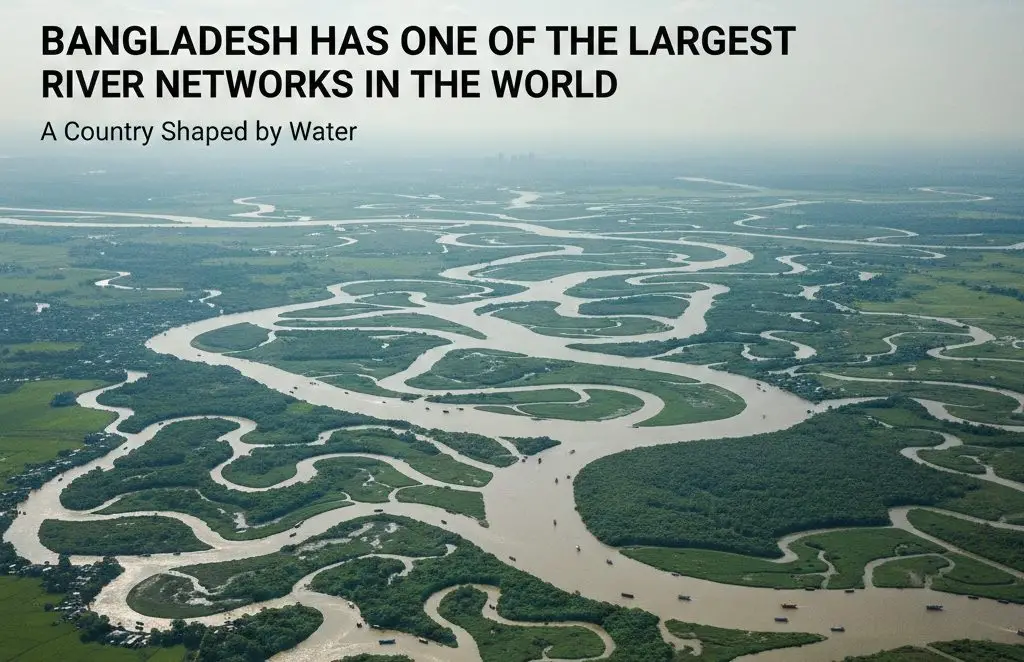
Bangladesh’s rivers are not only vital for human life but also play a key role in shaping the country’s unique landscapes and ecosystems. As a Riverine Country, Bangladesh is part of the world’s largest delta system, formed by the confluence of the Ganges, Brahmaputra, and Meghna rivers. These rivers create fertile floodplains, wetlands, and marshes that support a rich diversity of plants, animals, and aquatic life. Seasonal flooding, while sometimes challenging, replenishes soil nutrients, making agriculture productive and sustaining the livelihoods of millions of people.
- Delta Formation and Wetlands:The rivers deposit silt and sediments that build the delta over centuries. This process forms lush plains, oxbow lakes, and marshlands, providing habitats for numerous bird species, fish, and other wildlife. Wetlands like the Hakaluki Haor and Chalan Beel are biodiversity hotspots, attracting migratory birds and sustaining fishing communities. In a Riverine Country, these wetlands are critical for maintaining ecological balance and mitigating the impacts of floods.
- Unique Flora and Fauna: Riverbanks and floodplains are home to diverse flora, including water hyacinths, reed beds, and mangroves in the south. Aquatic species such as hilsa fish, freshwater turtles, and river dolphins thrive in these habitats. The Sundarbans mangrove forest, fed by river systems, is a UNESCO World Heritage Site, highlighting the global ecological significance of Bangladesh’s waterways.
- Seasonal Changes and River Dynamics: Monsoon rains swell rivers, creating seasonal floodplains that support fisheries and agriculture. In the dry season, water levels drop, exposing fertile lands and sandbanks. These dynamic changes shape both the natural environment and human activities, reflecting how Bangladesh’s identity as a Riverine Country is deeply tied to its rivers.

3: Rivers Influence Daily Life and Culture in Bangladesh
In a Riverine Country like Bangladesh, rivers are far more than geographic features—they are central to the daily lives and cultural identity of millions. Rivers provide food, water, transportation, and recreational opportunities, shaping both livelihoods and lifestyles. Fishing communities rely on rivers for their primary income, catching species like hilsa, catfish, and freshwater prawns. Boats remain a primary mode of transport in many rural areas, where roads are limited, and traditional wooden vessels are still widely used. River markets, where traders sell fish, vegetables, and daily essentials directly from boats, highlight the integration of waterways into everyday life.
- Cultural Significance: Rivers have inspired centuries of culture in Bangladesh. Traditional boat races, known as Nouka Baich, are held during festivals, drawing communities together in celebration. Folk songs, poems, and stories often reference rivers, symbolizing life, love, and the passage of time. Many villages hold rituals and ceremonies on riverbanks, emphasizing the spiritual connection locals have with waterways.
- Festivals and Community Life: Rivers play a vital role in festivals like Pohela Boishakh and harvest celebrations, where communities gather near riverbanks for fairs, boat races, and cultural performances. These events reinforce social bonds and preserve traditions tied to waterways.
- Economic and Social Dependence: From transporting goods to providing irrigation and fish, rivers directly impact household income and food security. Families often plan daily activities around tides and seasonal river flows. Living in a Riverine Country means understanding and respecting the rhythms of these waterways. Rivers continue to shape livelihoods, traditions, and recreational practices, making them inseparable from Bangladesh’s identity and culture.
4: Rivers Are Lifelines for Agriculture and Economy in Bangladesh
Rivers in Bangladesh are essential for the country’s agriculture and economy, reinforcing its identity as a true Riverine Country. Fertile alluvial soil deposited by rivers supports intensive farming, particularly rice, vegetables, and jute cultivation. The nutrient-rich silt replenishes farmland each year, making seasonal floods both a challenge and a natural boon. Without these rivers, much of Bangladesh’s agricultural productivity would be impossible, highlighting their critical role in sustaining millions of livelihoods.
- Agricultural Dependence: Farmers rely heavily on river water for irrigation, especially during dry seasons. Crops such as paddy, sugarcane, and pulses depend on a stable water supply, and rivers provide a natural irrigation system in areas with limited groundwater. Floodplains also serve as fertile grazing lands for livestock, while seasonal wetlands support fishing and aquaculture, creating diverse income sources for rural communities.
- Economic Significance: Rivers serve as cost-effective transportation routes for both goods and people. Fish, agricultural produce, jute, and timber are transported via inland waterways, connecting rural villages with urban markets. Trade along river routes has existed for centuries, dating back to Mughal and colonial times, and continues to be a vital part of Bangladesh’s economy. River ports and ferry systems facilitate regional commerce and tourism, supporting local businesses.
- Community and Livelihoods: In a Riverine Country, communities often plan their lives around river cycles. Fishing, boat-making, and riverside markets form the backbone of many local economies. Seasonal floods, while disruptive, enrich the soil and provide opportunities for fishing, highlighting the delicate balance between natural river systems and human survival. The rivers of Bangladesh are not just geographic features—they are living economic lifelines that sustain both rural and urban life.
5: Flooding and River Management in Bangladesh
As a true Riverine Country, Bangladesh experiences seasonal flooding that significantly affects its landscapes, communities, and economy. The rivers swell during the monsoon season, sometimes overflowing their banks and inundating nearby villages and farmland. While flooding can be destructive, it also deposits nutrient-rich silt onto agricultural land, maintaining the fertility of Bangladesh’s plains. Managing these natural dynamics is crucial to protect lives and sustain livelihoods while maintaining the ecological balance.
- Challenges of Seasonal Flooding: Monsoon floods disrupt transportation, damage homes, and affect millions of people annually. Urban areas face waterlogging, while rural villages risk crop loss and property damage. Floods also threaten water quality and sanitation, leading to potential health issues. Despite these challenges, communities have adapted for generations, building raised homes, floating gardens, and temporary embankments to survive the monsoon season.
- River Management and Infrastructure: The government and local authorities have implemented various flood-control measures, including embankments, levees, and drainage canals. Dredging rivers and maintaining waterways help reduce overflow risks while supporting inland navigation. Early warning systems and community-based disaster management programs are increasingly important in mitigating flood damage.
- Community Adaptation: Living in a Riverine Country means balancing the benefits and risks of rivers. Villagers adjust planting schedules based on flood patterns, use boats for transport during high water, and practice flood-resilient farming techniques. While floods remain a natural challenge, effective river management combined with traditional knowledge ensures that rivers continue to sustain life, culture, and the economy in Bangladesh.
6: Rivers as a Transportation Network in Bangladesh
In a Riverine Country like Bangladesh, rivers have historically served as vital transportation routes, connecting remote villages, towns, and major cities. With thousands of kilometers of navigable waterways, rivers are cost-effective channels for moving goods, people, and resources across the country. Even today, they remain a lifeline for communities where road infrastructure is limited or underdeveloped, highlighting the strategic importance of rivers in daily life.
- Inland Waterways for Goods: Rivers carry agricultural produce, fish, timber, and industrial goods from rural areas to urban markets. Barges and cargo boats transport bulk goods efficiently, reducing dependence on road networks and minimizing costs. Many river ports, such as those on the Padma, Jamuna, and Karnaphuli, support trade and commerce, enabling Bangladesh’s economy to flourish. The navigable rivers also link to international waterways, facilitating cross-border trade with India and Myanmar.
- Passenger Transport: Ferries, boats, and launches are commonly used by millions for daily commuting, especially in rural and deltaic regions. During the monsoon season, when roads are flooded or damaged, rivers become the primary mode of transportation. Communities plan their schedules around river tides and water levels, emphasizing how deeply integrated rivers are in local life.
- Modern Challenges and Developments: Despite their importance, river transportation faces challenges like siltation, pollution, and unregulated boat traffic. Efforts to modernize river transport include dredging, safety regulations, and improving docking facilities. In a Riverine Country, maintaining these waterways is essential not only for economic activities but also for preserving cultural practices and sustainable livelihoods.
7: Rivers in Modern Bangladesh – Tourism and Recreation
In a Riverine Country like Bangladesh, rivers are not only vital for livelihoods but also serve as major attractions for tourism and recreation. From scenic riverbanks to vibrant boat festivals, rivers offer unique experiences for both locals and visitors. Eco-tourism initiatives along rivers, such as river cruises and cultural tours, are gaining popularity, allowing people to explore Bangladesh’s natural beauty while supporting local communities.
- River Cruises and Scenic Spots: Rivers such as the Padma, Jamuna, and Karnaphuli have become popular destinations for leisure cruises, offering panoramic views of lush green landscapes, traditional villages, and wildlife. Tourists can enjoy sunrise and sunset cruises, photography sessions, and riverside picnics. Riverside areas like Kuakata, Chandpur, and Barisal combine riverine charm with cultural experiences, making them must-visit locations.
- Cultural and Recreational Activities: Traditional boat races, fishing competitions, and local festivals take place along rivers, attracting both residents and tourists. Riverbanks host fairs, music performances, and community events that celebrate the Riverine Country heritage. These activities help preserve cultural traditions while generating income for local artisans, boatmen, and small businesses.
- Conservation and Sustainable Tourism: Modern tourism also emphasizes the importance of environmental conservation. Efforts include protecting wetlands, regulating boat traffic, and promoting responsible tourism practices. Preserving river ecosystems ensures that tourism remains sustainable, maintaining the rivers’ natural beauty and biodiversity.
Rivers in Bangladesh continue to shape recreation, culture, and tourism, reinforcing the country’s identity as a Riverine Country. By combining natural charm with cultural richness, Bangladesh’s rivers offer unforgettable experiences while supporting ecological and economic sustainability.
Disadvantages of Having Many Rivers in Bangladesh
While Bangladesh is celebrated as a Riverine Country, having over 700 rivers also brings significant challenges. Seasonal flooding, especially during the monsoon, can damage homes, crops, and infrastructure. Many rivers change course over time, causing riverbank erosion that destroys farmland and displaces communities.
Key Challenges
- Flooding: Heavy rains and river overflows affect millions annually, disrupting transport and daily life.
- Erosion: Riverbanks erode rapidly, leading to the loss of fertile land and property.
- Water Pollution: Industrial waste, sewage, and agricultural runoff contaminate rivers, harming aquatic life and human health.
- Navigation Hazards: Siltation, shifting sandbanks, and strong currents make river transport risky.
Despite these disadvantages, rivers remain crucial for Bangladesh’s agriculture, trade, and culture. Proper river management, embankments, and early warning systems are essential to minimize risks while sustaining the country’s Riverine Country identity.
Travel & Visitor Tips for Exploring Bangladesh Rivers
Bangladesh, a true Riverine Country, offers stunning river landscapes and rich cultural experiences. The best time to explore is November to February, when weather is cool, rivers are calm, and scenery is lush. Avoid the monsoon months (June–September) due to flooding and heavy rains.
Tourists can enjoy river cruises on the Padma, Jamuna, or Karnaphuli, visit floating markets, or experience traditional boat races and riverside festivals. Eco-tourism trips along wetlands and delta areas highlight local biodiversity. Carry essentials like water, sunscreen, and cameras, and respect local customs for a safe, enjoyable, and memorable journey along Bangladesh’s rivers.
- Best Time to Explore River Areas: The ideal time to visit river regions in Bangladesh is November to February, during the cool and dry season. During this period, rivers are calm, skies are clear, and landscapes are lush and green. Avoid the monsoon months (June–September) when rivers flood and travel can be challenging.
- Suggested River-Based Experiences for Tourists: Tourists can enjoy river cruises on the Padma, Jamuna, or Karnaphuli, offering scenic views of villages, wetlands, and lush greenery. Participating in traditional boat races or visiting riverside markets provides an authentic cultural experience. Riverside picnic spots, fishing trips, and eco-tourism tours along wetlands and deltas are also popular activities that highlight the beauty and culture of a Riverine Country.
Conclusion: Bangladesh – The True Riverine Country
Bangladesh, often called a Riverine Country, owes its identity, culture, and economy to the vast network of rivers that crisscross the nation. With over 700 rivers, including major ones like the Padma, Jamuna, Meghna, and Karnaphuli, these waterways define the country’s geography, agricultural productivity, and trade routes. Rivers provide fertile soil, irrigation, and fisheries, sustaining millions of livelihoods while shaping rural and urban communities alike.
The rivers also influence daily life, recreation, and cultural practices. Traditional boat races, riverside festivals, and folk songs celebrate the spiritual and social significance of these waterways. Tourism along riverbanks, including cruises, scenic spots, and eco-tourism initiatives, highlights the modern role of rivers in promoting culture, economy, and leisure.
Despite challenges such as seasonal flooding, siltation, and pollution, effective river management and community adaptation ensure that rivers continue to support life sustainably. The intricate relationship between people and rivers reinforces why Bangladesh is recognized globally as a Riverine Country.
Understanding Bangladesh through the lens of its rivers offers insights into its rich heritage, ecological balance, and socio-economic dynamics. From agriculture and trade to culture and tourism, rivers remain central to the country’s identity, making Bangladesh a living example of how waterways can define an entire nation.