

Flood Safety Tips for Bangladesh: Discover lifesaving preparedness measures to protect your family and property in 2026.
Introduction
Floods are a recurring challenge in Bangladesh, affecting millions of people every year. Situated on the world’s largest river delta and crossed by hundreds of rivers, Bangladesh is naturally vulnerable to seasonal flooding.
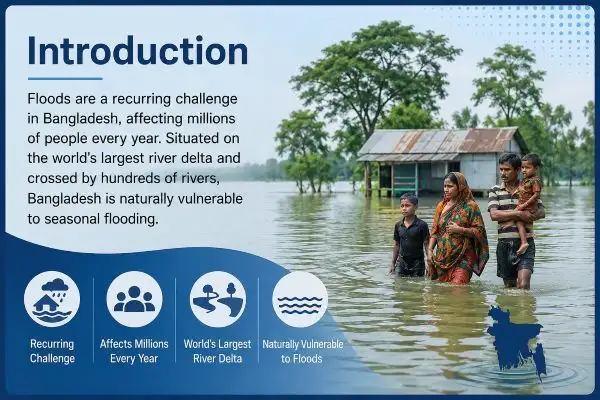
While periodic floods may improve soil quality through the natural distribution of fertile sediments, intense flooding often results in widespread losses affecting residences, transportation networks, crops, and community livelihoods.
As climate change increases the frequency of extreme weather events, understanding flood preparedness and disaster management has become more important than ever. Families, communities, farmers, and business owners all need practical strategies to reduce risks and stay safe during flood emergencies.
This comprehensive guide explores the causes of flooding in Bangladesh, the importance of disaster preparedness, and 15 essential flood safety tips that can help protect lives, homes, and property during the 2026 flood season.
Why Bangladesh Experiences Frequent Flooding
Bangladesh experiences frequent flooding because of its unique location, low-lying landscape, and extensive river network. The country sits on the delta of the Ganges, Brahmaputra, and Meghna rivers, which carry huge volumes of water during the monsoon season.

Heavy rainfall, upstream river flow, cyclones, and storm surges further increase flood risks. Additionally, climate change has intensified extreme weather events, making floods more frequent and severe.
These geographical and environmental conditions make flood preparedness and disaster management essential for communities across Bangladesh.
Delta Geography
The country lies in the delta formed by the Ganges, Brahmaputra, and Meghna rivers. These massive river systems carry enormous volumes of water from neighboring countries before flowing into the Bay of Bengal.
Heavy Monsoon Rainfall
The annual monsoon season typically lasts from June to October. During this period, intense rainfall causes rivers to swell and overflow.
Low Elevation
A significant portion of Bangladesh is only a few meters above sea level, making it highly susceptible to inundation.
Cyclones and Storm Surges
Coastal regions regularly experience tropical cyclones that bring heavy rainfall and powerful storm surges.
Climate Change
Rising sea levels, changing rainfall patterns, and increasingly severe weather events are amplifying flood risks across the country.
The Impact of Floods on Bangladesh
Floods have a far-reaching impact on Bangladesh, affecting communities, agriculture, infrastructure, and the national economy. Severe flooding can damage homes, roads, bridges, schools, and healthcare facilities while displacing thousands of families.

Farmers often face crop losses and livestock deaths, reducing household income and food production. Floodwaters may also contaminate drinking water sources, increasing the risk of waterborne diseases.
As flood events become more frequent due to climate change, strengthening flood preparedness and disaster resilience has become increasingly important for sustainable development in Bangladesh.
Common impacts include:
- Loss of human life
- Damage to homes and buildings
- Crop destruction
- Livestock losses
- Road and bridge damage
- Drinking water contamination
- Increased disease outbreaks
- Economic disruption
- Educational interruptions
Understanding these risks highlights the importance of effective flood preparedness.
15 Essential Flood Safety Tips for Bangladesh
1. Monitor Weather Forecasts Regularly
One of the simplest yet most effective flood safety measures is staying informed about changing weather conditions. During Bangladesh’s monsoon season, heavy rainfall and rising river levels can quickly increase flood risks.
Regularly staying updated with weather reports, flood notifications, and safety announcements helps households take early action and prepare effectively.Reliable updates allow people to secure their homes, protect valuables, and evacuate safely if necessary.
Staying informed through trusted weather sources is a crucial step in reducing flood-related dangers and improving overall disaster preparedness.
Check:
- Weather forecasts
- Flood alerts
- River level updates
- Emergency announcements
Timely information allows families to prepare before conditions become dangerous.
During monsoon season, make it a habit to review weather updates daily.
2. Understand Your Local Flood Risk
Not all regions of Bangladesh experience flooding in the same way, making it important to understand the specific risks in your area.
Some districts are prone to river flooding, while others face flash floods, coastal inundation, or urban waterlogging. Learning about local flood patterns, past flood events, and nearby waterways can help families prepare more effectively.
By identifying potential hazards in advance, residents can develop suitable emergency plans, protect valuable belongings, and make informed decisions that improve safety during severe weather and flood emergencies.
Some regions experience:
- Riverflooding
- Flash floods
- Coastal flooding
- Urban waterlogging
Understanding the flooding patterns and past flood events in your locality can help you plan more effective safety and preparedness measures.
Residents living near rivers should pay particular attention to water-level warnings.
3. Create a Family Emergency Plan
Every household should have a clear flood emergency plan to ensure quick and organized action during a disaster. A well-prepared plan should include evacuation routes, emergency contact numbers, safe shelter locations, and responsibilities for each family member.
It is also important to discuss how to assist children, elderly relatives, and individuals with special needs. Practicing the plan regularly helps everyone understand what to do in an emergency.
Effective family preparedness can reduce panic, improve response times, and significantly increase safety during flood events in Bangladesh.
Your plan should include:
- Evacuation routes
- Emergency contact numbers
- Shelter locations
- Transportation arrangements
- Communication procedures
Family members should understand exactly what to do if flooding occurs.
Practice emergency drills periodically so everyone knows their responsibilities.
4. Assemble an Emergency Flood Kit
A well-prepared emergency flood kit can be lifesaving during natural disasters and unexpected evacuations. Every household in Bangladesh should keep essential supplies ready before the monsoon season begins.
A complete kit should include clean drinking water, non-perishable food, first-aid supplies, prescription medicines, flashlights, batteries, mobile phone chargers, hygiene products, and important documents stored in waterproof bags.
Having these emergency resources readily available can help families remain safe, meet basic needs, and respond effectively during flood emergencies when access to services may be limited.
Important items include:
- Drinking water
- Dry food
- Flashlights
- Batteries
- First-aid supplies
- Essential medications
- Mobile phone chargers
- Blankets
- Extra clothing
- Personal hygiene items
Store supplies in waterproof containers and keep them accessible.
5. Protect Important Documents
Floodwater can ruin valuable documents within minutes, making document protection an essential part of flood preparedness.
Important records such as National ID cards, birth certificates, passports, educational certificates, property deeds, insurance papers, and bank documents should be stored in waterproof folders or sealed plastic bags. Keeping digital copies in secure cloud storage or on a protected device provides additional security.
Safeguarding these documents before flood season can save time, reduce stress, and simplify recovery processes after a flood emergency in Bangladesh.
Store these items in waterproof bags:
- National ID cards
- Birth certificates
- Passports
- Educational certificates
- Property documents
- Insurance records
- Bank information
Creating digital backups provides additional protection.
6. Secure Your Home Before Flooding Begins
Securing your home before flooding starts is a crucial flood safety measure that can greatly reduce property damage. Homeowners in Bangladesh should repair weak roofs, clear drainage systems, elevate electrical appliances, and reinforce doors and windows to withstand rising water levels.
Outdoor items such as furniture, tools, and livestock feed should be moved to higher ground. Proper preventive maintenance not only protects valuable belongings but also ensures a safer living environment during monsoon floods and emergency situations.
Consider:
- Repairing roofs
- Cleaning drains
- Elevating electrical equipment
- Reinforcing doors and windows
- Securing outdoor furniture
Small improvements often prevent major losses.
7. Store Clean Drinking Water
Access to safe drinking water becomes extremely limited during flood emergencies in Bangladesh due to contamination of rivers, ponds, and household water sources. Floodwater often carries harmful bacteria, sewage, and chemicals that can cause serious waterborne diseases.
That’s why storing clean drinking water in advance is a critical flood safety step. Experts recommend keeping enough purified water to last at least 3–5 days for each family member. Always use clean, food-grade containers and ensure they are tightly sealed to prevent contamination.
Replace stored water regularly to maintain freshness. Including water storage in your flood preparedness plan helps protect your family’s health, reduces emergency stress, and ensures survival when clean water sources are unavailable during severe flooding situations.
8. Move Valuables to Higher Locations
Before floodwaters arrive, it is important to move valuable belongings to higher and safer places to minimize damage. In flood-prone areas of Bangladesh, residents should relocate electronics, furniture, important household items, and personal keepsakes to upper floors or elevated shelves.
This simple precaution helps protect assets from water damage and reduces financial loss during emergencies. Keeping essential items above expected flood levels ensures better safety, quicker recovery, and less stress after the flood situation improves.
Items to protect include:
- Electronics
- Furniture
- Family photographs
- Important records
- Appliances
Placing items on upper floors or elevated shelves reduces potential damage.
9. Evacuate Early When Necessary
Early evacuation is one of the most important flood safety tips for Bangladesh, as timely action can save lives during rapidly rising flood conditions.
Many flood-related deaths occur because people delay leaving their homes, underestimating the speed and strength of floodwaters. When authorities issue evacuation warnings, families should immediately move to designated shelters or higher ground with their emergency kits.
Acting early reduces exposure to danger, prevents last-minute panic, and ensures safer protection for all family members during severe flooding situations.
If authorities recommend evacuation:
- Follow instructions immediately
- Take your emergency kit
- Move to designated shelters
Early action saves lives.
10. Avoid Walking Through Floodwater
Avoiding contact with floodwater is a crucial safety measure during flooding in Bangladesh, as it often conceals serious hazards.
Floodwater may contain sharp debris, open drains, electric wires, and harmful bacteria that can cause injury or disease. Even shallow or slow-moving water can be unexpectedly strong and unsafe to walk through.
Staying away from flooded streets and paths significantly reduces the risk of accidents, infections, and drowning, making it an essential part of effective flood safety and emergency preparedness.
Potential hazards include:
- Open drains
- Sharp debris
- Electrical wires
- Strong currents
- Contaminated water
Even a small depth of moving water can cause someone to lose their footing and fall.
Never underestimate moving floodwater.
11. Turn Off Utilities if Safe
Turning off utilities before flooding is a vital flood safety step in Bangladesh, helping prevent electrical accidents, gas leaks, and fire hazards.
Provided there is no risk, people should turn off electricity, close gas sources, and interrupt water supply before moving to safer areas.These precautions reduce the risk of serious damage and protect both people and property during rising floodwaters.
Proper utility management also supports safer emergency conditions and minimizes post-flood hazards when returning home after the disaster.
Before leaving your home:
- Disconnect electricity
- Shut off gas supplies
- Turn off water systems
These actions help prevent fires, electrocution, and property damage.
Only perform these tasks if conditions are safe.
12. Protect Children and Elderly Family Members
Protecting children and elderly family members is a key flood safety priority in Bangladesh, as they are more vulnerable during emergencies.
They often need extra assistance with evacuation, mobility, medication, and emotional support. Families should ensure they stay in safe locations, away from floodwater, and remain under close supervision at all times.
Preparing essential items such as food, water, and medicines for them in advance improves safety. Proper care and planning help reduce risks and ensure their well-being during flood situations.
Ensure they:
- Stay with trusted family members
- Have access to medication
- Know emergency procedures
- Remain away from floodwater
Special planning improves their safety.
13. Maintain Food Safety
Maintaining food safety during floods in Bangladesh is essential because contaminated water can quickly spoil food and spread diseases.
Floodwater may carry bacteria, sewage, and harmful chemicals that make food unsafe to eat. Families should avoid consuming any food that has come into contact with floodwater and rely on sealed, dry, and non-perishable items such as rice, biscuits, and canned goods.
Proper food storage, hygiene practices, and careful inspection help prevent illness and ensure better health during flood emergencies.
Avoid consuming:
- Food exposed to floodwater
- Damaged canned goods
- Spoiled perishables
Focus on:
- Dry foods
- Sealed packages
- Non-perishable supplies
Food safety is essential for preventing illness.
14. Prevent Waterborne Diseases
Preventing waterborne diseases is very important during floods in Bangladesh, as contaminated water often leads to serious health problems. Flood conditions can increase the risk of illnesses such as cholera, diarrhea, typhoid, and skin infections.
To stay safe, people should drink boiled or purified water, maintain proper hand hygiene, and avoid unsafe water sources. Using clean sanitation facilities and keeping living areas hygienic also reduces infection risks.
These preventive measures help protect families and support healthier recovery during and after flood emergencies.
Common illnesses include:
- Cholera
- Diarrhea
- Typhoid
- Skin infections
Protect yourself by:
- Washing hands regularly
- Drinking treated water
- Using sanitation facilities
- Maintaining personal hygiene
Prevention is far easier than treatment.
15. Follow Safe Recovery Practices After Floods
Following safe recovery practices after floods in Bangladesh is essential because returning home too early can expose people to hidden dangers.
Before re-entering, families should check building safety, inspect electrical systems, and ensure there are no gas leaks or structural damage. Wearing protective gear and cleaning contaminated areas helps reduce health risks. It is also important to wait for official clearance before returning.
Careful recovery planning ensures safety, prevents accidents, and supports a smoother and healthier post-flood rebuilding process.
Before re-entering:
- Check structural stability
- Inspect electrical systems
- Look for gas leaks
- Wear protective clothing
Clean and disinfect affected areas thoroughly.
Safe recovery reduces long-term health risks.
Flood Safety Tips for Farmers
Agriculture is a vital part of Bangladesh’s economy, making flood safety essential for farmers. Flood preparedness helps protect crops, livestock, and farming equipment from severe damage.
By taking early action, such as relocating animals and securing resources, farmers can reduce losses and recover faster after flooding events.
Farmers should:
- Move livestock to higher ground
- Store animal feed safely
- Harvest mature crops early
- Protect farming equipment
- Develop alternative feed plans
Preparation helps minimize agricultural losses.
Flood Safety Tips for Urban Areas
Urban areas in Bangladesh face unique flood challenges due to poor drainage and high population density. Flood safety in cities requires proper planning, avoiding waterlogged roads, protecting electrical equipment, and following emergency warnings.
These actions help reduce risks and ensure safer movement and living conditions during urban flooding situations.
Urban residents should:
- Avoid flooded roads
- Protect electronic devices
- Keep drainage channels clear
- Maintain emergency supplies
- Follow local government instructions
Rapid urbanization makes flood preparedness increasingly important.
Community-Based Flood Preparedness
Community-based flood preparedness in Bangladesh strengthens safety by encouraging cooperation among neighbors. When communities work together, they can share resources, support evacuations, and respond faster during emergencies.
Strong local coordination improves resilience, reduces risks, and helps families recover more quickly after flood disasters, making communities safer and better prepared overall.
Effective community initiatives include:
- Volunteer response teams
- Emergency shelters
- Awareness campaigns
- Flood drills
- Resource-sharing programs
Community resilience strengthens disaster response capabilities.
The Role of Technology in Flood Preparedness
Technology is transforming flood preparedness in Bangladesh by improving early warnings, weather forecasting, and emergency communication. Mobile alerts, apps, and online monitoring systems help people stay informed and act quickly.
These digital tools enhance disaster response, reduce risks, and support safer decision-making during flood emergencies and severe weather conditions.
Useful tools include:
- Weather forecasting apps
- SMS alert systems
- GPS navigation
- Emergency communication networks
- Flood monitoring systems
These technologies provide valuable information during emergencies.
Climate Change and Future Flood Risks
Climate change is reshaping flood patterns in Bangladesh by increasing rainfall intensity, rising sea levels, and extreme weather events. These changes make floods more frequent and severe, affecting millions of people.
Strengthening adaptation, early warning systems, and preparedness is essential to reduce future flood risks and protect vulnerable communities.
Expected impacts include:
- Stronger rainfall events
- Rising sea levels
- Increased coastal flooding
- More frequent extreme weather
Investing in adaptation and preparedness is essential for future resilience.
Conclusion
Floods remain one of the most significant natural hazards in Bangladesh, but proper preparation can dramatically reduce risks. By following these 15 essential flood safety tips for Bangladesh, families can improve their readiness, protect their homes, and safeguard loved ones during emergencies.
From monitoring weather forecasts and preparing emergency kits to maintaining safe drinking water and following evacuation orders, every precaution contributes to greater safety. As flood risks continue to evolve in 2026 and beyond, preparedness, awareness, and community cooperation will remain the foundation of effective disaster management.
The more prepared you are today, the safer you will be when the next flood arrives.
FAQ: Flood Safety Tips for Bangladesh
1. What are the most important flood safety tips for Bangladesh?
The most important tips include staying updated with weather forecasts, preparing an emergency kit, avoiding floodwater, and evacuating early when warnings are issued.
2. Why is Bangladesh highly affected by floods?
Bangladesh is a low-lying river delta with heavy monsoon rainfall, large river systems, and climate change impacts, making it highly vulnerable to flooding.
3. What should be included in a flood emergency kit?
A flood emergency kit should include drinking water, dry food, first-aid supplies, medicines, flashlights, batteries, and important documents.
4. How can families prepare before a flood?
Families should create an emergency plan, store clean water, protect valuables, monitor weather updates, and know safe evacuation routes.
5.Is It Safe to Walk in Floodwater During Floods?
No, walking through floodwater is dangerous as it may contain hidden debris, strong currents, and harmful bacteria.
6. What should I do during a flood warning?
Follow official instructions, move to higher ground or shelters, keep emergency supplies ready, and avoid unnecessary travel.
7. How can I protect my home from floods?
You can elevate electrical systems, clear drainage, secure doors and windows, and move valuables to higher levels.
8. What diseases can spread during floods?
Floods can cause cholera, diarrhea, typhoid, skin infections, and other waterborne diseases due to contaminated water.
9. When should I evacuate during a flood?
You should evacuate immediately when authorities issue warnings or when water levels begin to rise rapidly in your area.
10. How does climate change affect floods in Bangladesh?
Climate change increases heavy rainfall, sea-level rise, and extreme weather events, making floods more frequent and severe.