
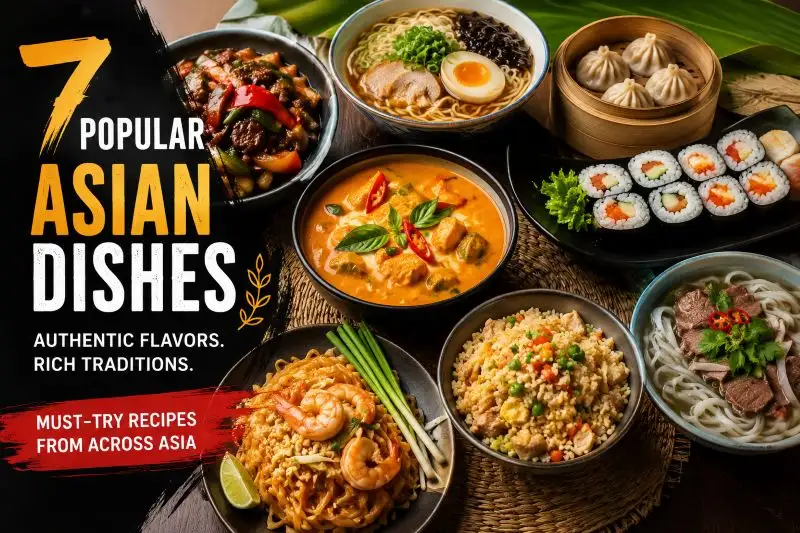
Popular Asian Dishes reveal authentic flavors and rich traditions. Discover 7 must-try recipes from across Asia.
Introduction
Asia offers one of the richest collections of diverse and flavor-packed culinary traditions on the planet. From the fragrant spices of South Asia to the delicate sushi of Japan and the vibrant street foods of Southeast Asia, every region offers unique recipes that reflect centuries of history, culture, and tradition.
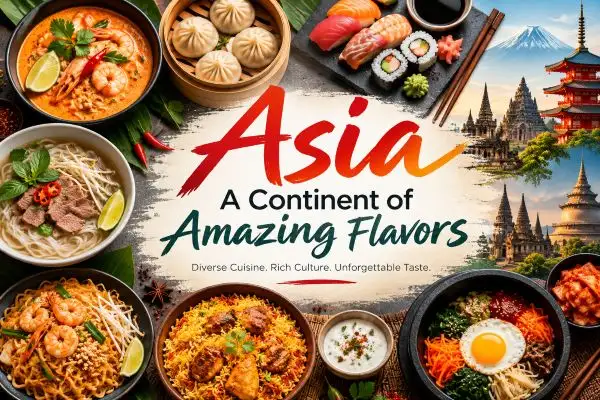
Whether you are a passionate foodie or planning your next culinary adventure, exploring Popular Asian Dishes is one of the best ways to experience the continent’s rich heritage.
Asian cuisine is much more than delicious food. It tells stories of ancient trade routes, royal kitchens, family traditions, and local ingredients that have been passed down through generations. Rice, noodles, fresh vegetables, aromatic herbs, seafood, and carefully balanced spices form the foundation of many iconic meals enjoyed by millions every day.
Today, Asian food has become a global favorite. Restaurants serving Japanese sushi, Indian curry, Thai noodles, Korean barbecue, and Chinese dumplings can be found in almost every major city worldwide. Travelers often choose destinations based on their famous local dishes, while home cooks recreate authentic recipes using traditional cooking methods and fresh ingredients.
In this guide, you’ll discover seven of the most Popular Asian Dishes that continue to win hearts across the globe. Along the way, you’ll learn about their fascinating history, cultural importance, signature ingredients, and what makes each dish unforgettable.
The Rich History of Asian Cuisine
The culinary heritage of Asia dates back thousands of years, shaped by generations of tradition, innovation, and cultural exchange. Long before modern transportation existed, merchants traveled the legendary Silk Road and ancient maritime trade routes, carrying spices, rice, tea, herbs, and cooking techniques between different kingdoms. These exchanges shaped the remarkable diversity that defines Asian food today.
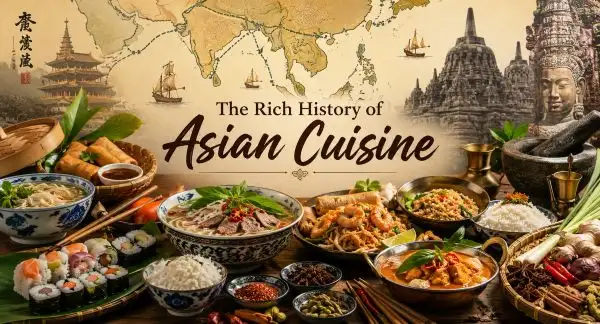
China is considered one of the oldest culinary civilizations in the world, with written records of cooking traditions dating back more than 3,000 years. Chinese chefs developed techniques such as stir-frying, steaming, braising, and dumpling making that later influenced neighboring countries.
India became famous for its sophisticated use of spices. Ancient spice traders introduced black pepper, cardamom, cinnamon, cloves, turmeric, and cumin to many parts of the world. These aromatic ingredients eventually transformed global cooking and made Indian cuisine internationally celebrated.
Japan refined its culinary traditions around seasonal ingredients, fresh seafood, and artistic presentation. Meanwhile, Southeast Asian countries like Thailand, Vietnam, Malaysia, and Indonesia combined local herbs, coconut milk, tropical fruits, and spices to create vibrant dishes that balance sweet, sour, salty, spicy, and umami flavors.
Over centuries, migration and cultural exchange further enriched Asian cuisine. Today, Popular Asian Dishes represent a beautiful blend of history, geography, and cultural identity, making them some of the most loved meals worldwide.
Why Popular Asian Dishes Are Loved Worldwide
PopularAsian Dishescontinue to captivate millions of food lovers worldwide because they offer an incredible variety of flavors, ingredients, and cooking styles that suit almost every palate. From the spicy curries of South Asia and the delicate sushi of Japan to the comforting noodle soups of Vietnam and the flavorful stir-fries of Southeast Asia, Asian cuisine provides a unique culinary experience that keeps people coming back for more.

One of the biggest reasons for its global appeal is the emphasis on fresh, high-quality ingredients. Many traditional recipes feature seasonal vegetables, fragrant herbs, aromatic spices, lean meats, seafood, rice, and noodles, creating meals that are both nutritious and full of flavor. Time-honored cooking techniques such as steaming, stir-frying, grilling, slow-cooking, and fermentation help preserve the natural taste and texture of each ingredient while enhancing its overall richness.
Another factor behind the growing popularity of Asian cuisine is its remarkable diversity. Every country has signature dishes inspired by local traditions, climate, and cultural heritage, ensuring that no two culinary experiences are exactly alike.
Whether you’re enjoying a comforting bowl of ramen, fragrant biryani, crispy spring rolls, savory dumplings, or spicy Pad Thai, each meal reflects generations of culinary craftsmanship and authentic regional flavors. This rich diversity makes Popular Asian Dishes an exciting choice for travelers, home cooks, and food enthusiasts eager to explore new tastes and unforgettable dining experiences.
1. Sushi (Japan)
Widely recognized as one of the most famous Popular Asian Dishes, sushi represents Japan’s rich culinary heritage and exceptional attention to flavor, freshness, and presentation.
While many people associate sushi with raw fish, its origins date back to an ancient preservation method that used fermented rice to store fish before evolving into the refined Japanese dish known today during the Edo period.
Modern sushi highlights fresh, high-quality ingredients, including premium seafood, perfectly seasoned sushi rice, crisp vegetables, and seaweed. Expert sushi chefs spend years mastering knife skills, rice preparation, and presentation techniques.
Today, sushi is celebrated for its delicate flavors, nutritional value, artistic appearance, and deep connection to Japan’s rich food culture.
Popular varieties include:
- Nigiri
- Maki Rolls
- Sashimi
- Temaki (Hand Rolls)
- Uramaki
Fresh tuna, salmon, shrimp, eel, avocado, cucumber, seaweed, and pickled ginger are commonly used ingredients.
Beyond its beautiful appearance, sushi represents Japanese values of simplicity, balance, and craftsmanship. Today, sushi restaurants can be found across Europe, North America, Australia, and the Middle East, making it one of the world’s most recognized Asian foods.
2. Pad Thai (Thailand)
Pad Thai is one of Thailand’s most celebrated national dishes and continues to rank among the most Popular Asian Dishes enjoyed by food lovers around the world. Its global popularity comes from its perfect balance of flavors, simple yet fresh ingredients, and strong connection to Thai culinary traditions. During the 20th century, the Thai government promoted Pad Thai as a symbol of national identity, helping transform it into one of the country’s signature foods.
This classic stir-fried noodle dish is prepared with thin rice noodles, shrimp, chicken, tofu, seafood, or a combination of proteins. Fresh eggs, bean sprouts, garlic, roasted peanuts, and Chinese chives add texture and flavor, while the famous Pad Thai sauce combines tamarind paste, fish sauce, palm sugar, and fresh lime juice to create a delicious blend of sweet, sour, salty, and savory tastes.
Across Bangkok and other parts of Thailand, experienced street food vendors prepare Pad Thai in blazing-hot woks over high heat. This cooking technique creates the signature smoky aroma known as wok hei, adding remarkable depth and authenticity to every serving. Many restaurants also garnish the dish with fresh lime wedges, crushed peanuts, chili flakes, and herbs, allowing diners to customize the flavor to their liking.
Today, Pad Thai represents the heart of Thai cuisine, showcasing the country’s passion for fresh ingredients, balanced flavors, and vibrant street food culture. Whether enjoyed at a lively night market, a local family-owned eatery, or a fine-dining restaurant, Pad Thai offers an unforgettable culinary experience that continues to attract travelers and food enthusiasts from across the globe.
3. Biryani (India)
Few rice dishes are as legendary as biryani. This aromatic masterpiece is considered one of the finest Popular Asian Dishes, celebrated for its rich flavors, fragrant spices, and royal history.
Biryani traces its roots to the Mughal Empire, where Persian cooking traditions blended with Indian spices to create an extraordinary rice dish fit for emperors. Over time, different regions developed their own unique versions, each with distinct ingredients and cooking styles.
Famous varieties include:
- Hyderabadi Biryani
- Kolkata Biryani
- Lucknow Biryani
- Malabar Biryani
- Sindhi Biryani
The dish typically features long-grain basmati rice layered with marinated chicken, lamb, beef, seafood, or vegetables. Saffron, cardamom, cloves, cinnamon, bay leaves, cumin, mint, coriander, and fried onions create its unforgettable aroma.
Traditional biryani is cooked using the “dum” method, where the pot is sealed and slow-cooked to allow the rice and spices to absorb every layer of flavor. It is often served with cooling yogurt raita, salad, or spicy curry, making it a favorite for celebrations and family gatherings.
4. Pho (Vietnam)
Pho is Vietnam’s most famous comfort food and has earned international recognition as one of the healthiest Popular Asian Dishes. This nourishing noodle soup originated in northern Vietnam during the early 20th century and has since become a beloved breakfast, lunch, and dinner option around the world.
The heart of Pho is its slow-simmered broth, traditionally prepared by cooking beef bones, onions, ginger, and aromatic spices such as star anise, cinnamon, cloves, and cardamom for many hours. The result is a rich yet clear broth with exceptional depth of flavor.
Pho is typically served with silky rice noodles and thin slices of beef or chicken, then topped with fresh herbs like Thai basil, cilantro, green onions, bean sprouts, lime wedges, and chili peppers. Diners can customize each bowl to suit their taste, creating a fresh and flavorful experience every time.
More than just a meal, Pho represents Vietnamese hospitality and the country’s appreciation for simple, wholesome ingredients. Its balance of nutrition, aroma, and comforting warmth has helped make it one of the most cherished dishes in global cuisine.
5. Ramen (Japan)
Ramen has grown from a humble noodle soup into one of the most Popular Asian Dishes enjoyed across the globe. Although its roots were influenced by Chinese noodle traditions, Japan transformed ramen into a culinary icon with countless regional styles and unique flavors. Today, ramen shops are found in nearly every corner of Japan, and the dish has become a favorite among travelers and food lovers alike.
A classic bowl of ramen features wheat noodles served in a rich, flavorful broth made from pork, chicken, seafood, or vegetables. Popular broth varieties include Shoyu (soy sauce), Miso, Shio (salt), and Tonkotsu (creamy pork bone broth). Each region of Japan proudly offers its own signature recipe, making ramen a diverse and exciting meal to explore.
Common toppings include sliced pork (chashu), soft-boiled eggs, bamboo shoots, seaweed, green onions, corn, mushrooms, and sesame seeds. Every bowl is carefully prepared to achieve the perfect balance of texture, aroma, and taste.
Whether enjoyed at a traditional ramen shop in Tokyo or prepared at home using authentic ingredients, ramen delivers comfort, warmth, and unforgettable flavor. Its versatility and rich culinary history continue to make it one of Asia’s most beloved dishes.
6. Kimchi (South Korea)
Kimchi is far more than a side dish—it’s a symbol of Korean culture and one of the healthiest Popular Asian Dishes. For centuries, Korean families have prepared kimchi using seasonal vegetables to preserve food during the harsh winter months. This traditional practice, known as Kimjang, has become such an important cultural tradition that it is recognized by UNESCO as part of Korea’s intangible cultural heritage.
Asia offers one of the richest collections of diverse and flavor-packed culinary traditions on the planet, with each region showcasing its own unique ingredients, cooking techniques, and authentic flavors. However, hundreds of regional varieties exist, featuring radishes, cucumbers, mustard greens, and other vegetables.
Kimchi is packed with probiotics, vitamins, minerals, and antioxidants that support digestion and overall health. Its bold combination of spicy, tangy, and savory flavors complements grilled meats, rice, noodles, soups, and stews.
Today, Korean cuisine has gained worldwide popularity, thanks in part to the global influence of K-pop, Korean dramas, and Korean barbecue. As more people discover authentic Korean flavors, kimchi continues to earn recognition as one of the world’s most nutritious and flavorful traditional foods.
7. Dim Sum (China)
Dim Sum is one of China’s greatest culinary traditions and a must-try for anyone exploring Popular Asian Dishes. Originating in Guangdong Province, Dim Sum developed alongside the ancient tea house culture, where travelers would enjoy small plates of freshly prepared snacks while resting during long journeys.
Unlike a single dish, Dim Sum is a collection of bite-sized delicacies served in bamboo steamers or small plates. Families and friends often gather for “Yum Cha,” a leisurely meal centered around tea and a variety of Dim Sum specialties.
Popular Dim Sum selections include:
- Shrimp Dumplings (Har Gow)
- Pork Dumplings (Siu Mai)
- Char Siu Bao (Barbecue Pork Buns)
- Spring Rolls
- Rice Noodle Rolls (Cheung Fun)
- Sticky Rice Wrapped in Lotus Leaves
- Egg Tarts
Dim Sum showcases the incredible craftsmanship of Chinese chefs, who carefully fold delicate dumplings and steam each item to perfection. The meal emphasizes sharing, conversation, and community, making it both a social and culinary experience.
Today, Dim Sum restaurants can be found in cities around the world, introducing millions of diners to the rich traditions of Cantonese cuisine.
Why Asian Cuisine Continues to Inspire Food Lovers
One of the reasons Popular Asian Dishes remain favorites worldwide is their incredible diversity. Every country offers distinctive cooking styles, ingredients, and regional specialties that reflect local traditions and history.
Many Asian recipes also focus on fresh vegetables, herbs, seafood, lean proteins, and balanced seasonings. Ingredients such as ginger, garlic, turmeric, chili, lemongrass, soy sauce, sesame oil, coconut milk, and aromatic spices create bold flavors while contributing to wholesome, satisfying meals.
From bustling street food markets to elegant fine-dining restaurants, Asian cuisine celebrates creativity, hospitality, and the joy of sharing meals with family and friends. Whether you’re sampling sushi in Japan, enjoying biryani in India, or savoring pho in Vietnam, each dish offers a deeper connection to the culture it represents.
Tips for Enjoying Authentic Asian Food
To make the most of your culinary journey, keep these tips in mind:
- Visit local restaurants or street food markets known for authentic recipes.
- Choose regional specialties over familiar favorites to experience the authentic flavors and culinary traditions of each destination.
- Be open to new ingredients, flavors, and cooking techniques.
- Learn about the cultural background of each dish to appreciate its history.
- Pair meals with traditional drinks or side dishes for a more authentic dining experience.
- Respect local dining customs, such as using chopsticks correctly or sharing communal plates when appropriate.
Exploring food with curiosity can turn every meal into a memorable cultural experience.
Conclusion
The world of Popular Asian Dishes is a celebration of history, culture, and unforgettable flavors. From the delicate artistry of Japanese sushi and comforting bowls of ramen to the fragrant spices of Indian biryani, the vibrant taste of Thai Pad Thai, the nourishing warmth of Vietnamese pho, the health benefits of Korean kimchi, and the shared tradition of Chinese Dim Sum, each dish tells a story that has been passed down through generations.
Beyond satisfying hunger, these iconic meals offer a window into Asia’s rich cultural heritage and culinary diversity. Whether you’re traveling across the continent, dining at a local restaurant, or recreating authentic recipes in your own kitchen, exploring these dishes is an invitation to experience traditions that unite people through food.
If you’re looking to expand your culinary horizons in 2026, start with these seven remarkable dishes. Each bite promises not only exceptional taste but also a deeper appreciation for the people, history, and traditions that have made Asian cuisine one of the most celebrated food cultures in the world.
Frequently Asked Questions (FAQs)
1. What are the most popular Asian dishes?
Some of the most popular Asian dishes include Sushi, Pad Thai, Biryani, Pho, Ramen, Kimchi, and Dim Sum. These iconic dishes are admired for their authentic taste, rich cultural heritage, and lasting appeal among food lovers across the globe.
2. Which Asian country has the best cuisine?
There is no single answer, as every country offers unique culinary traditions. Japan is known for sushi and ramen, Thailand for flavorful street food, India for aromatic curries and biryani, Vietnam for pho, China for Dim Sum and dumplings, and South Korea for kimchi and barbecue.
3. Are popular Asian dishes healthy?
Many traditional Asian dishes can be part of a healthy diet because they often include fresh vegetables, lean proteins, herbs, spices, and fermented ingredients. Choosing balanced portions and fresh preparations can make them even more nutritious.
4. What is the easiest Asian dish for beginners to try?
Pad Thai, fried rice, ramen, and sushi rolls are excellent starting points. They are widely available, easy to enjoy, and introduce many of the signature flavors found in Asian cuisine.
5. Why is Asian cuisine so popular worldwide?
Asian cuisine is loved for its rich history, diverse flavors, fresh ingredients, and remarkable variety. Every region offers unique recipes that combine tradition, creativity, and local ingredients, making Asian food appealing to people from different cultures.